Sorting skills Worksheets for Ages 6-8
16 filtered results
-
From - To
Unlock your child's potential with our engaging sorting skills worksheets designed for ages 6-8! These interactive activities enhance critical thinking and organizational abilities while making learning fun. Our expertly crafted worksheets encourage children to categorize objects based on different attributes such as color, shape, and size. Perfect for home or classroom use, these resources foster early math and skills essential for academic success. Each worksheet is designed to challenge young minds and develop their observational skills in an enjoyable way. Empower your child’s learning journey today with our captivating sorting skills worksheets, and watch them thrive in their educational pursuits!
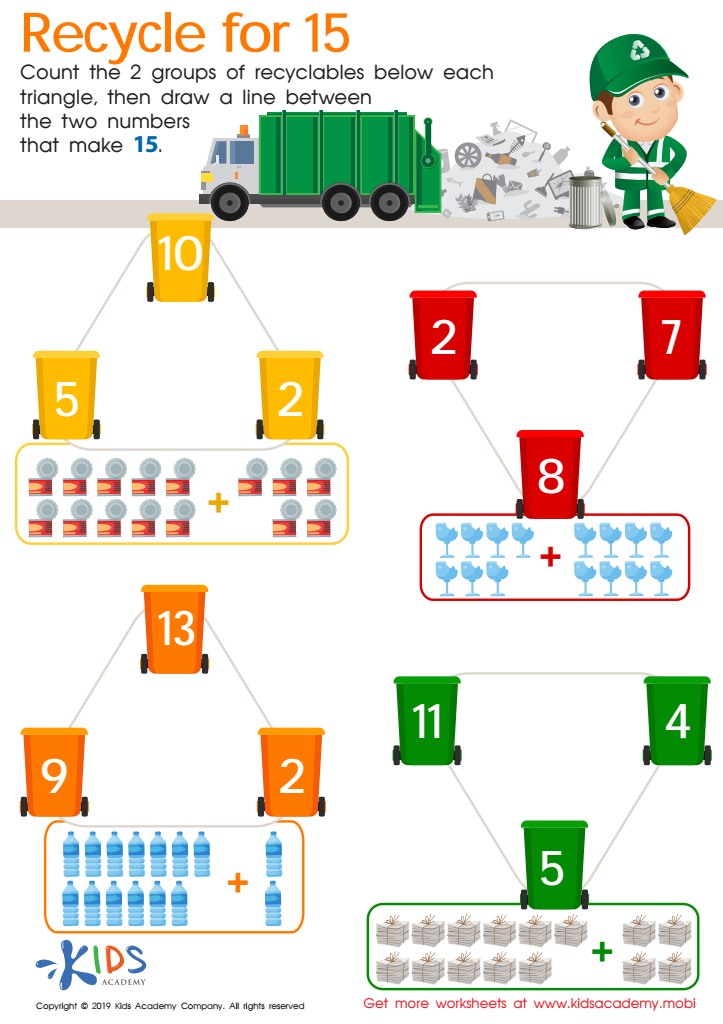
Recycle for 15 Worksheet
 Assign to My Students
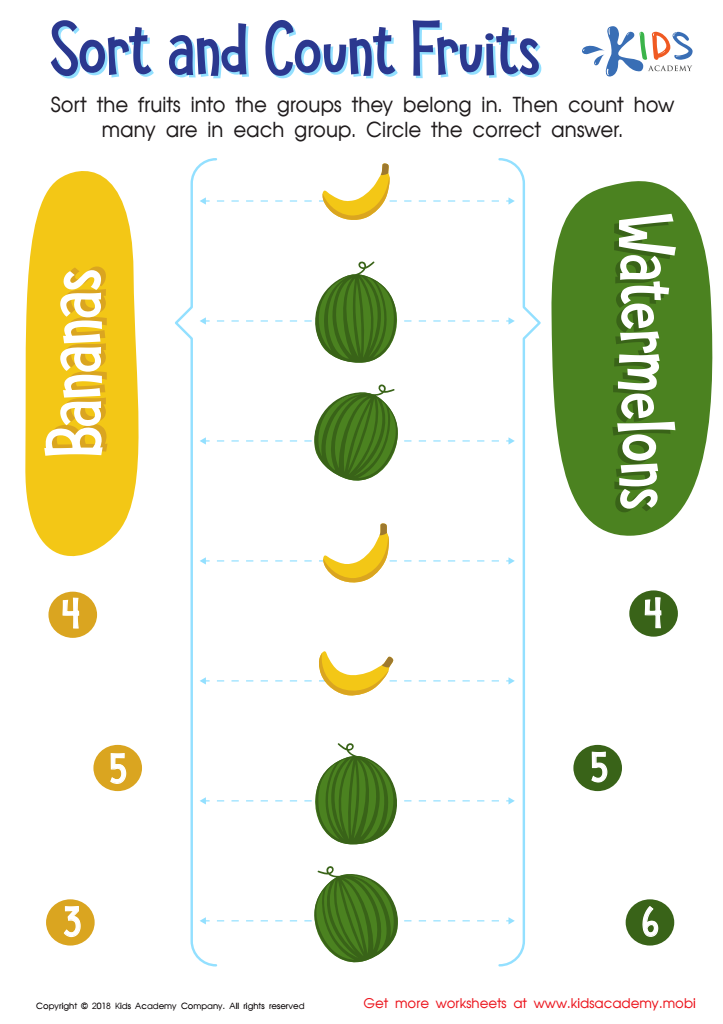
Sort and Count Fruits Worksheet
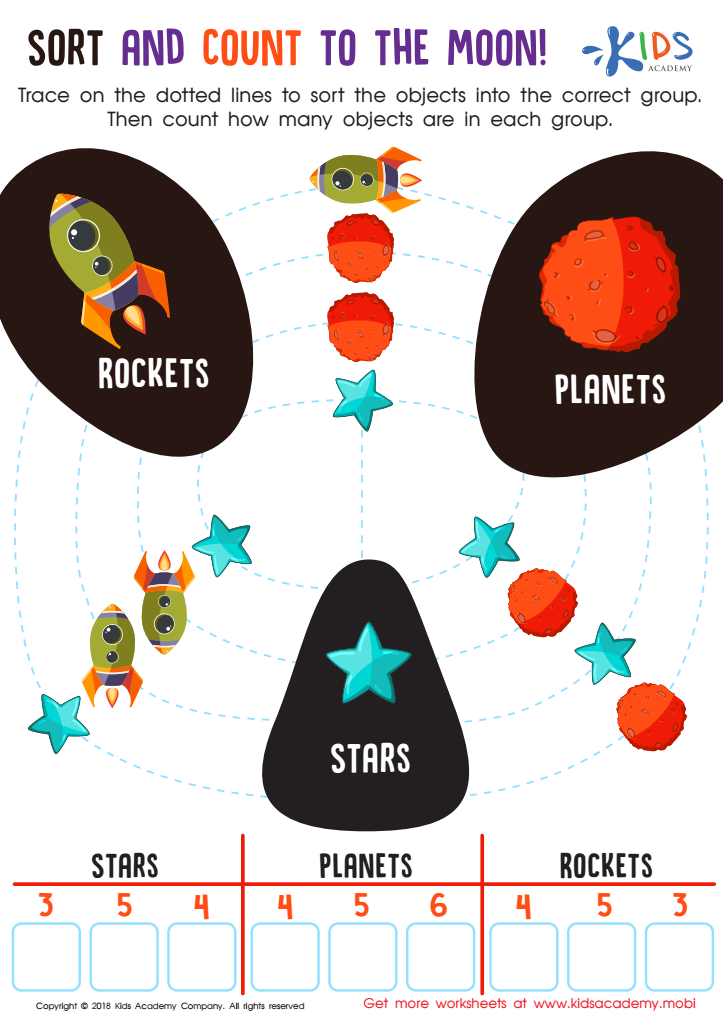
Sort and Count to the Moon Worksheet
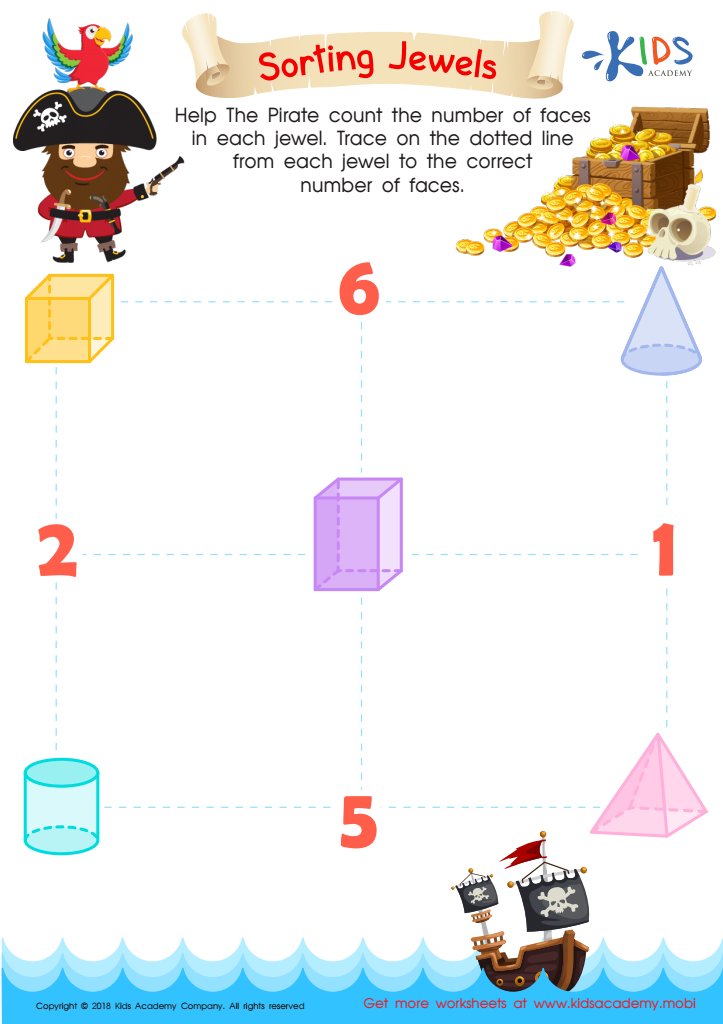
Sorting Jewels Worksheet
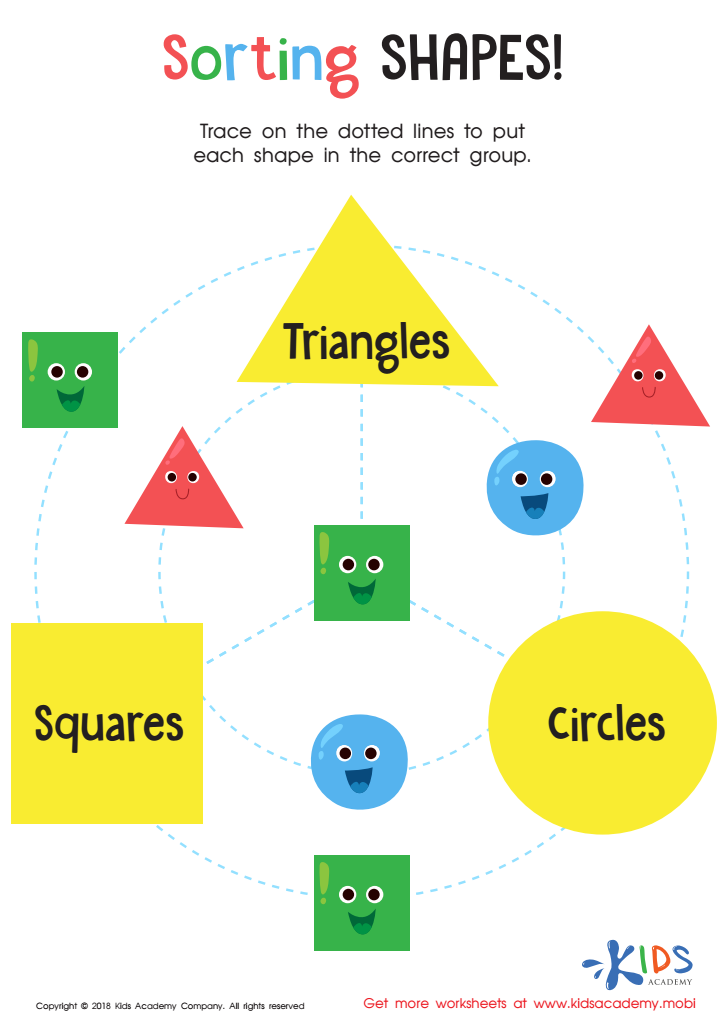
Sorting Shapes - Part 3 Worksheet
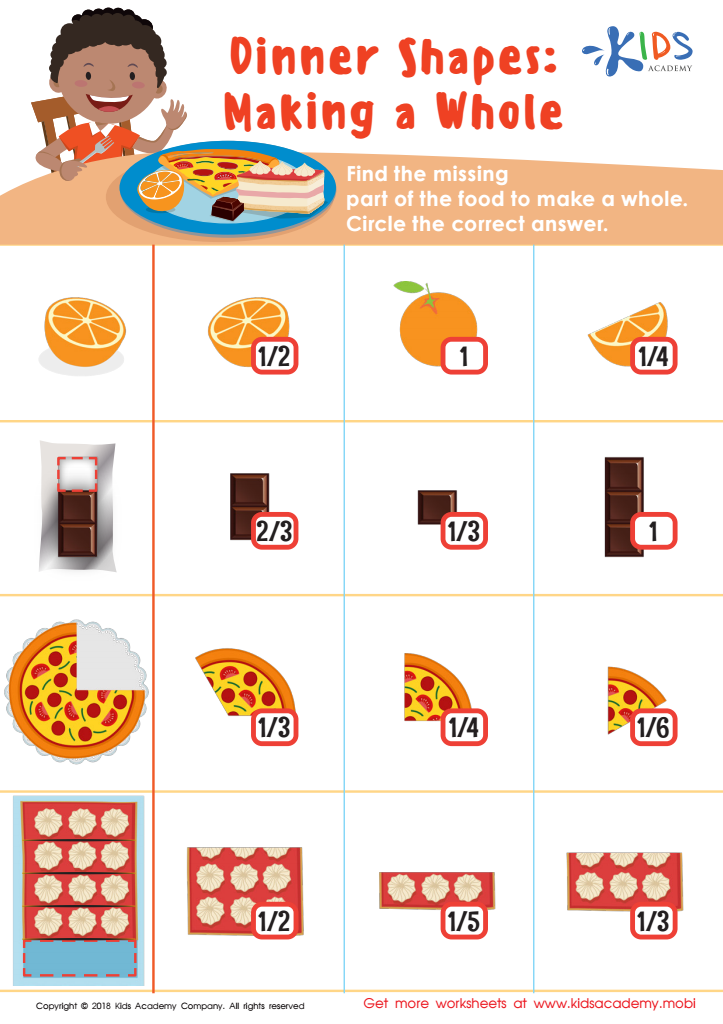
Dinner Shapes: Making a Whole Worksheet
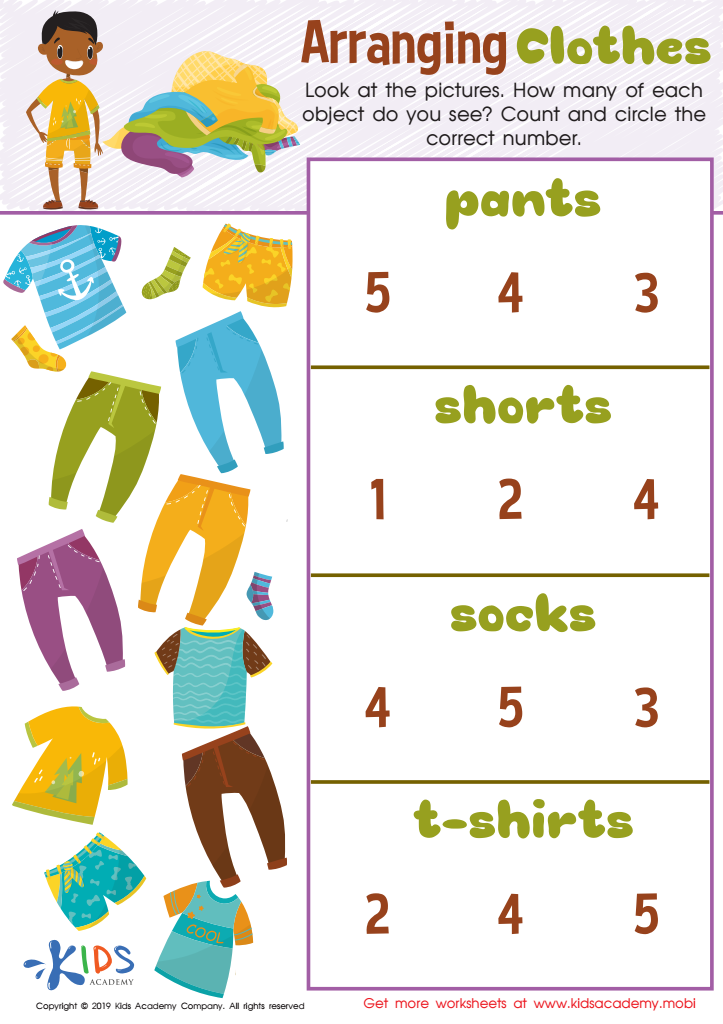
Arranging Clothes Worksheet
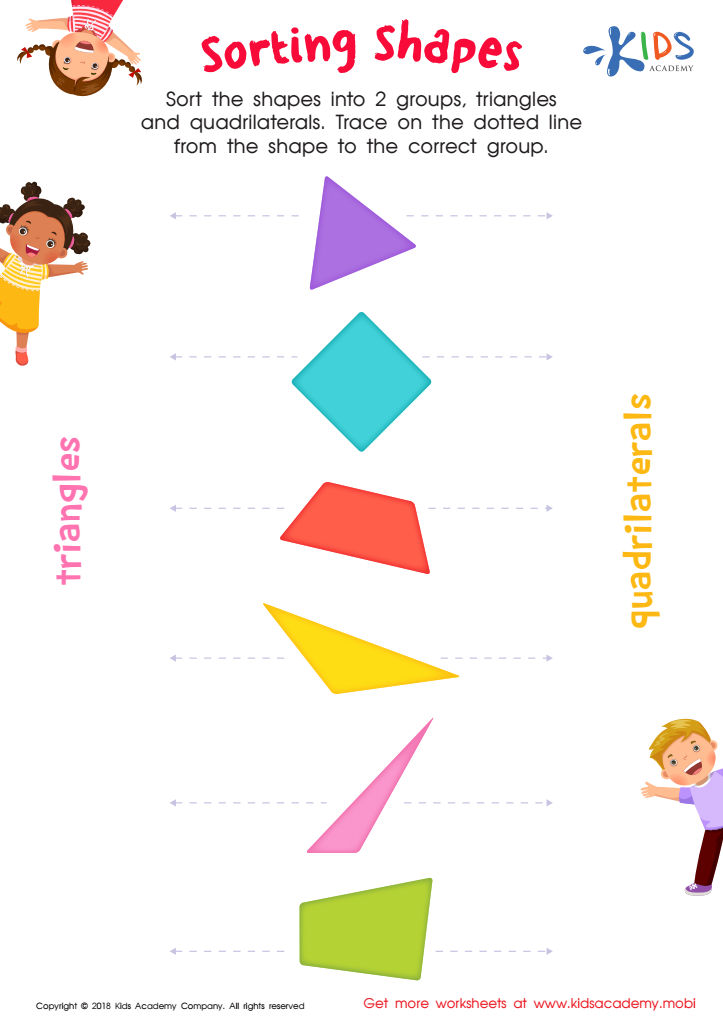
Sorting Shapes Worksheet
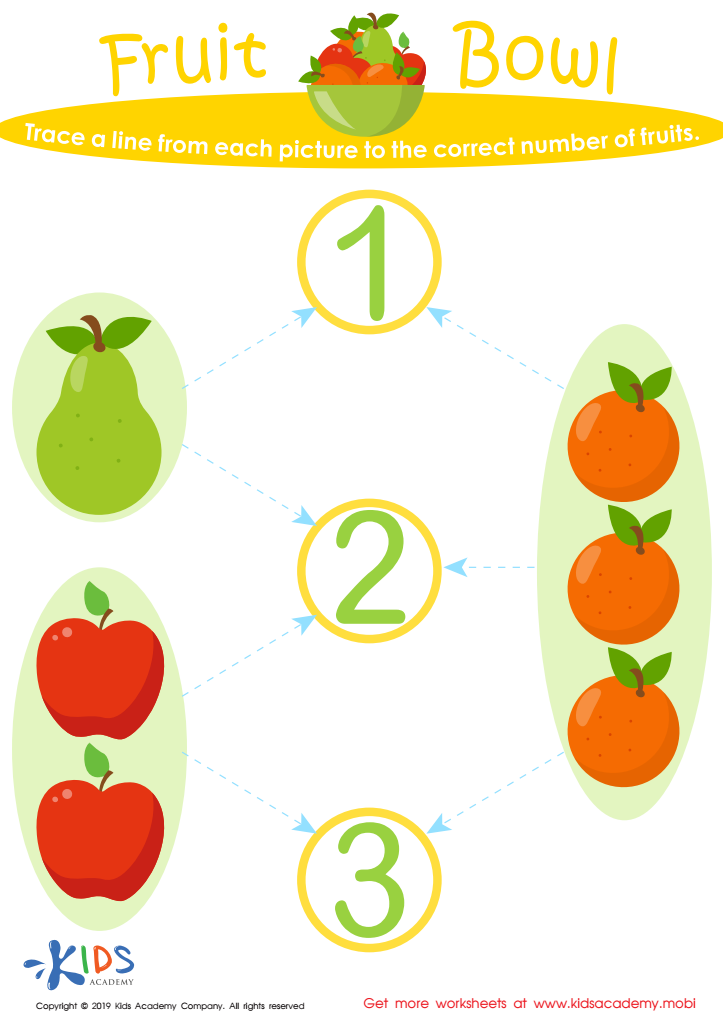
Fruit Bowl Worksheet
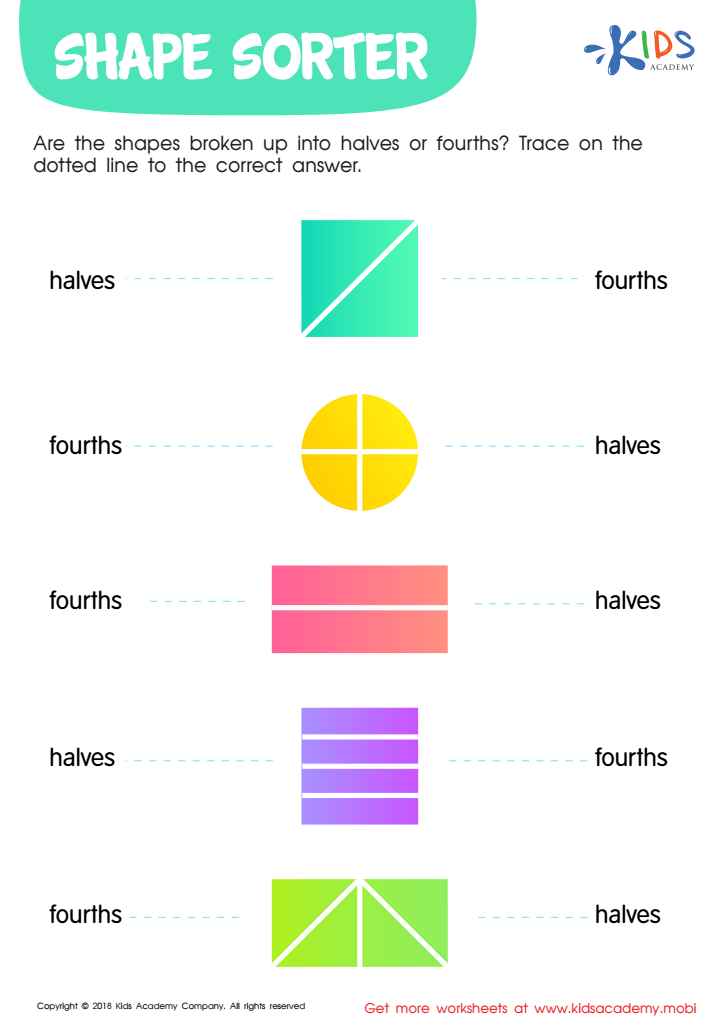
Shape Sorter Worksheet
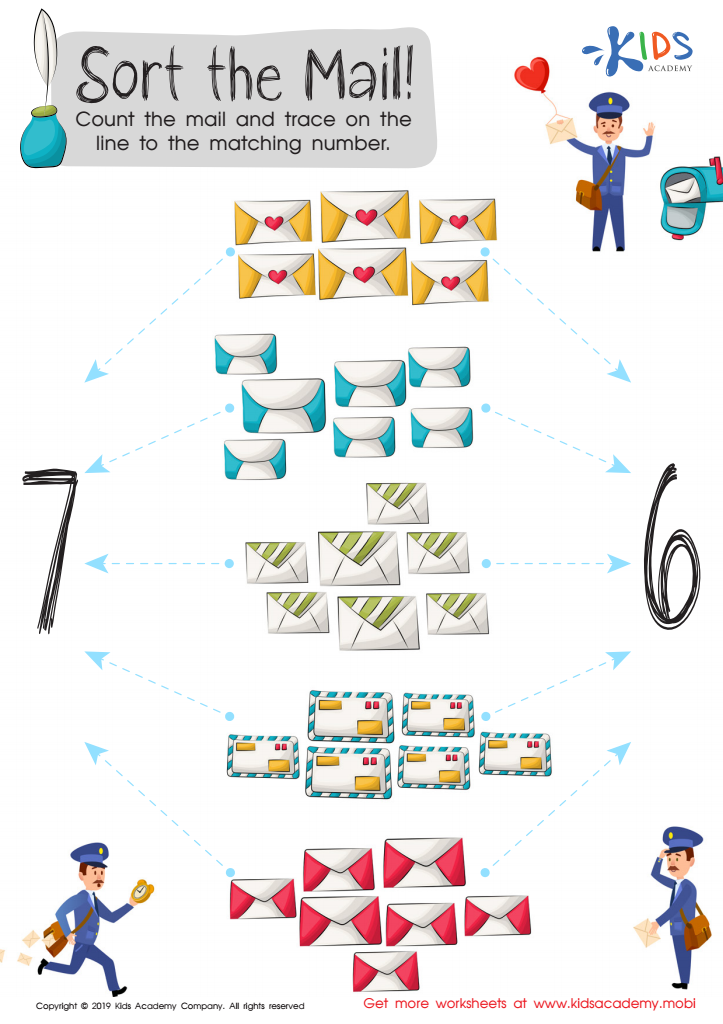
Sort the Mail Worksheet
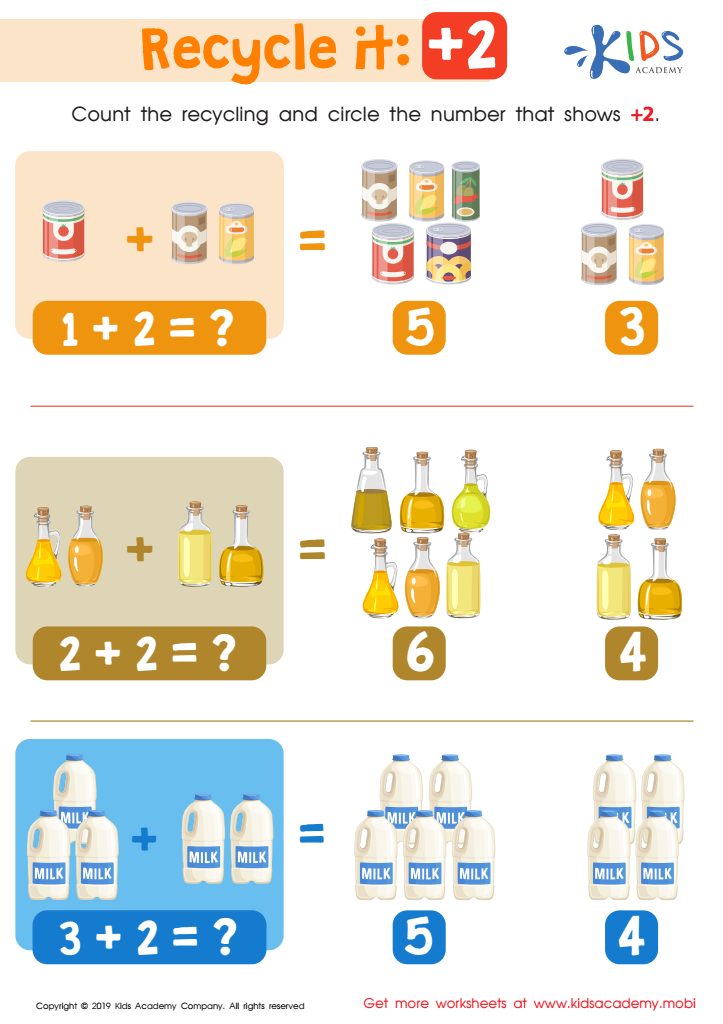
Recycle It: +2 Worksheet
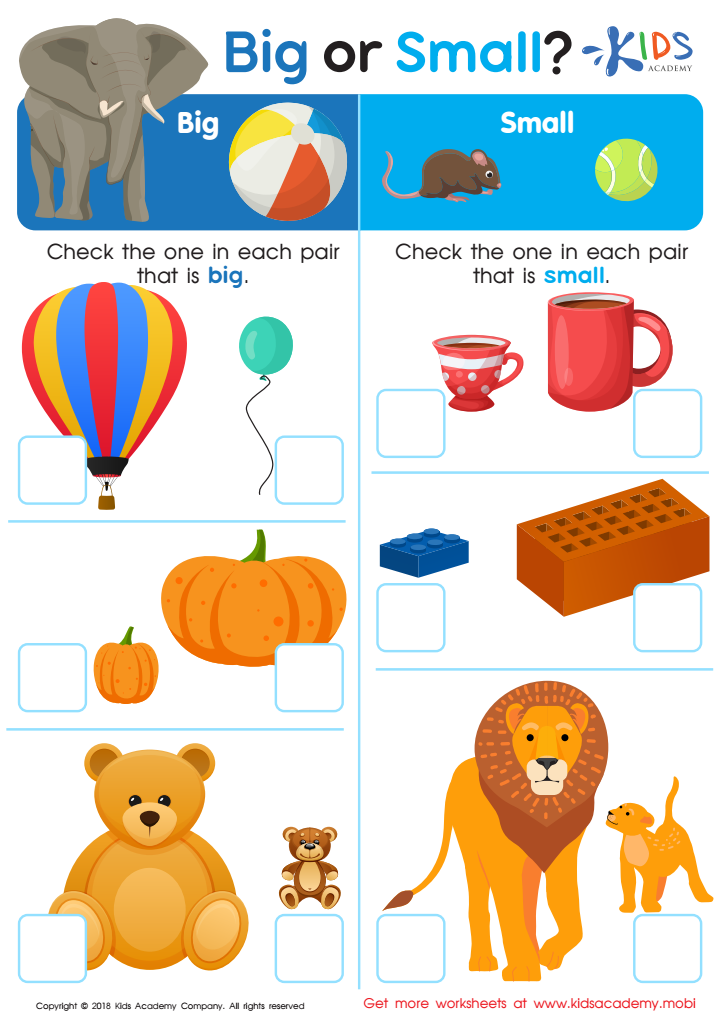
Big or Small? Worksheet







Sorting skills are fundamental for children ages 6-8 as they lay the groundwork for more complex cognitive abilities. At this developmental stage, children begin to enhance their critical thinking and organizational skills, which are essential for academic success and daily life.
Sorting helps children discover categorization, a crucial aspect of math, science, and language skills. When children classify objects or concepts—whether by size, color, shape, or function—they develop their ability to identify similarities and differences, fostering analytical thinking. This skill becomes invaluable, providing a foundation for problem-solving and decision-making processes.
Moreover, sorting promotes fine motor skills as children handle objects, boosting their dexterity and hand-eye coordination. Socially, sorting activities can be collaborative, teaching teamwork and communication.
Additionally, understanding sorting lays the groundwork for later mathematics concepts, such as grouping and organizing data, making it significant for subjects like geometry and statistics.
Ultimately, teachers and parents should prioritize sorting skills not only for their immediate educational benefits but also because they cultivate critical life skills—facilitating better organization, improved problem-solving abilities, and stronger cognitive development as children navigate their learning environments. This foundational skill strengthens not just academic performance but overall lifelong learning capacity.








