Text interpretation Worksheets for Ages 6-8
3 filtered results
-
From - To
Explore our engaging Text Interpretation Worksheets designed specifically for children aged 6-8! These carefully crafted activities help young learners enhance their reading comprehension skills through fun and challenging exercises. Each worksheet focuses on key elements such as main ideas, context clues, and vocabulary, making it easier for kids to grasp the essence of stories and texts. Ideal for home or classroom use, our worksheets promote critical thinking and encourage a love for reading. With a variety of themes and topics, students will find endless opportunities to practice and improve their interpretation skills. Start making reading enjoyable and effective today!
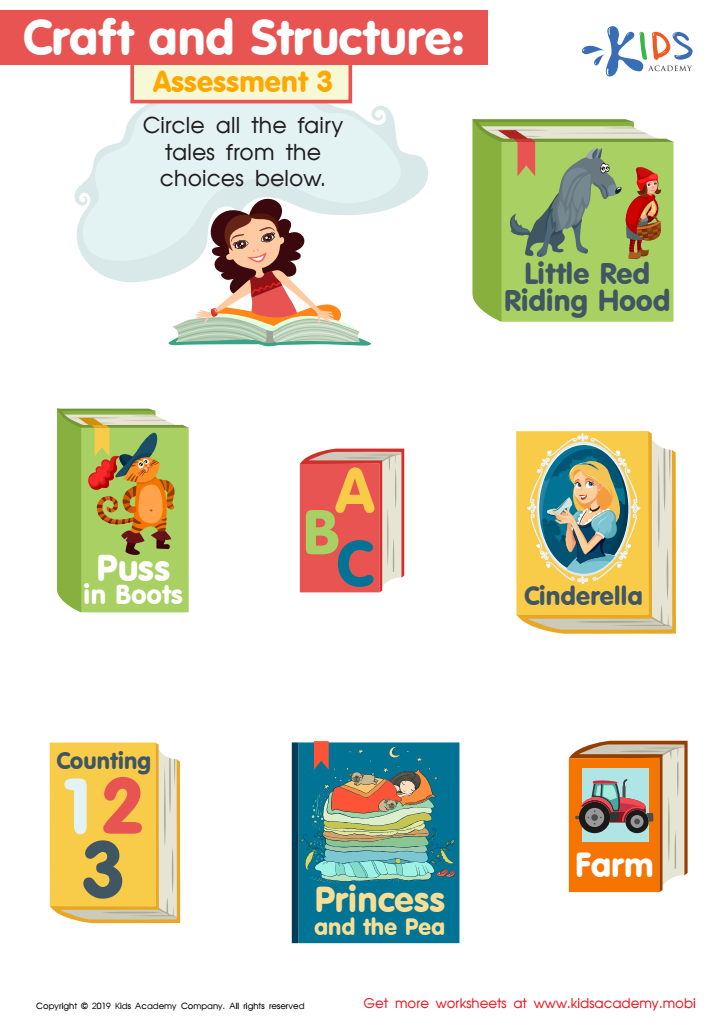
Craft and Structure: Assessment 3 Worksheet
 Assign to My Students
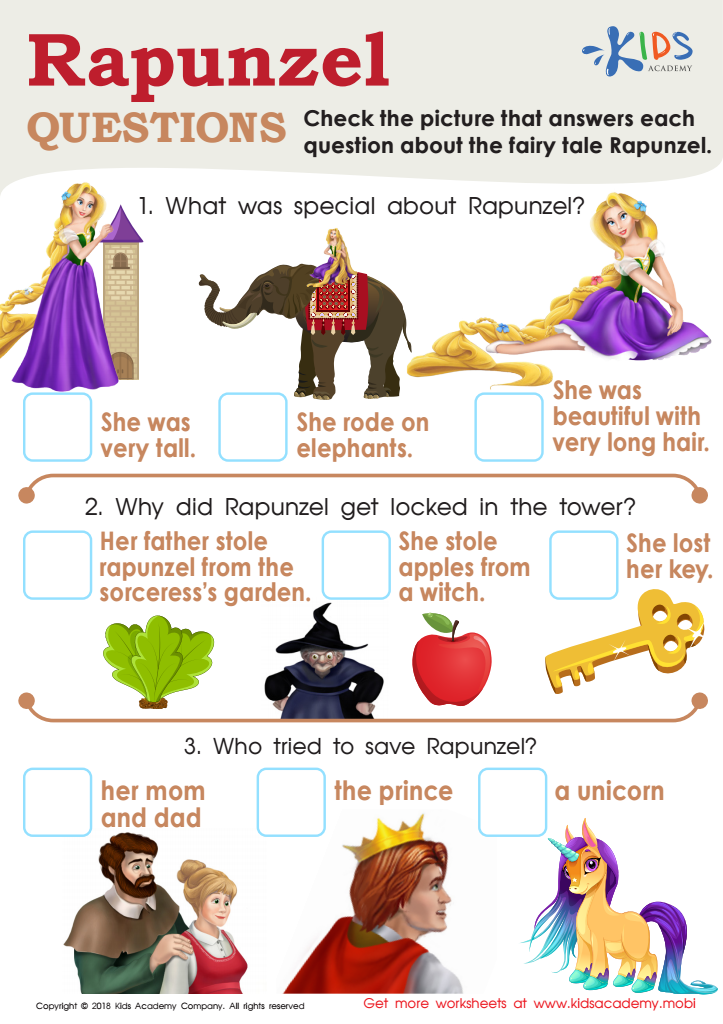
Rapunzel Questions Worksheet
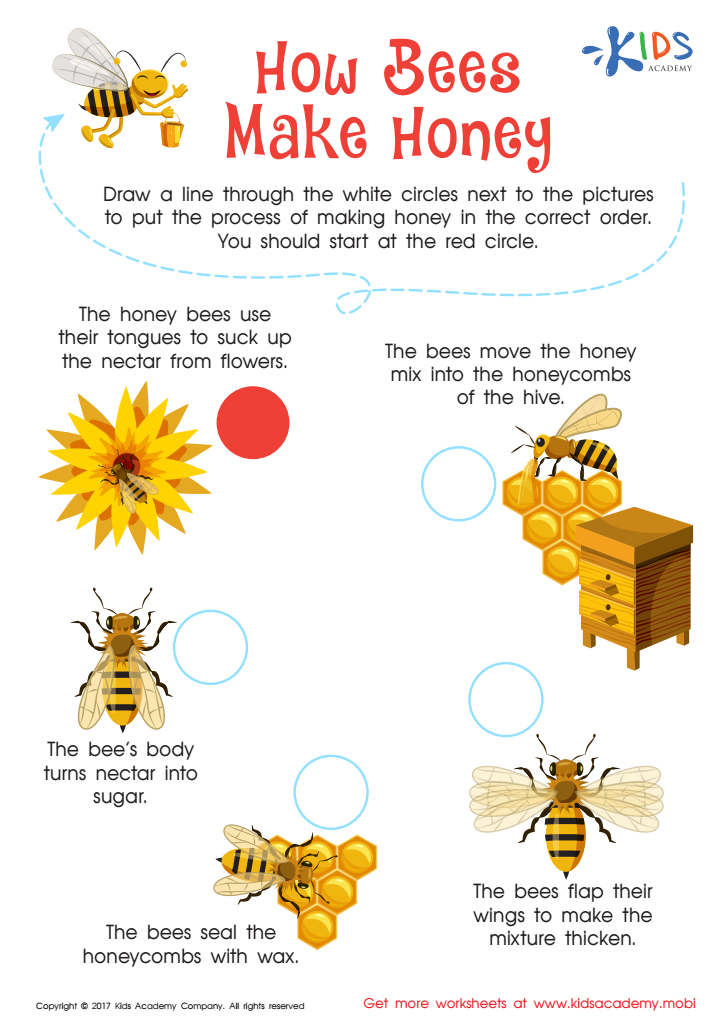
Honey Bee Worksheet







Text interpretation is crucial for children aged 6-8 as it lays the foundation for their reading and comprehension skills, which are essential for academic success and lifelong learning. At this stage, children transition from learning to read to reading to learn. Understanding texts goes beyond simply recognizing words; it involves grasping meaning, inferring, and connecting ideas.
When parents and teachers emphasize text interpretation, children develop critical thinking skills that aid in their ability to analyze information, make predictions, and draw conclusions. This process enhances vocabulary development and fosters a love for reading, as they learn to engage with different genres and texts.
Furthermore, strong text interpretation skills contribute to improved writing abilities. As children begin to construct their narratives, they can draw on diverse literary techniques they have encountered in their reading.
Moreover, supporting text interpretation also encourages emotional intelligence—children learn to relate to characters, understand various perspectives, and explore complex themes, nurturing empathy and social awareness. By prioritizing text interpretation, parents and teachers equip children with the tools necessary to thrive academically and develop a well-rounded perspective on the world around them.








