Tracing practice Worksheets for Ages 6-8
3 filtered results
-
From - To
Discover a world of fun learning with our Tracing Practice Worksheets for Ages 6-8! These engaging worksheets are designed to enhance fine motor skills, improve handwriting, and boost confidence in young learners. With a variety of exercises, kids will enjoy tracing letters, numbers, shapes, and animals, making each practice session enjoyable and educational. Our printable PDFs cater to different skill levels, ensuring that every child finds the perfect challenge. Ideal for homeschooling, classroom activities, or supplemental practice, our tracing worksheets provide structured yet enjoyable learning experiences. Start nurturing your child's writing skills today with these valuable resources!
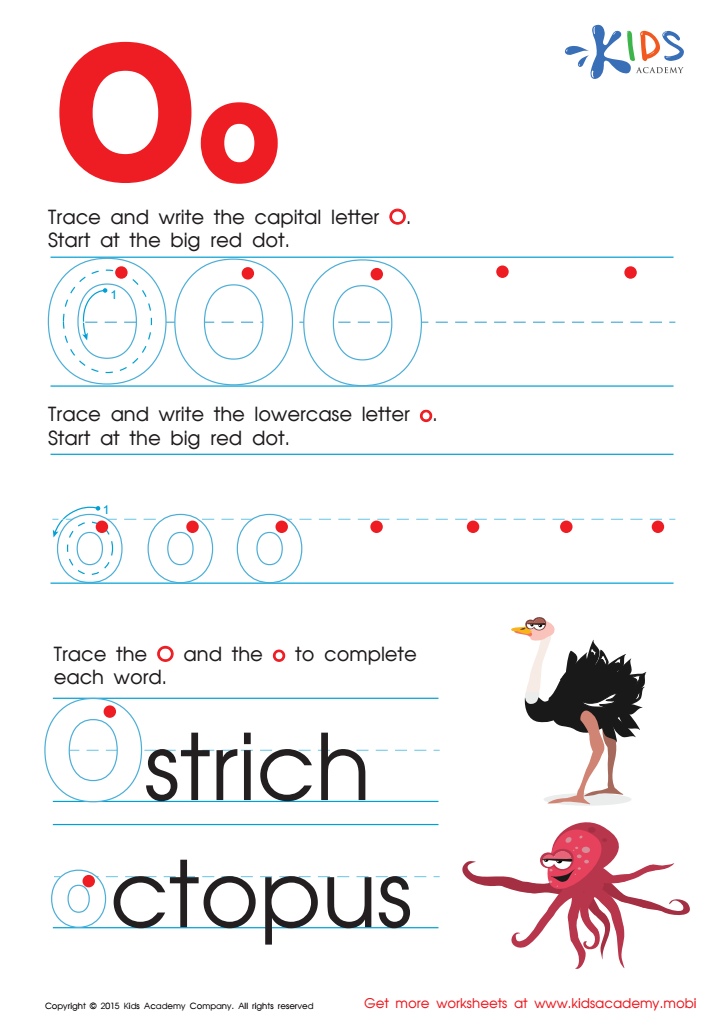
Letter O Tracing Page
 Assign to My Students
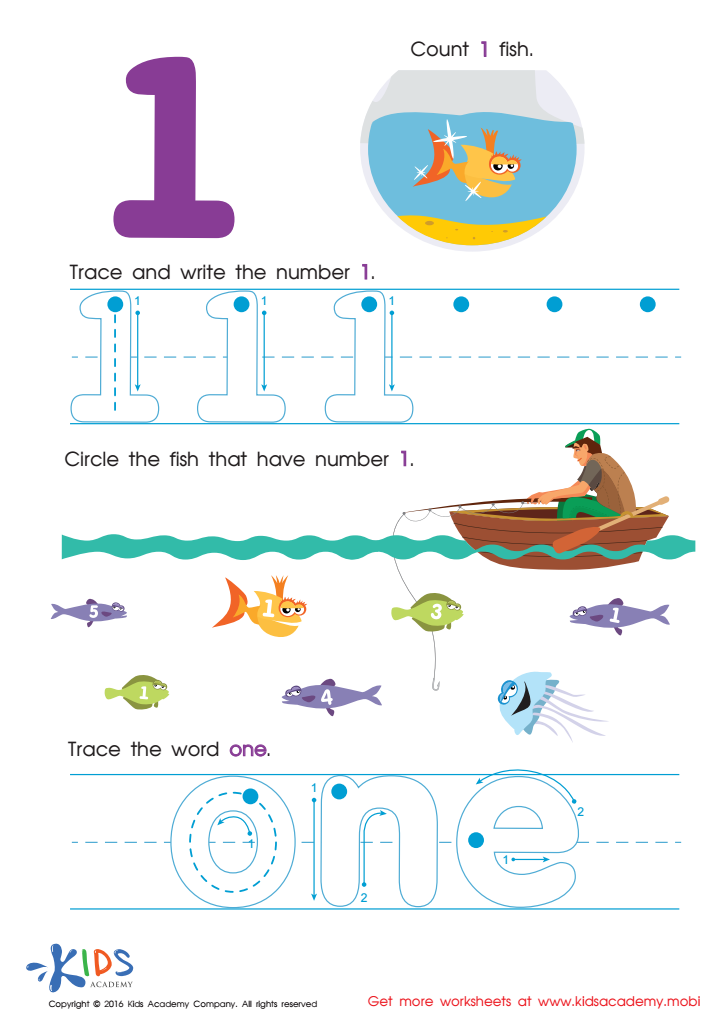
Learning to Write 1 Worksheet
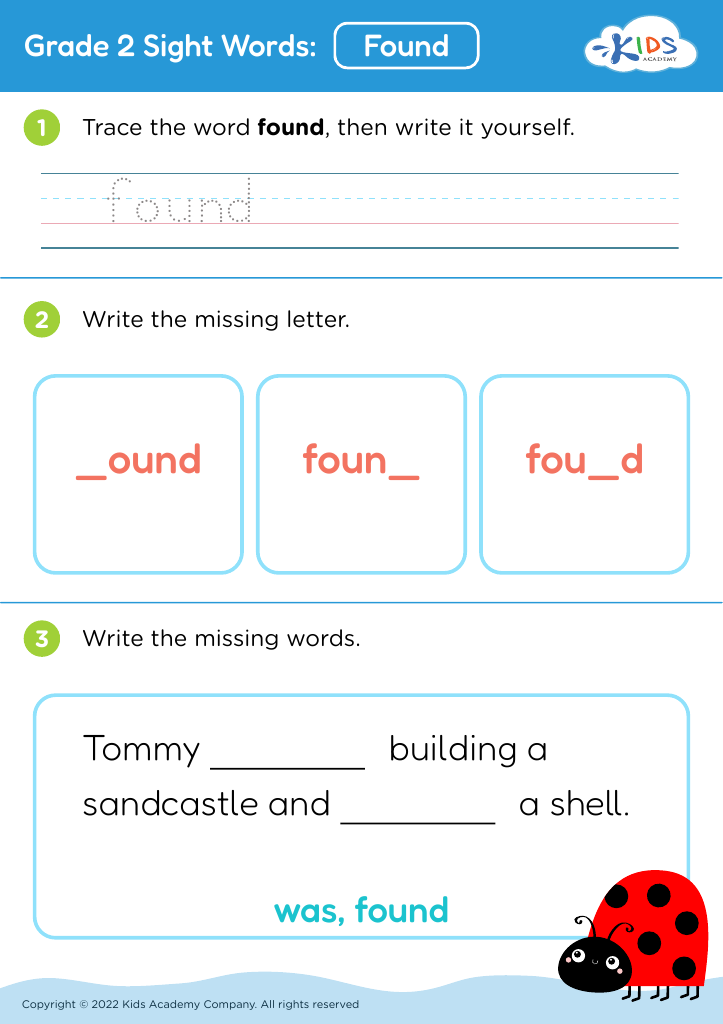








Tracing practice is a crucial developmental activity for children aged 6 to 8, often overlooked in favor of more advanced skills. During this period, students are refining their fine motor skills, which are essential for tasks like writing, drawing, and everyday tasks. Tracing helps improve hand-eye coordination and provides a practical approach to understanding shapes, letters, and numbers.
For parents and teachers, supporting tracing practice promotes both confidence and competency. As children trace letters or shapes, they learn proper letter formation, spacing, and basic geometry, laying a strong foundation for future writing and mathematical skills. It encourages focus and patience, fostering a growth mindset as they see their skills improve over time.
Additionally, tracing activities can be adaptable and fun, often incorporating themes that captivate young learners, making them more engaged. By emphasizing tracing practice, parents and teachers create an environment that nurtures cognitive and physical development, ultimately enhancing academic performance while building a child's self-esteem. In a world increasingly dependent on communication and literacy, tracing practices are essential steps in preparing children for their educational journey. Engaging in tracing at home or in the classroom is a simple yet effective way to support and encourage young learners.








