
Understanding directions Worksheets for Ages 6-8
13 filtered results
Difficulty Level
Grade
Age
-
From - To
Subject
Activity
Standards
Discover our engaging "Understanding Directions Worksheets" designed specifically for children ages 6-8. These worksheets aim to enhance children's comprehension of directional vocabulary and skills, laying a strong foundation for critical thinking and problem-solving. Through fun activities, kids will learn to interpret instructions and follow directional prompts, improving their ability to navigate both academic tasks and everyday situations. Ideal for home or classroom use, these resources are structured to foster independence, boost confidence, and encourage active learning. Help your child confidently understand and follow directions with our thoughtfully crafted worksheets! Explore our collection today to get started!
Favorites
With answer key
Interactive
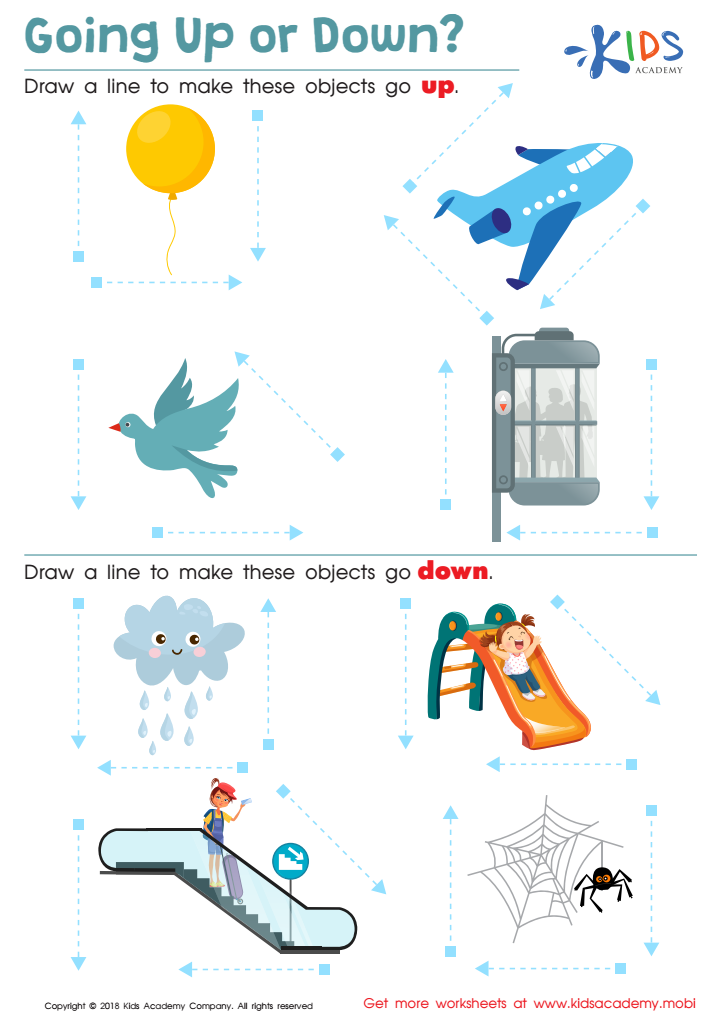
Going up or Down? Worksheet
Young students learn the concept of up and down with this geometry worksheet. They trace lines to identify relative positioning as an object travels. Kids can use position words to describe an object's movement, enhancing their spatial relationship skills - an important geometry foundation.
 Assign to My Students
Going up or Down? Worksheet
Worksheet
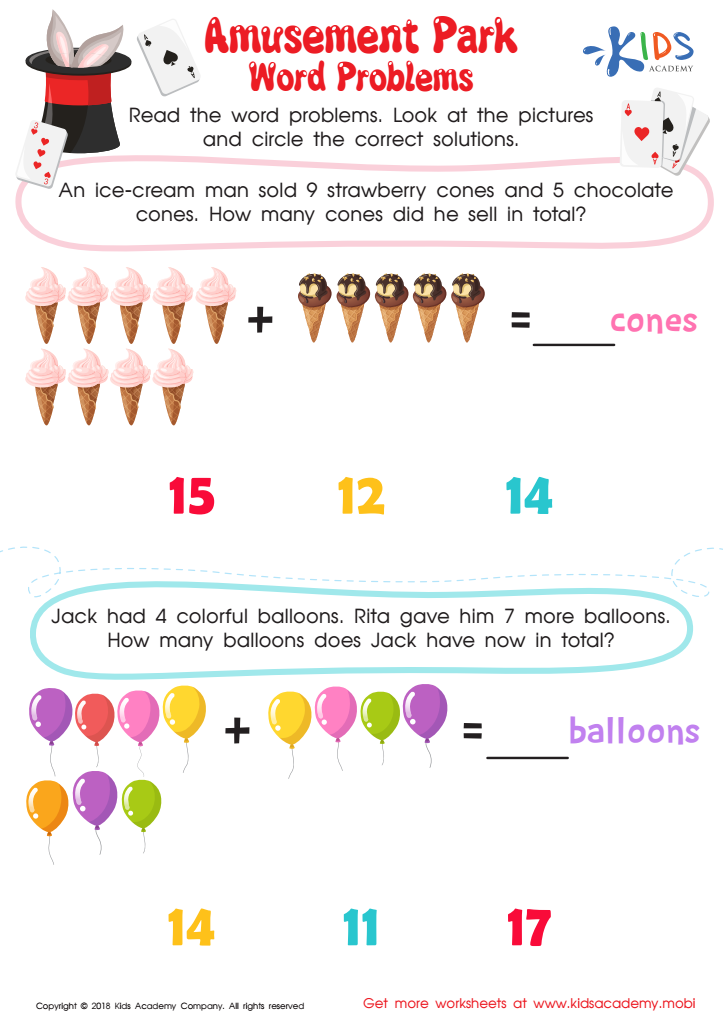
Amusement Park Word Problems Worksheet
Engage kids with math by making it realistic and incorporating manipulatives or pics they like! This worksheet helps kids understand word problems. Read the problem, note numbers and key phrases like "in total," then count the pics to find the total!
Amusement Park Word Problems Worksheet
Worksheet
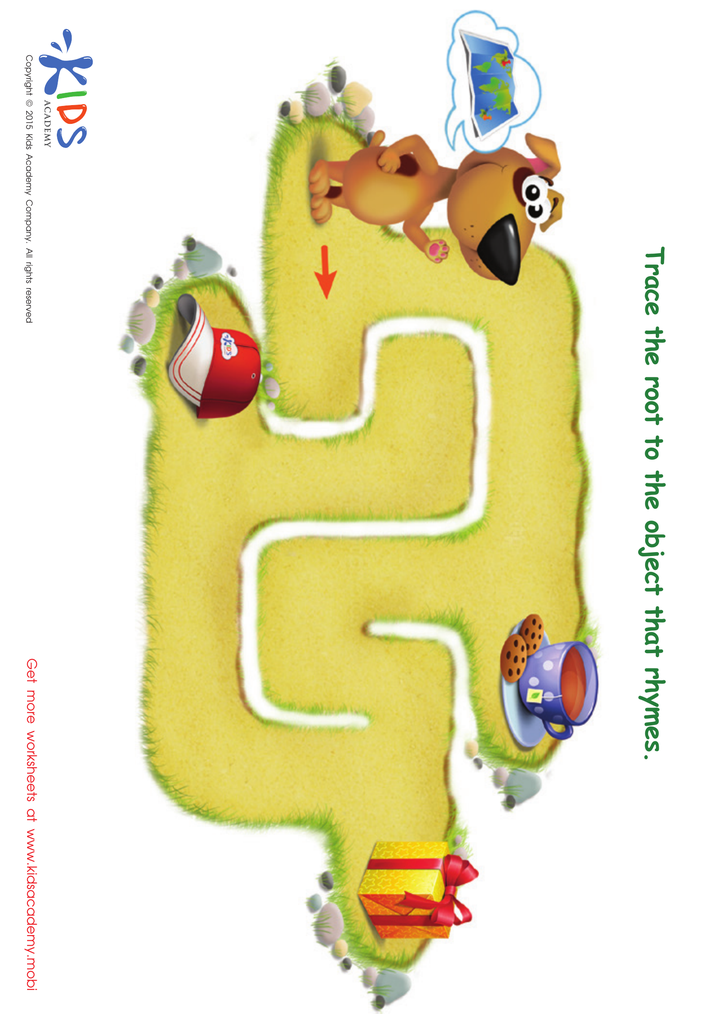
Map Rhyming Words Worksheet
Get them now and practice your skills while having fun playing. Find words that rhyme, trace the roots and enjoy the journey!
Map Rhyming Words Worksheet
Worksheet
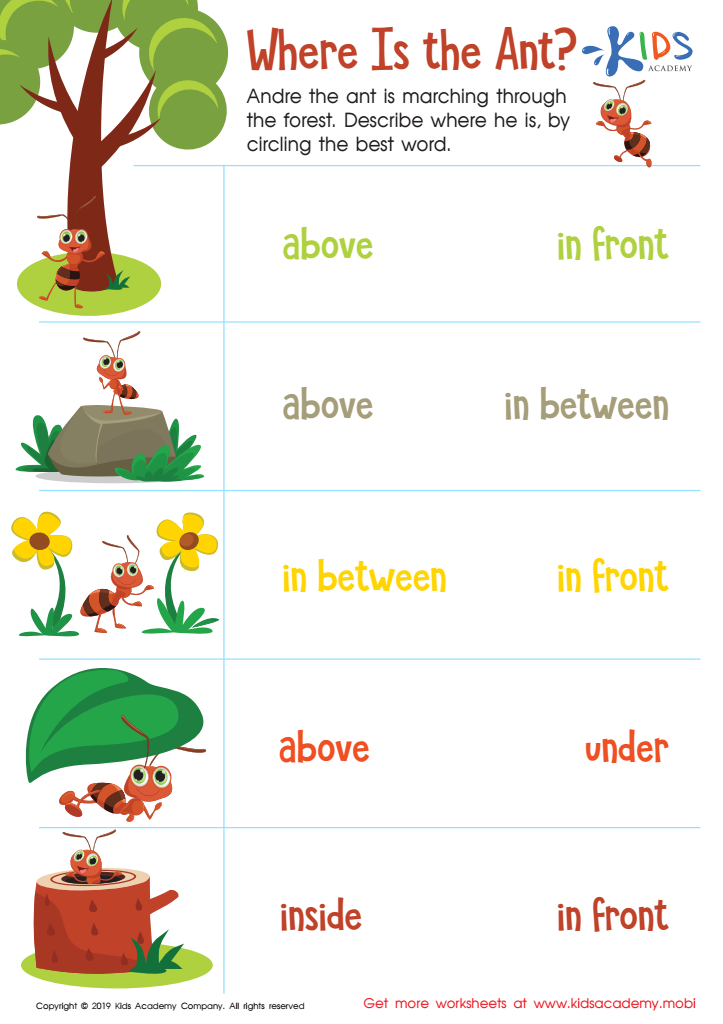
Where Is the Ant? Worksheet
Kids are captivated by ants. Andre is a busy ant, marching through the forest. Help your child circle the best word that best describes what he's doing in each picture. This colorful printout will show them the way.
Where Is the Ant? Worksheet
Worksheet
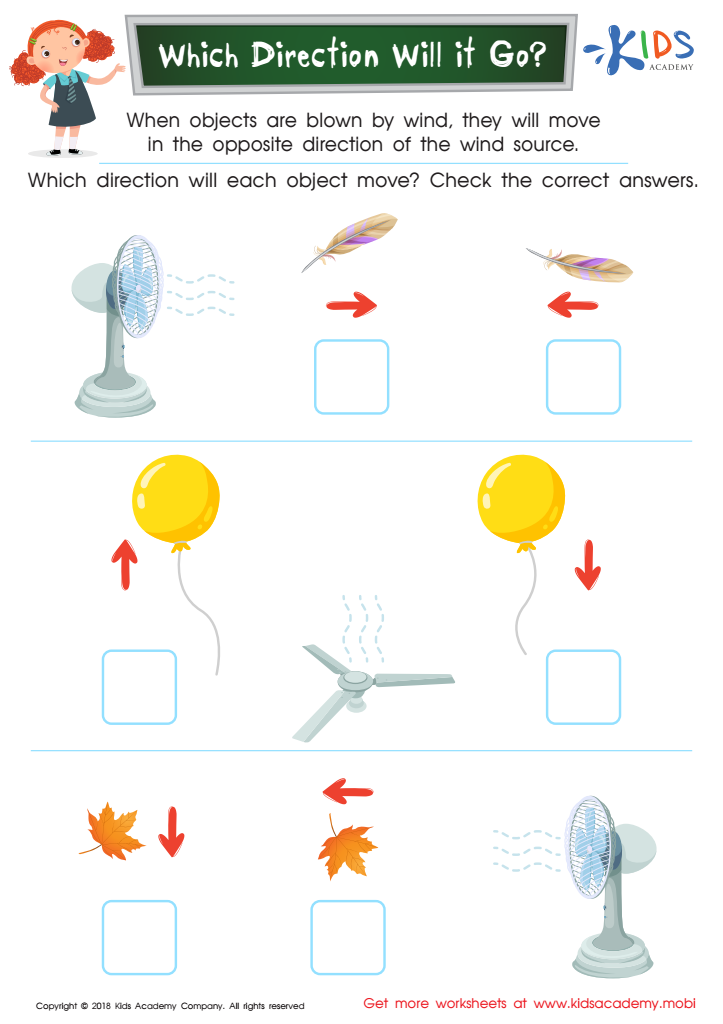
Which Direction Will it Go? Worksheet
Explain to your students: when objects are blown by wind, they will move in the opposite direction. In the worksheet, there are pictures of wind sources and objects being blown by the wind. Ask your child to identify and check the direction each object will move.
Which Direction Will it Go? Worksheet
Worksheet
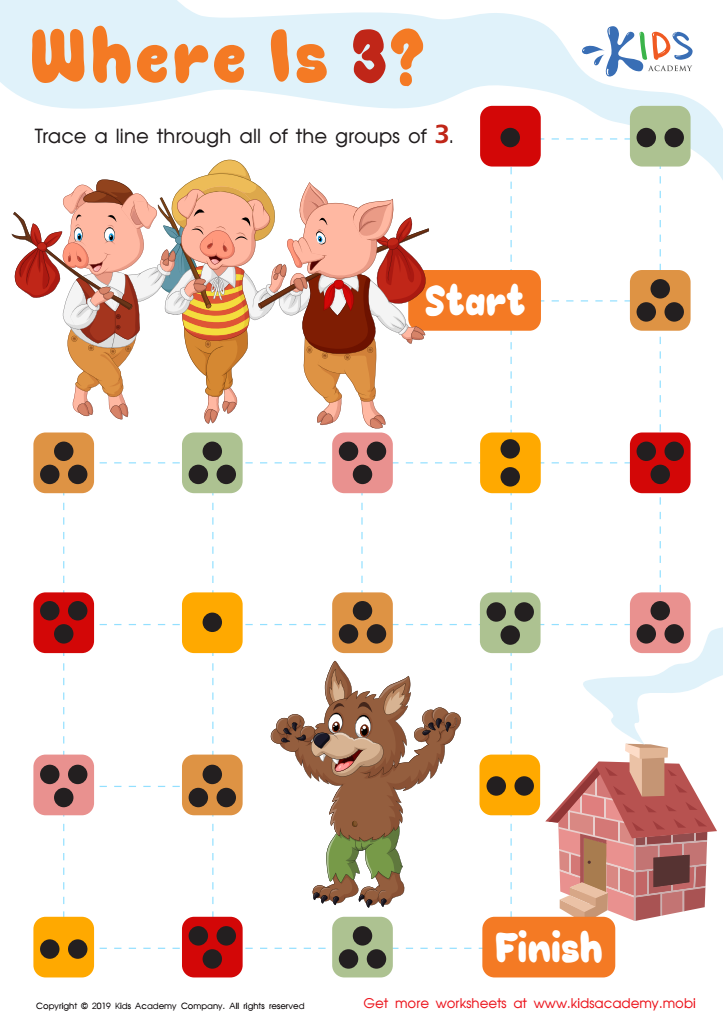
Where Is 3? Worksheet
Let your little mathematician join the Three Little Pigs on an adventure! With this free worksheet, they'll guide the pigs through a maze of numbered bricks, using one-to-one representation to get to the sturdy house. Have fun helping the piggy friends past the wolf!
Where Is 3? Worksheet
Worksheet
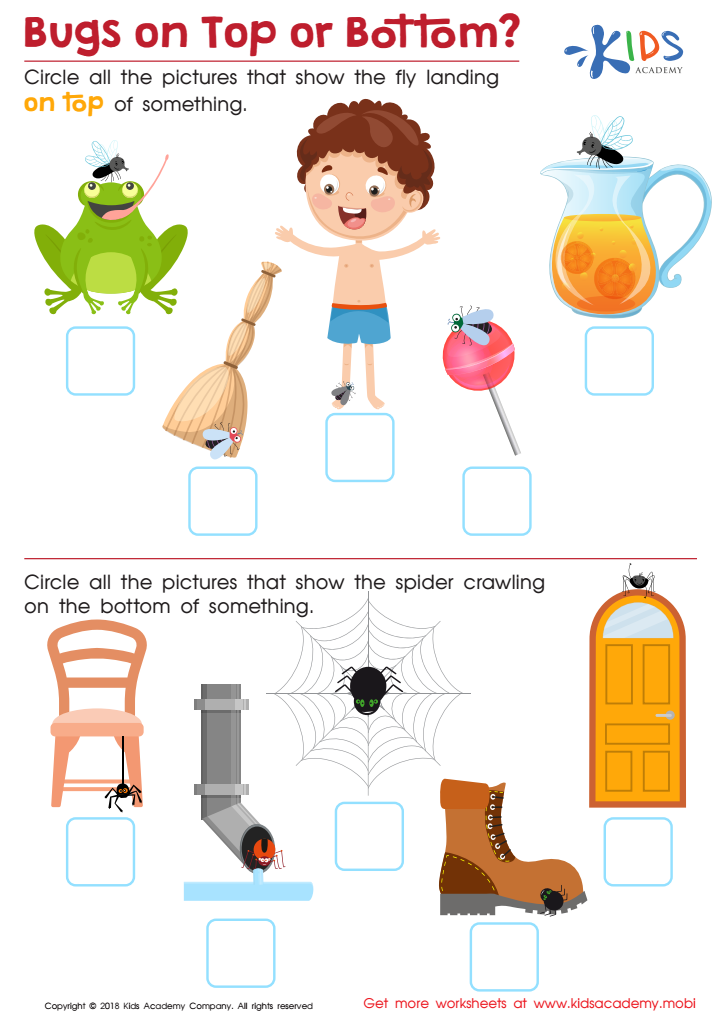
Bugs on Top or Bottom? Worksheet
Preschoolers need to learn directional skills such as top and bottom. This PDF worksheet helps them recognize bugs on the top or bottom using fun visuals. It builds their spatial reasoning while teaching prepositional words in an engaging way.
Bugs on Top or Bottom? Worksheet
Worksheet
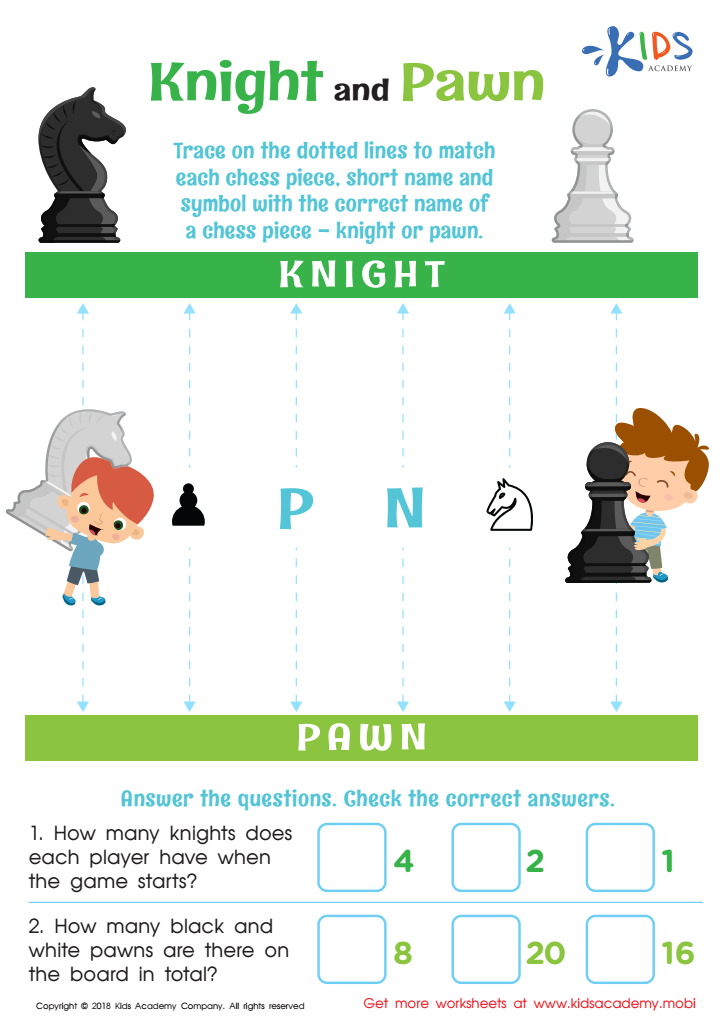
Knight and Pawn Worksheet
This tracing worksheet teaches kids about chess. They trace the dotted lines to match pieces, names and symbols to the correct chess piece. Questions at the bottom test their understanding. It's a simple exercise for a fun way to learn.
Knight and Pawn Worksheet
Worksheet
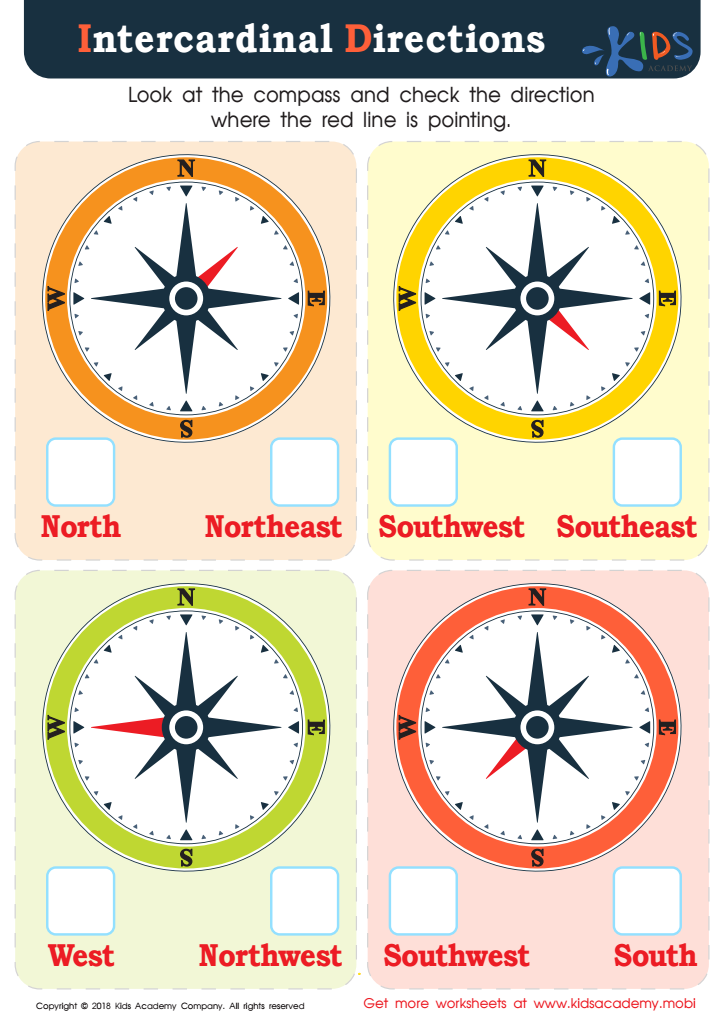
Intercardinal Directions Worksheet
Young students often don't get to practice cardinal and intercardinal directions in the digital age, but it's an important social studies and geography concept to learn. This PDF provides colorful compasses for them to practice with, giving them a real-world skill for common curriculum and independent living.
Intercardinal Directions Worksheet
Worksheet
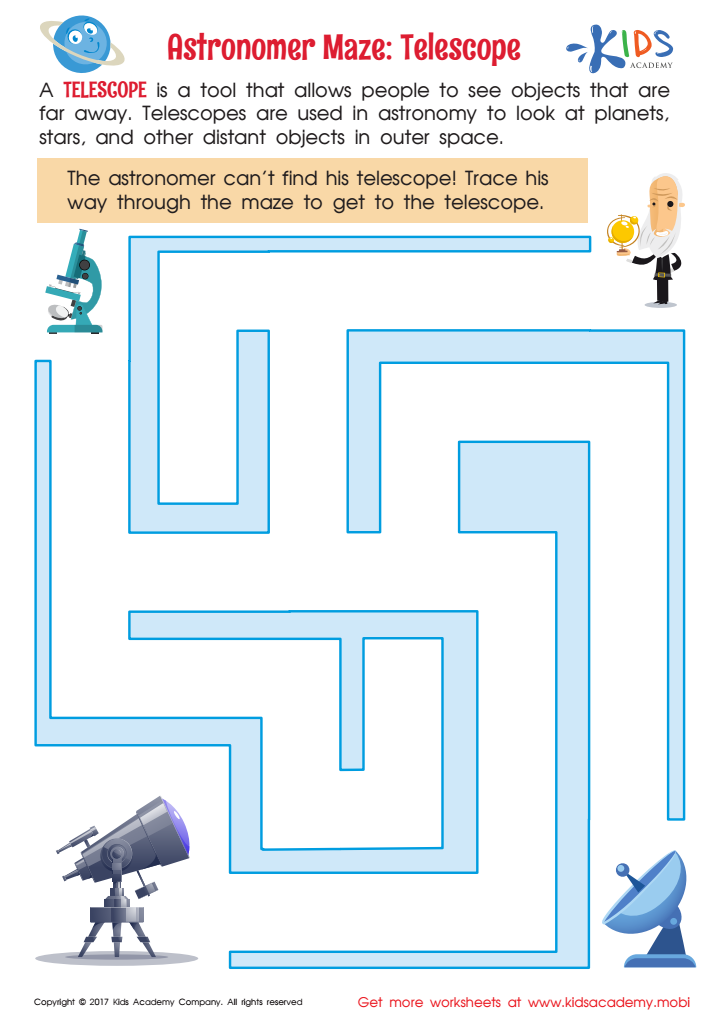
Astronomer Maze: Telescope Worksheet
Let your mini astronomer explore the galaxy with this fun and puzzling space maze worksheet – Telescope! Your child will have a great time navigating the maze, while learning how telescopes help scientists study the stars.
Astronomer Maze: Telescope Worksheet
Worksheet
Join Kids Academy for Free
Who is primarily going to use this learning content?






Understanding directions is a crucial skill for children aged 6-8, as it significantly impacts their academic performance and social development. At this age, children transition from play-based learning to more structured environments, where following directions is essential for completing tasks in the classroom and at home.
When children grasp the concept of directions, they enhance their listening and comprehension skills, which are foundational for literacy and other subjects like math and science. This understanding fosters independence, as kids learn to follow instructions to complete tasks on their own, whether it's solving a math problem or following a recipe.
Moreover, understanding directions encourages critical thinking. Children develop the ability to analyze steps, prioritize tasks, and understand outcomes based on different choices. Socially, following directions is vital for collaboration and teamwork, as children learn to communicate effectively with peers during group activities and games.
Parents and teachers play an important role in enhancing this skill. Active engagement and reinforcement of direction-following through games, activities, and positive feedback promote confidence and motivation in children. Ultimately, fostering this skill equips children for successful interactions both in and out of school, setting the stage for lifelong learning and adaptability.








