Understanding equations Worksheets for Ages 6-8
8 filtered results
-
From - To
Explore our "Understanding Equations Worksheets" designed specifically for children aged 6-8! These engaging worksheets offer a delightful way for young learners to grasp the fundamentals of equations and mathematical concepts. Featuring colorful illustrations and age-appropriate problems, your child will build confidence while having fun. Our resources focus on essential skills such as recognizing simple equations, balancing sides, and solving basic problems. Tailored to meet the developmental needs of early learners, these worksheets promote critical thinking and reinforce comprehension through interactive learning. Enrich your child’s mathematical journey today with our carefully crafted items that make learning both effective and enjoyable!
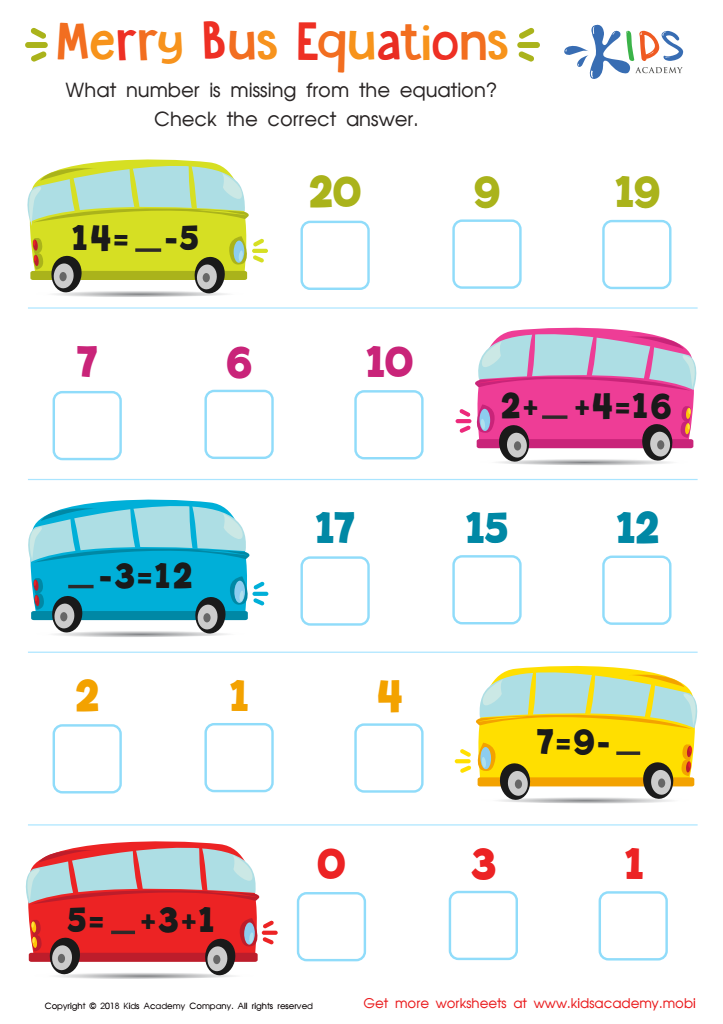
Merry Bus Equations Worksheet
 Assign to My Students
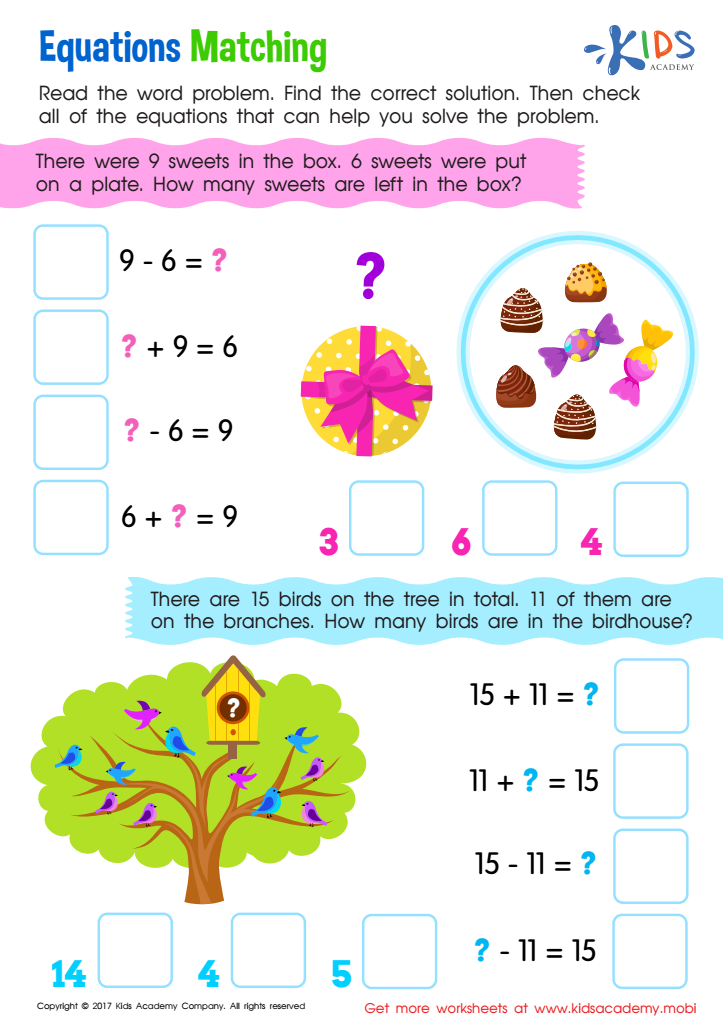
Equations Matching Word Problems Worksheet
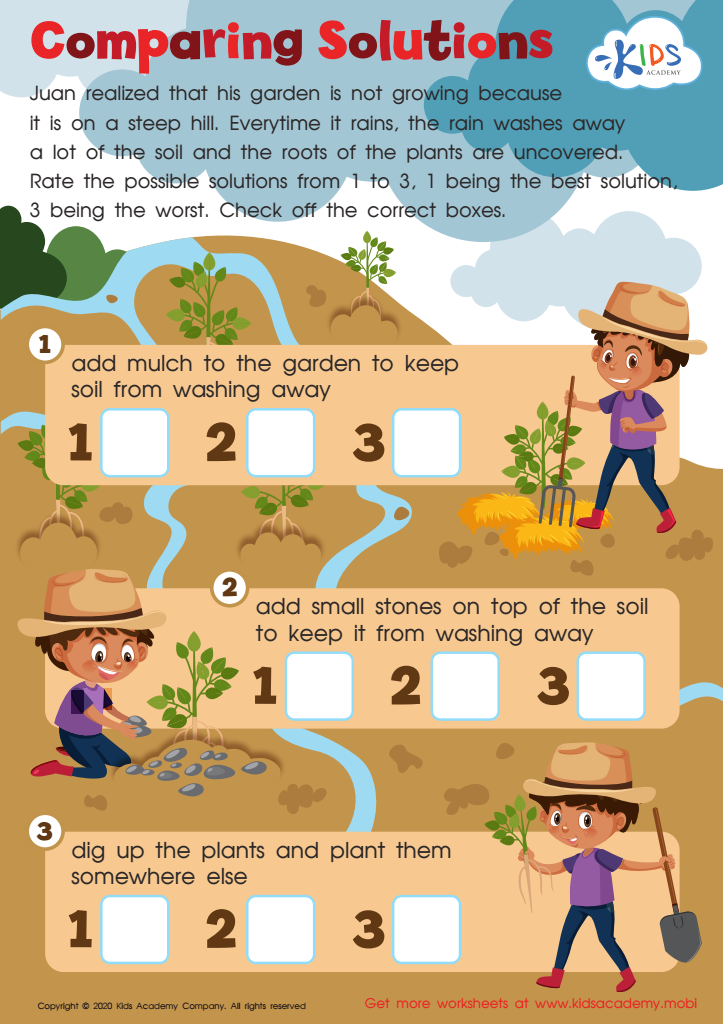
Comparing Solutions Worksheet
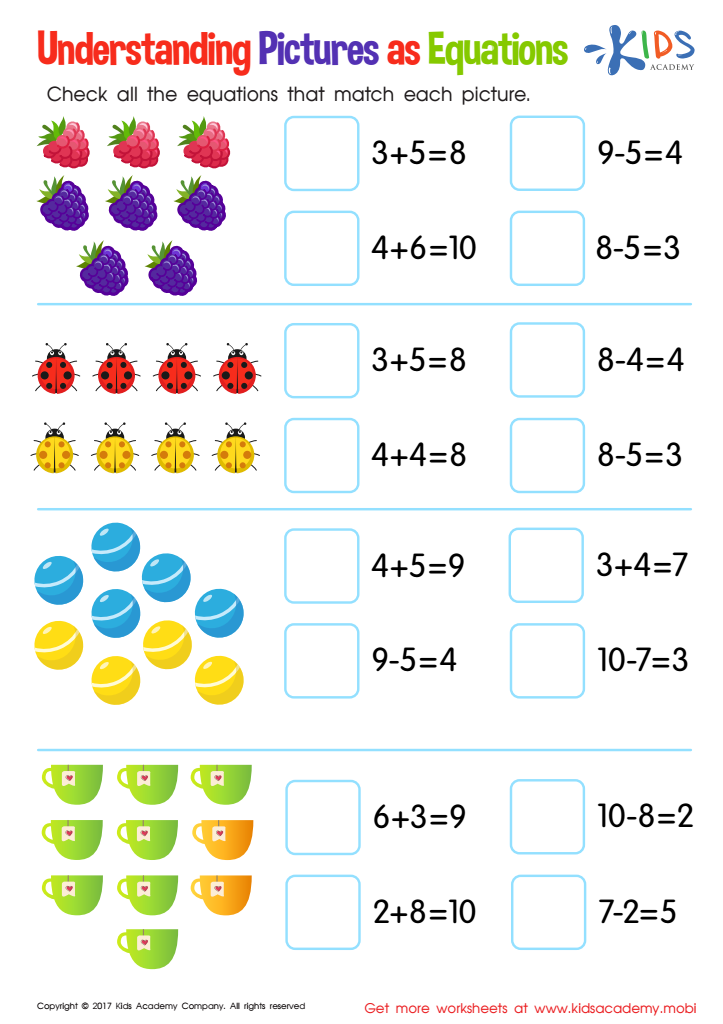
Understanding Pictures as Equations Worksheet
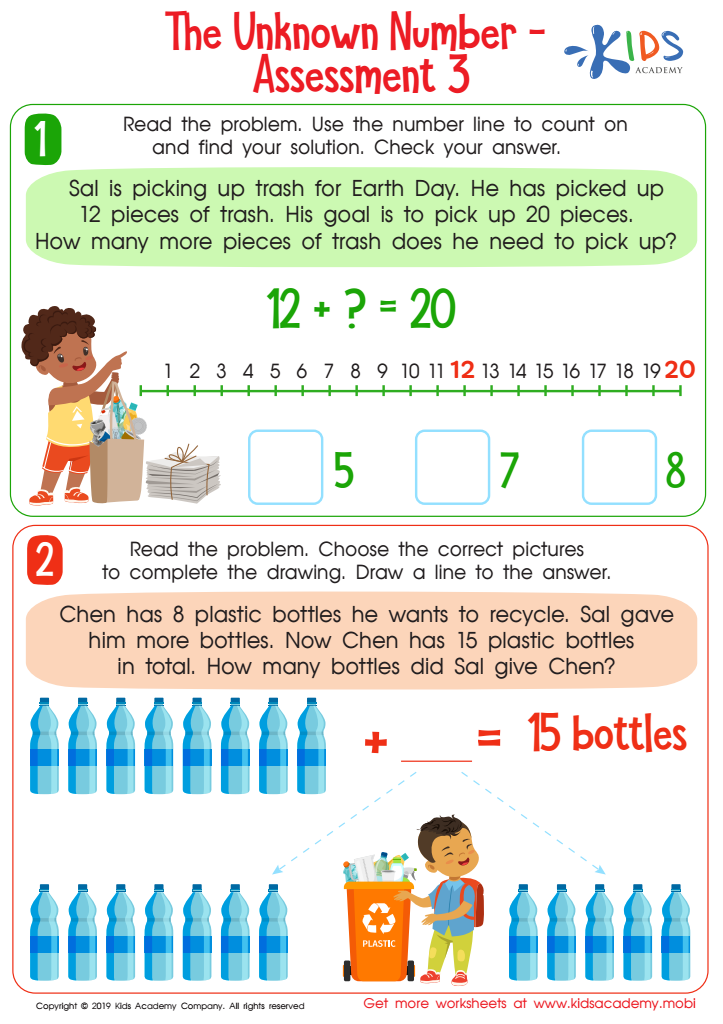
The Unknown Number - Assessment 3 Worksheet
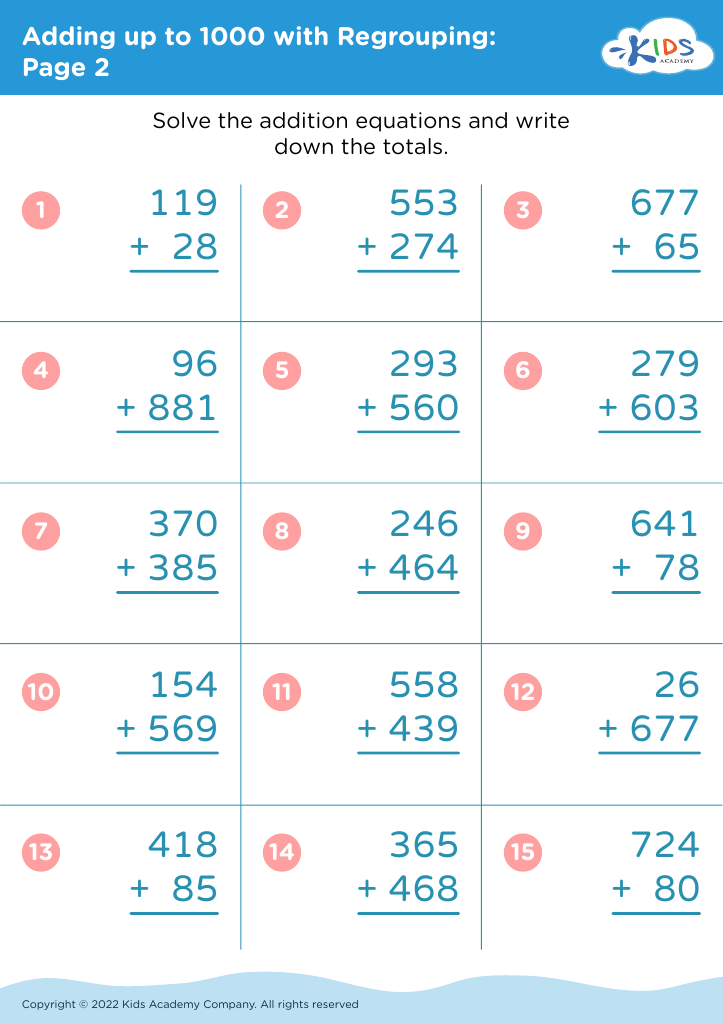
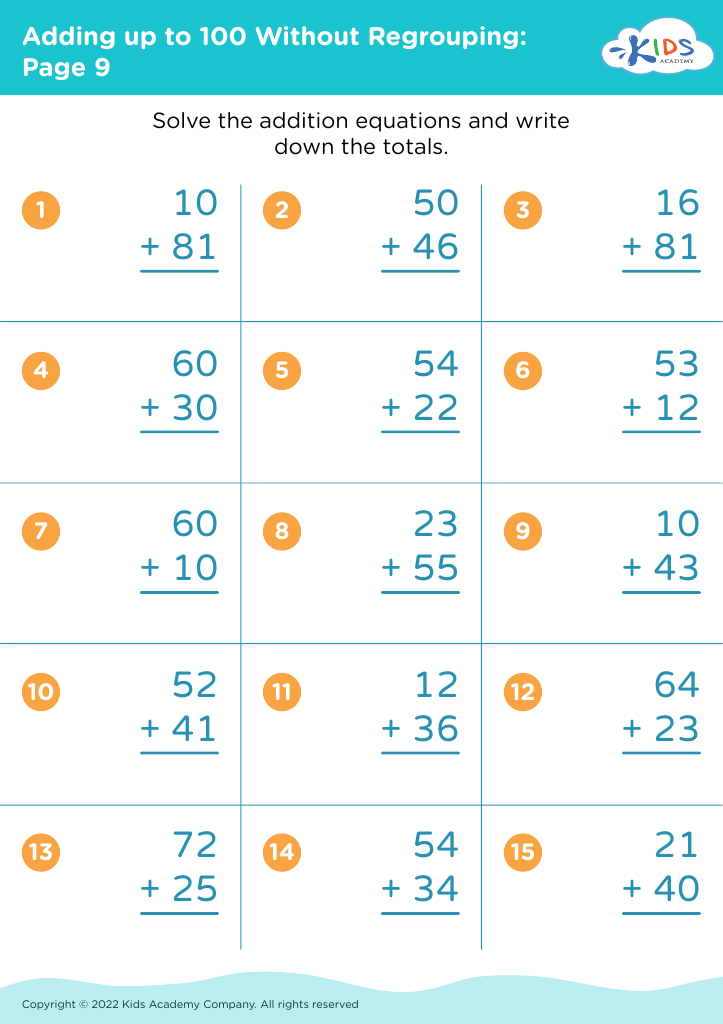








Understanding equations is essential for children aged 6-8 as it lays the groundwork for their mathematical foundations. At this age, children begin to explore concepts of addition, subtraction, and even the basics of multiplication and division. Learning to understand and work with equations fosters critical thinking and problem-solving skills, which are vital not only in mathematics but across all subjects.
Parents and teachers should care because mastering equations helps children develop logical reasoning skills. As they manipulate numbers and learn to balance equations, kids enhance their ability to recognize patterns and relationships, skills that are not isolated to math but can be applied in science, technology, engineering, arts, and everyday decision-making.
Moreover, understanding equations helps instill confidence. When children can successfully interpret and solve equations, they feel empowered to tackle more complicated math concepts in the future. This positive mathematical identity promotes a favorable attitude towards learning, encouraging perseverance through challenges.
Ultimately, nurturing a strong understanding of equations in early grades supports lifelong skills in analytical thinking, demonstrates the relevance of mathematics in everyday life, and can spark a lasting interest in the subject, ensuring that children are equipped for future academic success.








