Understanding more/less concept Worksheets for Ages 6-8
3 filtered results
-
From - To
Discover our engaging worksheets designed to help children ages 6-8 master the concepts of more and less! These interactive and colorful activities provide an effective way for young learners to compare quantities, develop critical thinking skills, and improve their number sense. With a variety of exercises including visually stimulating images and relatable scenarios, children will grasp the idea of quantity comparison in a fun and enjoyable manner. Our worksheets are perfect for parents and educators looking to reinforce foundational math skills at home or in the classroom. Foster a love for learning with our more and less concept worksheets today!
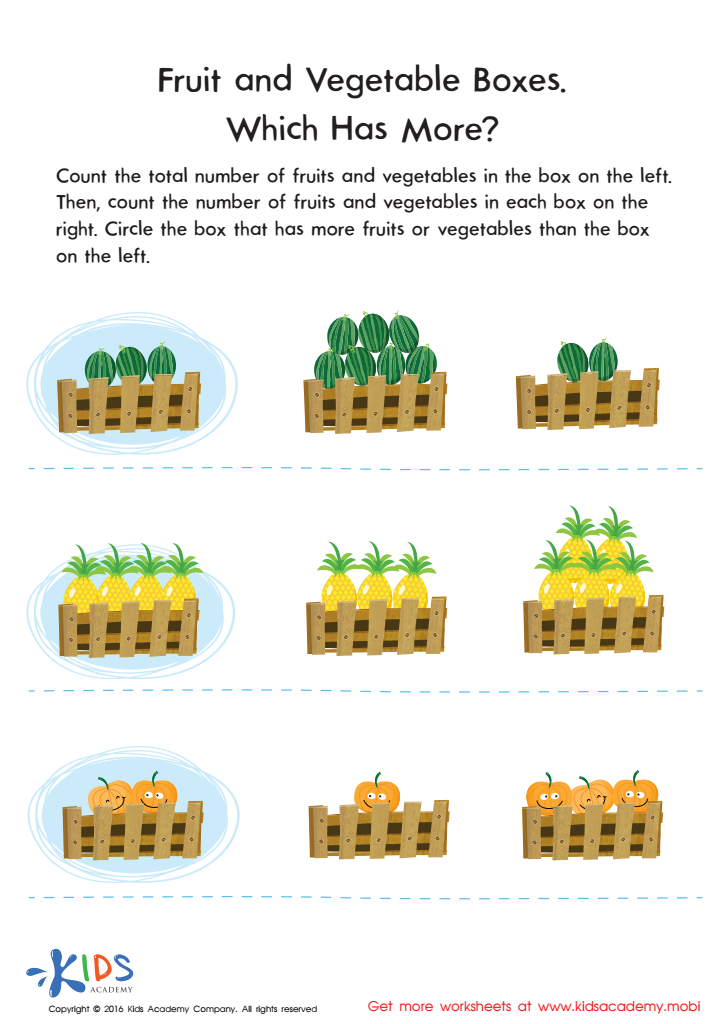
Which Has More? Size Worksheet
 Assign to My Students
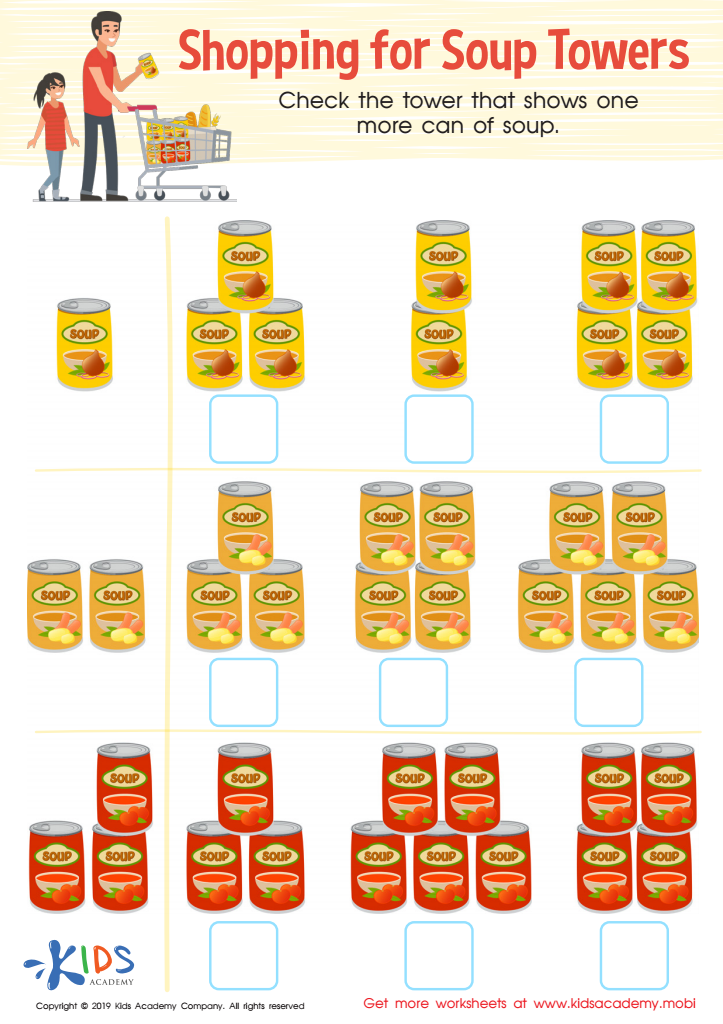
Soup Towers Worksheet
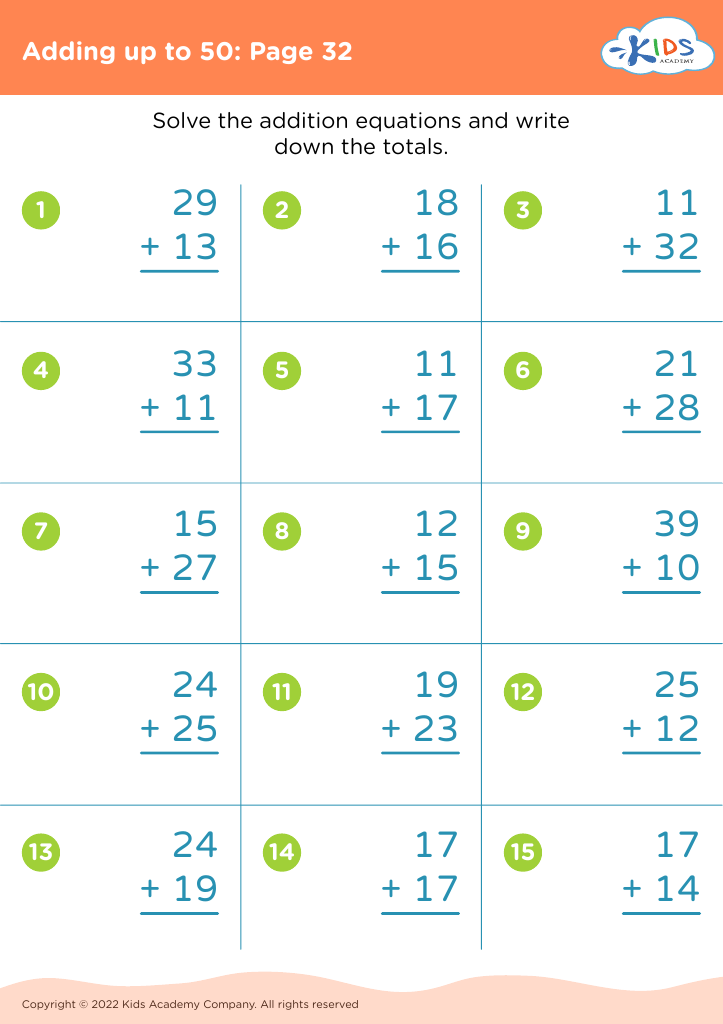





.jpg)

Understanding the concepts of more and less is fundamental for children aged 6-8, as it lays the groundwork for critical thinking and basic mathematics. This age group is a crucial stage for cognitive development, and grasping these concepts enhances their ability to compare quantities, grasp volume, and interpret information. Parents and teachers should prioritize this understanding because it directly influences children’s performance in math and science, as well as their problem-solving skills in everyday situations.
Being able to effectively discern more and less cultivates analytical thinking, which can be applied in various contexts, such as shopping or sharing resources. It also promotes better decision-making and fosters a sense of fairness when, for example, dividing snacks or toys among peers.
Additionally, teaching these concepts can enhance children's vocabulary and communication skills. When children express their understanding verbally or through writing, it supports language development and encourages them to articulate their thought processes clearly.
Ultimately, deepening children’s comprehension of more and less enriches their learning experiences, bolsters their confidence, and equips them with essential life skills that will serve them far beyond the classroom. Thus, investing time in this area is crucial for holistic child development.








