
Vocabulary Enrichment Worksheets for Ages 6-8
27 filtered results
Difficulty Level
Grade
Age
-
From - To
Subject
Activity
Standards
Enhance your child's language skills with our engaging Vocabulary Enrichment Worksheets designed for ages 6-8! These fun, interactive worksheets provide opportunities for young learners to expand their vocabulary through various activities such as matching words with pictures, filling in blanks, and exploring synonyms and antonyms. Crafted by educational experts, each worksheet encourages critical thinking and creativity, making learning enjoyable. Perfect for home or classroom use, our resources cater to all levels, helping children build confidence in their reading and communication skills. Unlock the world of words and watch your child thrive with our captivating vocabulary enrichment materials!
Favorites
With answer key
Interactive
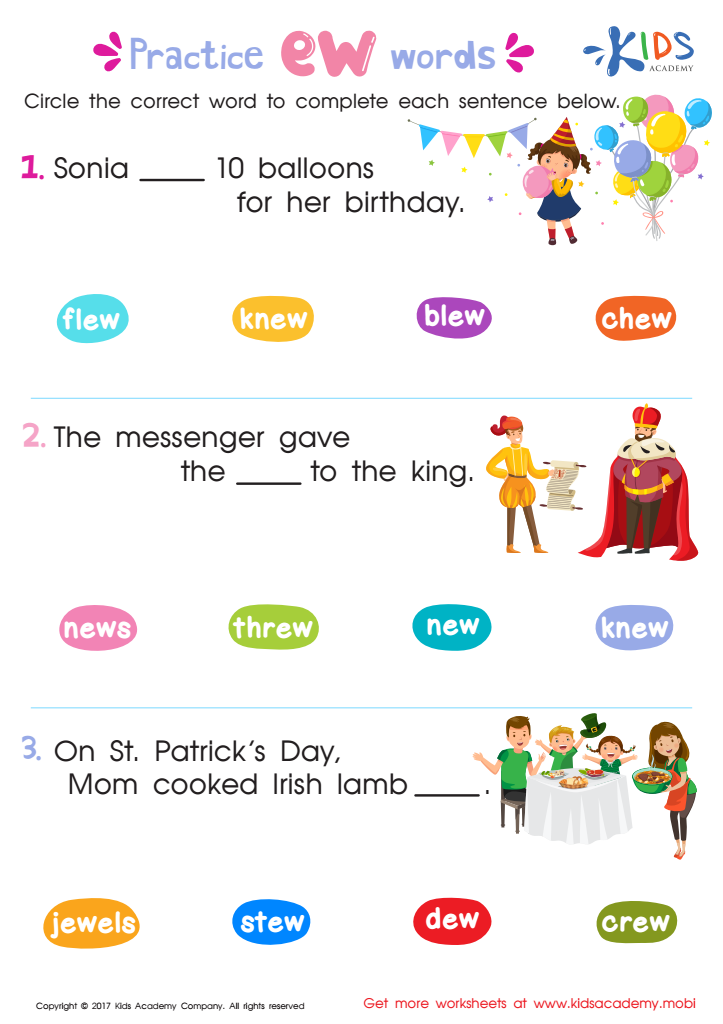
EW Words Worksheet
Practice the diphthong ew and boost your child's vocabulary with this fun ew words worksheet! Filled with illustrations, it will help your child hone their reading and spelling skills. Plus, the tricky words will make it both enjoyable and rewarding!
EW Words Worksheet
Worksheet
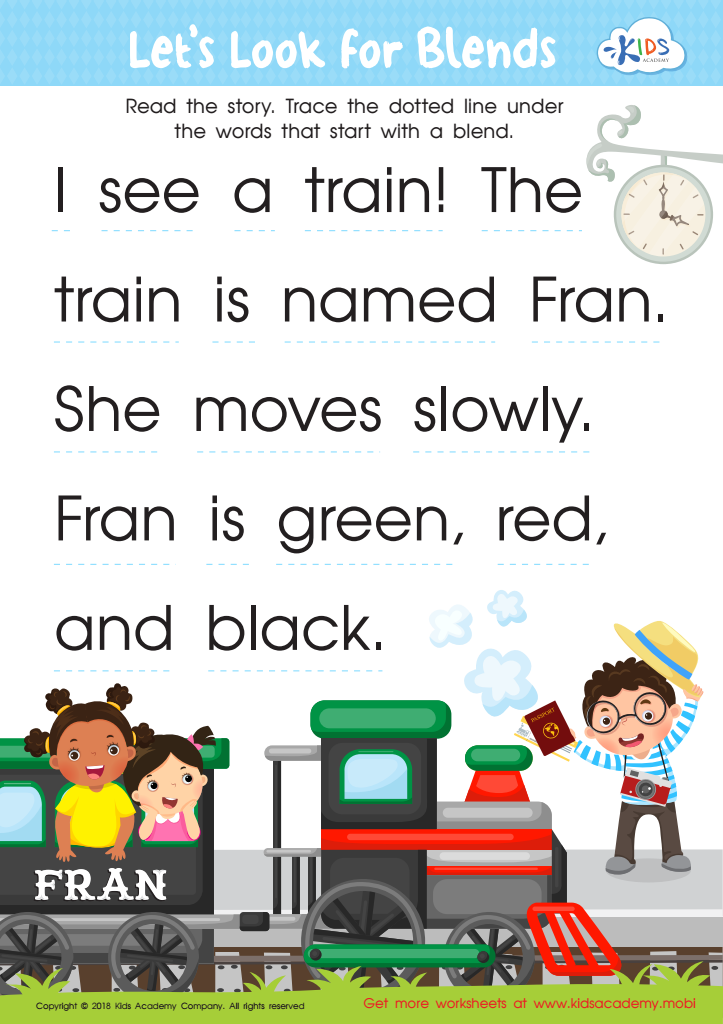
Let's Look for Blends Worksheet
Does your child love trains? Get them to read the story or help them read it aloud. Ask them to trace the words that start with blends on the dotted lines. This exercise will help them improve their blend-identifying skills!
Let's Look for Blends Worksheet
Worksheet
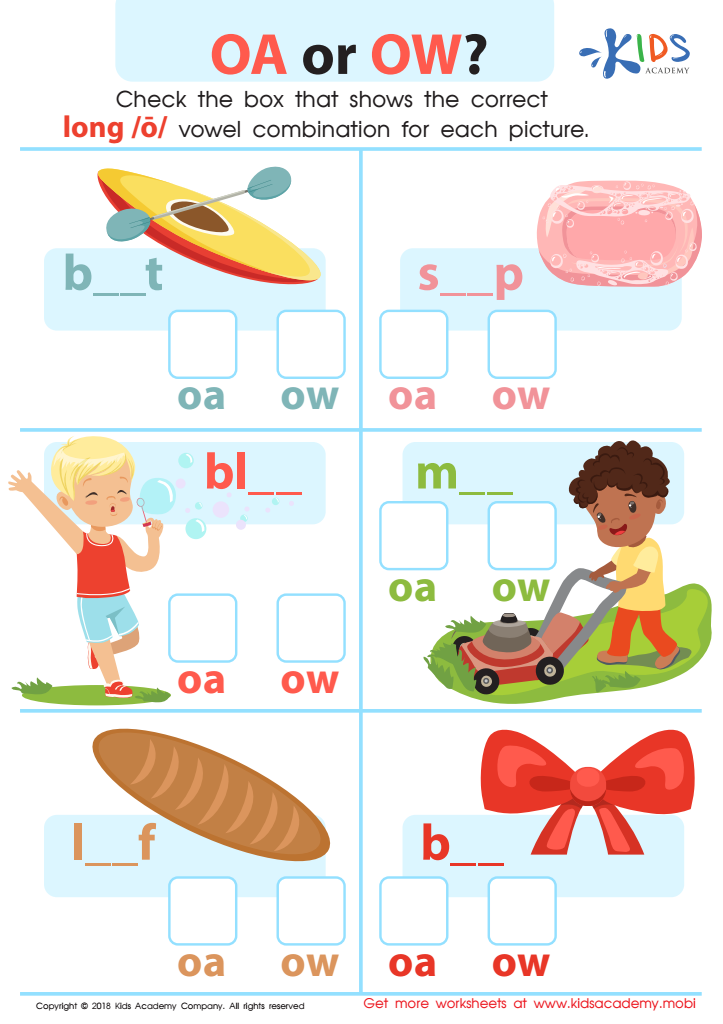
Reading: OA or OW Worksheet
This printable worksheet helps young and emergent readers with decoding words and understanding digraphs (two letters with one sound). It requires students to complete the spelling for each word based on the picture, focusing on /oa/ and /ow/ spellings. It's ideal for a reading classroom and for spelling practice.
Reading: OA or OW Worksheet
Worksheet
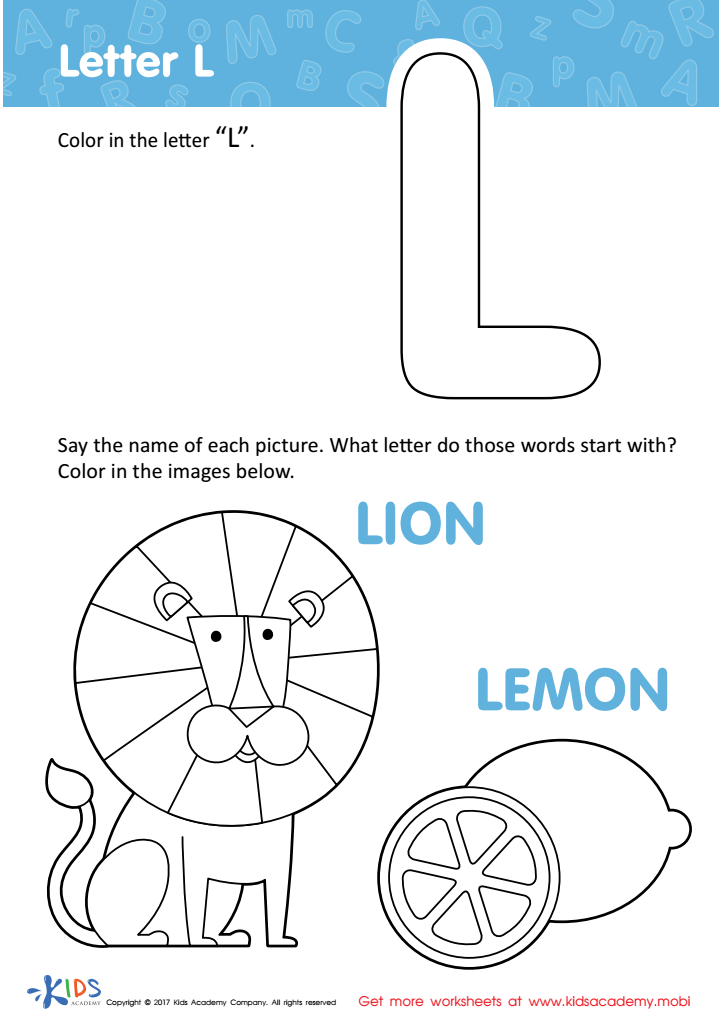
Letter L Coloring Sheet
Kids often struggle to say "L" and love it because so many things they love start with it! This coloring page combines the letter and fun images like a lemon and lion to teach and entertain!
Download (PDF)
 Assign to My Students
Assign to My Students
Letter L Coloring Sheet
Worksheet
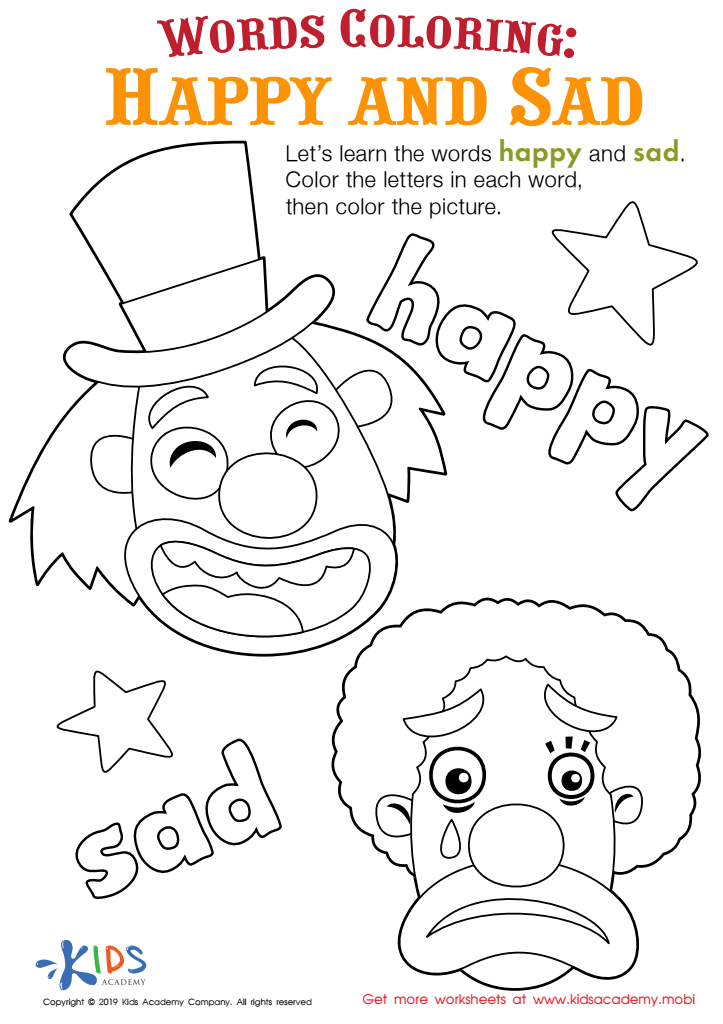
Happy and Sad Words Coloring Worksheet
Help students understand emotions by using this fun worksheet. It features smiling and sad clowns and the words 'happy' and 'sad'. Read the words with your students, then have them color the clowns and the emotion words. This PDF is an effective way to teach kids how to express how they feel.
Download (PDF)
Assign to My Students
Assign to My Students
Happy and Sad Words Coloring Worksheet
Worksheet
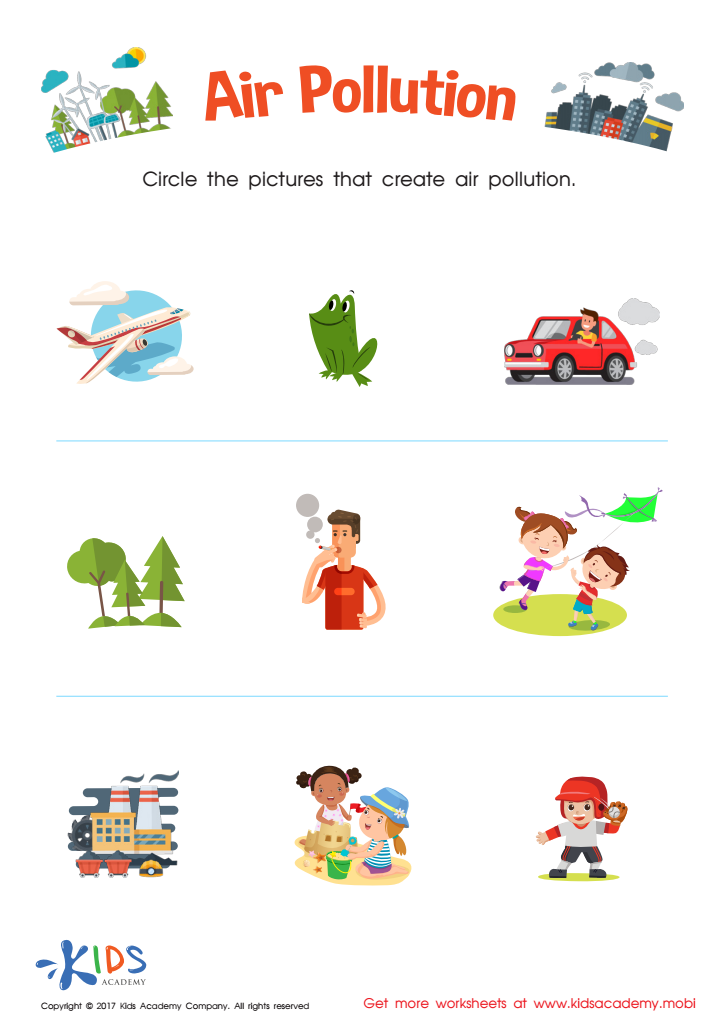
Air Pollution Worksheet
This air pollution printable worksheet helps develop an early understanding of the causes of pollution and its effects. Give your child a head start to loving and protecting the environment.
Air Pollution Worksheet
Worksheet
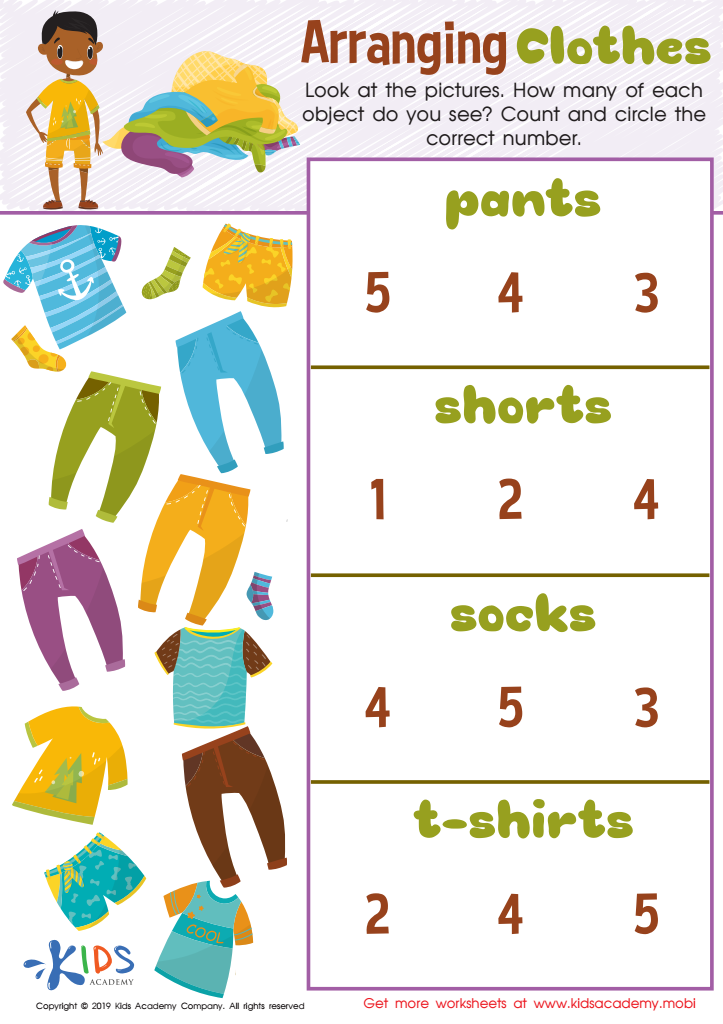
Arranging Clothes Worksheet
This worksheet uses familiar items, brightly colored to attract your kids. Ask them to name each item, then count them and circle the right number.
Arranging Clothes Worksheet
Worksheet
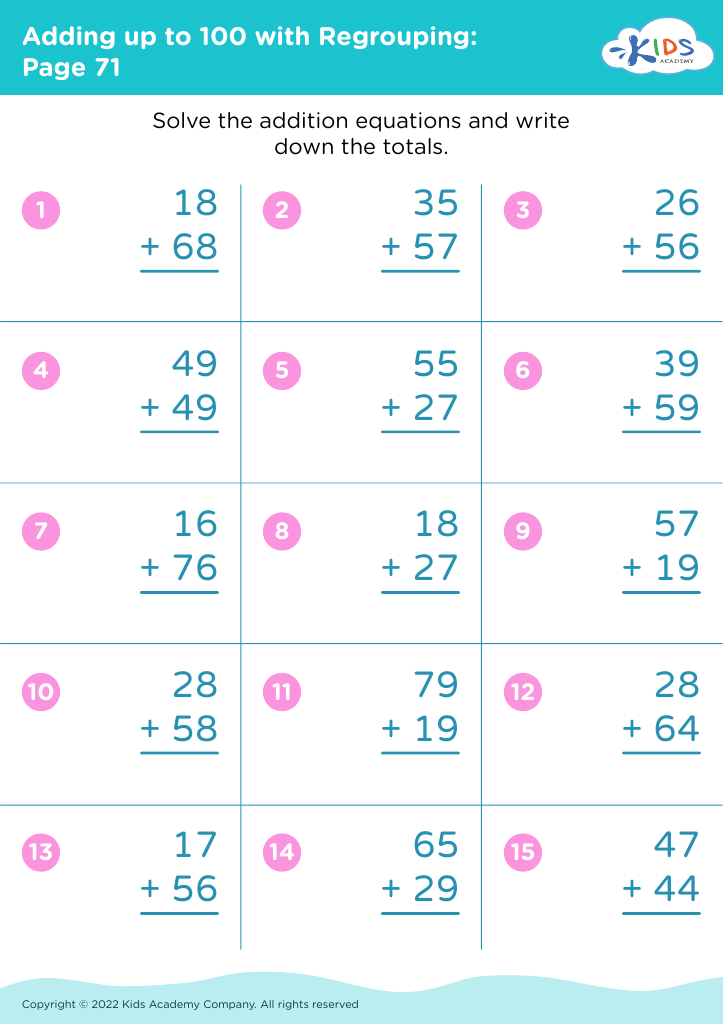
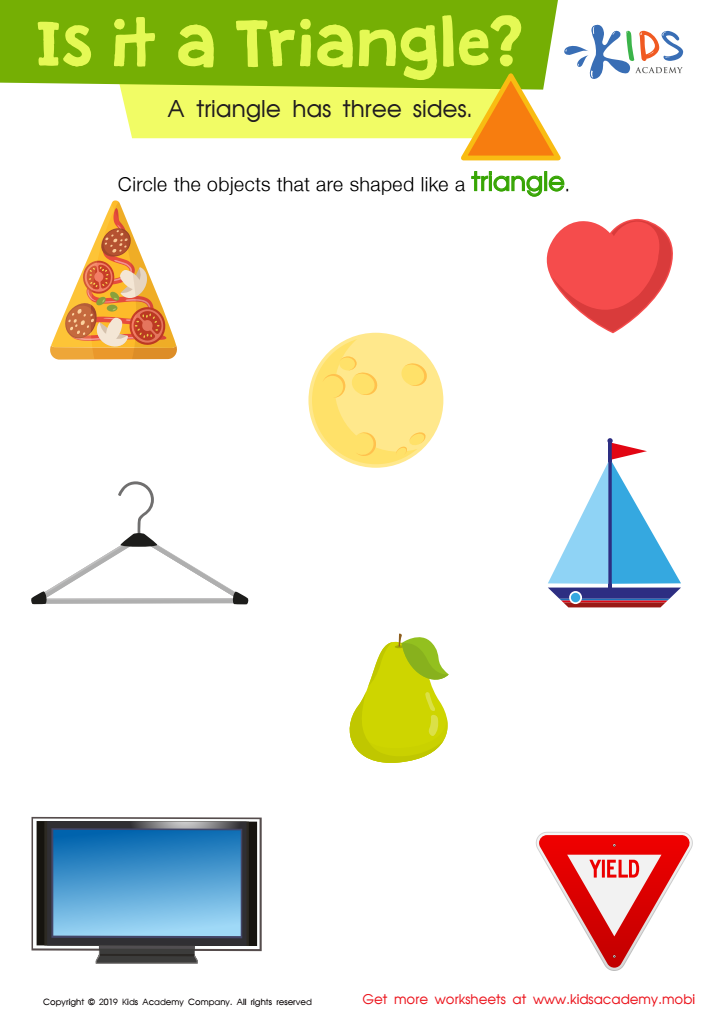
Is It a Triangle? Worksheet
Young kids need to learn to identify basic shapes for math. Show them what a triangle looks like with this fun worksheet. They can look around their environment for everyday objects shaped like a triangle and circle them on the sheet. Download now and start learning what a triangle is!
Is It a Triangle? Worksheet
Worksheet
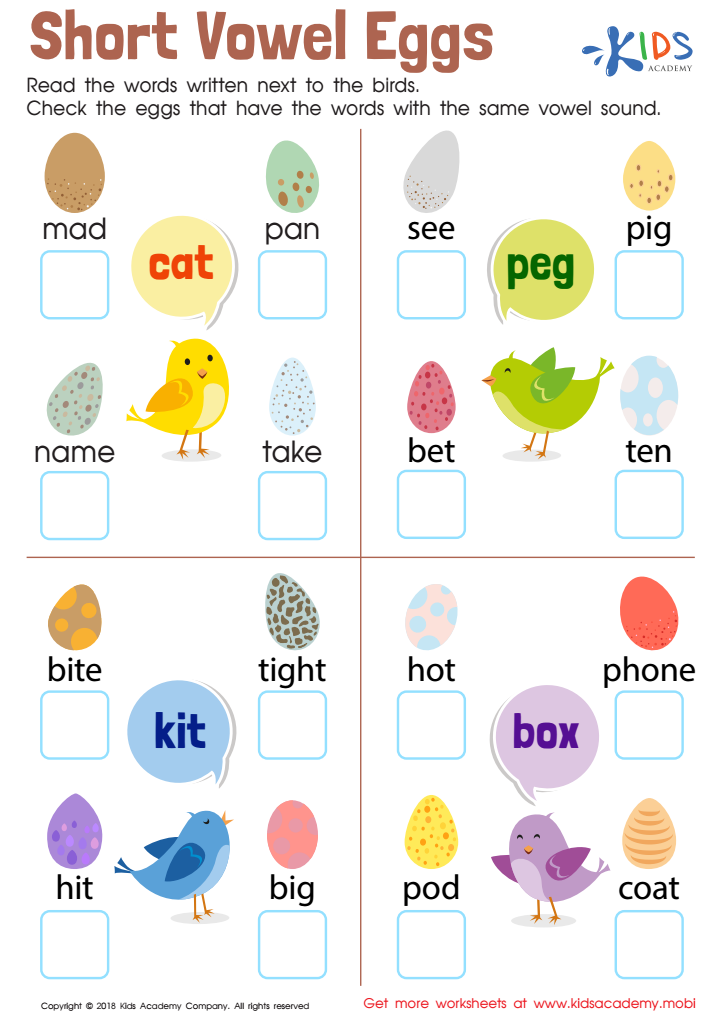
Short Vowel Eggs Worksheet
Your students will love helping these birdies pick the short vowel eggs! Have them read the words in the thought bubbles, then check off the boxes with the same short vowel sounds. The bright colors of this free Worksheet will draw them in and get them practicing their vowels!
Short Vowel Eggs Worksheet
Worksheet
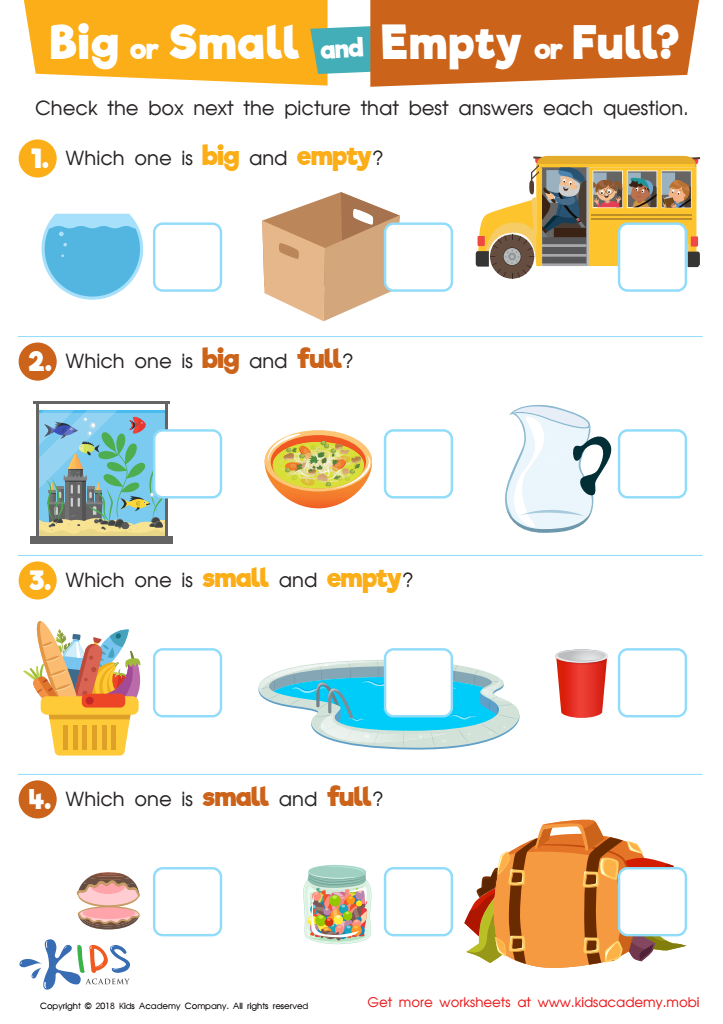
Big or Small and Empty or Full? Worksheet
Early learners can develop their math skills by using this Worksheet with fun, familiar pictures. It reinforces concepts like big/small and empty/full, helping them to differentiate and identify objects that meet those definitions.
Big or Small and Empty or Full? Worksheet
Worksheet
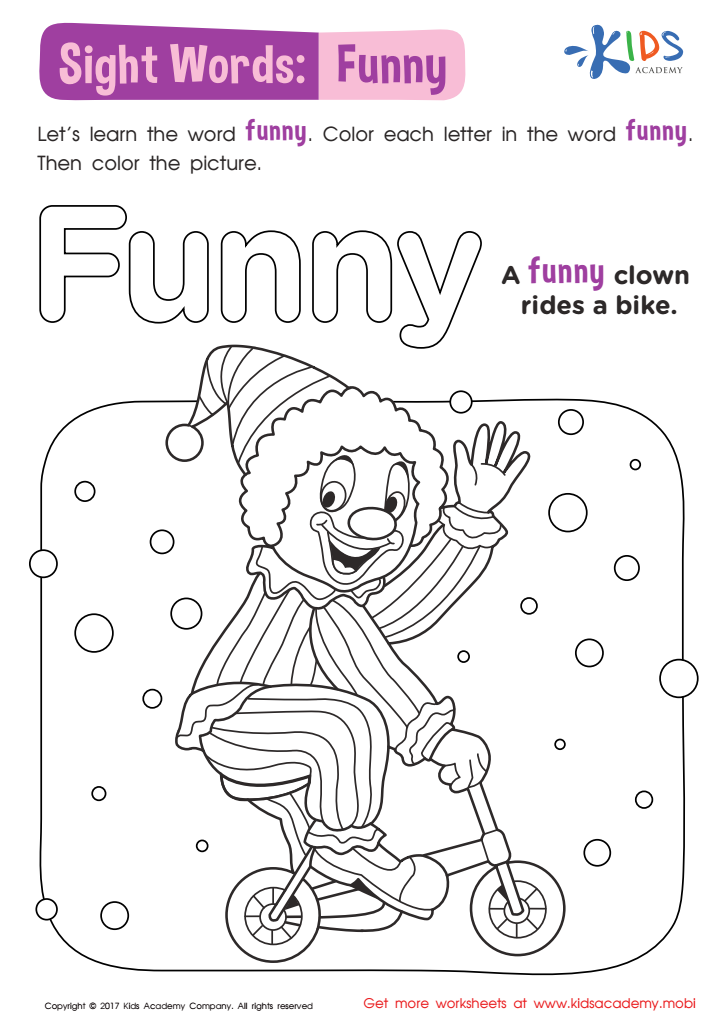
Funny Worksheet Sight Words Worksheet
Love humor? Introduce "funny" as a sight word with this fun worksheet! Have your child read the sentence then color the word in the center. Let them use their imagination to color the silly clown in any way they like!
Download (PDF)
Assign to My Students
Assign to My Students
Funny Worksheet Sight Words Worksheet
Worksheet
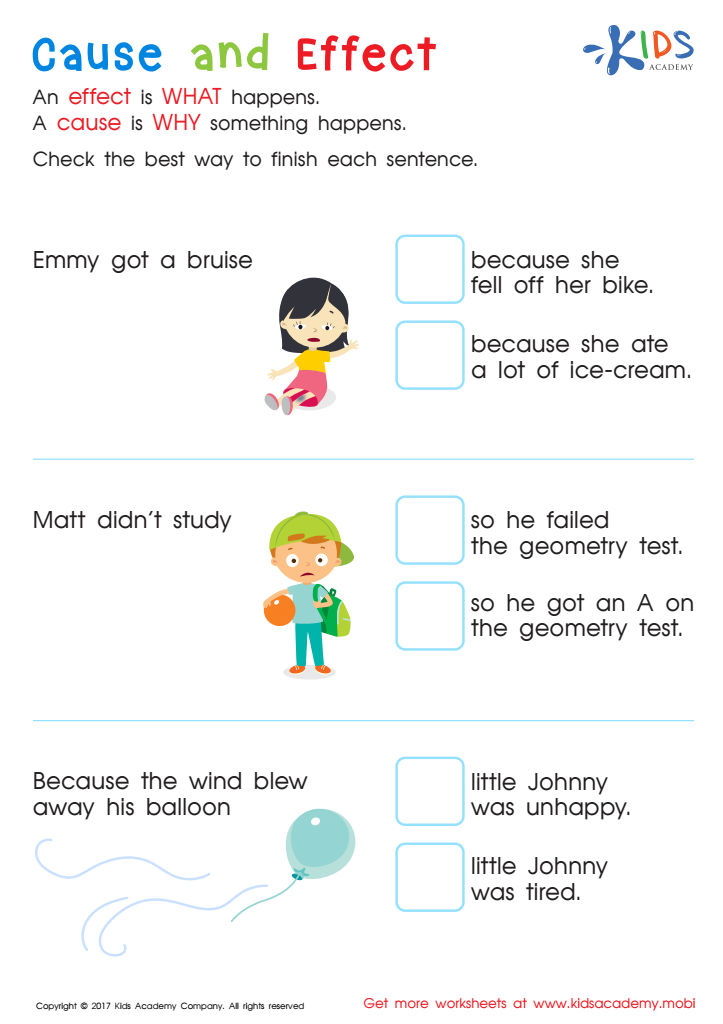
Cause and Effect Worksheet
Improve your child's reading comprehension and critical analysis skills with this cause and effect worksheet PDF! Have your child use the examples to create their own story, strengthening their understanding of the concept.
Cause and Effect Worksheet
Worksheet
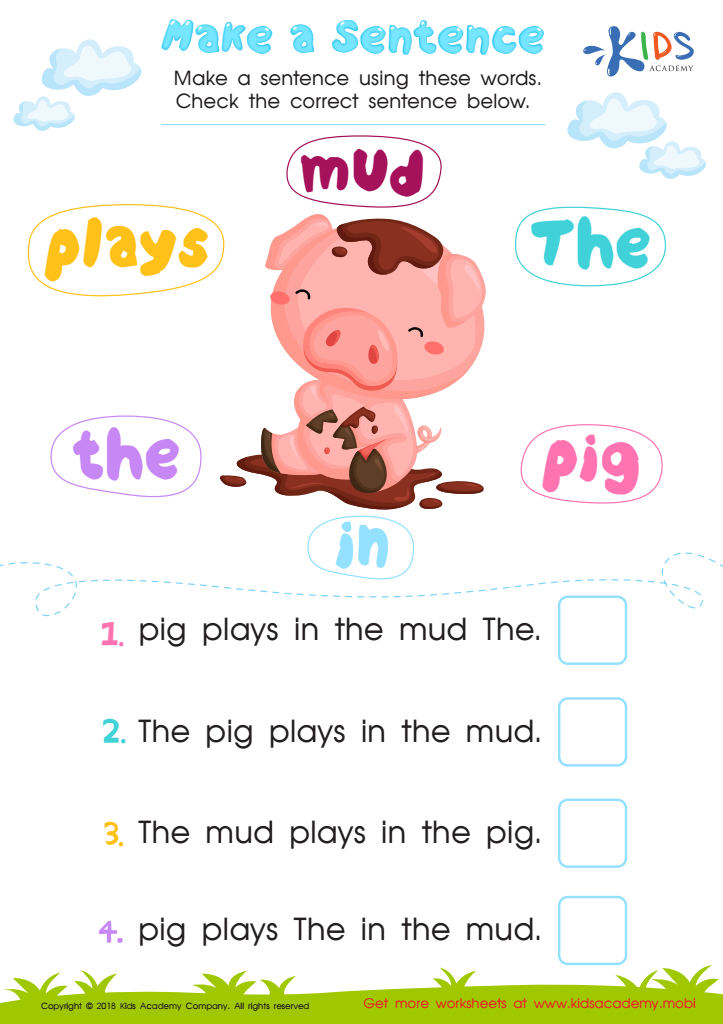
Assessment: Make a Sentence Worksheet
Help your kids identify the animal in the printout. Read the words in the bubbles and then read the four sentences in the options 1 – 4. Ask them to check the box with the correct sentence.
Assessment: Make a Sentence Worksheet
Worksheet
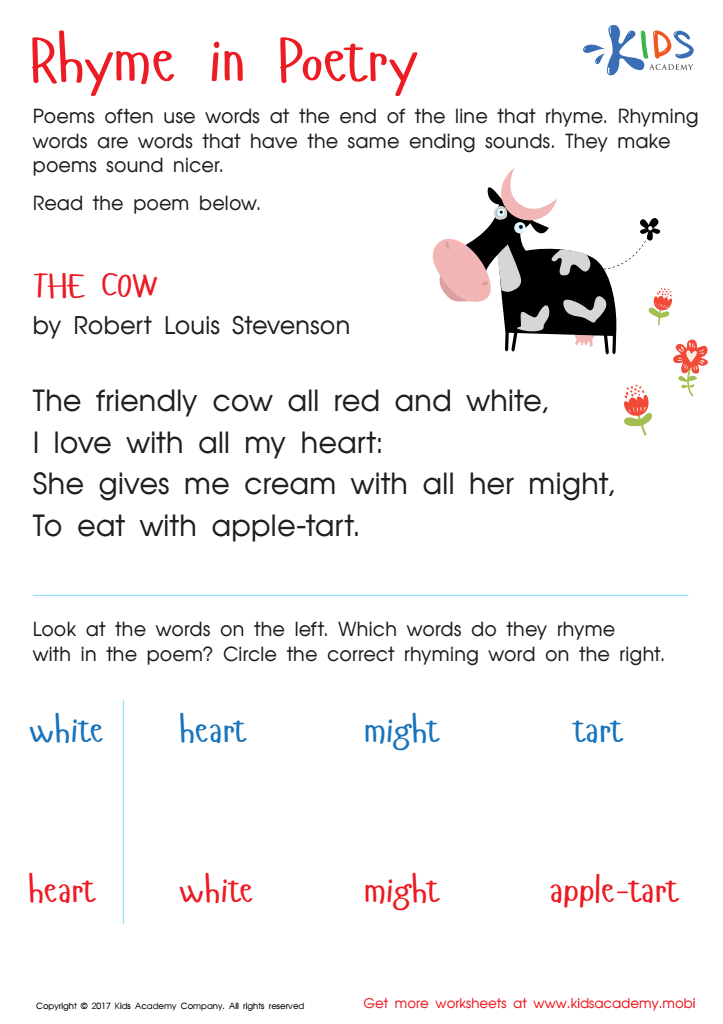
Rhyme In Poetry Worksheet
Introduce your child to poetic devices and help build their ear for poetry with Robert Louis Stevenson's adorable poem about a cow! Through this rhyming worksheet, your child will gain an appreciation for poetry and language.
Rhyme In Poetry Worksheet
Worksheet
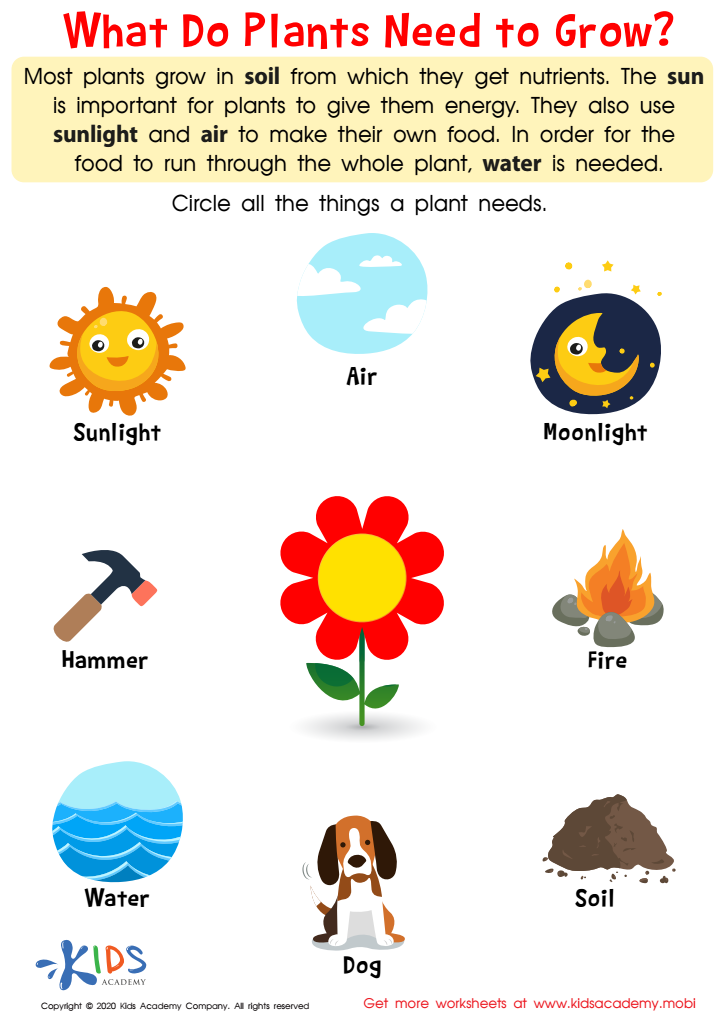
What Do Plants Need to Grow Worksheet
Help your child explore and discover the world of plants with this fun how do plants grow worksheet! They'll gain knowledge, sharpen problem solving skills, and build science foundations as they identify what plants need to grow. Afterward, plant a seed together and watch it sprout right before their eyes!
What Do Plants Need to Grow Worksheet
Worksheet
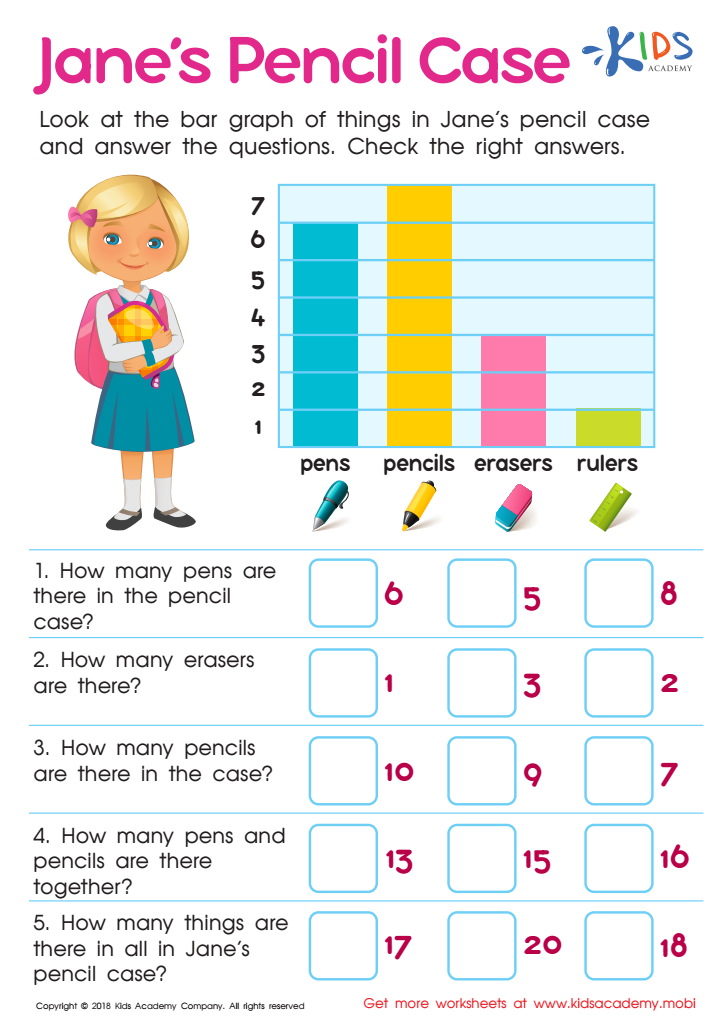
Jane's Pencil Case Worksheet
Help Jane organize her pencil case! Have your child look and the bar graph on the worksheet and interpret the data. Ask them to read each problem, then check the box next to the correct number. It's a fun way to practice reading graphs and reporting data.
Jane's Pencil Case Worksheet
Worksheet
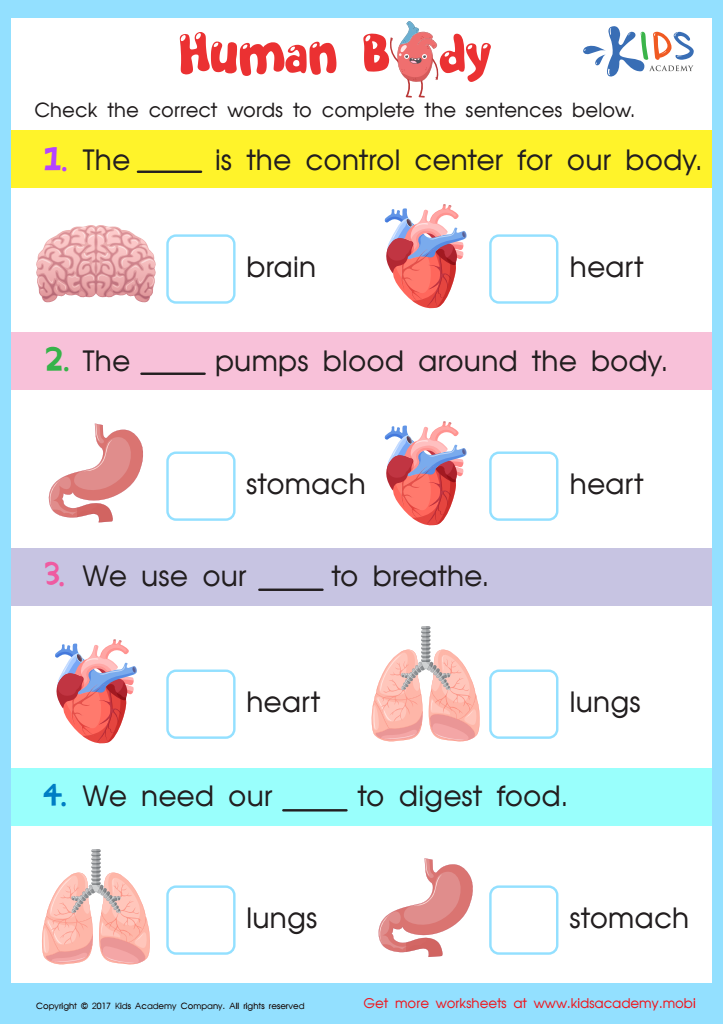
Internal Organs Worksheet
This grade 2 worksheet teaches kids about their body, inside and out. It tests knowledge of major organ functions, taking learning to the next level. Make sure your child is up to date with this interactive worksheet!
Internal Organs Worksheet
Worksheet
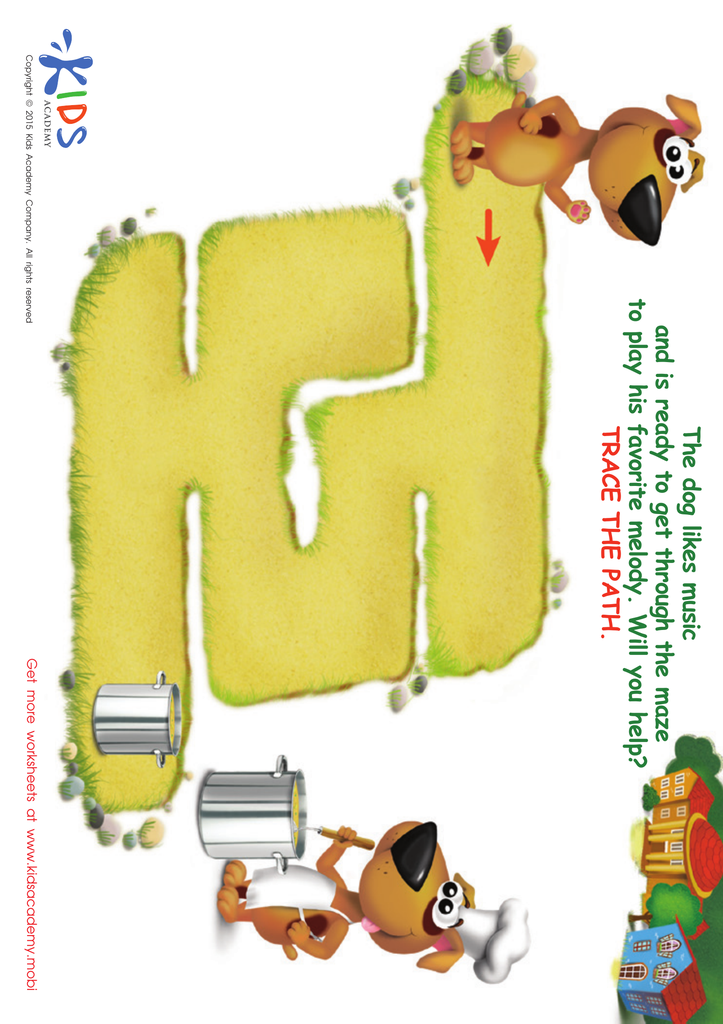
Cook Maze Worksheet
Let your kids find their way to the pan with the help of our challenging mazes. Get them today at Kids Academy!
Cook Maze Worksheet
Worksheet
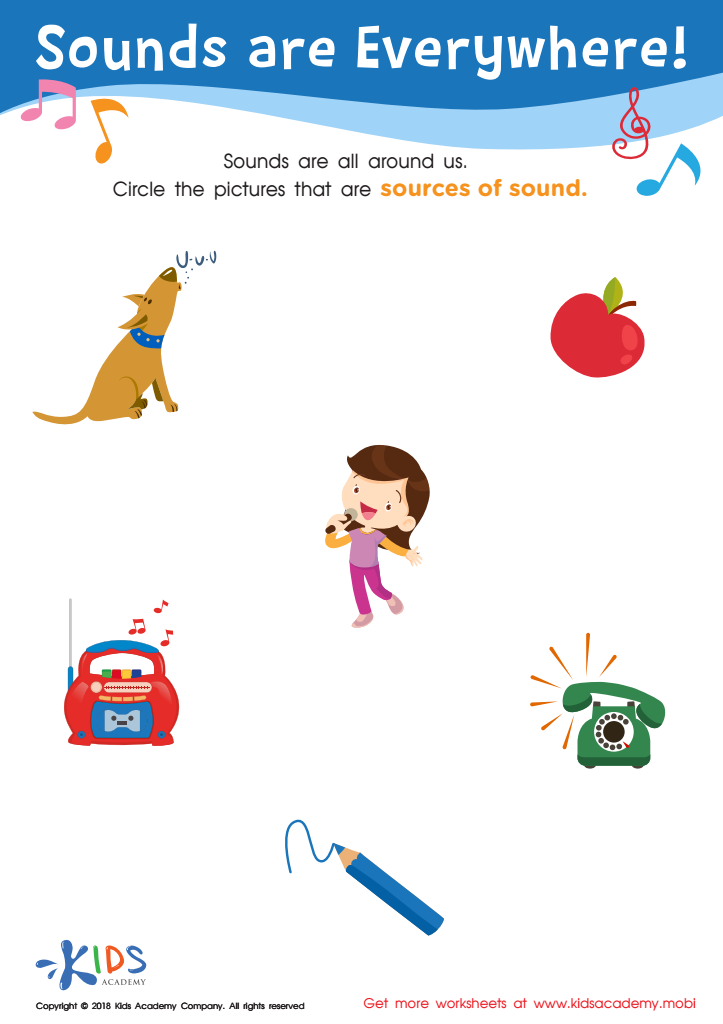
Sounds Are Everywhere! Worksheet
Ask your students to recall objects that make sound. Then, help them identify the sources of sound in the pictures of this worksheet.
Sounds Are Everywhere! Worksheet
Worksheet
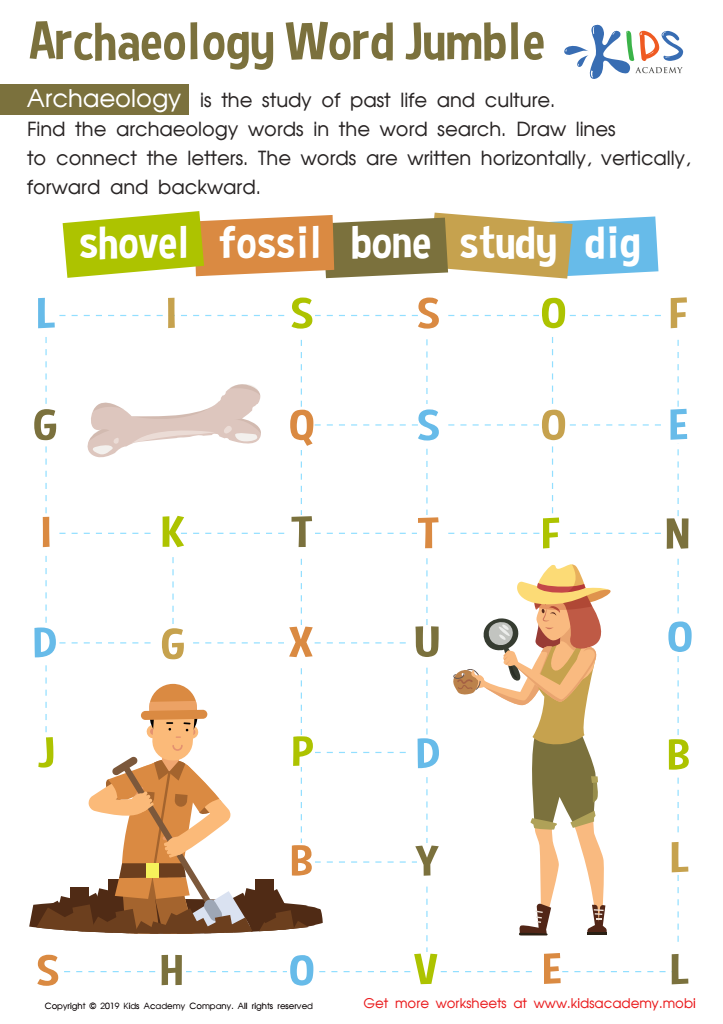
Archaeology Word Jumble Worksheet
Kids will love this fun, colorful word search about archeology! Tracing the lines, they'll uncover terms related to the study of past life and cultures. As they explore, they'll learn about fossils and bones and discover new archeology words.
Archaeology Word Jumble Worksheet
Worksheet
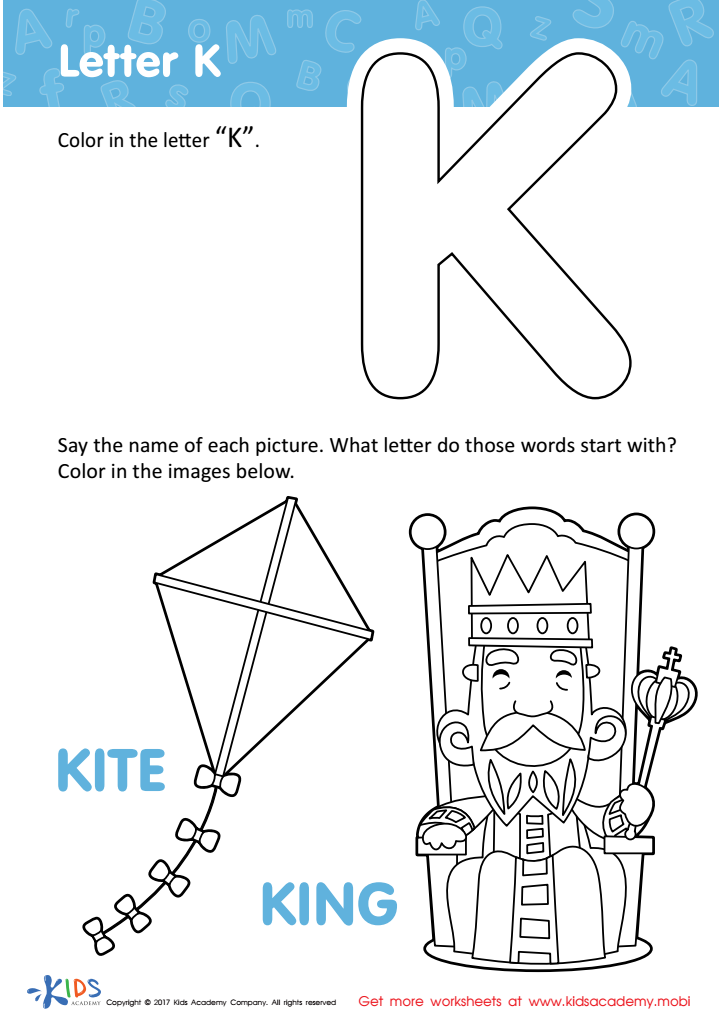
Letter K Coloring Sheet
This letter K coloring page captivates your child's creativity while learning the letter! Showcasing a king and kite, common words for their age group, it's sure to spark their imagination.
Download (PDF)
Assign to My Students
Assign to My Students
Letter K Coloring Sheet
Worksheet
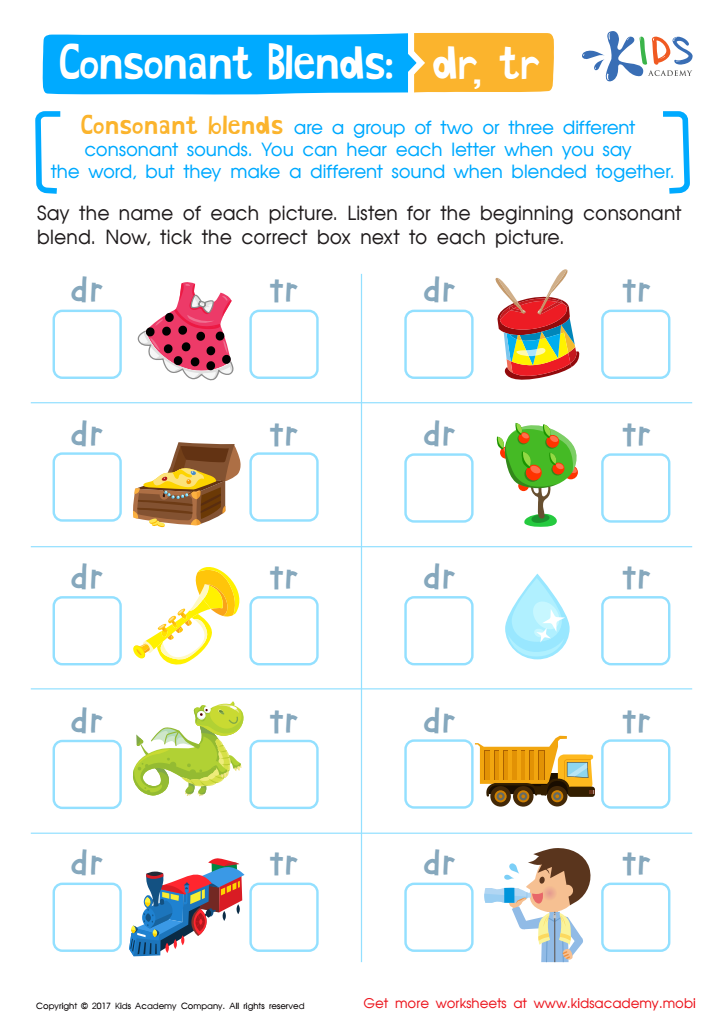
Consonant Blends: "Dr" and "Tr" Printable
Pictures of the words provide a visual cue, and sound-outs help with auditory cues.
Consonant Blends: "Dr" and "Tr" Printable
Worksheet
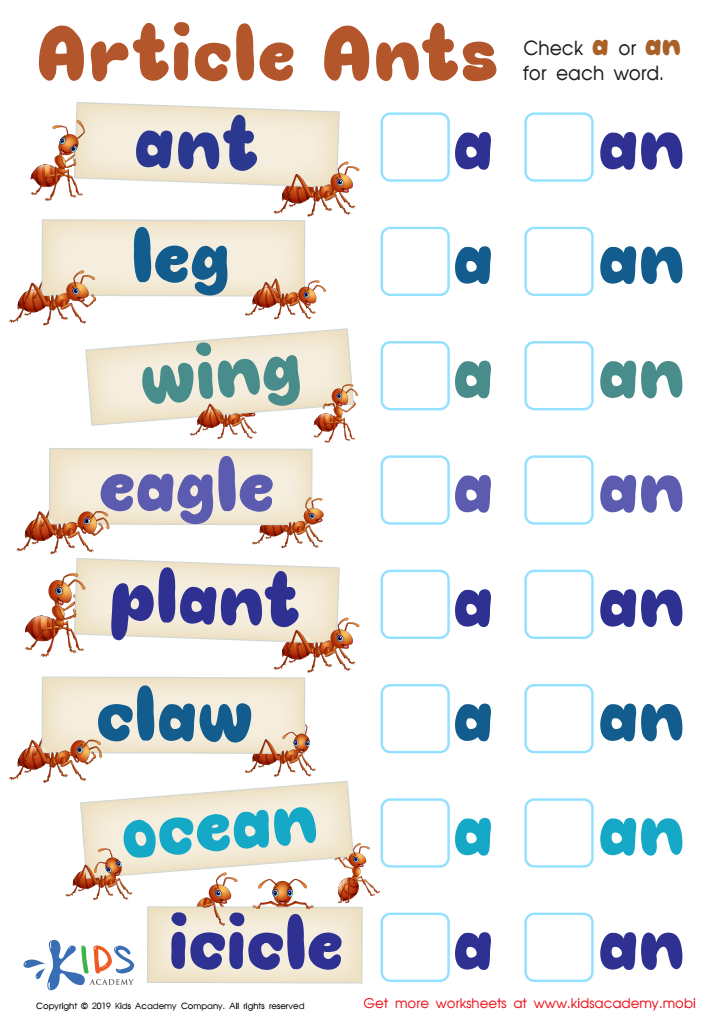
Article Ants Worksheet
Help your child master using "a" and "an" with this fun worksheet! Remind them that "an" goes with vowel sounds, while "a" is used for consonants. Have them check the right box next to each word to complete the activity.
Article Ants Worksheet
Worksheet
Join Kids Academy for Free
Who is primarily going to use this learning content?








Vocabulary enrichment for children ages 6-8 is crucial for their cognitive and linguistic development. At this age, children are rapidly expanding their language skills, and a rich vocabulary enhances their ability to communicate effectively, articulate their thoughts, and engage in discussions. Strong vocabulary is directly linked to reading comprehension, meaning that when children possess a wide range of words, they will better understand the texts they encounter.
Furthermore, vocabulary enrichment facilitates academic success across subjects, as language proficiency influences performance in both math and science, where verbal comprehension of problems and concepts is key. It also fosters confidence; children with a robust vocabulary are more likely to participate in classroom discussions, express themselves clearly, and develop higher self-esteem.
From a social perspective, children equipped with an enriched vocabulary can navigate social situations more adeptly, building stronger relationships with peers. This is vital for emotional intelligence development.
In summary, parents and teachers should prioritize vocabulary enrichment as it not only supports academic achievement but also contributes to a child's overall growth, helping them become more effective communicators and confident individuals as they transition into more complex stages of learning and socialization.








