Color Identification Adding up to 100 Worksheets for Ages 6-8
8 filtered results
-
From - To
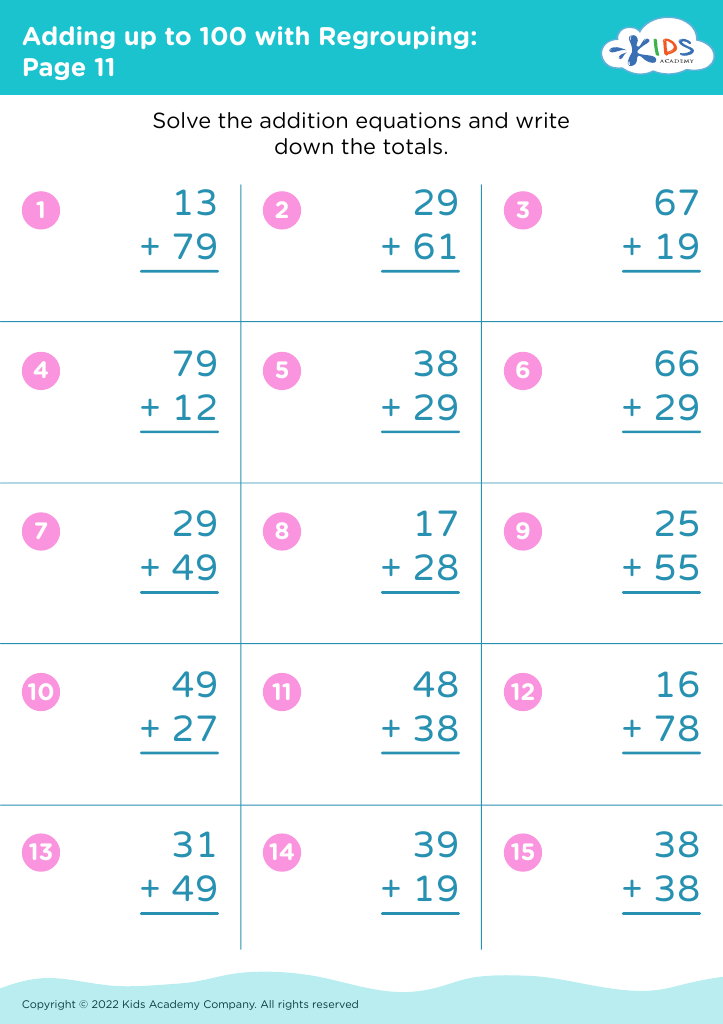
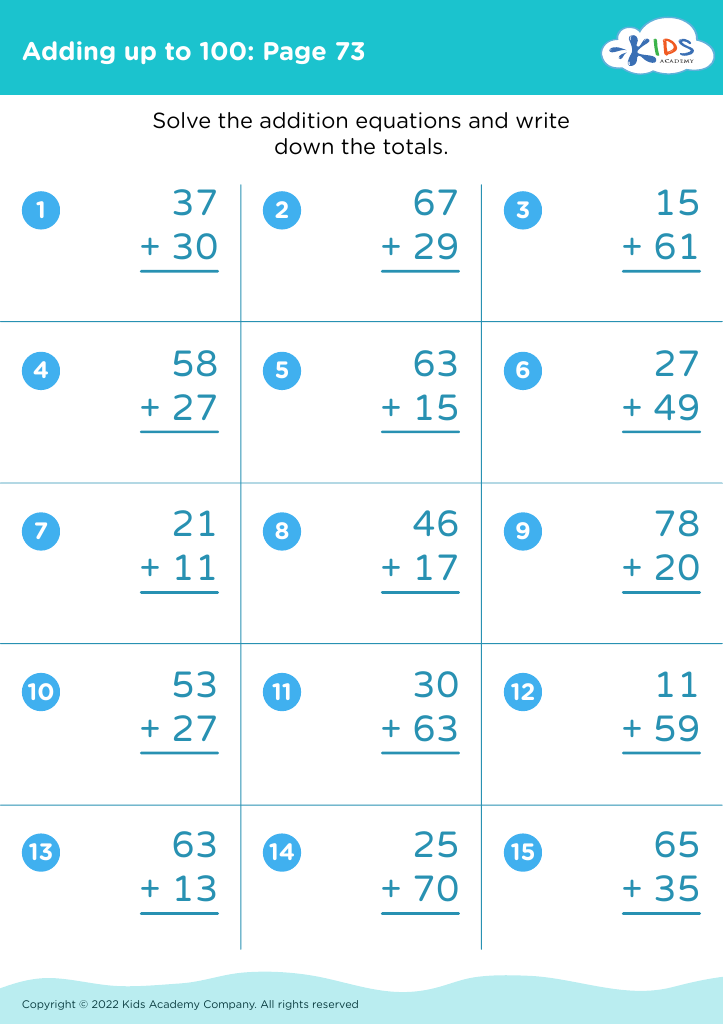
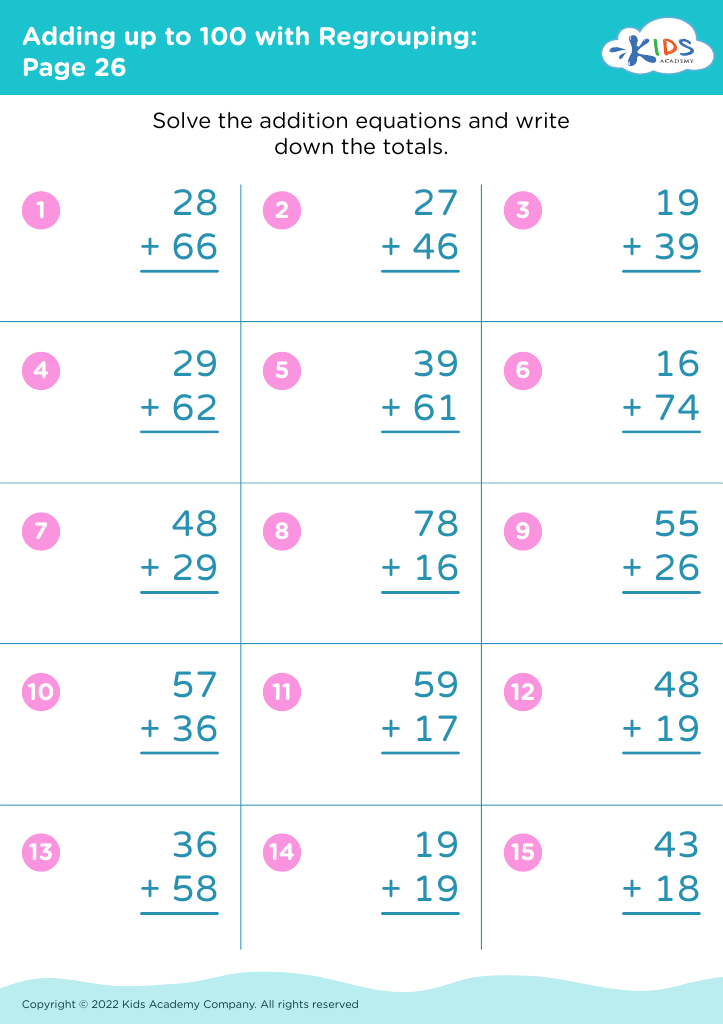
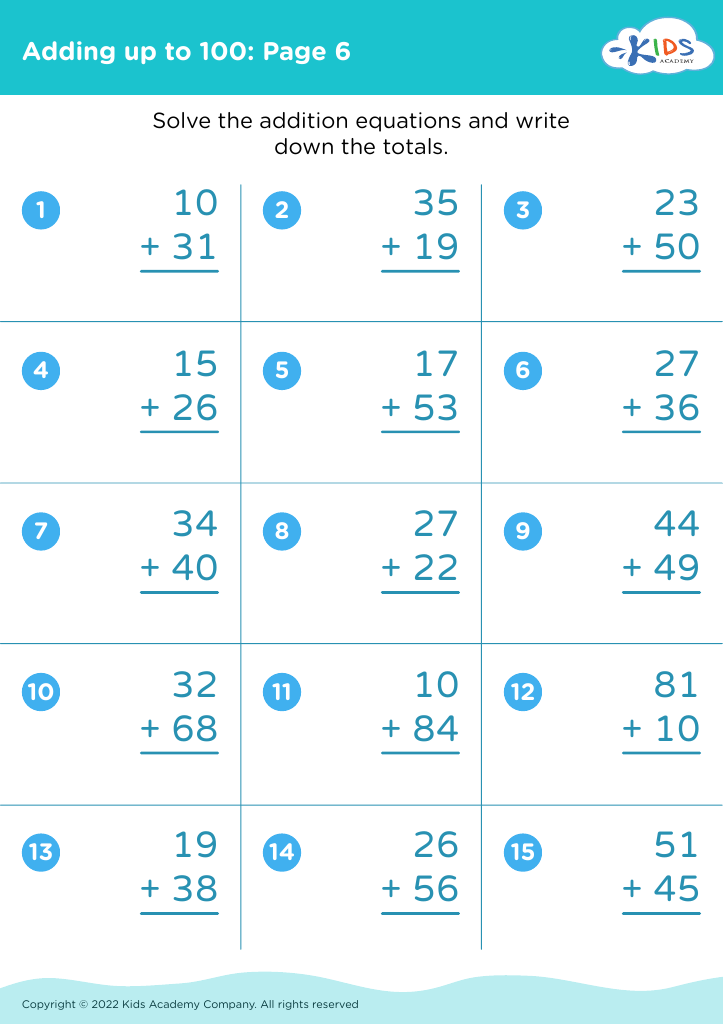
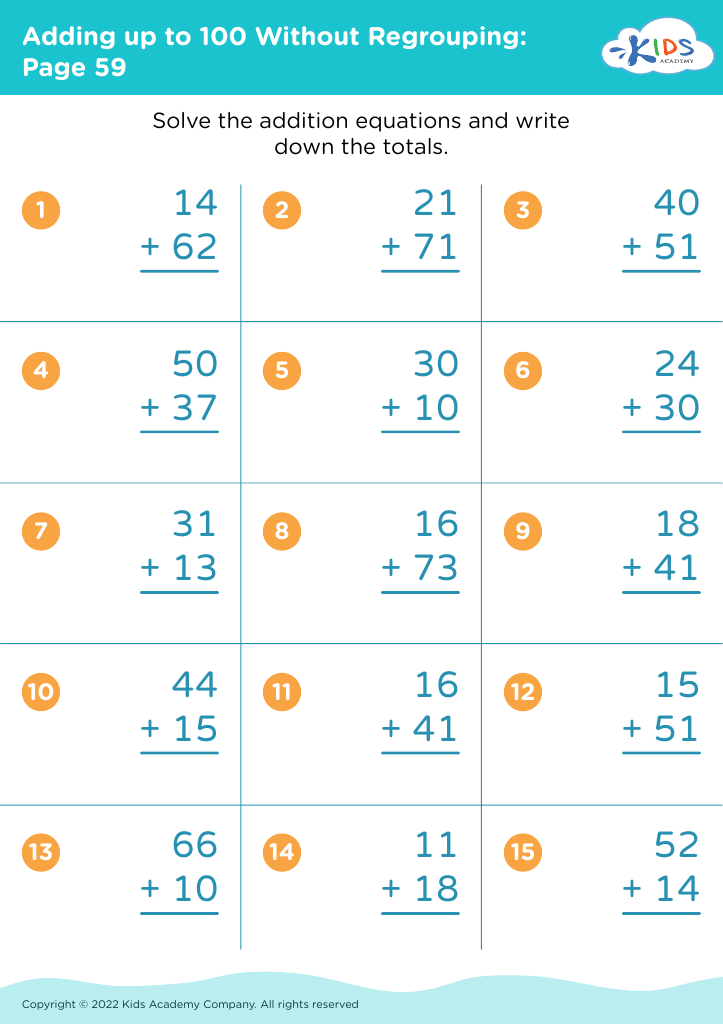
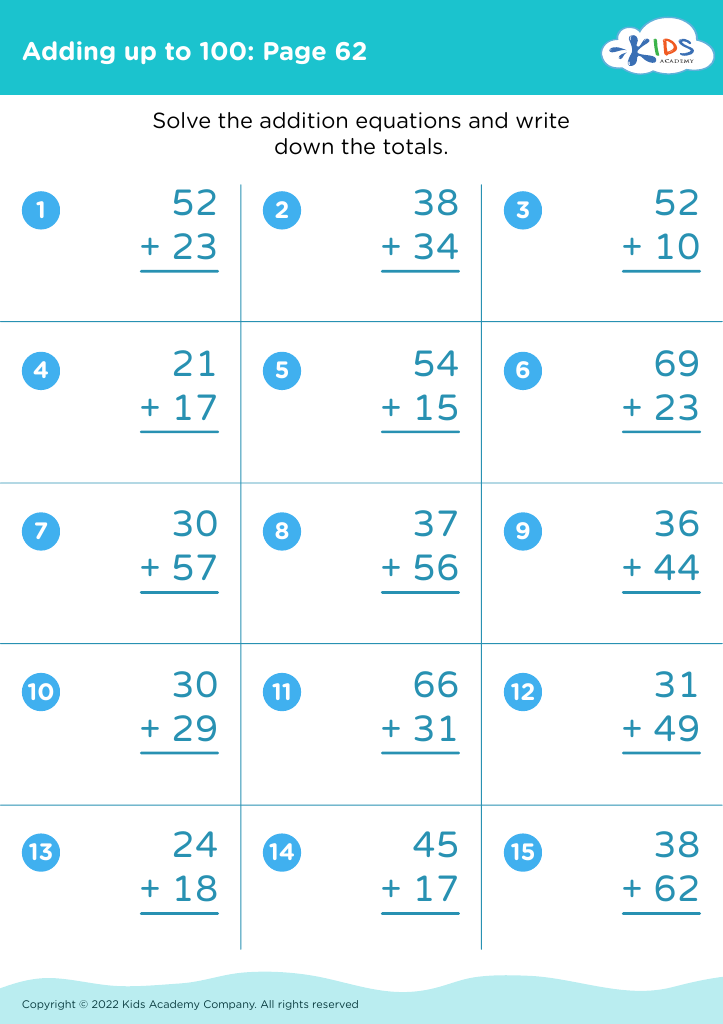
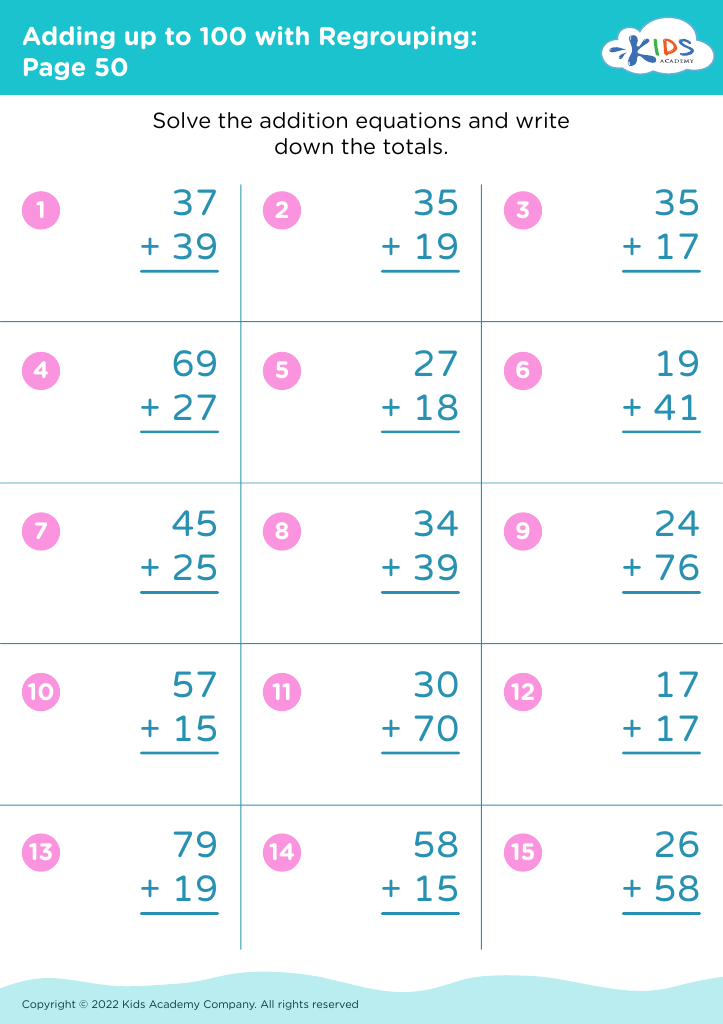
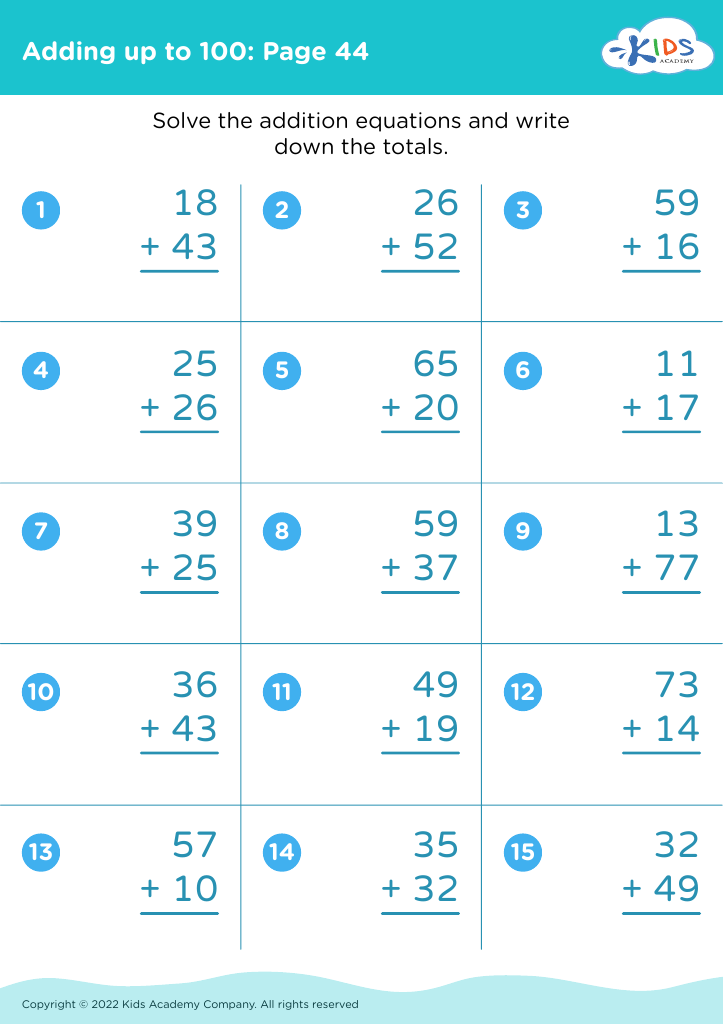
Discover our engaging "Color Identification Adding Up to 100 Worksheets" designed for children aged 6-8. These fun and interactive worksheets not only enhance math skills by focusing on addition up to 100 but also promote color recognition and identification. Perfect for reinforcing learning through vibrant visuals, these activities blend essential math concepts with a colorful twist that makes learning exciting. Each worksheet encourages early learners to apply their knowledge in a playful manner, fostering creativity and critical thinking. Ideal for classroom use or at-home practice, our worksheets provide a comprehensive approach to developing both math and color identification skills in young learners.




%20(1).jpg)


Color identification and basic math skills, such as adding up to 100, are essential developmental aspects for children aged 6-8. Parents and teachers should care about these skills for several reasons.
Firstly, color identification helps in the cognitive development of children. It enhances their observational skills, helping them categorize and understand their surroundings better. As they learn to recognize and name colors, children's descriptive vocabulary expands, contributing to improved communication skills. These foundational language skills are crucial for effective learning and social interactions.
Meanwhile, mastering the concept of addition, especially the ability to combine different numbers and understand the importance of reaching 100, aids in developing numeracy skills. Additions typically involve problem-solving and critical thinking, both of which are foundational for future math concepts. Engaging with numbers enhances logical reasoning abilities as well.
Furthermore, incorporating color identification into math lessons can create engaging and visually stimulating learning experiences. For example, using colored objects for addition problems can make learning dynamic and more relatable. Altogether, fostering these skills not only supports academic achievement but also boosts self-confidence and lays the groundwork for lifelong learning in various subjects. Parents and teachers play a pivotal role in nurturing these fundamental abilities in young learners.








