
Color recognition Addition & Subtraction Worksheets for Ages 6-8
11 filtered results
Difficulty Level
Grade
Age
-
From - To
Subject
Activity
Standards
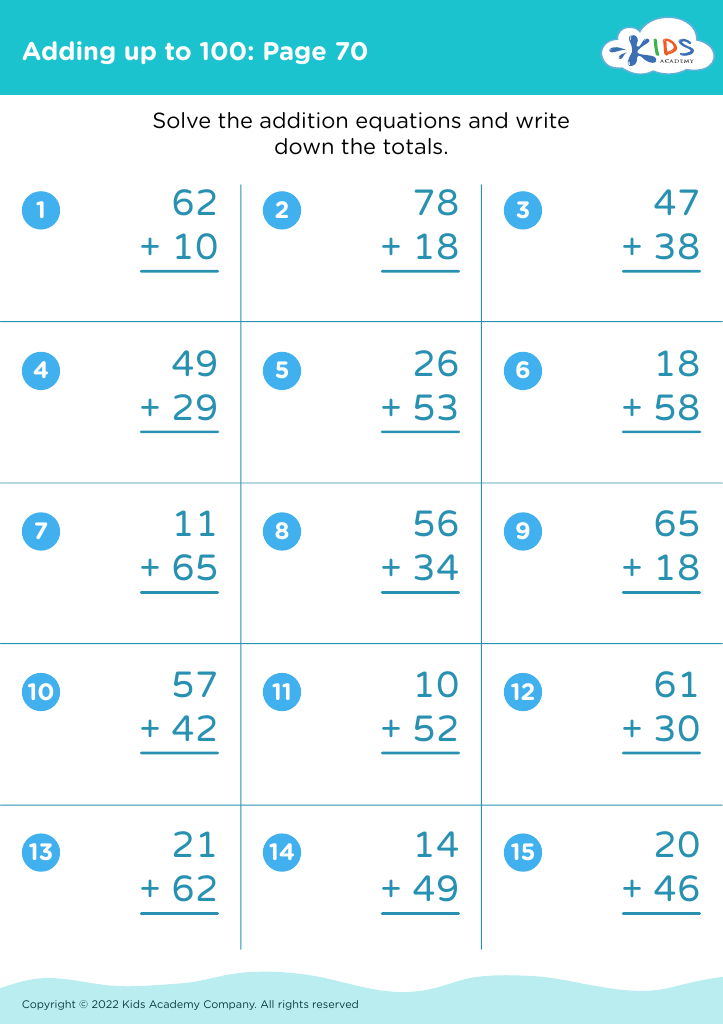
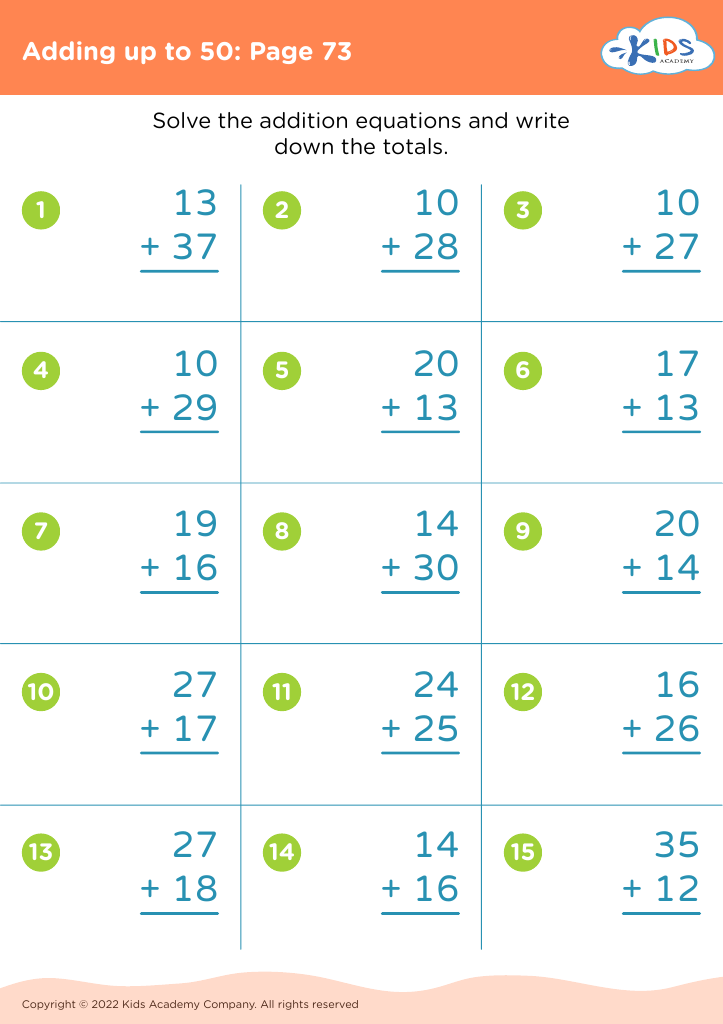
Our Color Recognition Addition & Subtraction Worksheets for Ages 6-8 provide a fun and engaging way for young learners to master basic math skills alongside essential color recognition. These worksheets incorporate vibrant colors and appealing illustrations to captivate children’s interest while they practice addition and subtraction. Designed to reinforce both mathematical understanding and visual discrimination, our resources help kids build confidence in their abilities. Each worksheet features unique activities that encourage deeper learning and creativity, making math enjoyable! Perfect for at-home practice or classroom use, this collection nurtures foundational skills vital for academic success. Explore our worksheets today and watch your child flourish!
Favorites
With answer key
Interactive
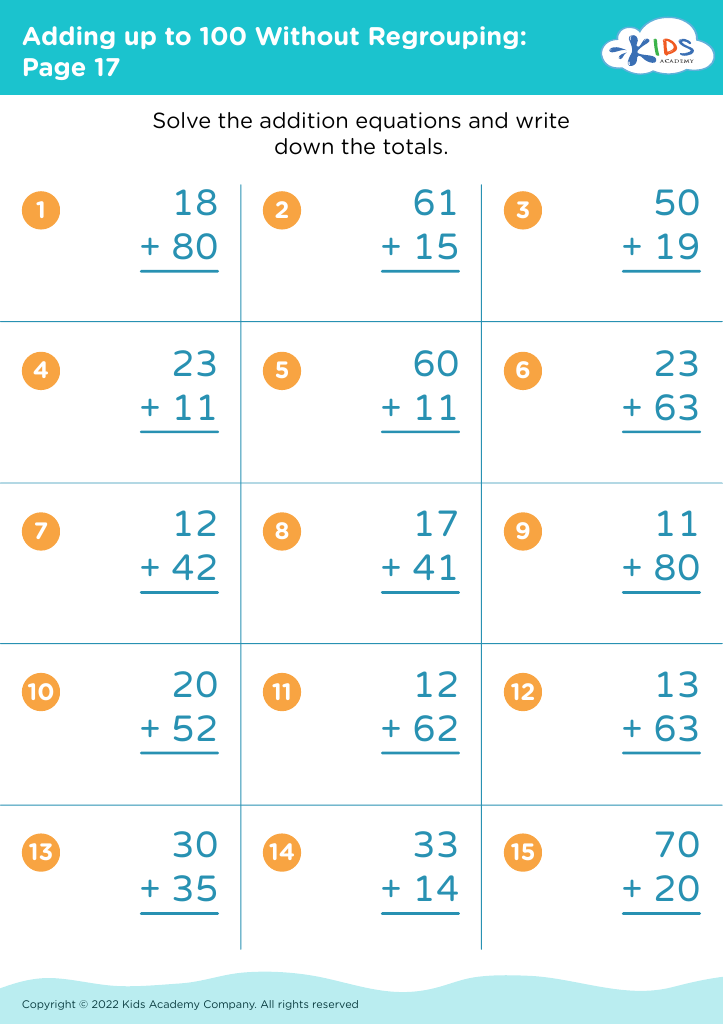
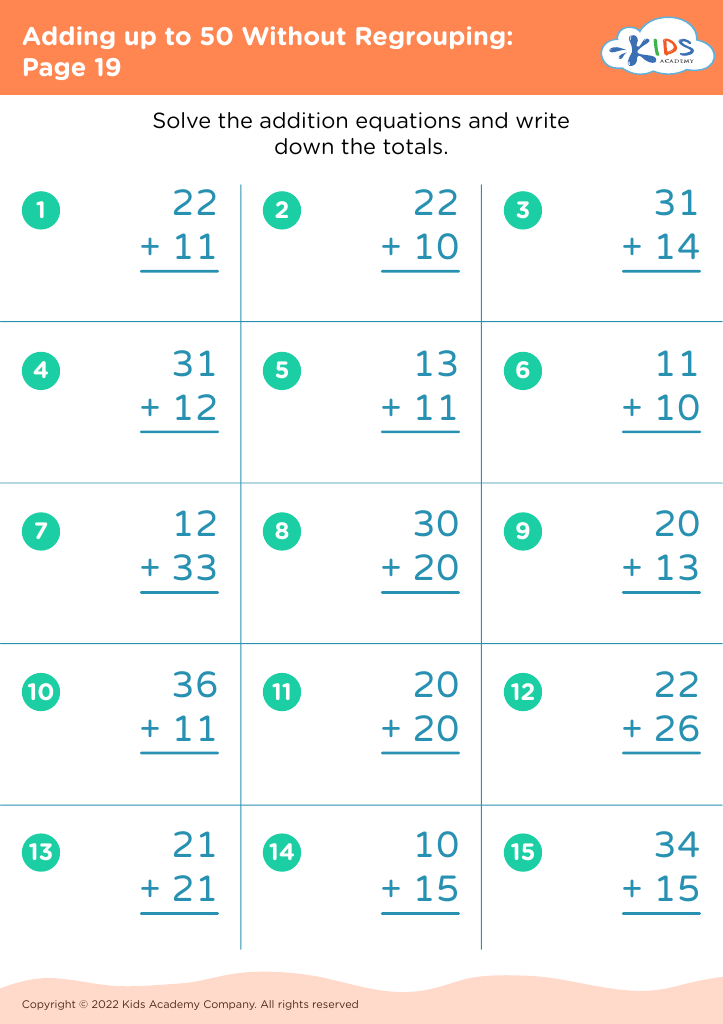
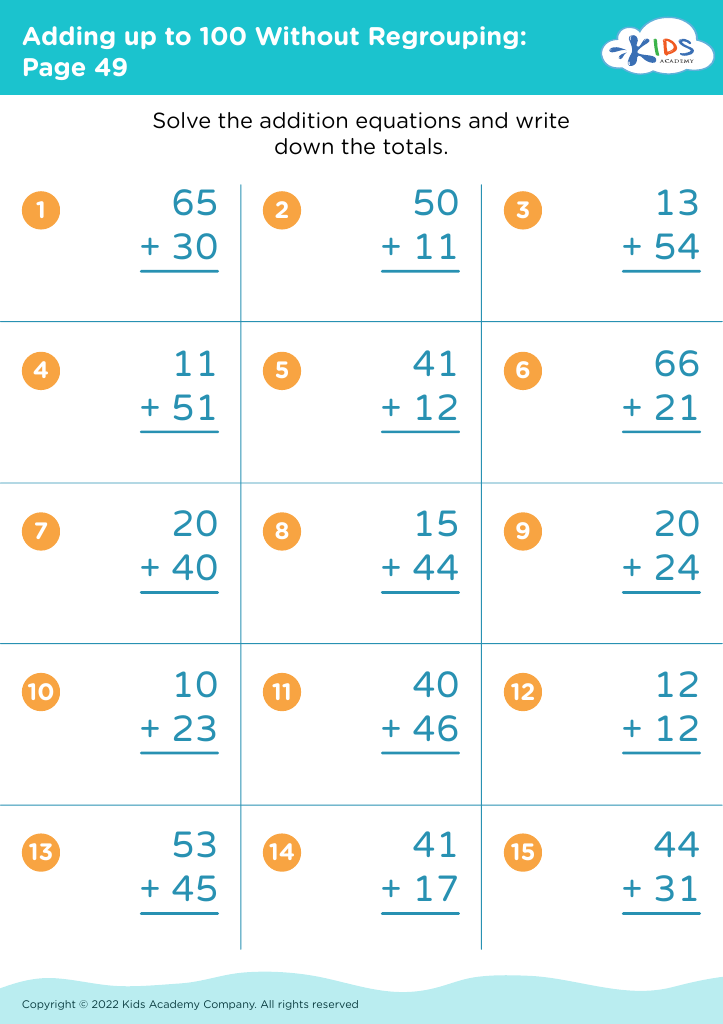
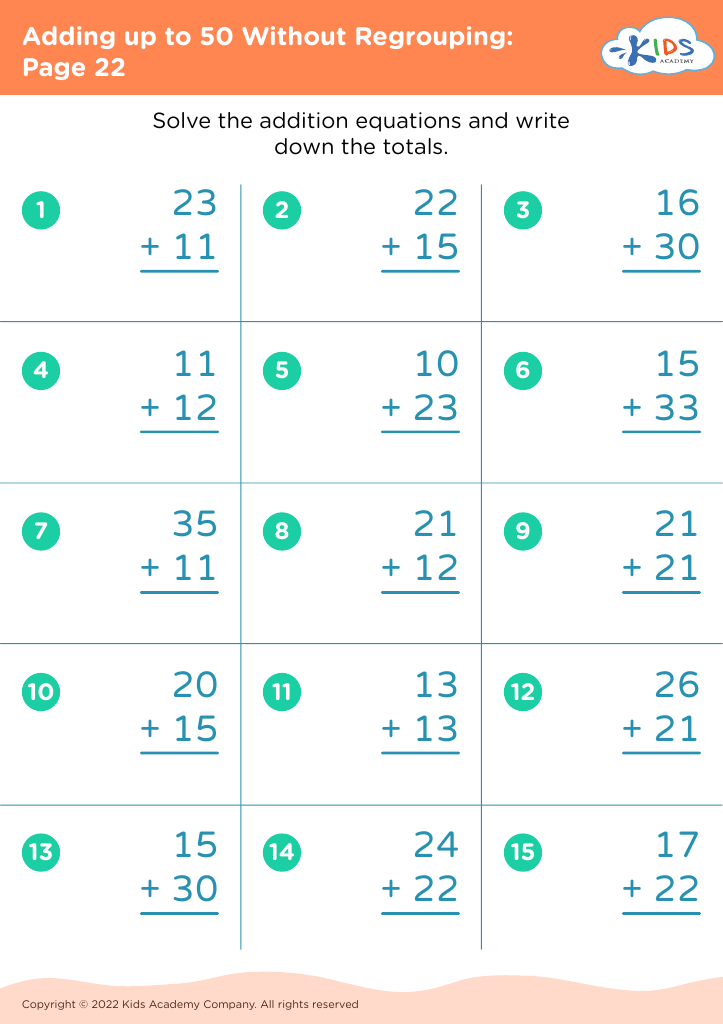
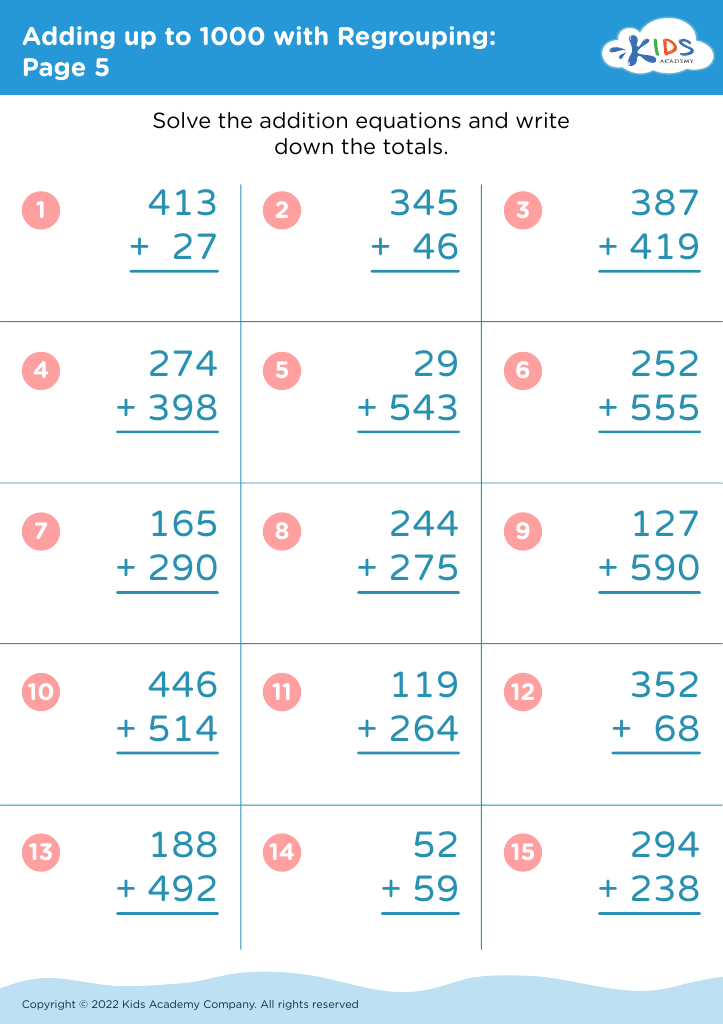
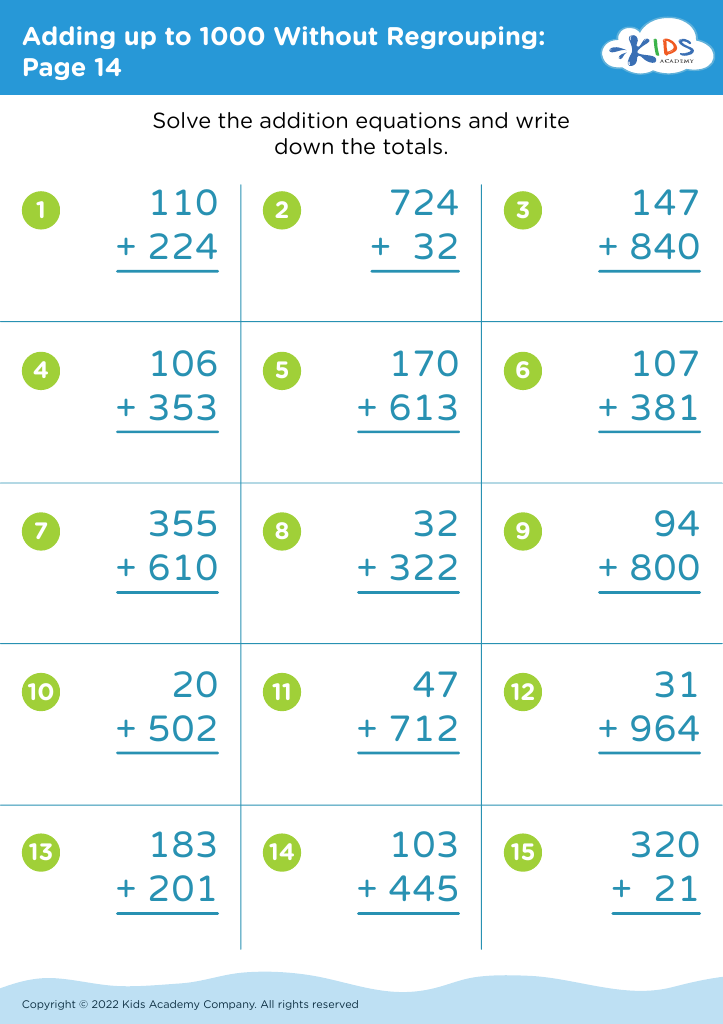
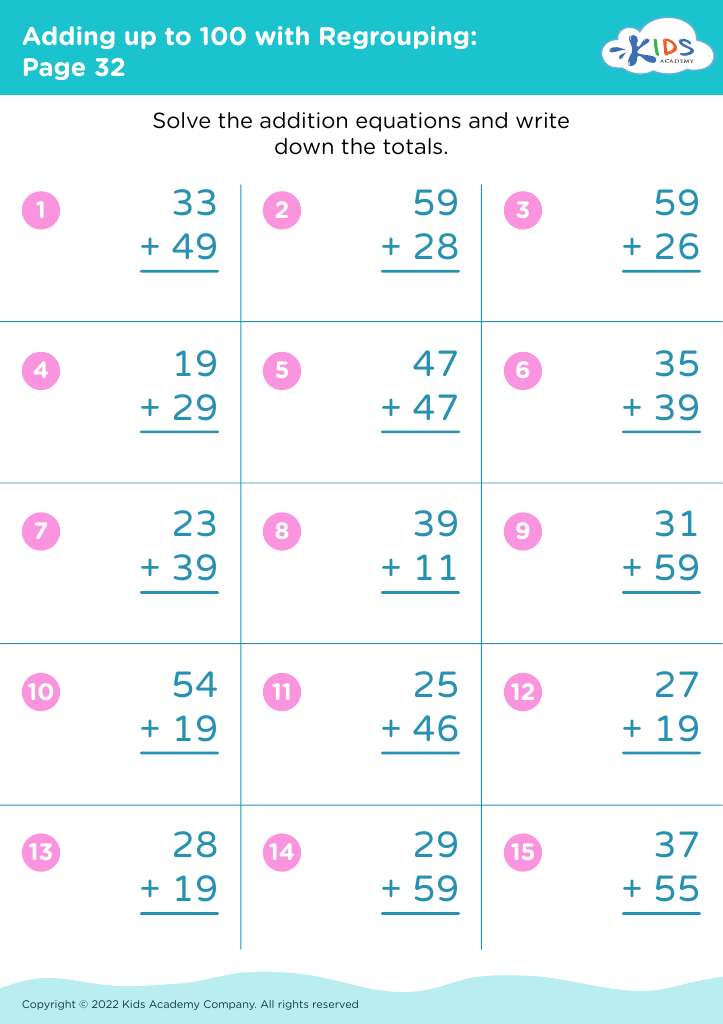
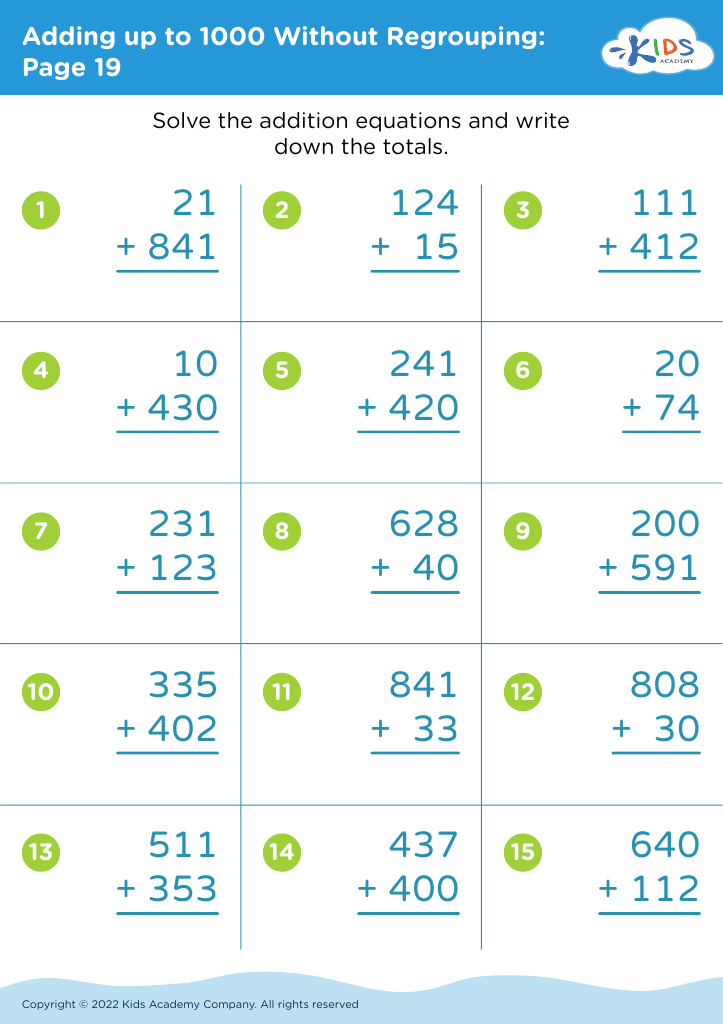
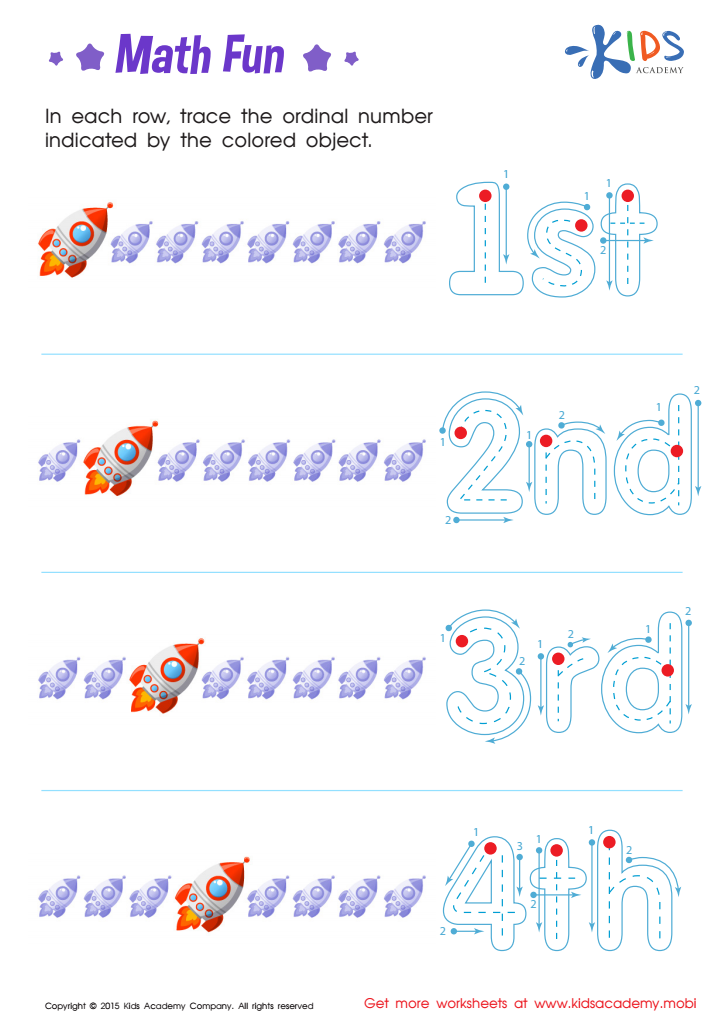
Ordinal Numbers: Math Fun Worksheet
Have fun learning ordinal numbers with our spaceship worksheet! Kids learn best while having fun and with repetition. Featuring vibrant spaceships, your child will understand placement, recognize and write ordinal numbers, and make connections. Understanding ordinal numbers leads to more advanced math concepts. Get your math whiz ready for preschool with our addition/subtraction worksheets! Have fun learning ordinal numbers and master them in no time!
 Assign to My Students
Ordinal Numbers: Math Fun Worksheet
Worksheet
Join Kids Academy for Free
Who is primarily going to use this learning content?








Color recognition, addition, and subtraction are foundational skills that play a vital role in the cognitive development of children aged 6-8. First, color recognition enhances a child's ability to categorize and process information, which is essential in developing strong observational skills. Recognizing and naming colors supports language development and enables children to describe their surroundings more precisely.
Moreover, the integration of color with mathematical concepts like addition and subtraction makes learning more engaging and interactive. For example, using colored counters or blocks can visualize mathematical problems, helping children understand abstract concepts in a concrete way. This method promotes better comprehension, retention, and a positive attitude towards math.
Additionally, incorporating colors in lesson plans can address different learning styles, catering especially to visual learners. When math is presented as a colorful, interactive adventure, children are more likely to develop confidence in their abilities, leading to active participation and enthusiasm for learning.
Ultimately, by emphasizing color recognition alongside basic addition and subtraction, parents and teachers can create a rich, multisensory learning environment that fosters curiosity, creativity, and critical thinking, all critical skills for lifelong learning. Such early experiences lay a robust foundation for future academic success.








