Counting practice Addition & Subtraction Worksheets for Ages 6-8 - Page 3
70 filtered results
-
From - To
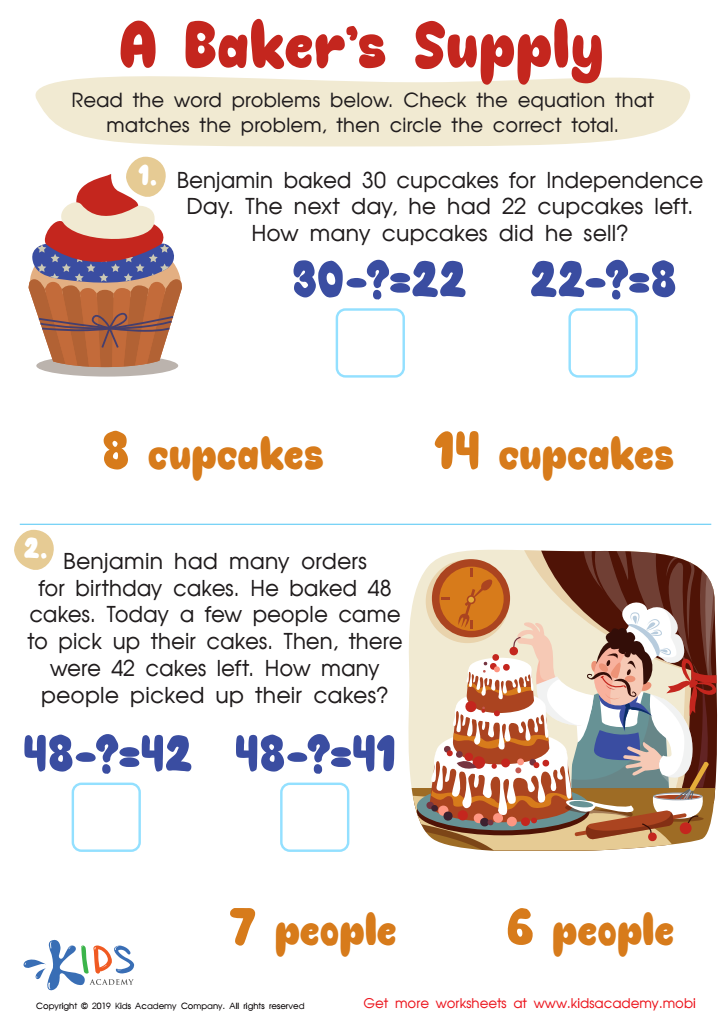
A Baker's Supply Worksheet
 Assign to My Students
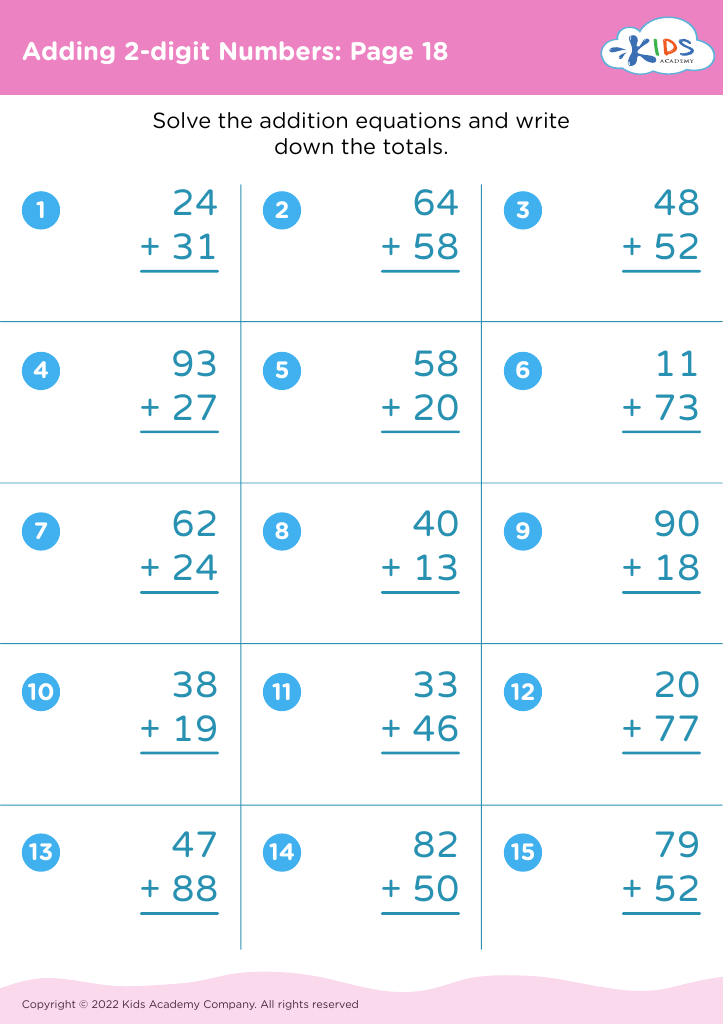
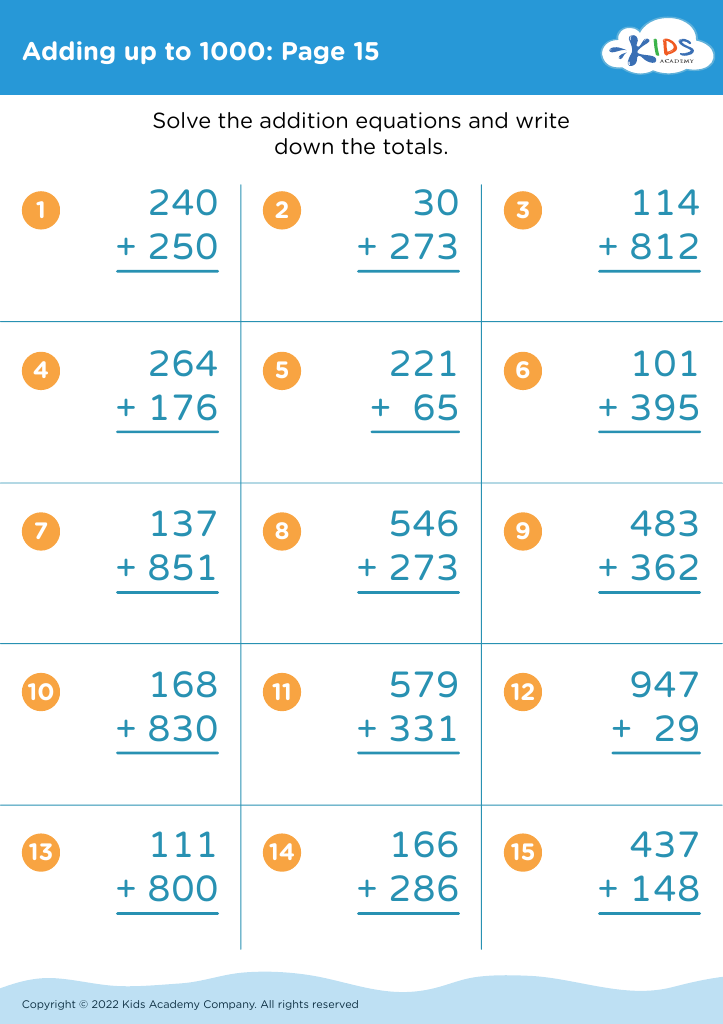
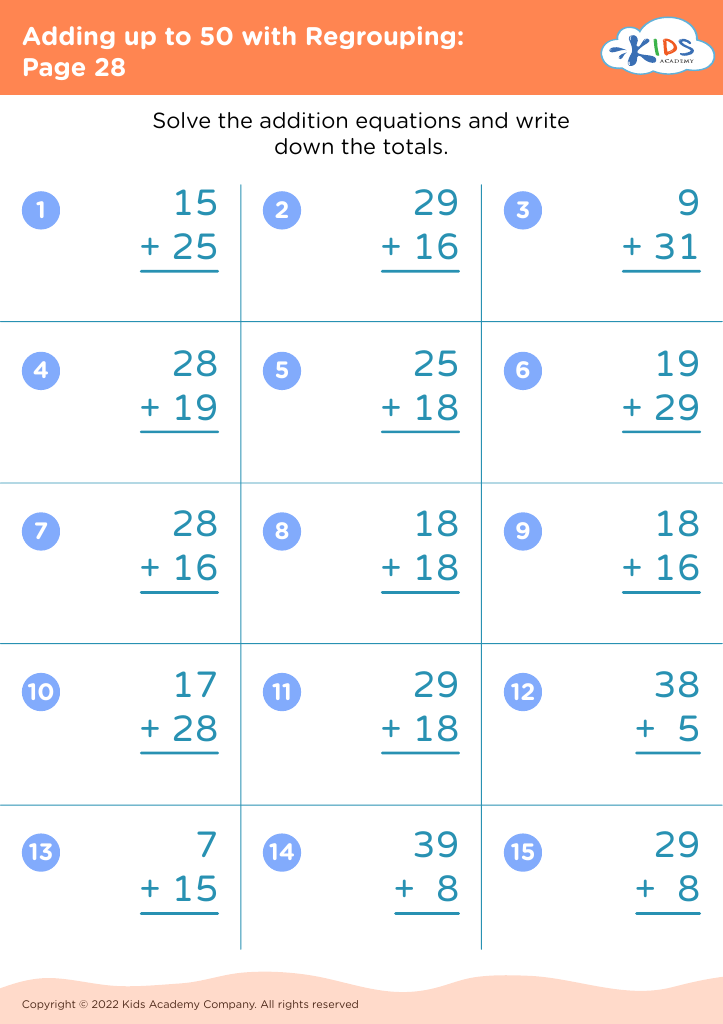
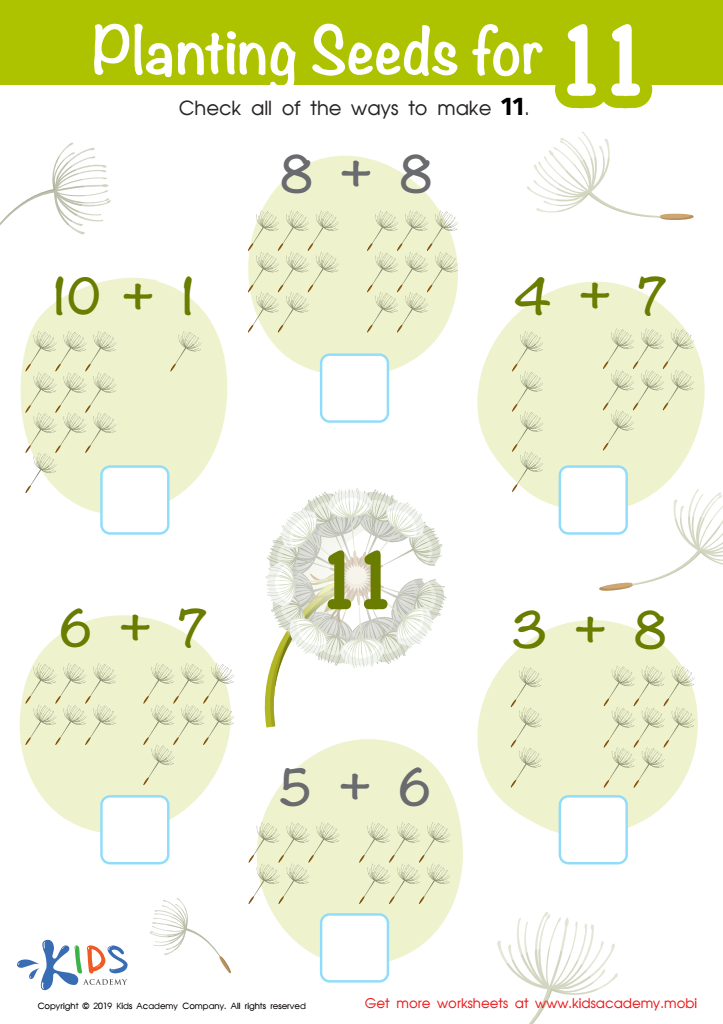
Planting Seeds for 11 Worksheet
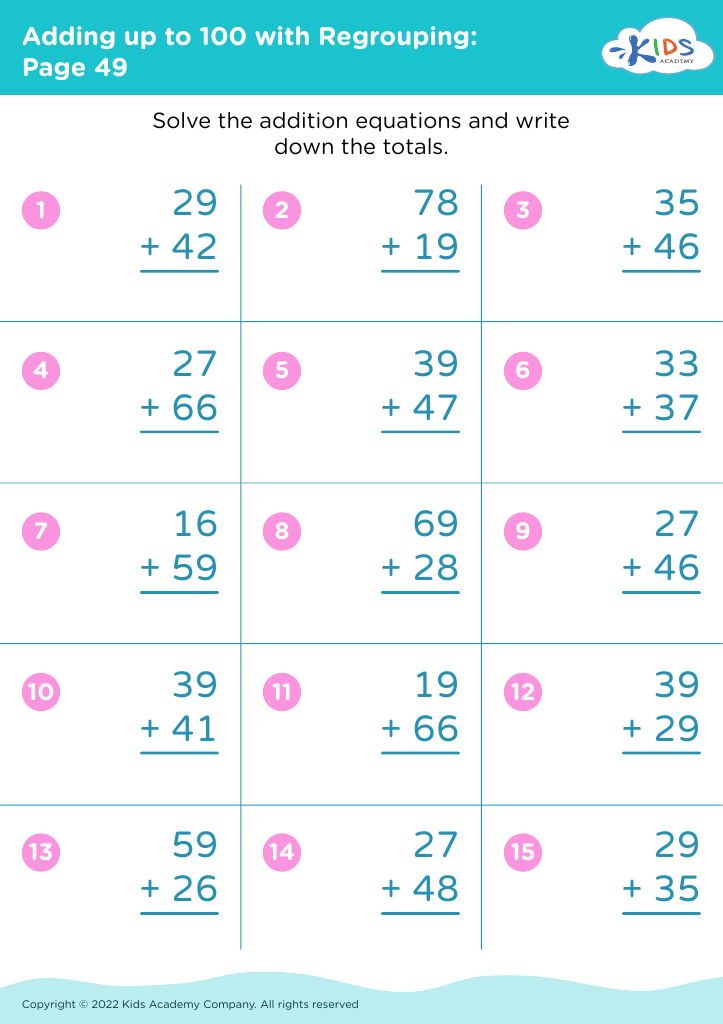
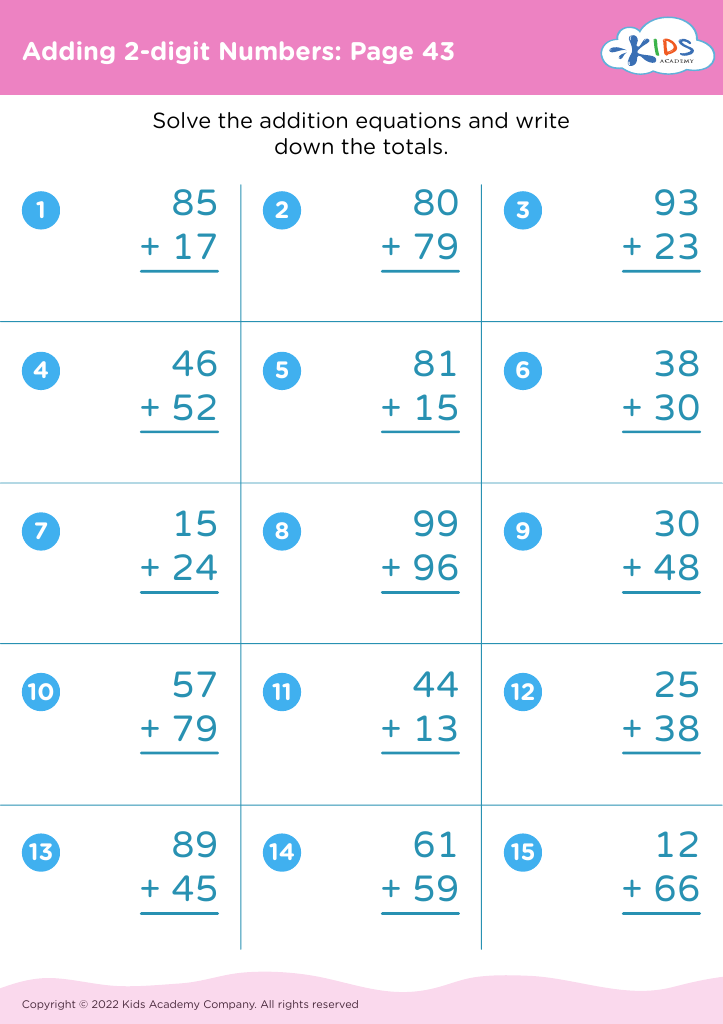
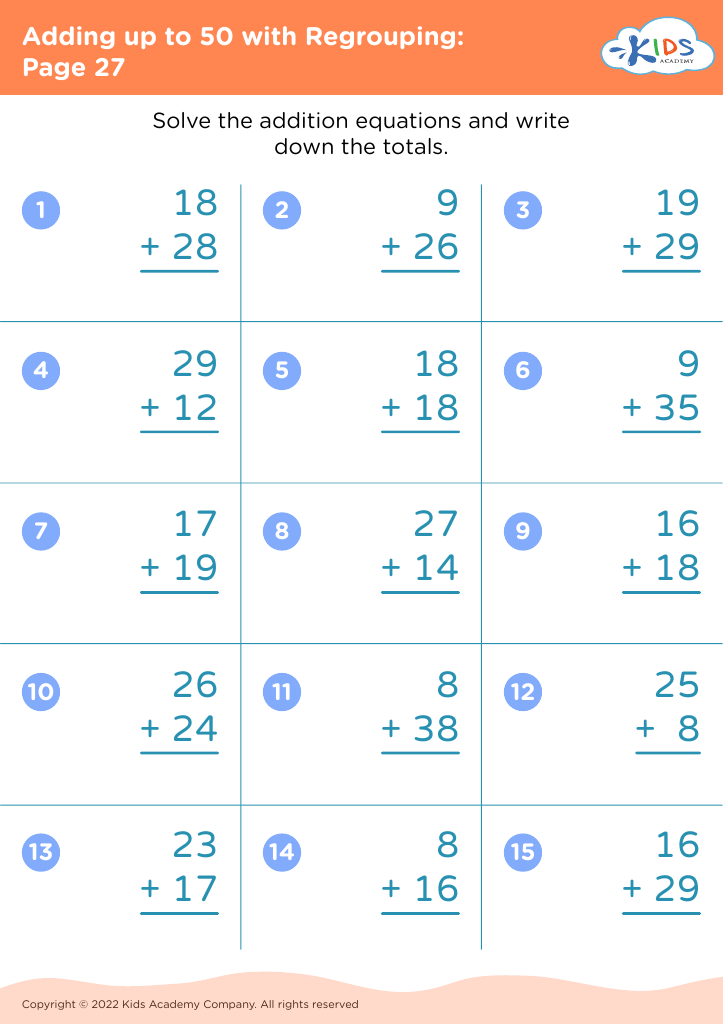
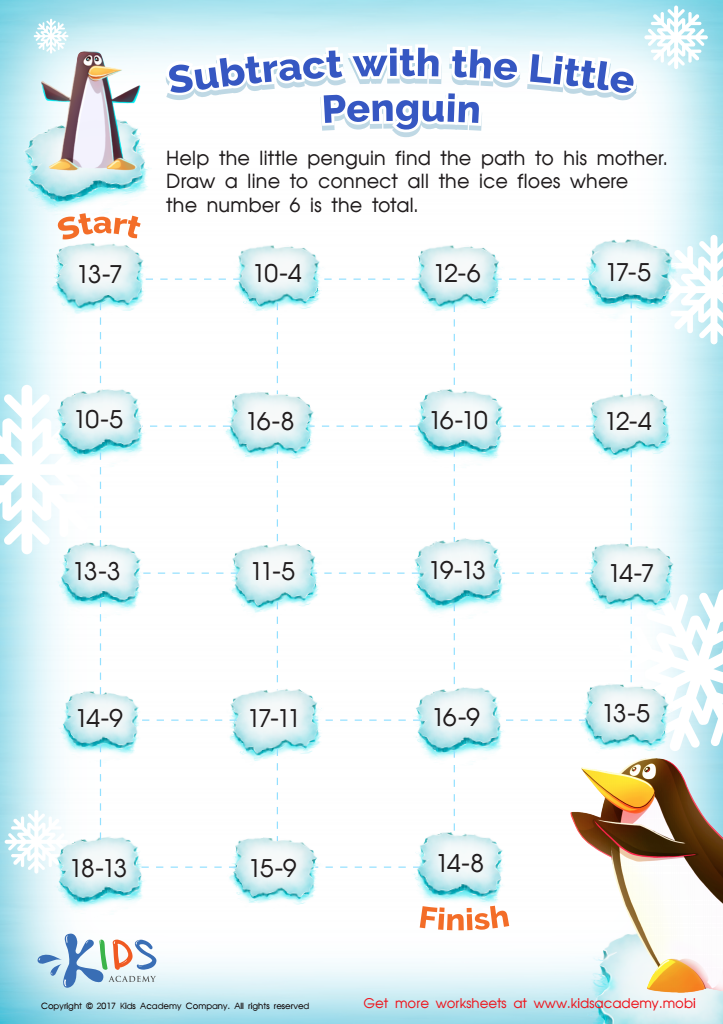
Subtract With The Little Penguin Substraction Worksheet
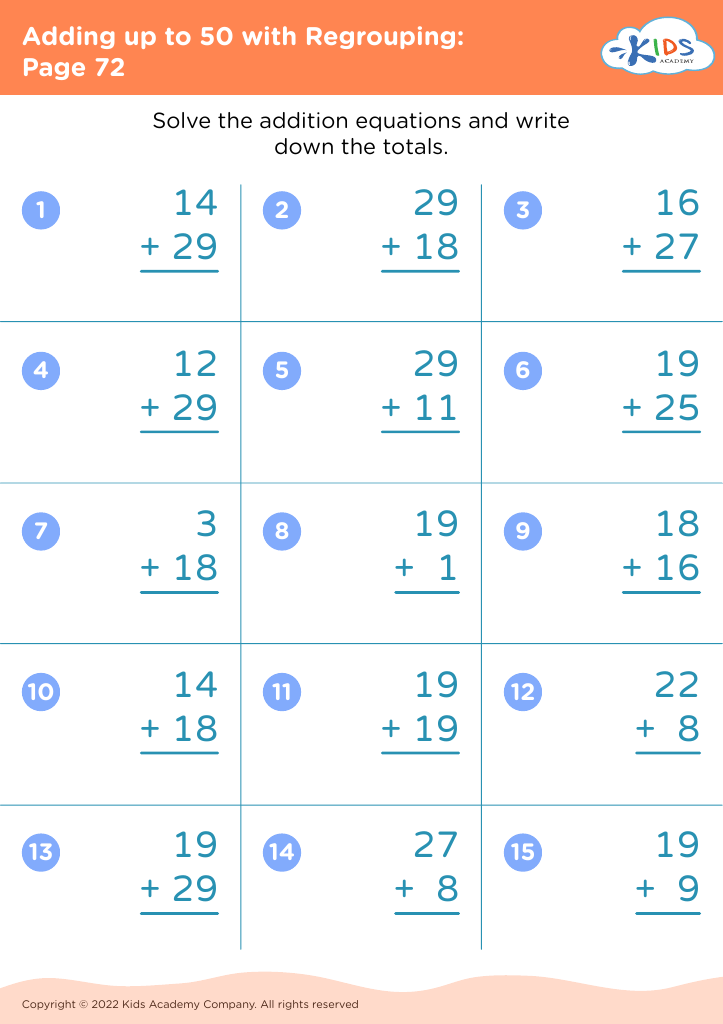
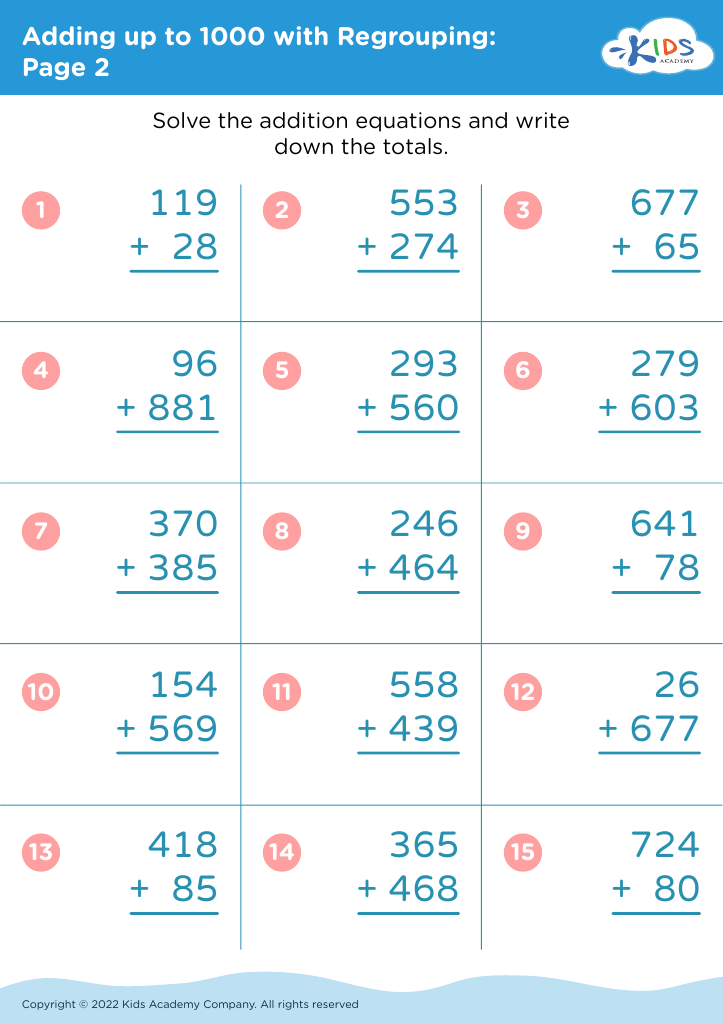
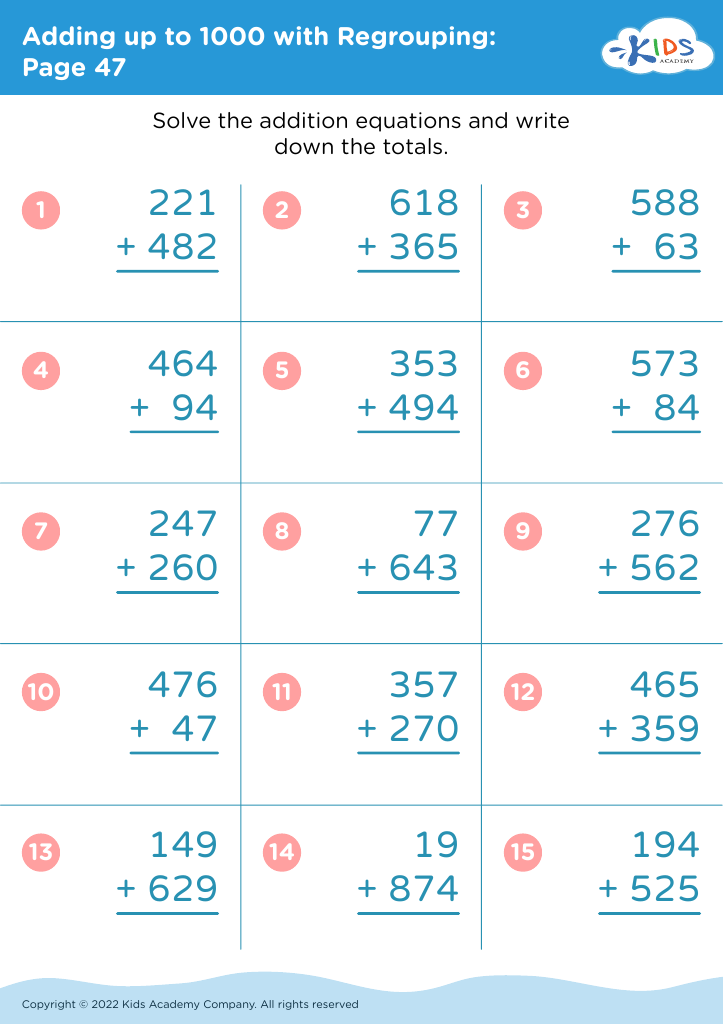
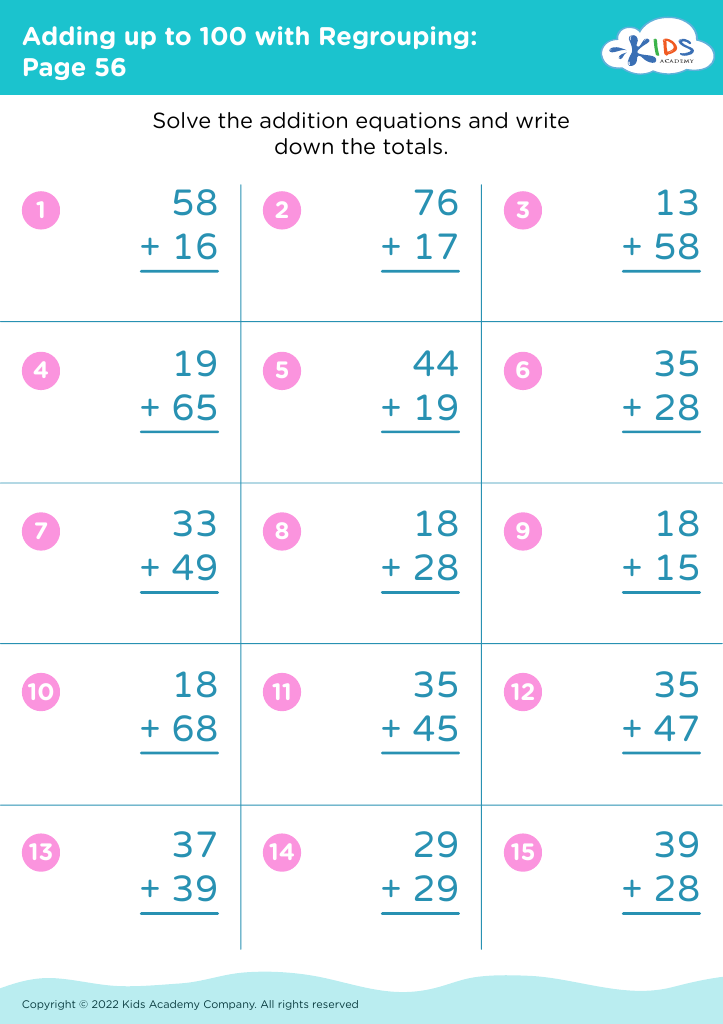
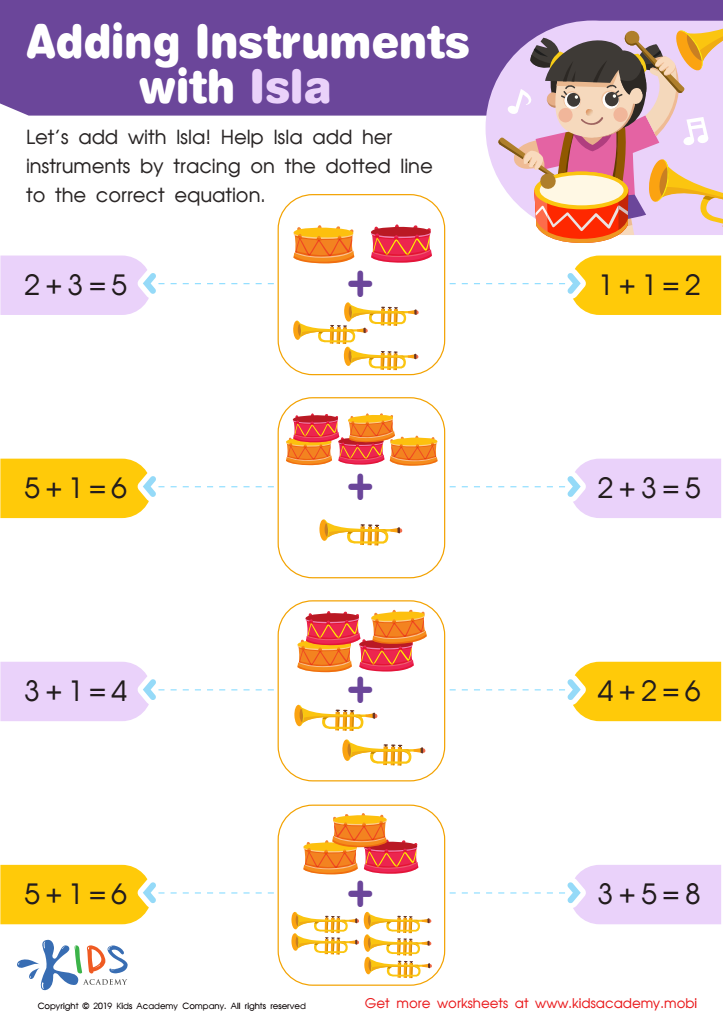
Adding Instruments with Isla Worksheet
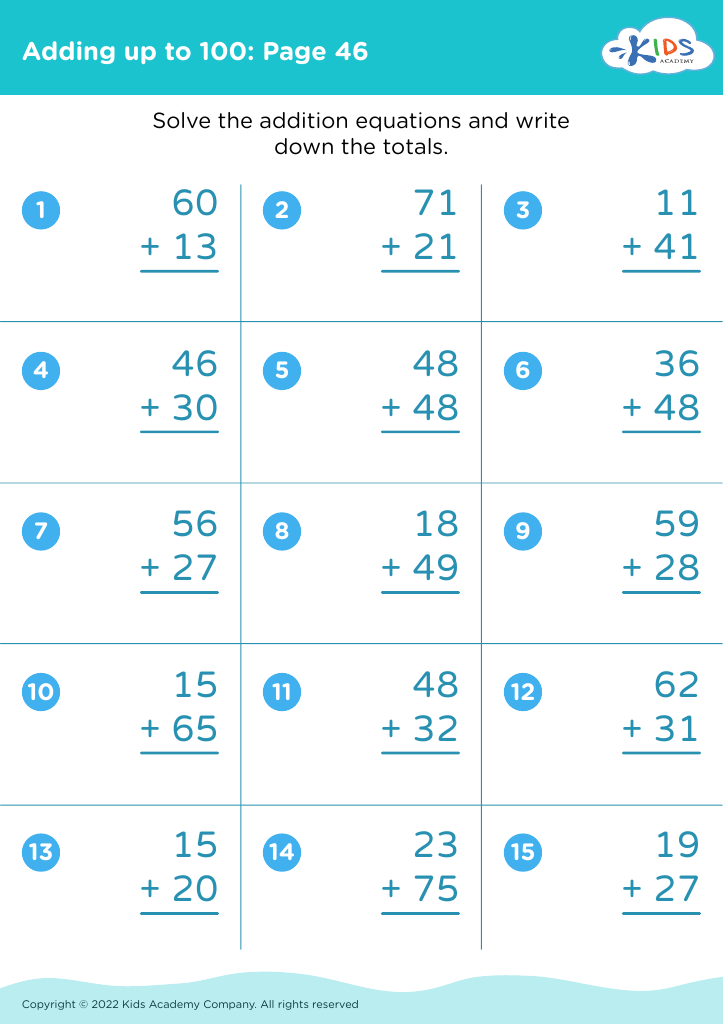
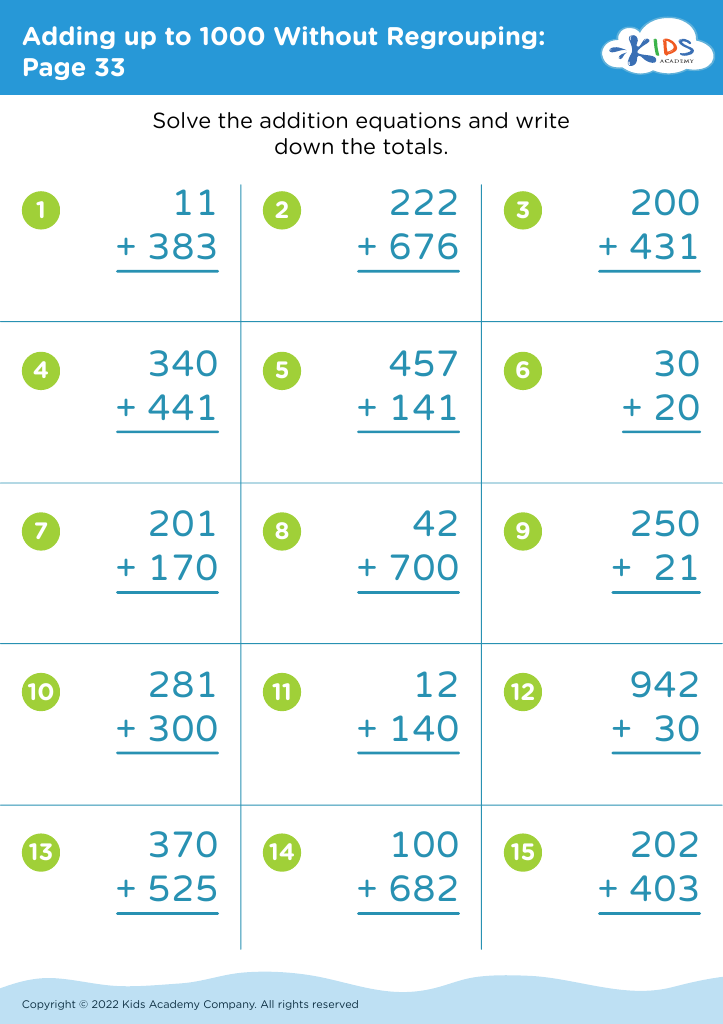








Counting practice, addition, and subtraction are foundational skills in mathematics and hold significant importance for children aged 6-8. At this developmental stage, young minds are highly receptive to learning new concepts, and acquiring proficiency in basic arithmetic sets the stage for future academic success.
First, counting fosters number sense, an essential skill that allows children to understand and work with numbers meaningfully. It establishes the groundwork for more advanced math operations, such as problem-solving and logical reasoning.
Practicing addition and subtraction enables children to perform basic calculations, enhancing their cognitive abilities and boosting their confidence in handling everyday tasks, like time management and budgeting. Proficiency in these skills is not limited to academics alone; it also prepares children for real-world scenarios where these computations are inevitable.
Moreover, activities involving counting, addition, and subtraction can be engaging and fun, nurturing a positive attitude towards mathematics. Interactive methods, such as games and hands-on activities, make learning enjoyable and stimulate continuous engagement.
Ultimately, early mastery in counting, and basic arithmetic, significantly impacts a child's lifelong numeracy skills. Parents and teachers play a crucial role in providing regular practice and support, laying a robust mathematical foundation that will facilitate advanced learning and academic achievement in the years to come.








