Improve number recognition Addition & Subtraction Worksheets for Ages 6-8
15 filtered results
-
From - To
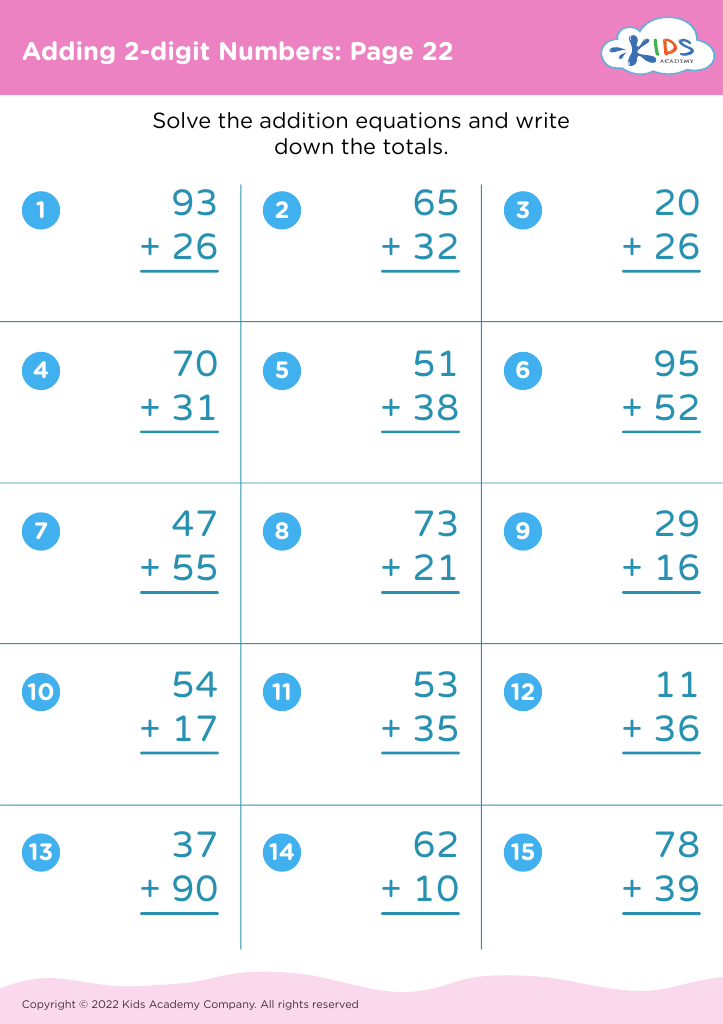
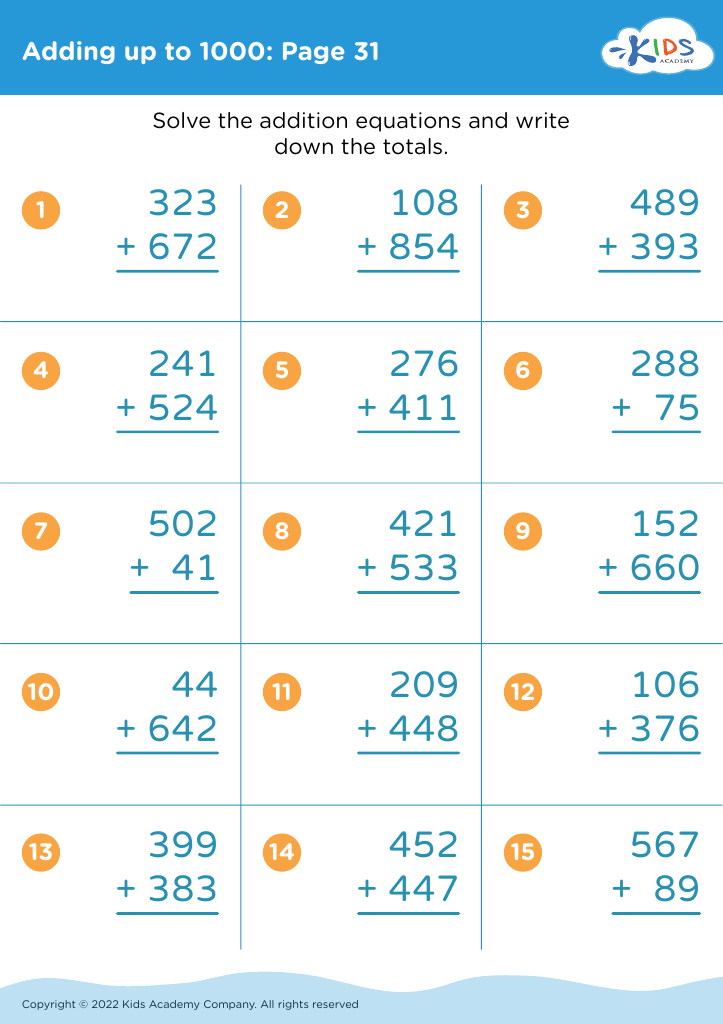
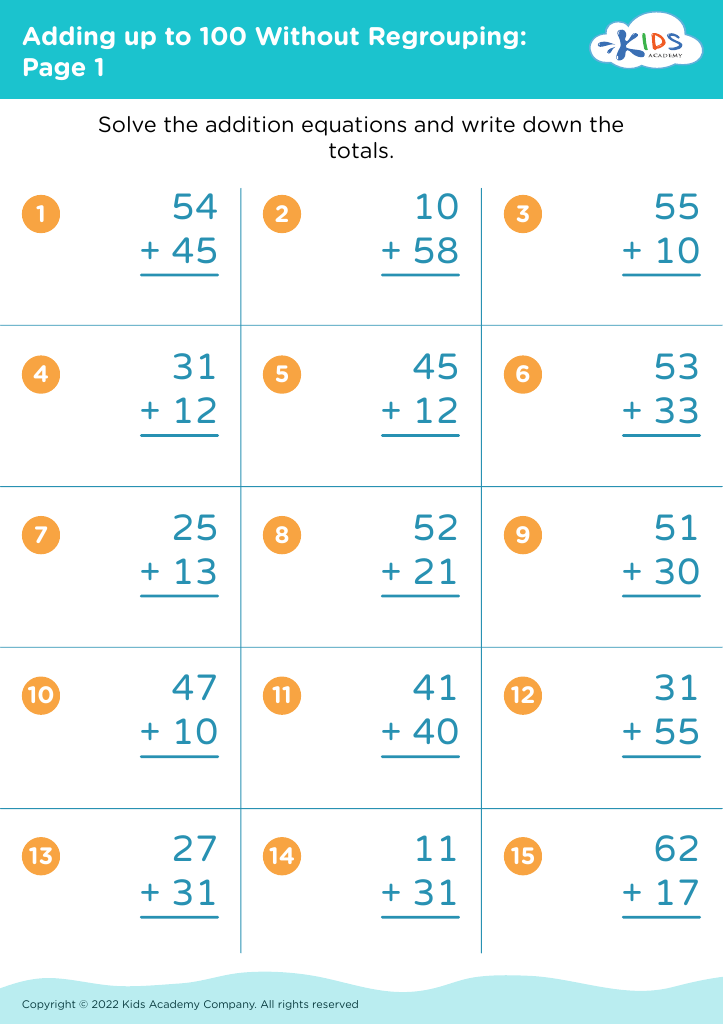
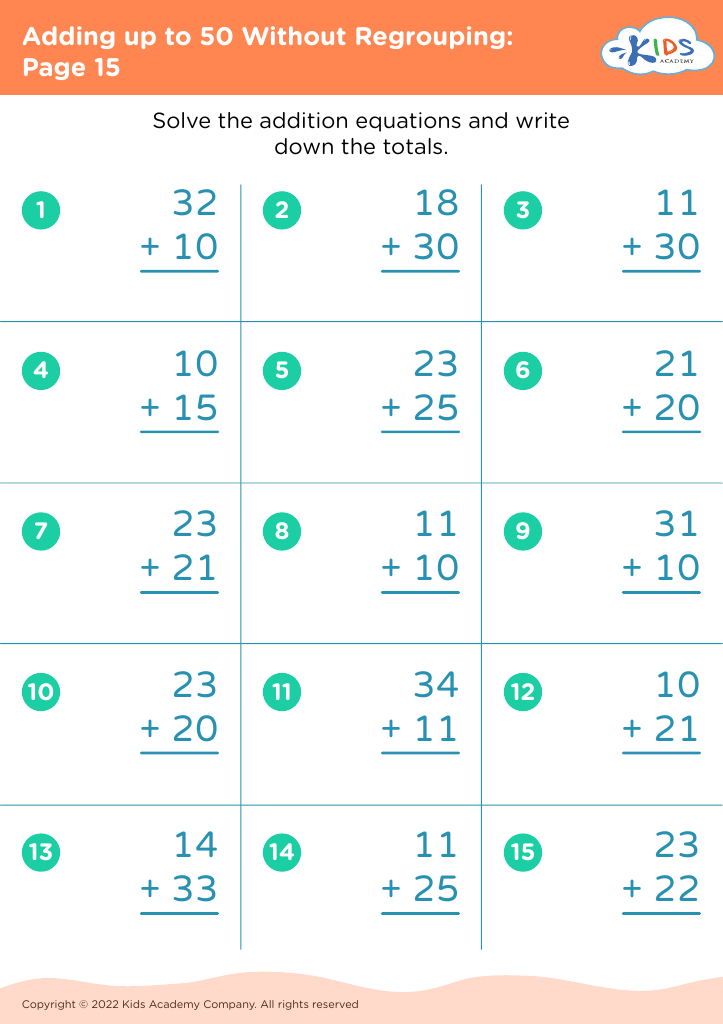
Enhance your child's math skills with our engaging Addition and Subtraction Worksheets designed specifically for ages 6-8! These fun, printable resources focus on improving number recognition while helping children master basic operations. Our worksheets feature colorful illustrations and varied exercises that promote learning through play. By practicing with our thoughtfully crafted activities, your young learner will build a strong foundation in mathematics, boosting their confidence and problem-solving abilities. Perfect for classrooms or home use, these worksheets are an invaluable tool to support your child's educational journey. Watch them excel as they explore numbers and develop essential math skills!
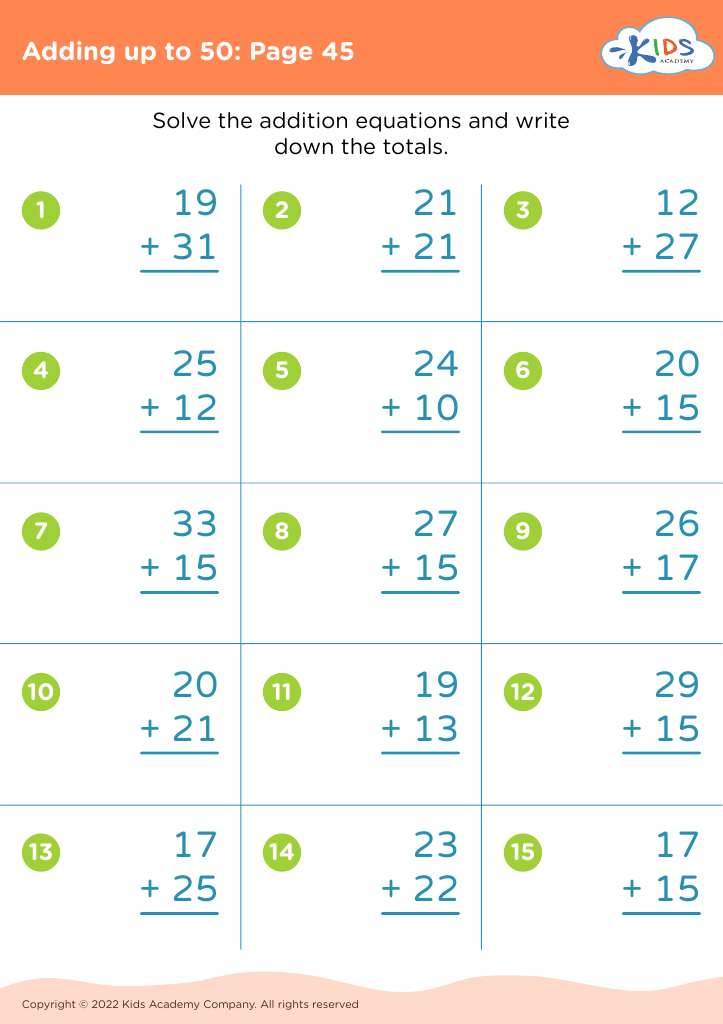
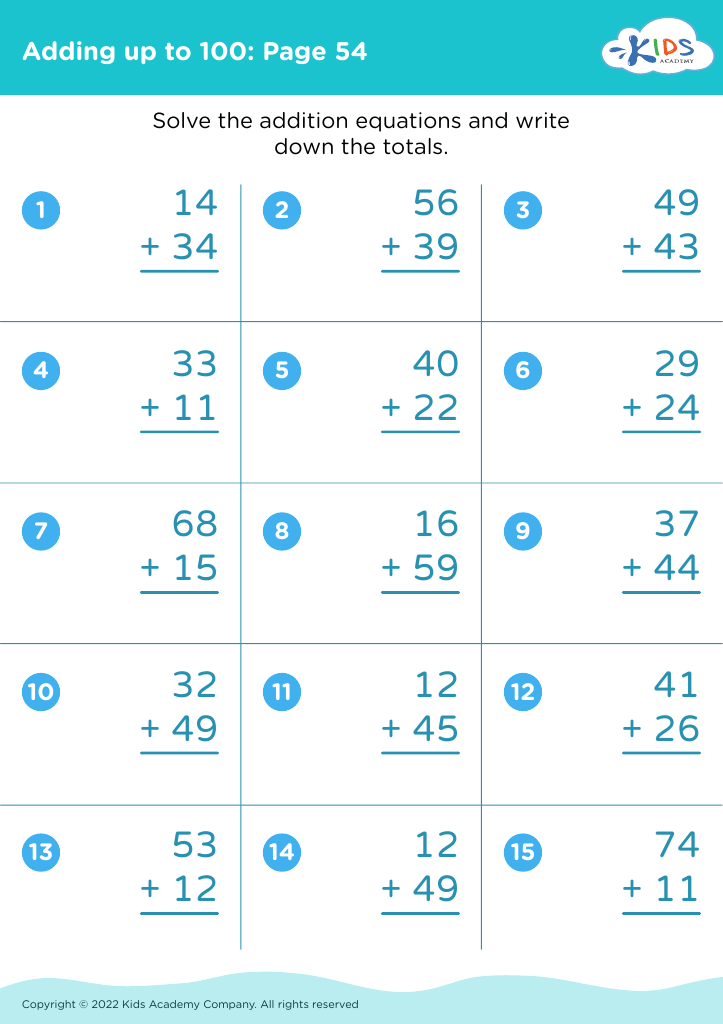
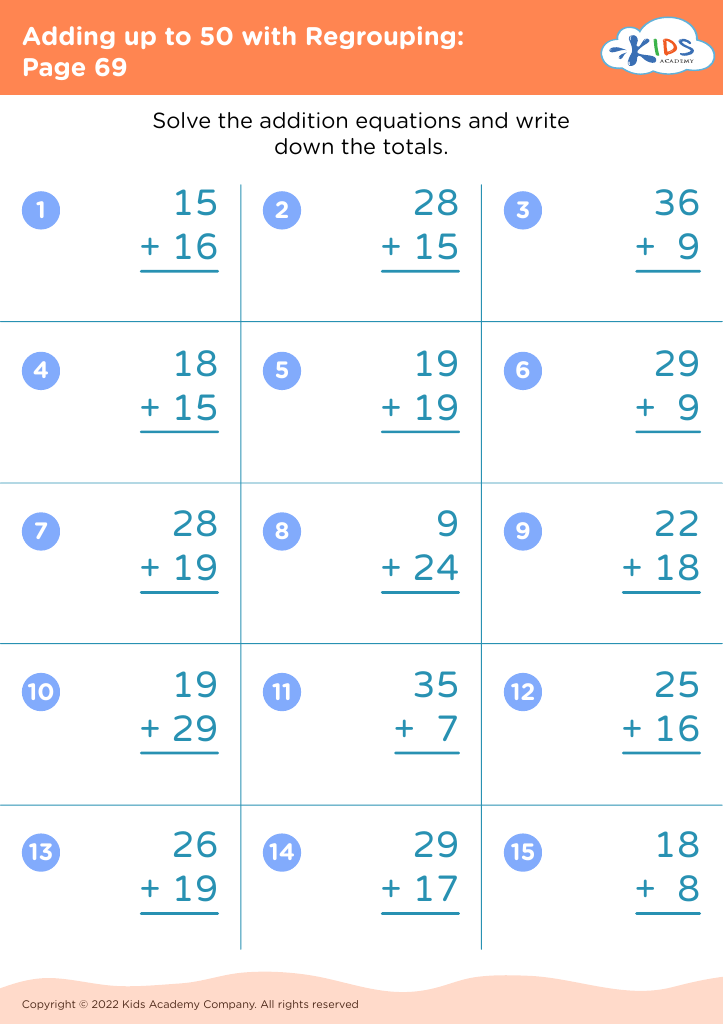
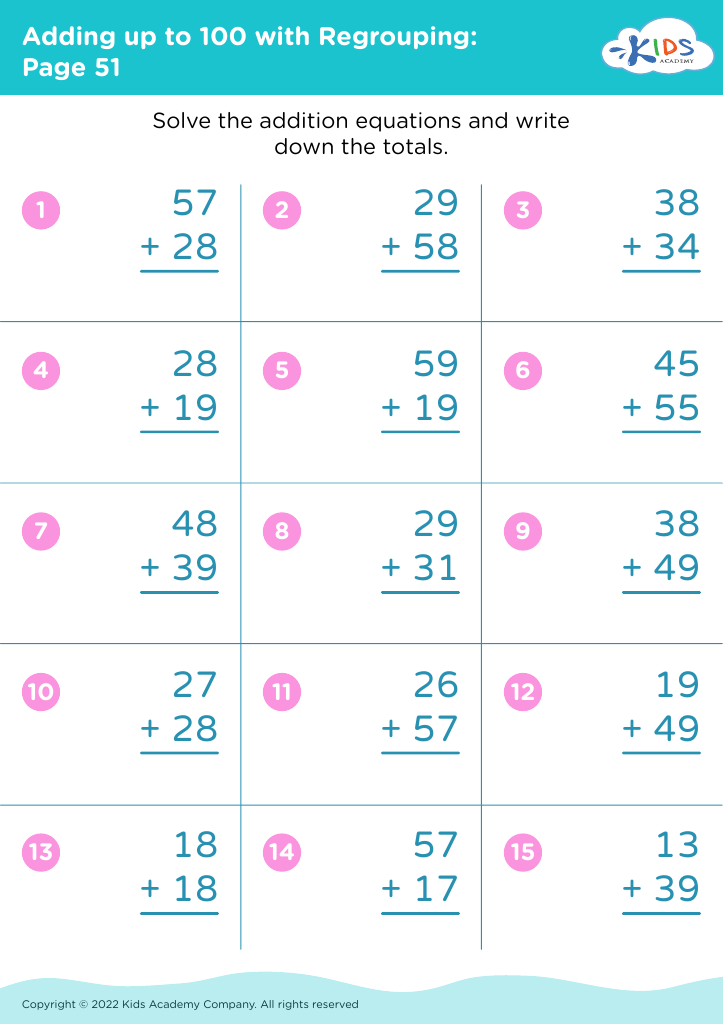
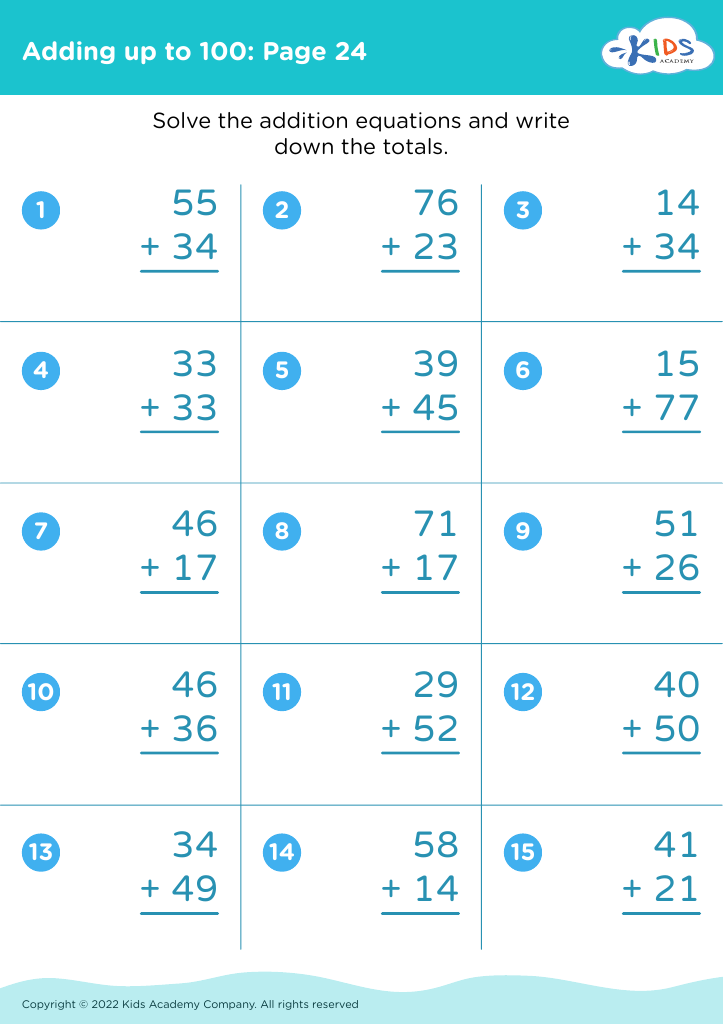
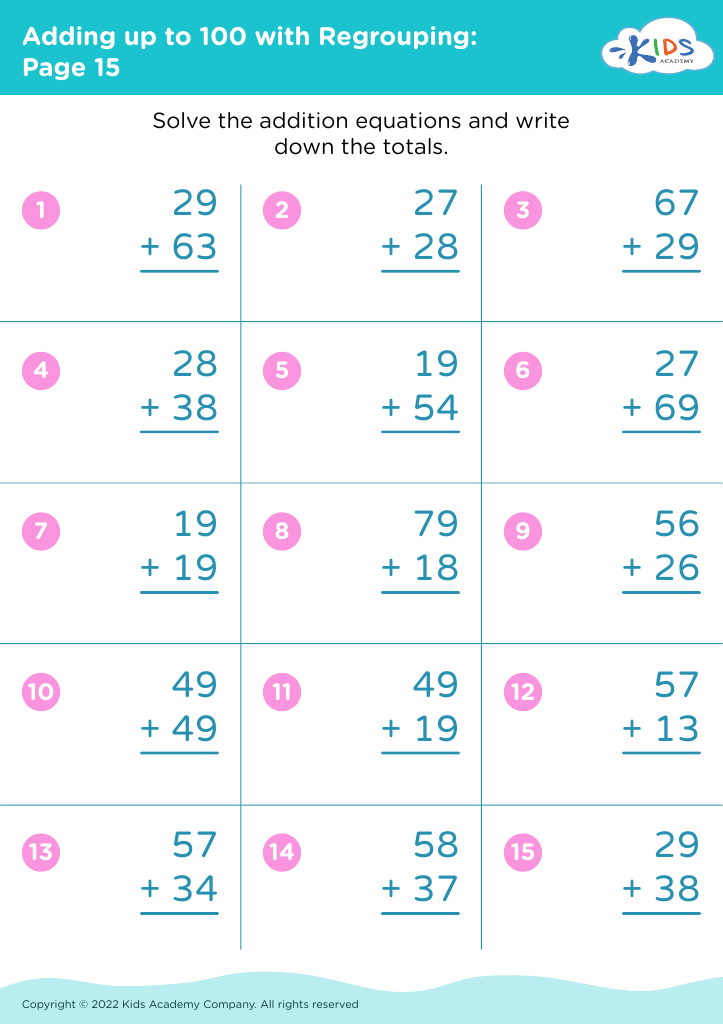
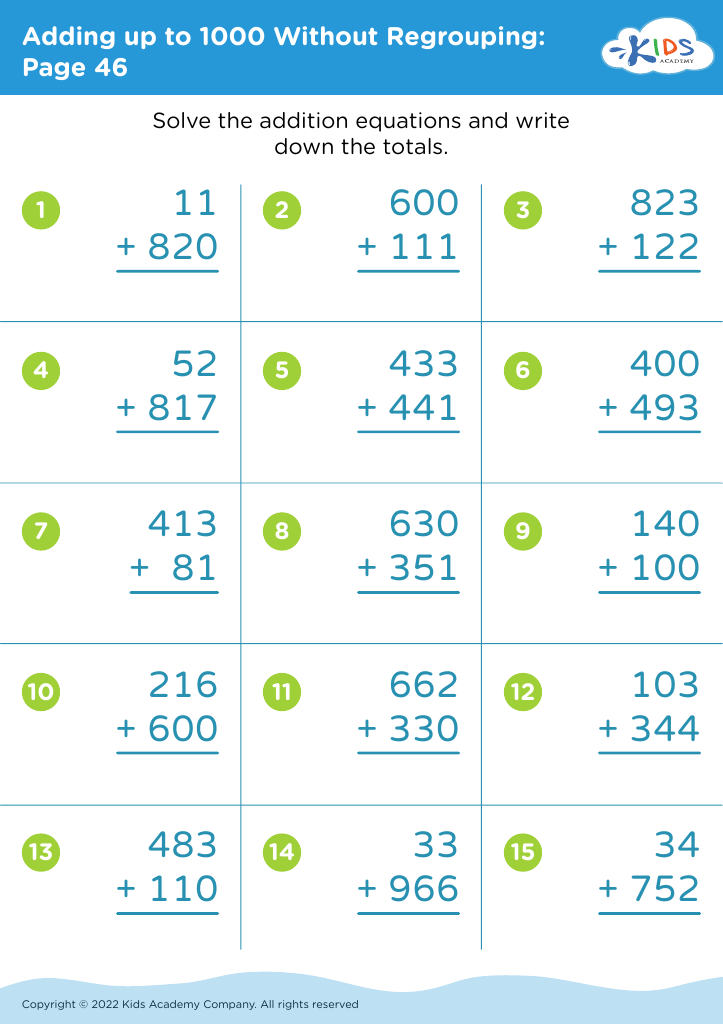
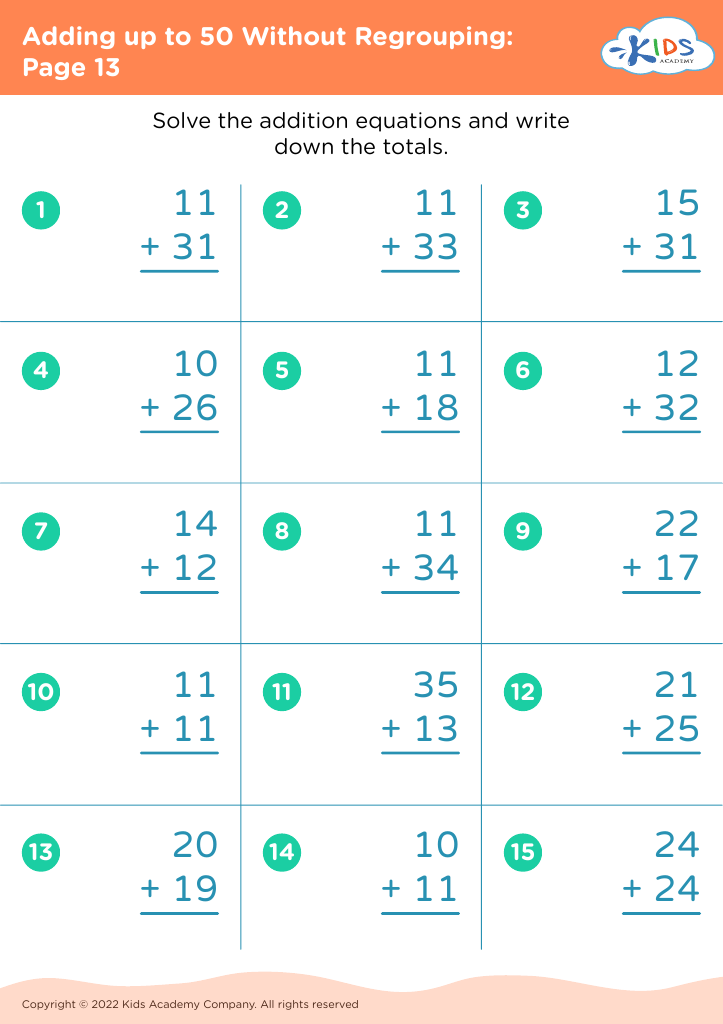
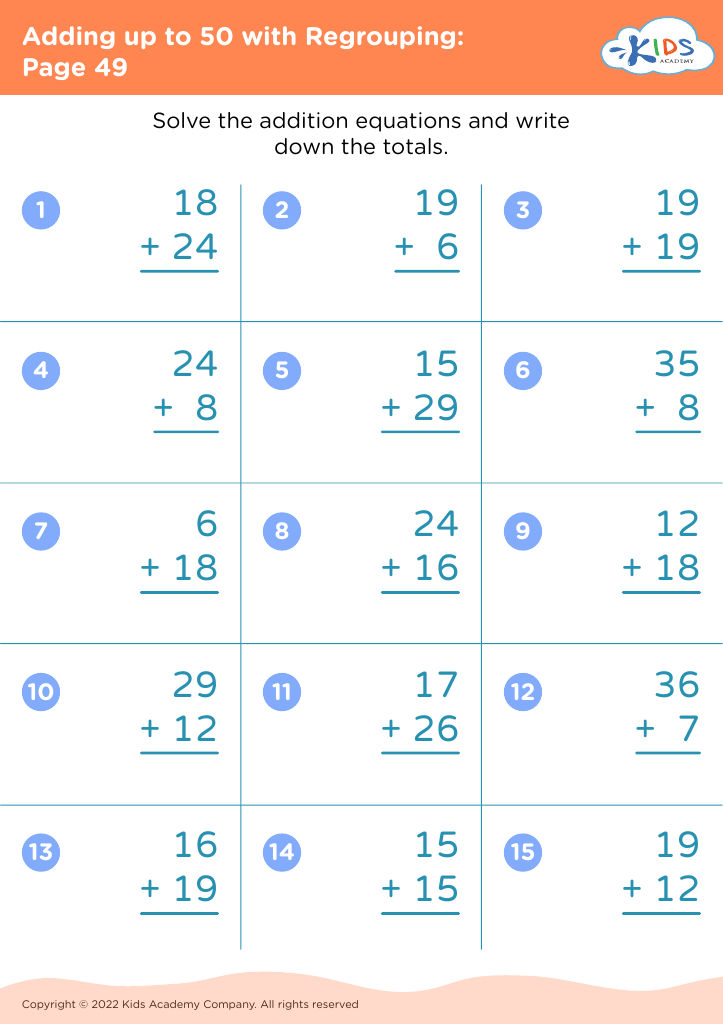
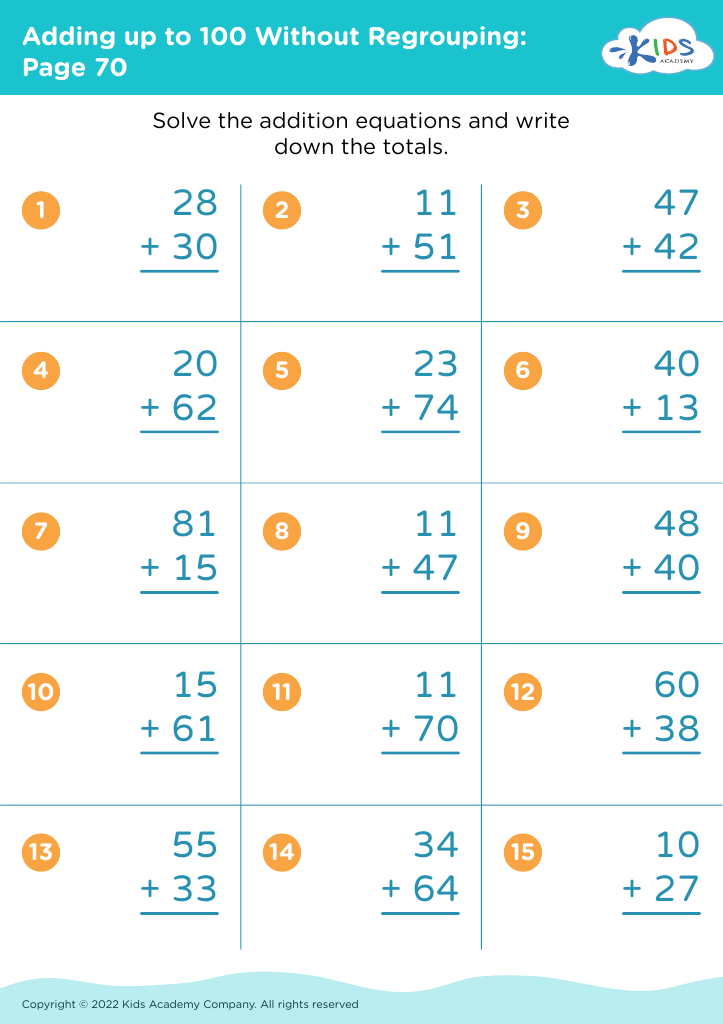
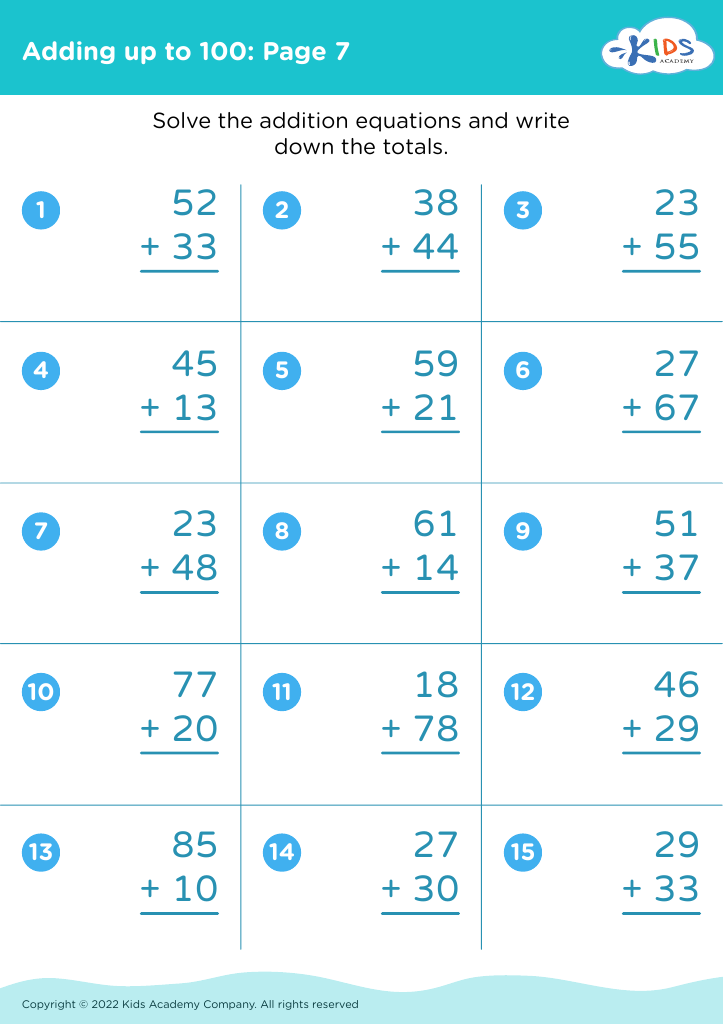








Developing number recognition, addition, and subtraction skills in children aged 6-8 is crucial for their mathematical foundation and overall cognitive development. At this age, children's brains are highly adaptable, making it an ideal time to establish strong numeracy skills that will support their future learning. Number recognition enables children to identify and understand numerical values, fostering confidence in tackling mathematical concepts.
Addition and subtraction are fundamental operations that not only lay the groundwork for more complex math topics—as children progress to multiplication, division, and beyond—but also cultivate critical thinking and problem-solving abilities. Mastery of basic arithmetic can enhance children's participation in everyday activities such as budgeting, cooking, and telling time, reinforcing their practicality and independence.
Furthermore, these skills contribute to improved academic performance across subjects by fostering logical reasoning and analytical thinking. When parents and teachers invest in these essential skills through engaging activities and supportive teaching methods, they play a vital role in their children's educational journey. Encouraging development in number recognition before the age of eight promotes a love for math and lays a solid platform for lifelong learning, enabling students to thrive academically and personally.








