Recognizing numbers Addition & Subtraction Worksheets for Ages 6-8
5 filtered results
-
From - To
Discover a variety of engaging addition and subtraction worksheets designed for children ages 6-8, focusing on recognizing numbers. Our carefully crafted activities help young learners develop essential math skills through fun exercises. With colorful visuals and kid-friendly themes, these worksheets make learning enjoyable and effective. Children will enhance their number recognition, practice basic math operations, and build confidence in their abilities. Ideal for home or classroom use, our comprehensive resources cater to different learning styles, ensuring each child progresses at their own pace. Start your child’s math journey with our interactive and educational worksheets today!
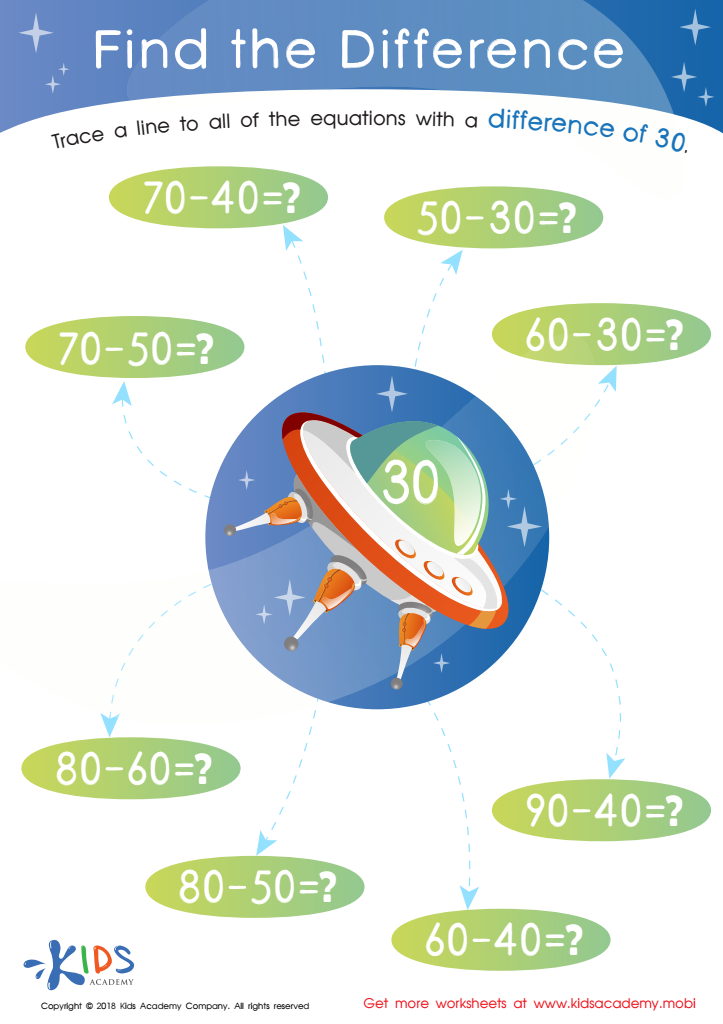
Find The Difference Worksheet
 Assign to My Students
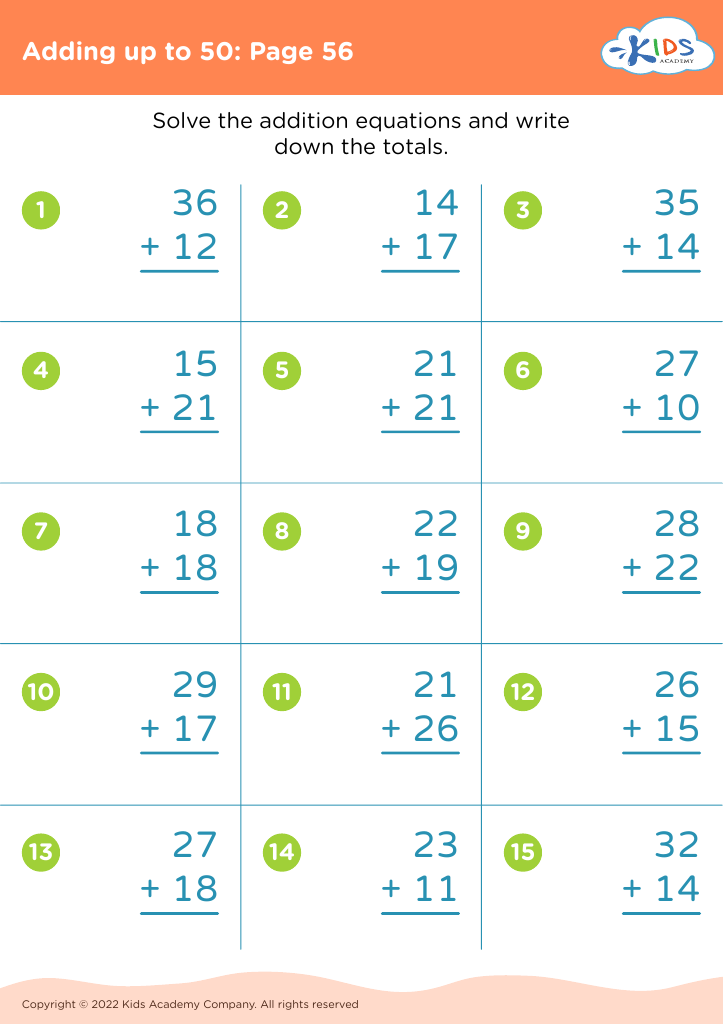
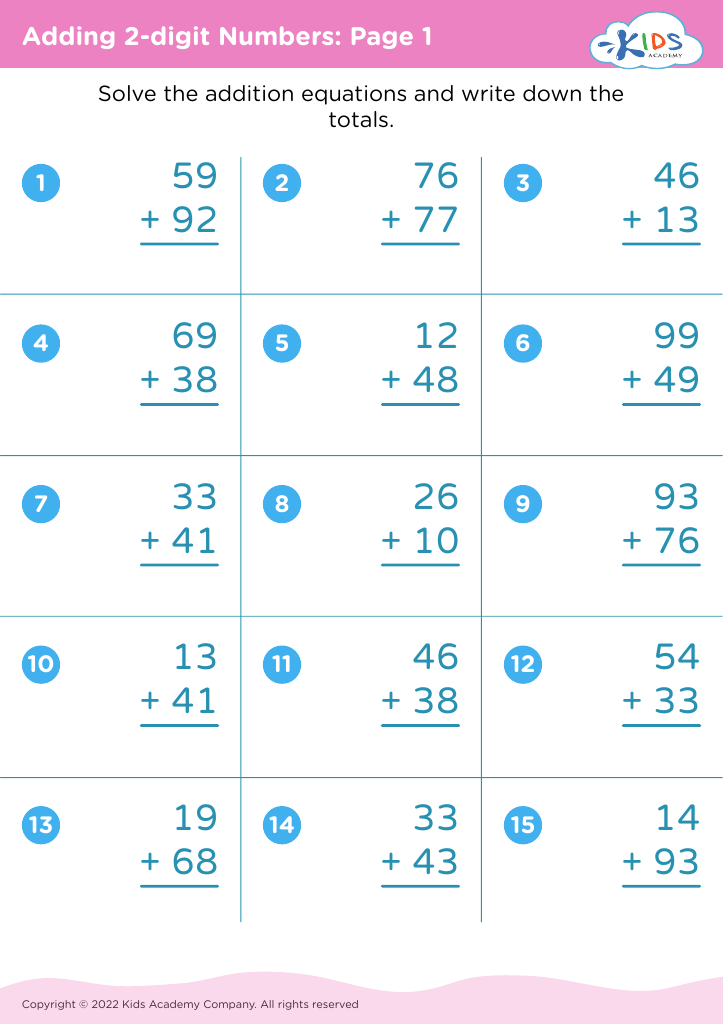
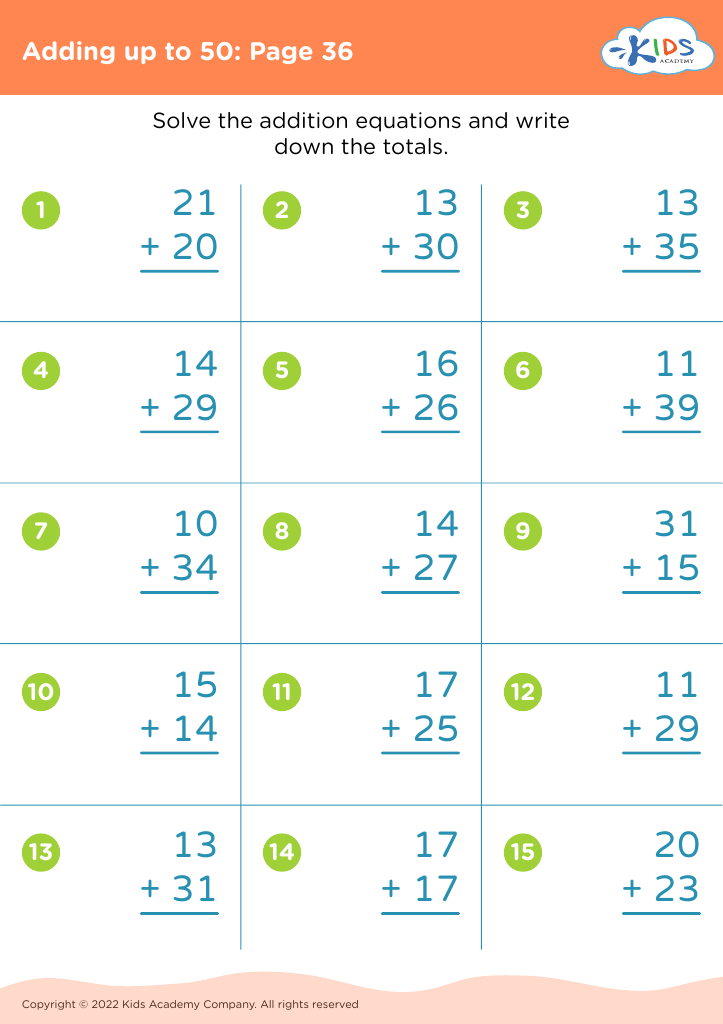
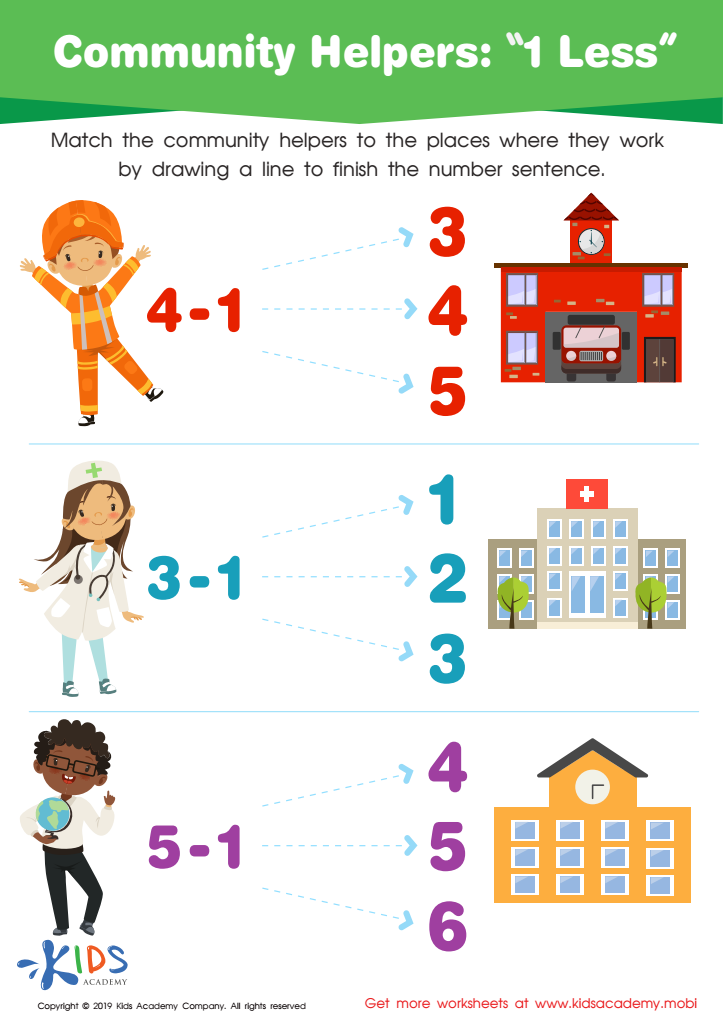
Community Helpers: 1 less Worksheet








Recognizing numbers and mastering addition and subtraction are fundamental skills critical for children aged 6-8, laying a strong foundation for their future learning. At this developmental stage, children transition from concrete to abstract thinking, making it vital for them to grasp these mathematical concepts effectively.
Parents and teachers should prioritize this because these skills are not just academic; they are essential for everyday problem-solving. Mastering number recognition and basic arithmetic provides children with the confidence to approach more complex mathematical challenges later on. Engaging with numbers fosters logical reasoning and critical thinking, skills necessary for success in various subjects beyond mathematics.
Moreover, proficiency in addition and subtraction supports literacy development. For instance, understanding numerical word problems enhances reading comprehension while helping children relate real-life scenarios to mathematical concepts. In social settings, number skills aid in building relationships, encouraging teamwork, and promoting fairness through activities like games.
Lastly, early mastery helps prevent future gaps in knowledge and understanding, contributing to better overall performance and reduced anxiety around math in later years. By giving these skills the attention they deserve, parents and teachers can ensure children develop a strong mathematical foundation that supports lifelong learning.








