Filters

16 filtered results

Clear all filters
Favorites
With answer key
Interactive

16 filtered results

Difficulty Level

Grade


Discover our "Basic Addition Worksheets for Ages 6-8," designed to make learning math fun and engaging! These worksheets help young learners master fundamental addition skills through a variety of interactive exercises and colorful illustrations. Children will explore single-digit addition, tackle simple word problems, and develop number sense, all while building confidence in their math abilities. Perfect for both classroom use and homeschooling, our resources ensure that students grasp basic addition concepts effectively. Downloadable and printable, these worksheets provide endless opportunities for practice, enabling your child to shine in math while enjoying the learning process! Get started today!
Check out this FREE Trial Lesson on Addition for age 6-8!

Z

Favorites
With answer key
Interactive
  • 6-8
  • Basic Addition
  • Addition
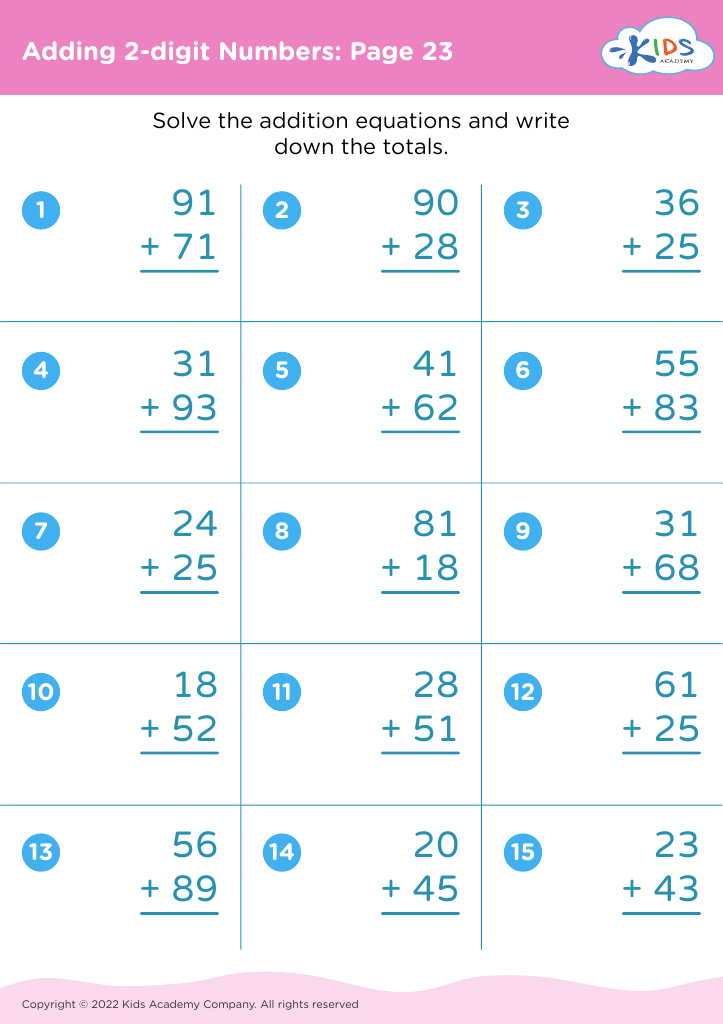
Adding 2-digit Numbers: Page 23

Adding 2-digit Numbers: Page 23

Adding 2-digit Numbers: Page 23
Worksheet
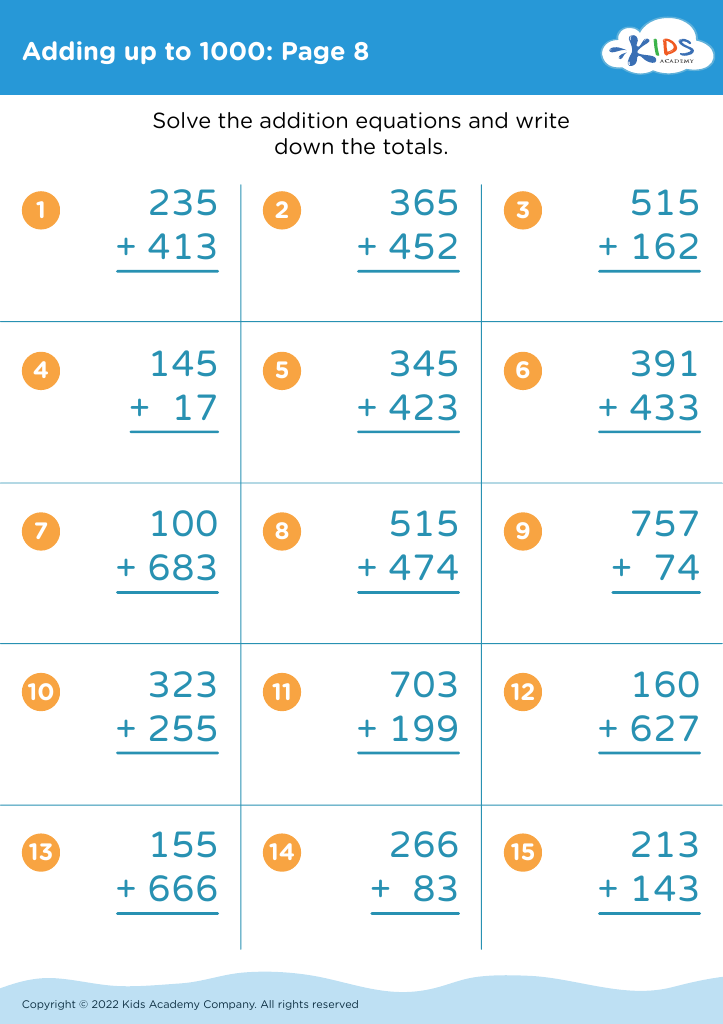
Adding up to 1000: Page 8

Adding up to 1000: Page 8

Adding up to 1000: Page 8
Worksheet
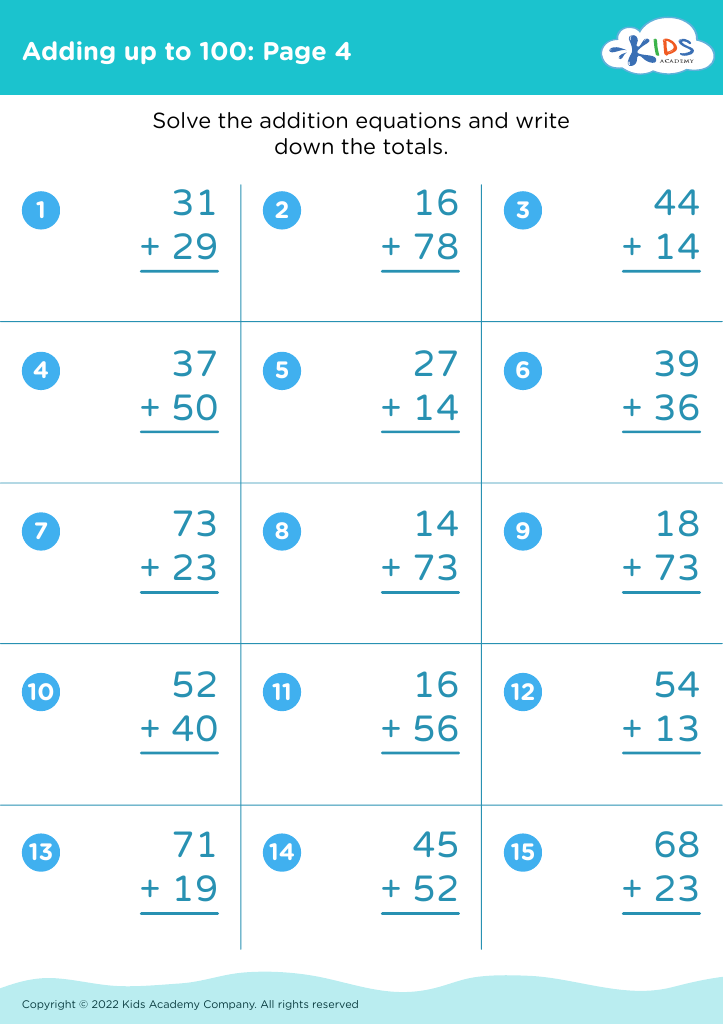
Adding up to 100: Page 4

Adding up to 100: Page 4

Adding up to 100: Page 4
Worksheet
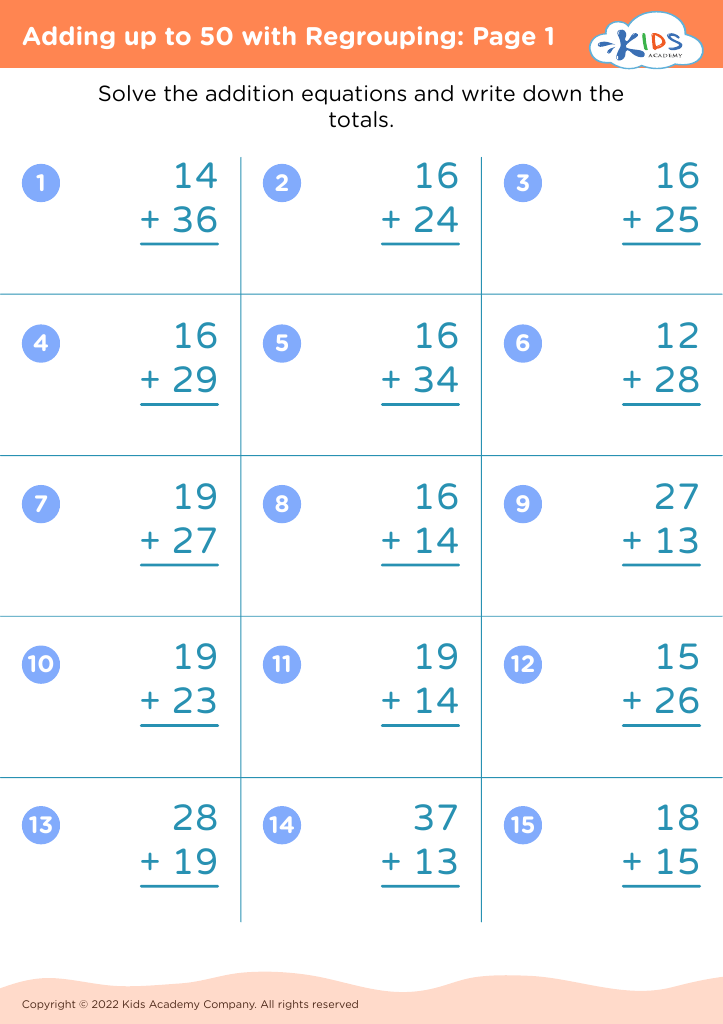
Adding up to 50 with Regrouping: Page 1
Worksheet
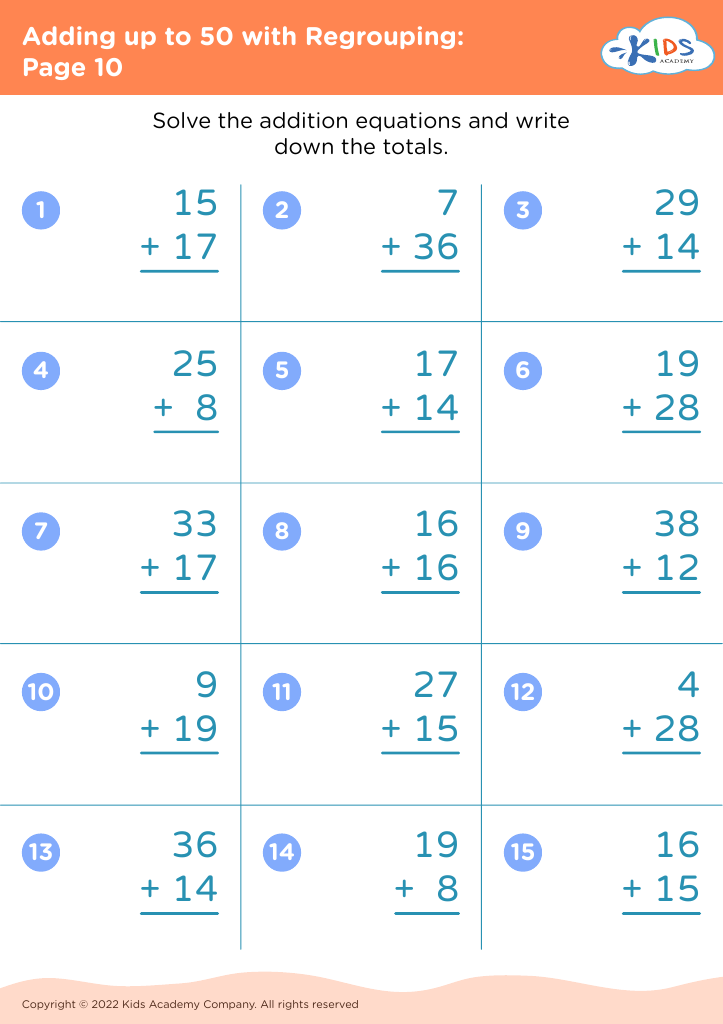
Adding up to 50 with Regrouping: Page 10
Worksheet
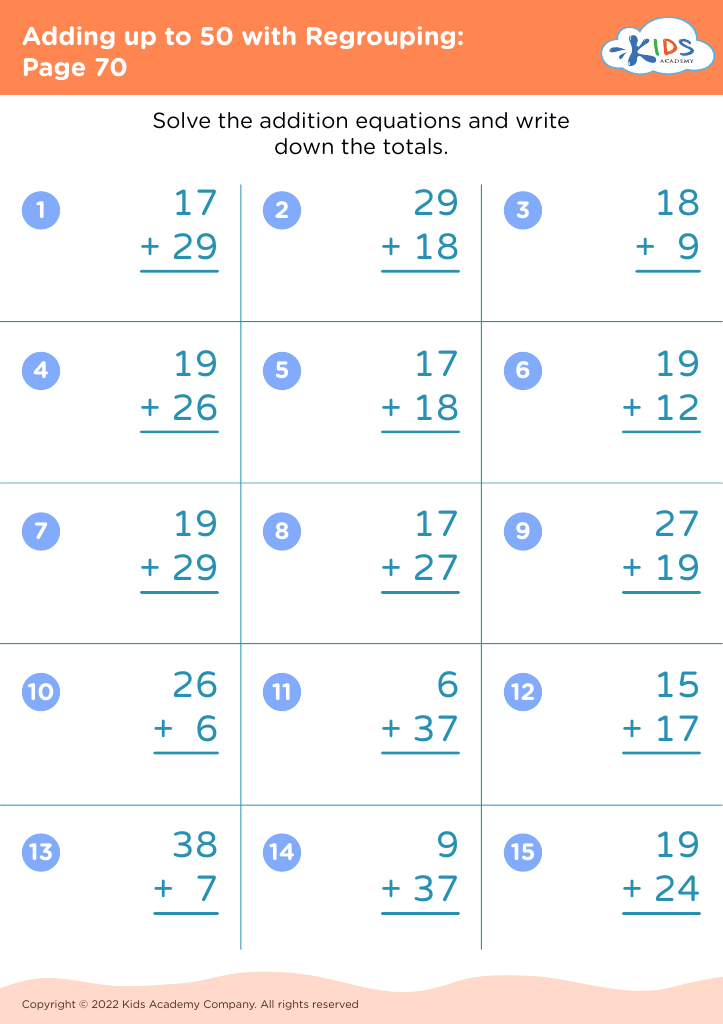
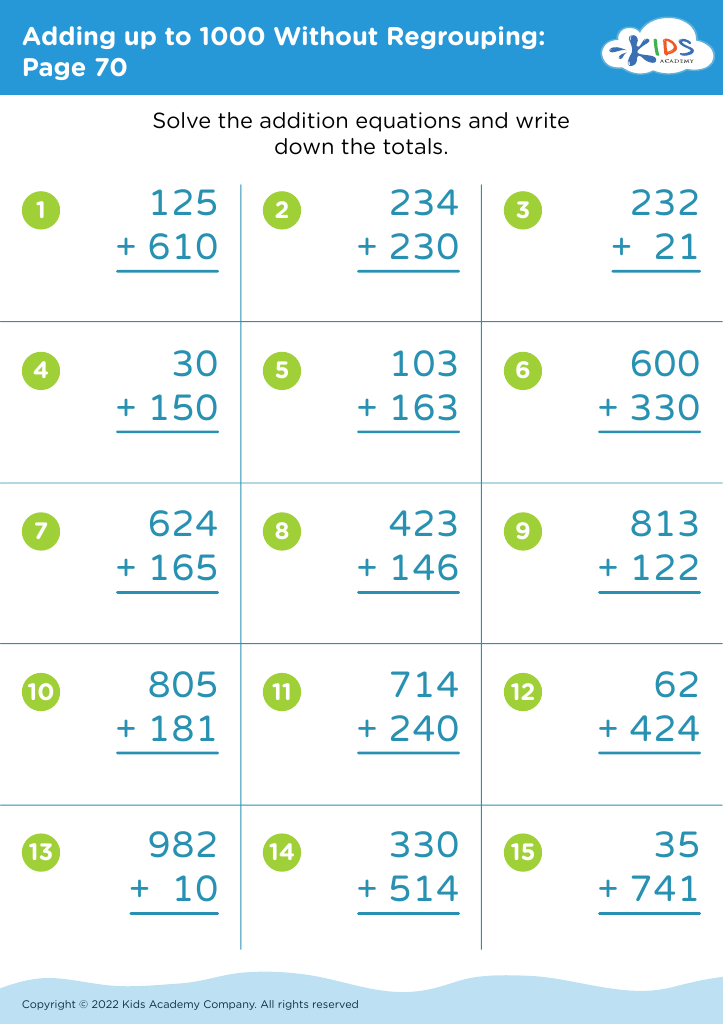
Adding up to 50 with Regrouping: Page 70
Worksheet
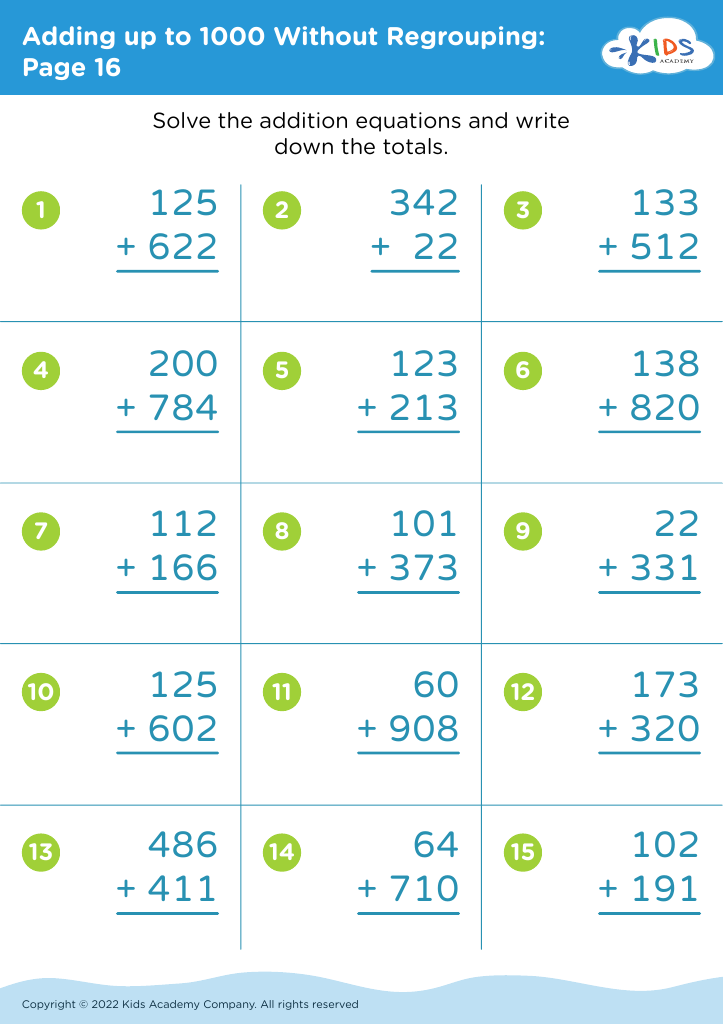
Adding up to 1000 Without Regrouping: Page 16
Worksheet
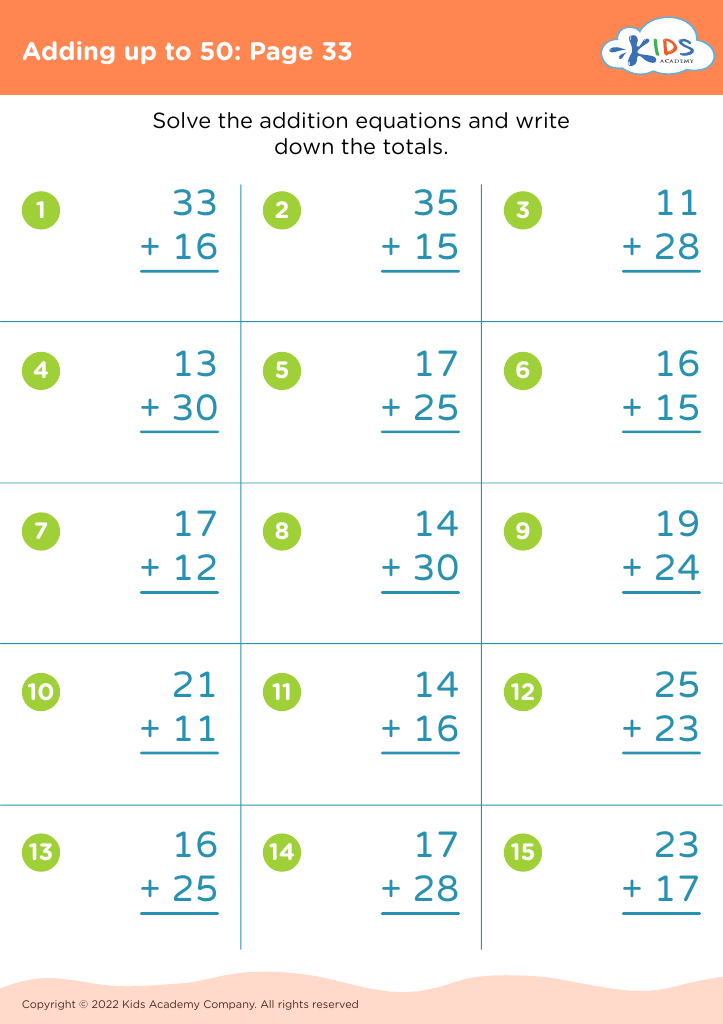
Adding up to 50: Page 33

Adding up to 50: Page 33

Adding up to 50: Page 33
Worksheet
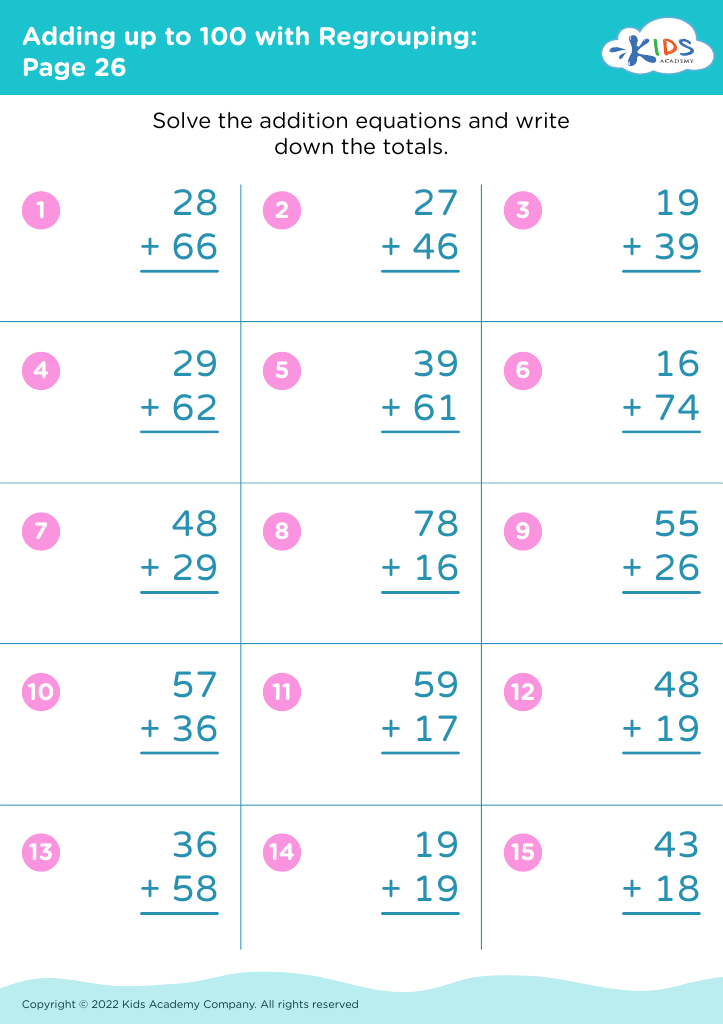
Adding up to 100 with Regrouping: Page 26
Worksheet
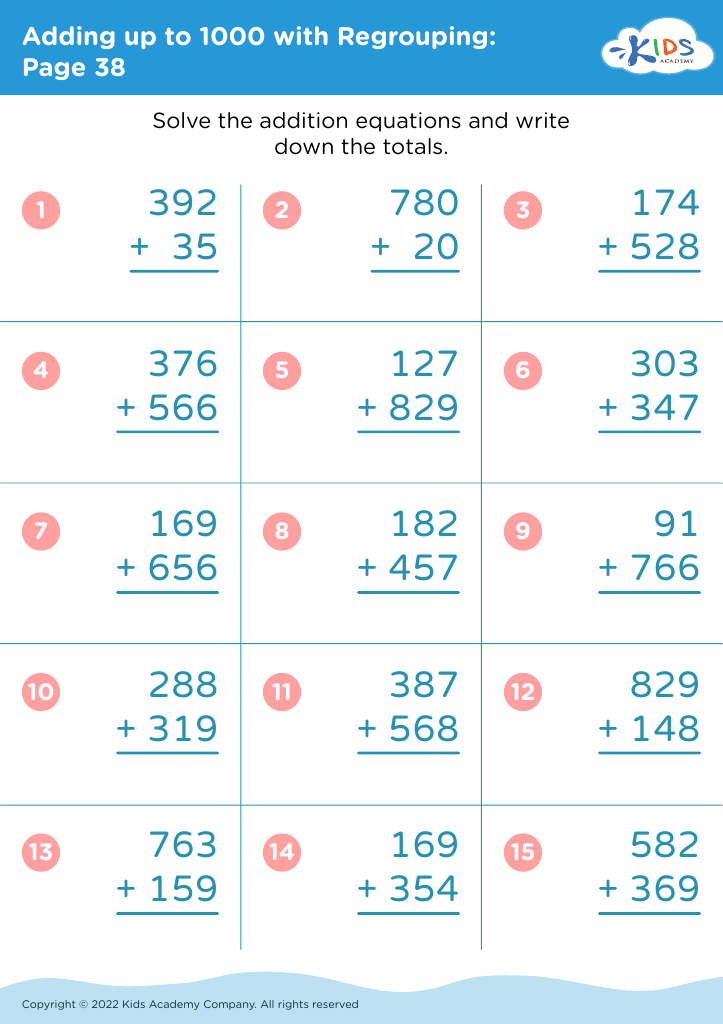
Adding up to 1000 with Regrouping: Page 38
Worksheet
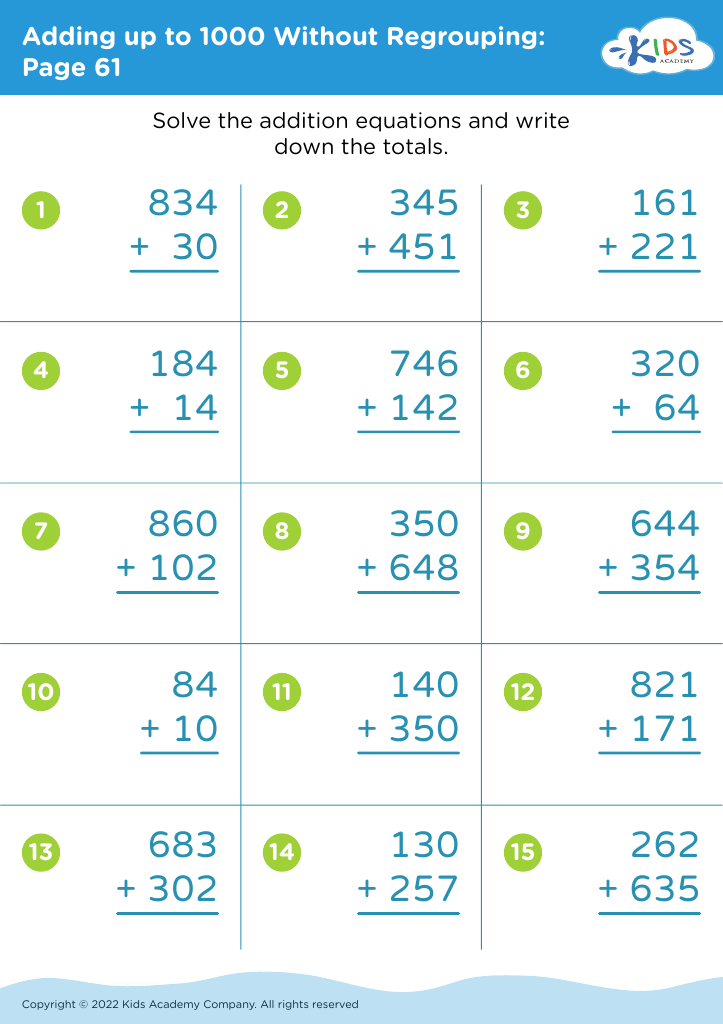
Adding up to 1000 Without Regrouping: Page 61
Worksheet
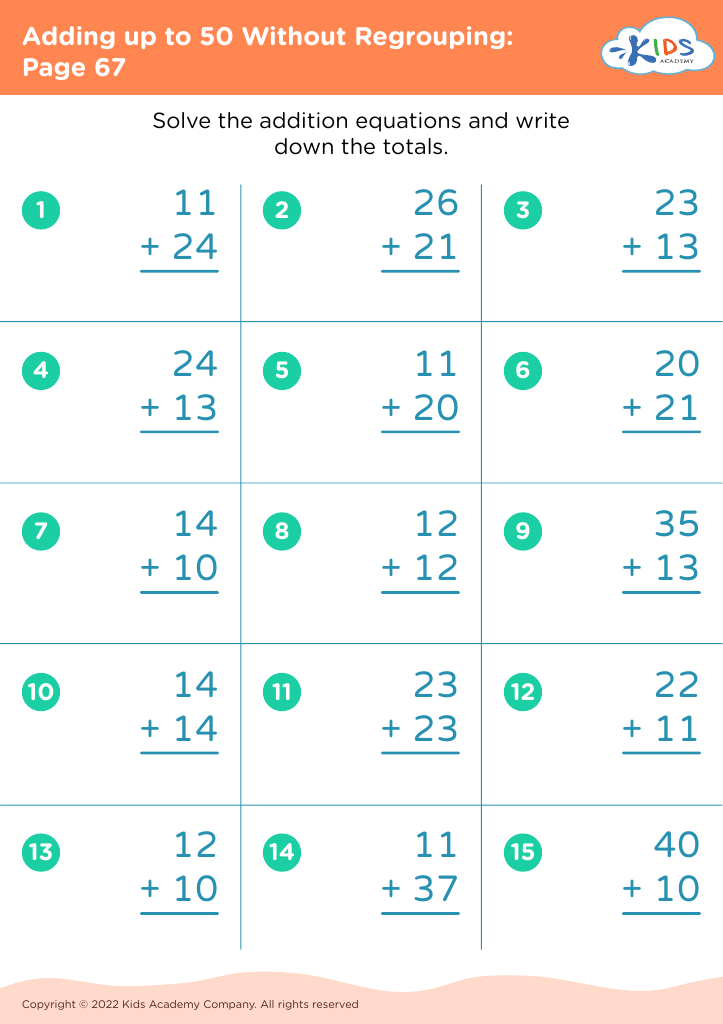
Adding up to 50 Without Regrouping: Page 67
Worksheet
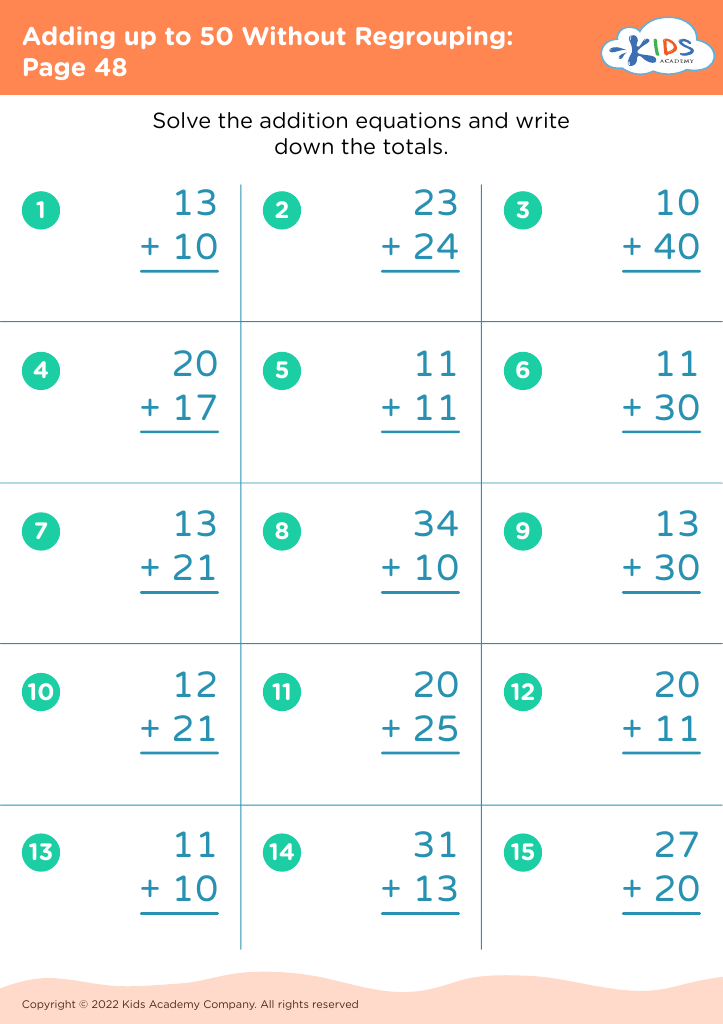
Adding up to 50 Without Regrouping: Page 48
Worksheet
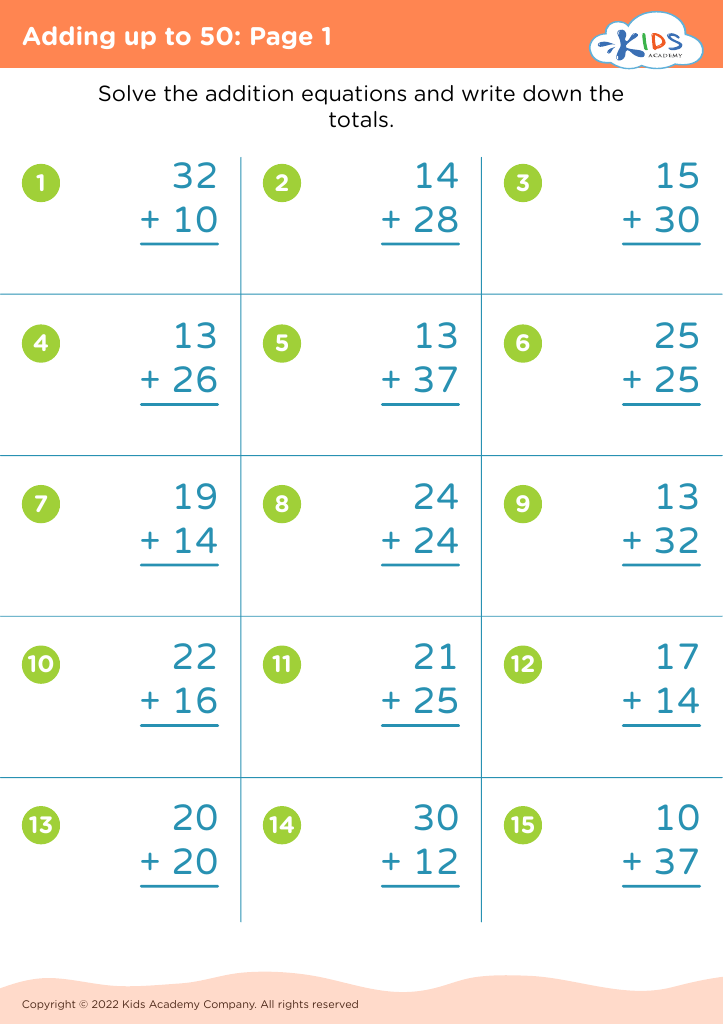
Adding up to 50: Page 1

Adding up to 50: Page 1

Adding up to 50: Page 1
Worksheet
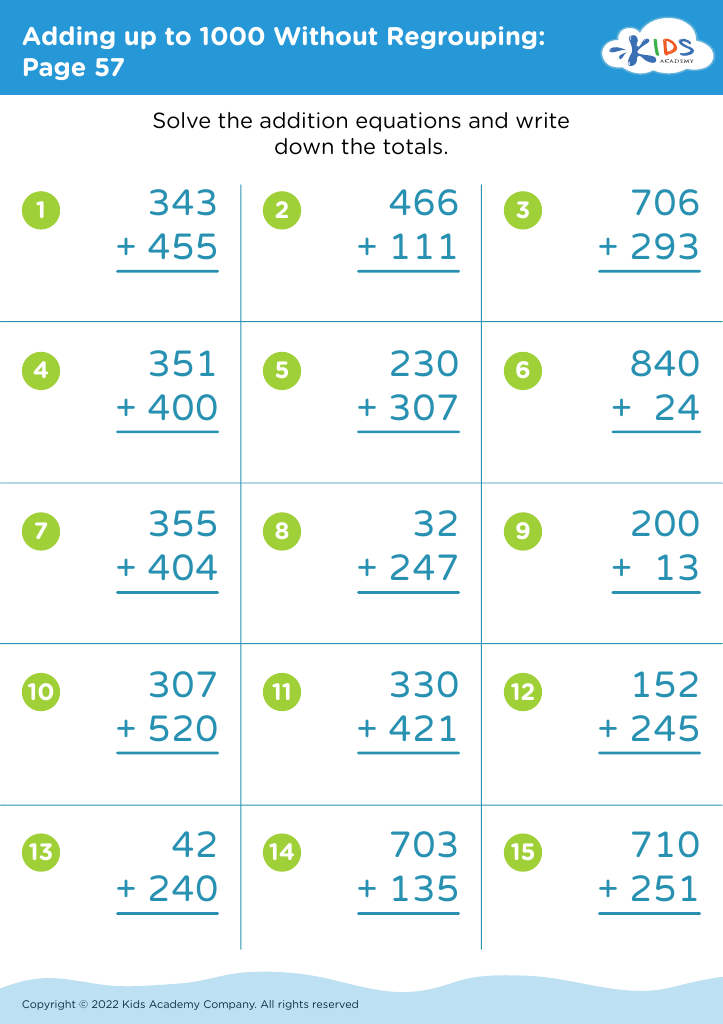
Adding up to 1000 Without Regrouping: Page 57
Worksheet
Adding up to 1000 Without Regrouping: Page 70
Worksheet


Basic addition is a fundamental skill that serves as the building block for more complex mathematical concepts. For children aged 6-8, mastering addition sets the stage for problem-solving abilities and logical thinking that are essential throughout their academic journey. Understanding addition helps kids develop essential numeracy skills that are not only useful in school but also in everyday life, like shopping, cooking, and budgeting.

Parents and teachers play a crucial role in helping children solidify their addition skills. Early intervention by encouraging practice through fun games, real-world examples, and interactive activities can create a positive attitude towards math, reducing anxiety before it begins. Furthermore, a solid understanding of basic addition boosts confidence, allowing children to engage more fully in math-related subjects, paving the way for academic success.

Moreover, addition is fundamental in understanding other math skills such as subtraction, multiplication, and fractions. The collaborative environment created by parents and teachers can nurture a child’s curiosity, making math an enjoyable subject rather than a chore. By prioritizing basic addition, educators and parents equip children to become proficient learners and problem-solvers, laying a strong groundwork for future education and personal development.