Filters

83 filtered results

Clear all filters
Favorites
With answer key
Interactive

83 filtered results

Difficulty Level

Grade


Check out this FREE Trial Lesson on Addition for age 6-8!

T

Favorites
With answer key
Interactive
  • 6-8
  • Comparing Fractions
  • Addition
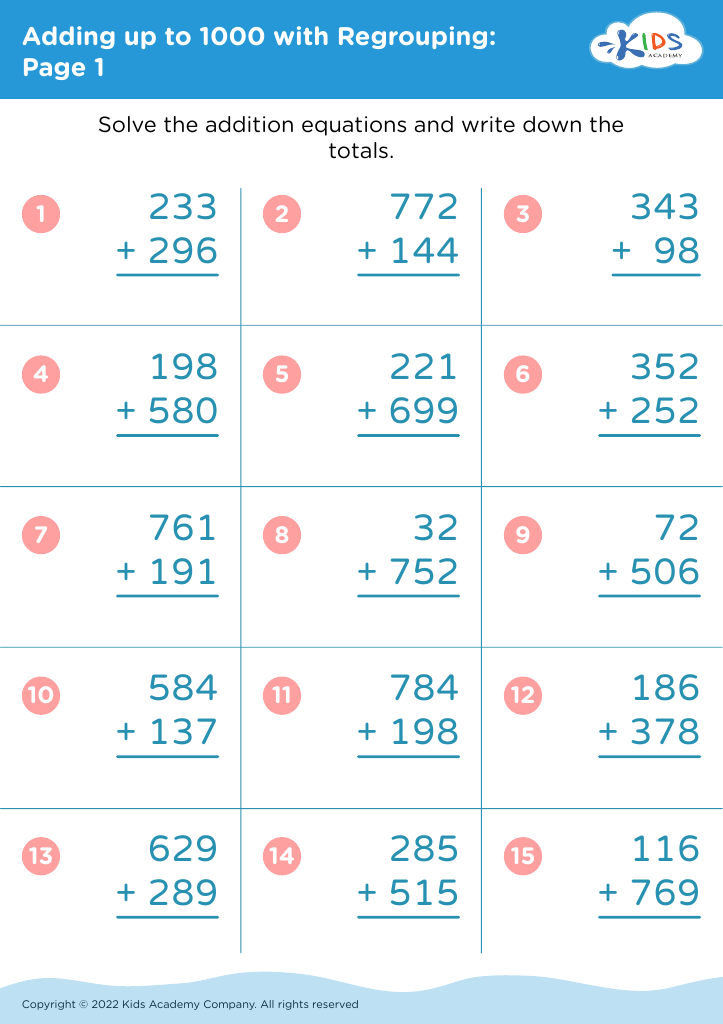
Adding up to 1000 with Regrouping: Page 1
Worksheet
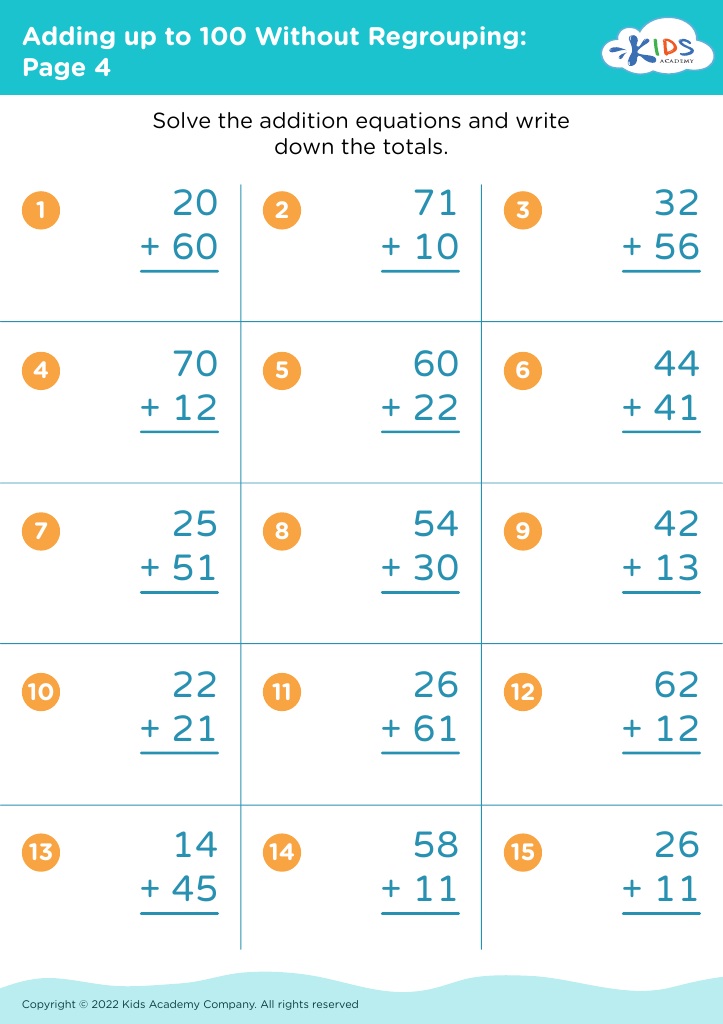
Adding up to 100 Without Regrouping: Page 4
Worksheet
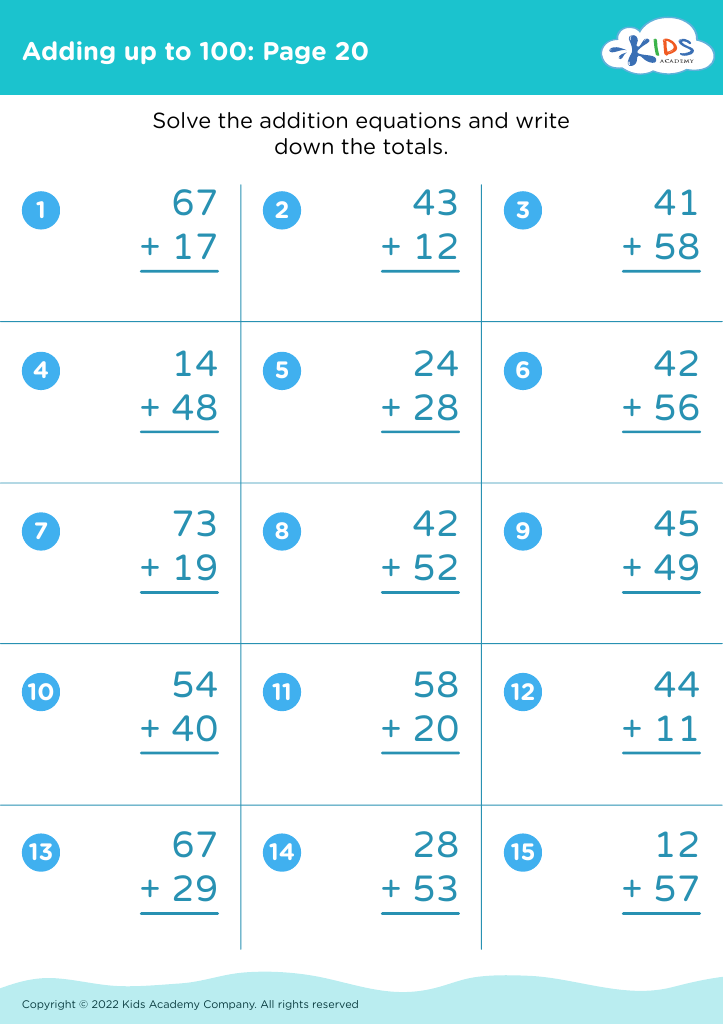
Adding up to 100: Page 20

Adding up to 100: Page 20

Adding up to 100: Page 20
Worksheet
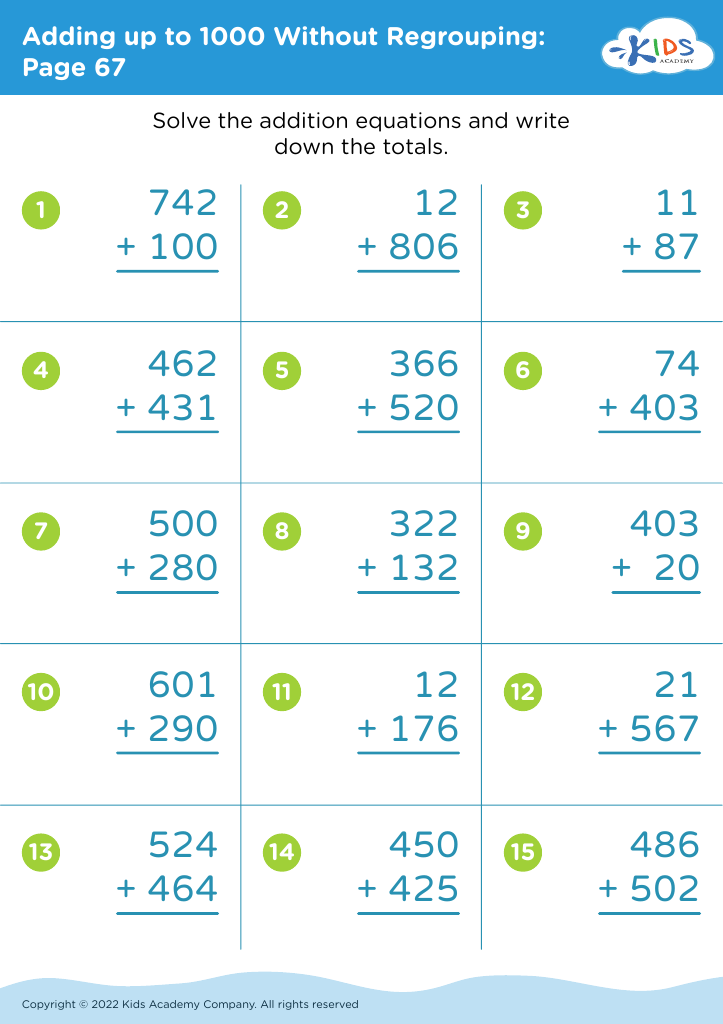
Adding up to 1000 Without Regrouping: Page 67
Worksheet
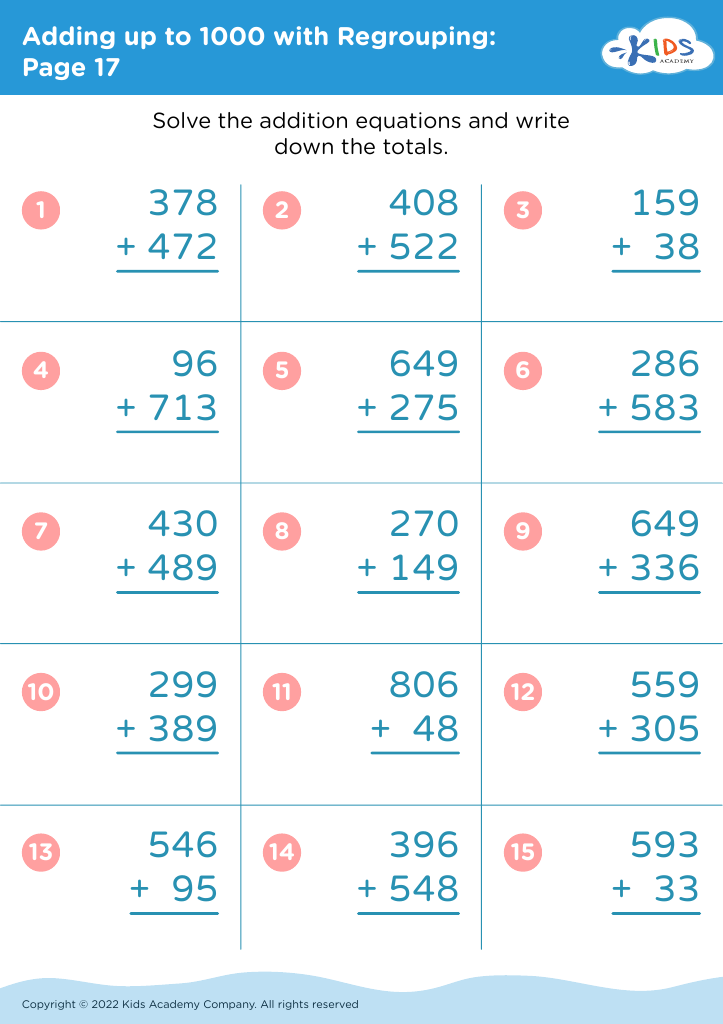
Adding up to 1000 with Regrouping: Page 17
Worksheet
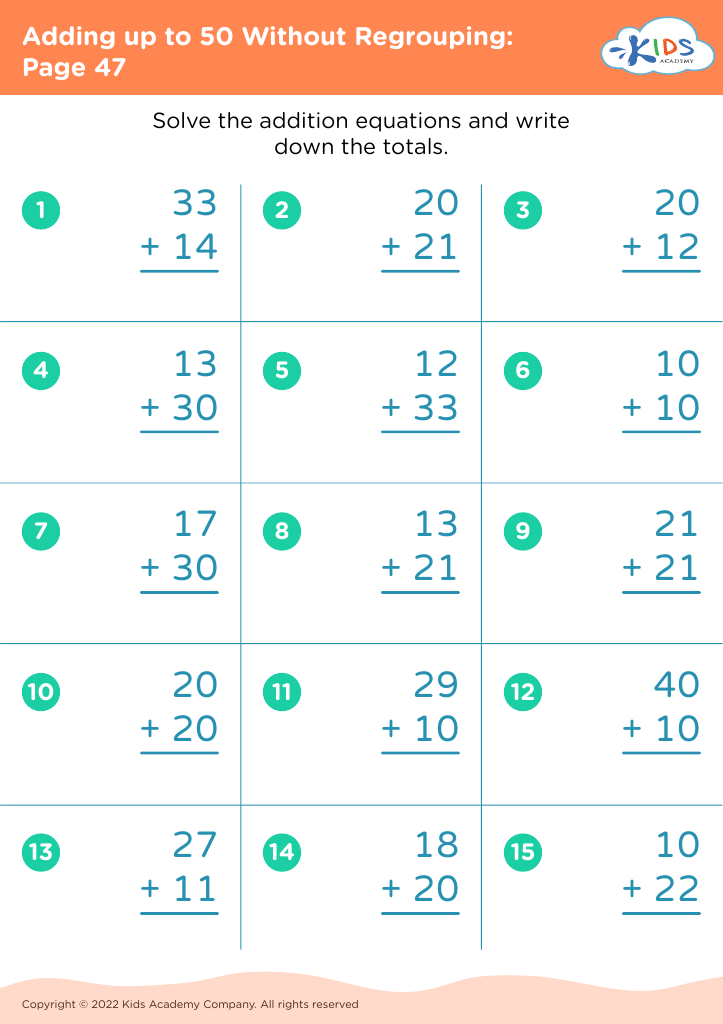
Adding up to 50 Without Regrouping: Page 47
Worksheet
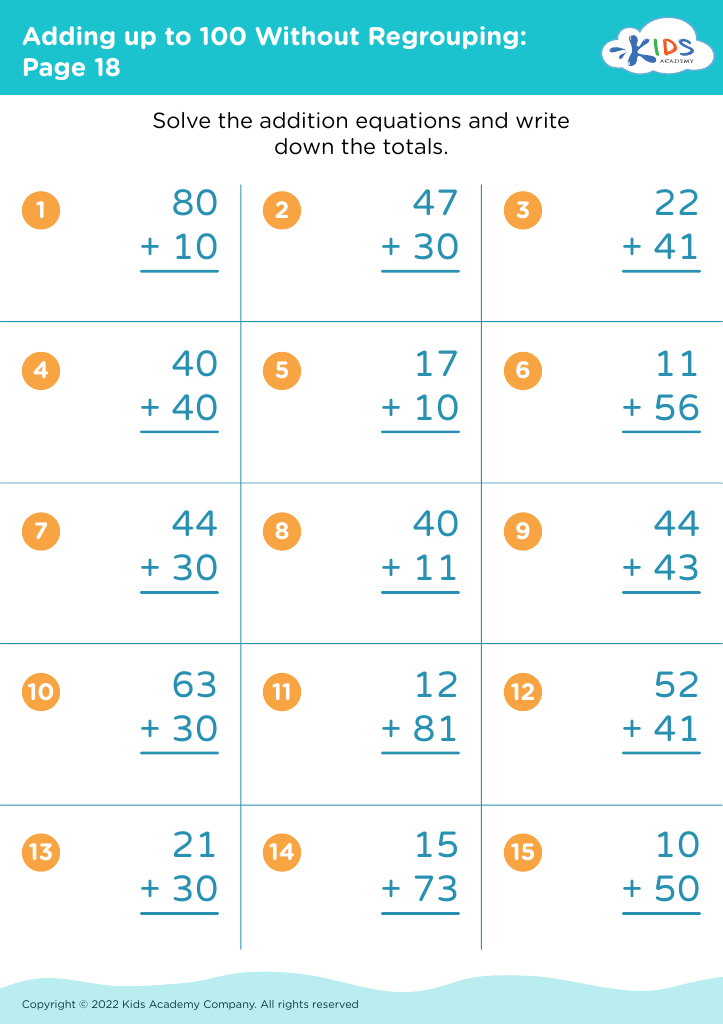
Adding up to 100 Without Regrouping: Page 18
Worksheet
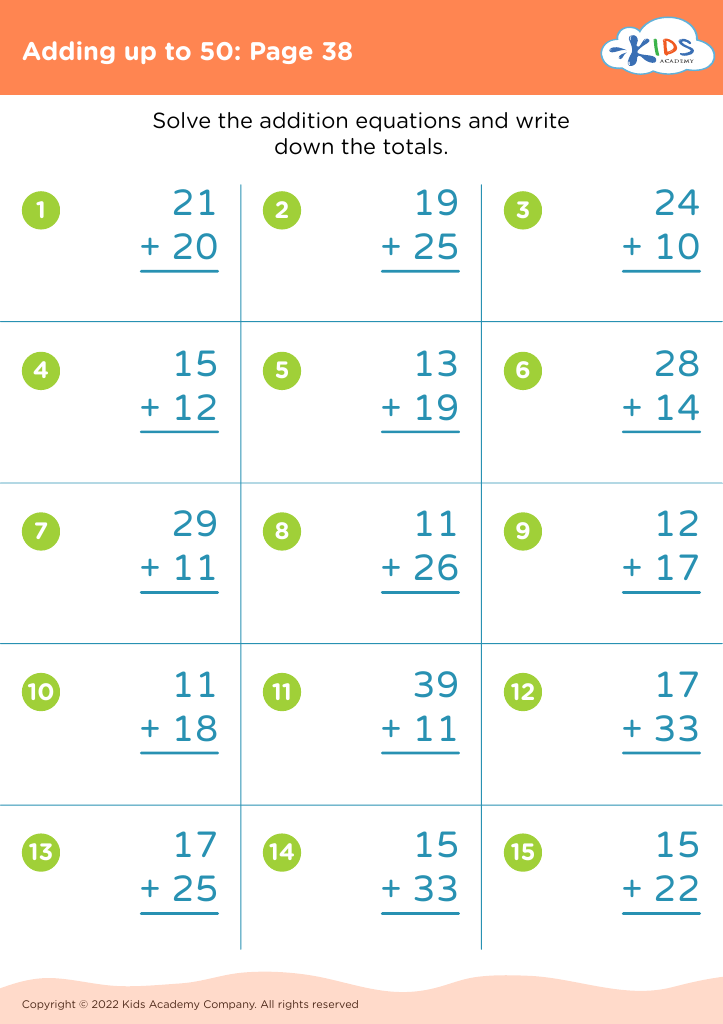
Adding up to 50: Page 38

Adding up to 50: Page 38

Adding up to 50: Page 38
Worksheet
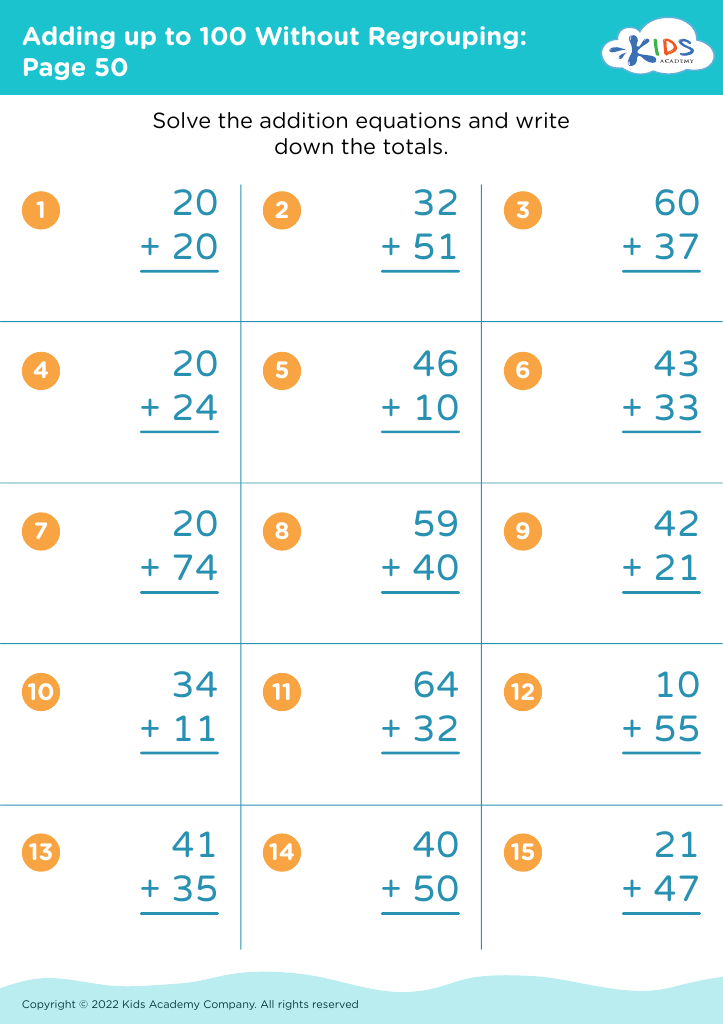
Adding up to 100 Without Regrouping: Page 50
Worksheet
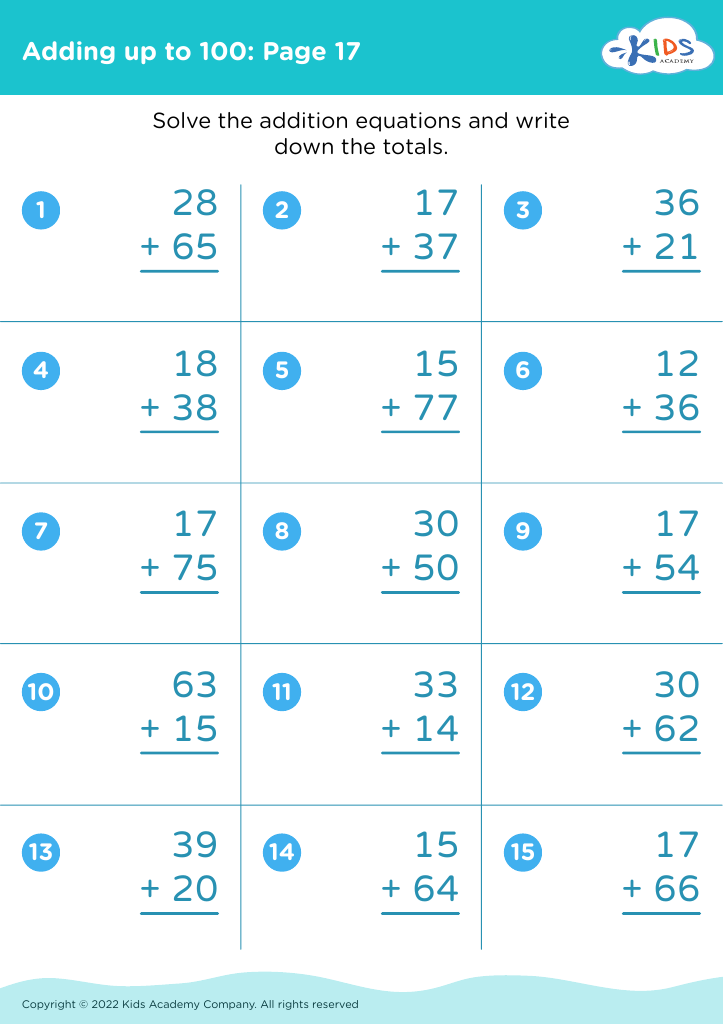
Adding up to 100: Page 17

Adding up to 100: Page 17

Adding up to 100: Page 17
Worksheet
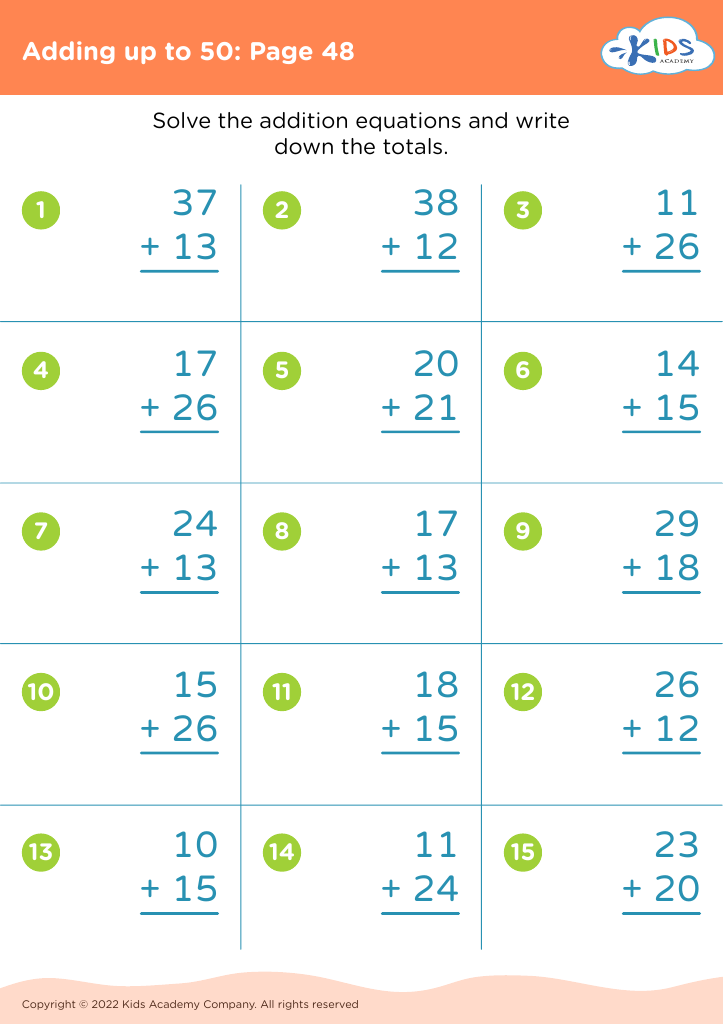
Adding up to 50: Page 48

Adding up to 50: Page 48

Adding up to 50: Page 48
Worksheet
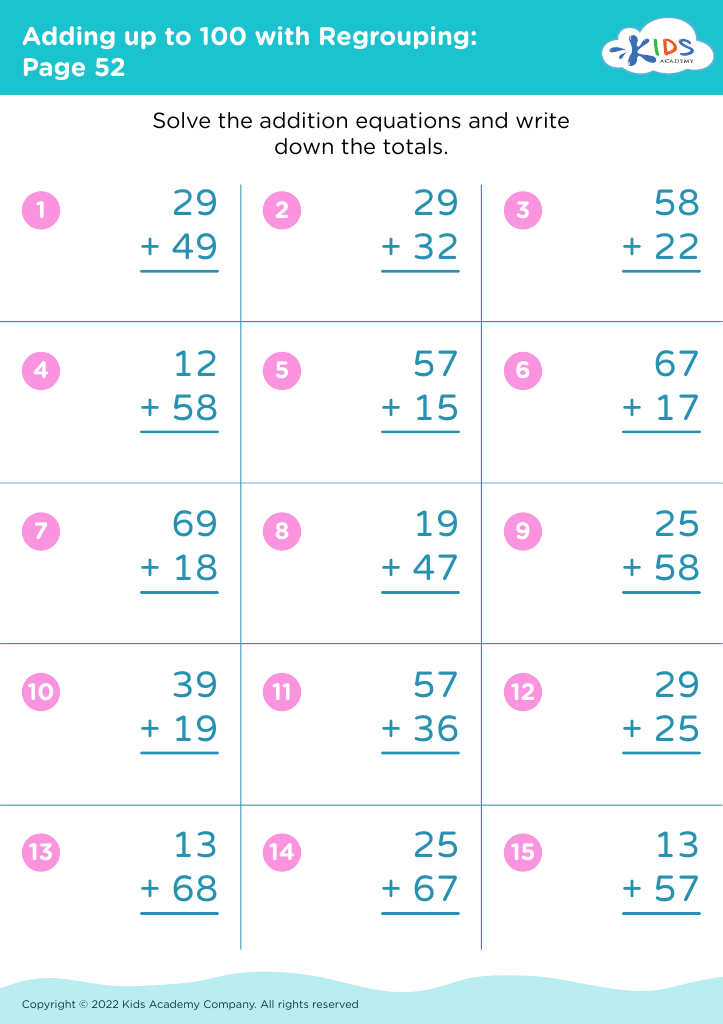
Adding up to 100 with Regrouping: Page 52
Worksheet
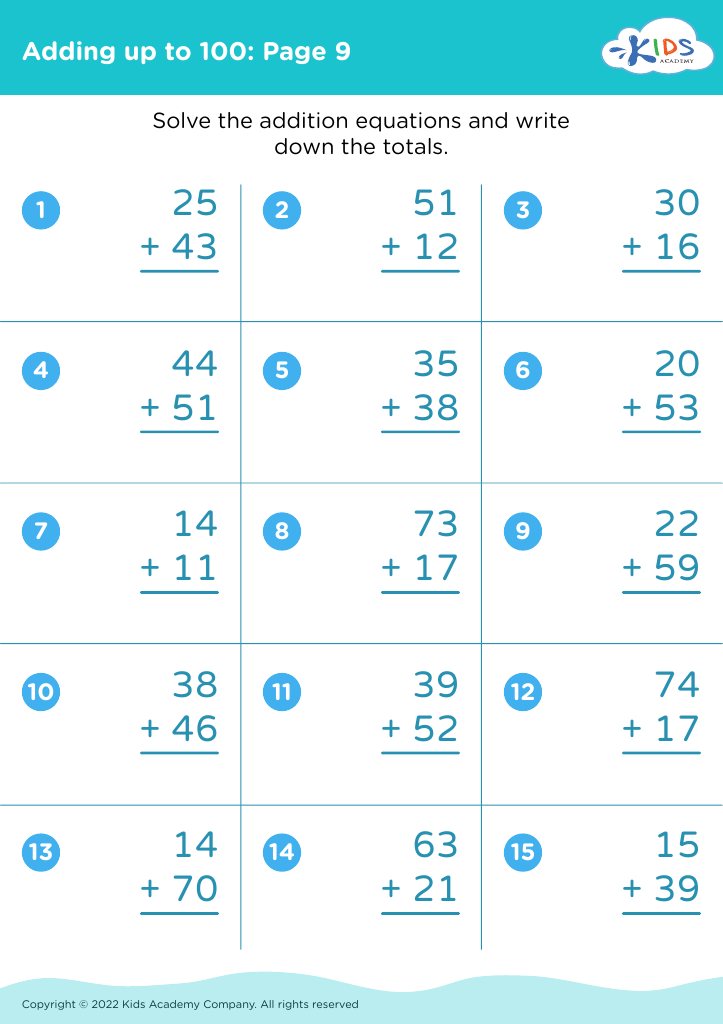
Adding up to 100: Page 9

Adding up to 100: Page 9

Adding up to 100: Page 9
Worksheet
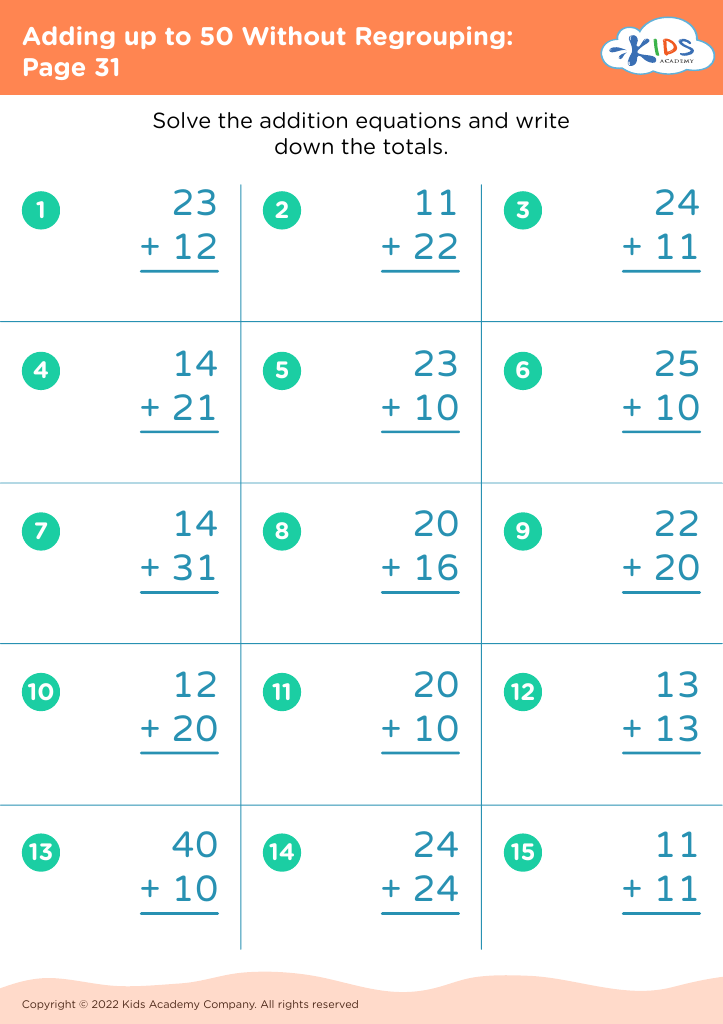
Adding up to 50 Without Regrouping: Page 31
Worksheet
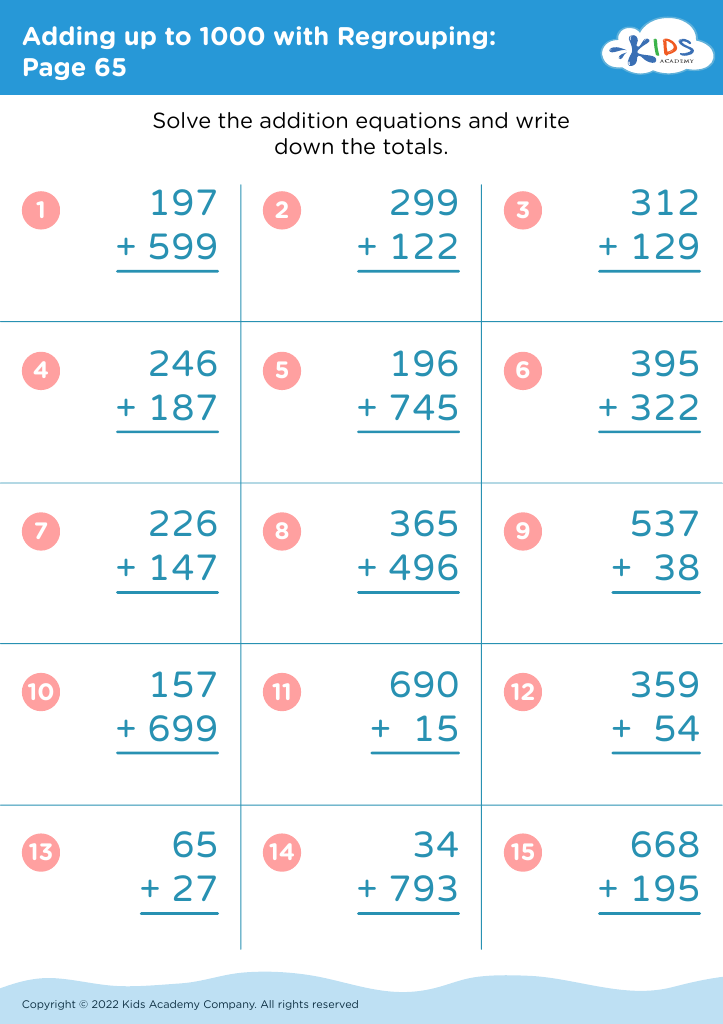
Adding up to 1000 with Regrouping: Page 65
Worksheet
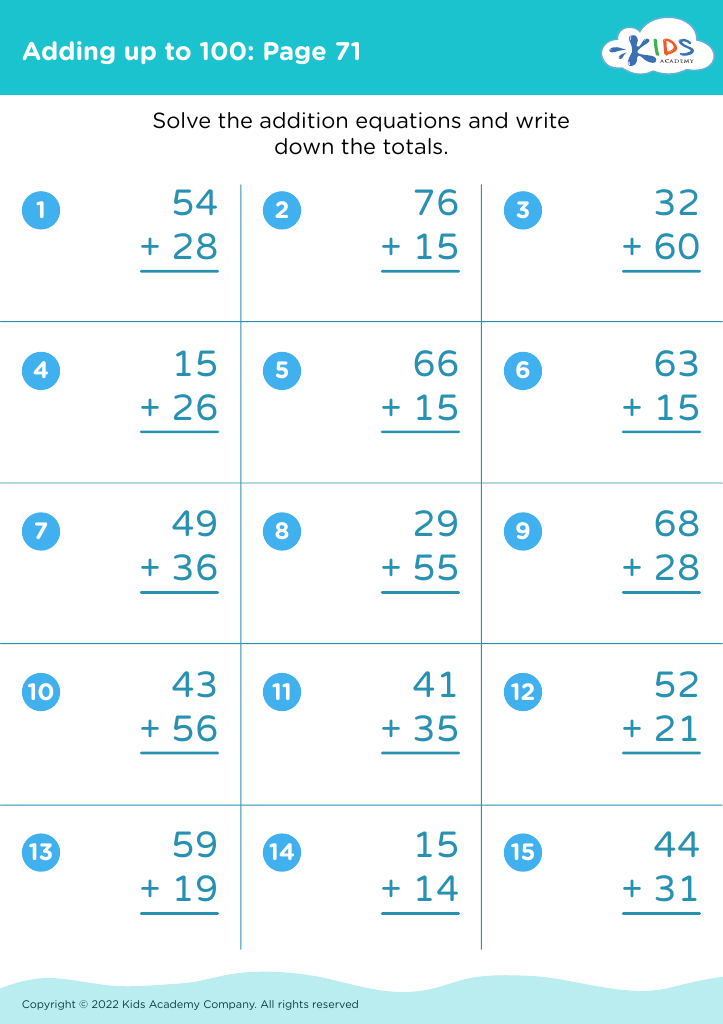
Adding up to 100: Page 71

Adding up to 100: Page 71

Adding up to 100: Page 71
Worksheet
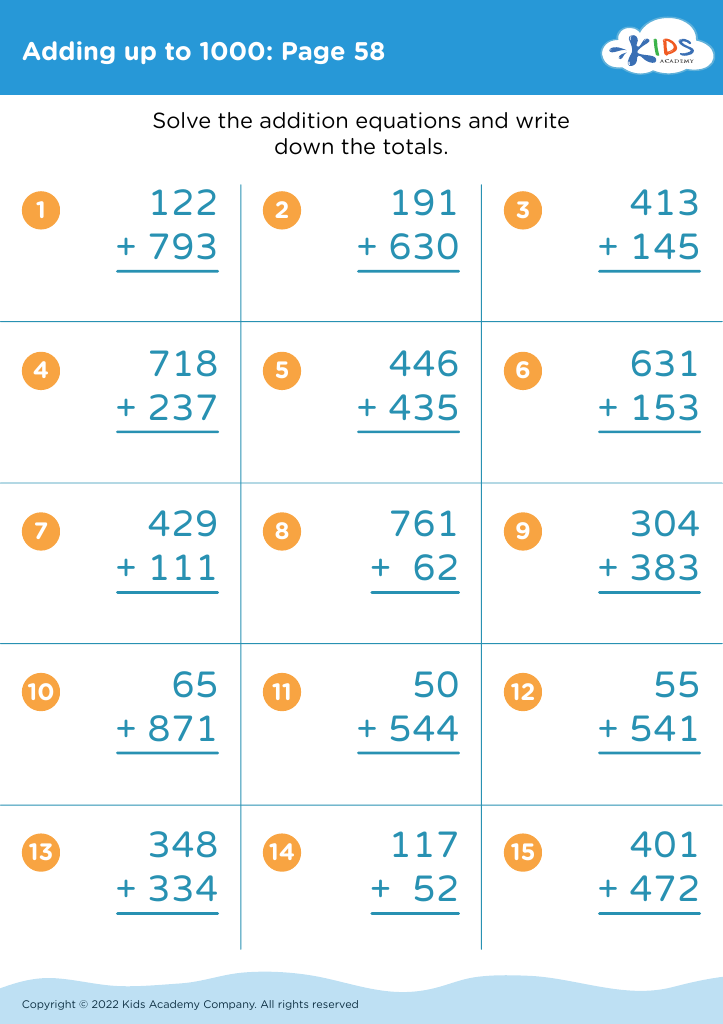
Adding up to 1000: Page 58

Adding up to 1000: Page 58

Adding up to 1000: Page 58
Worksheet
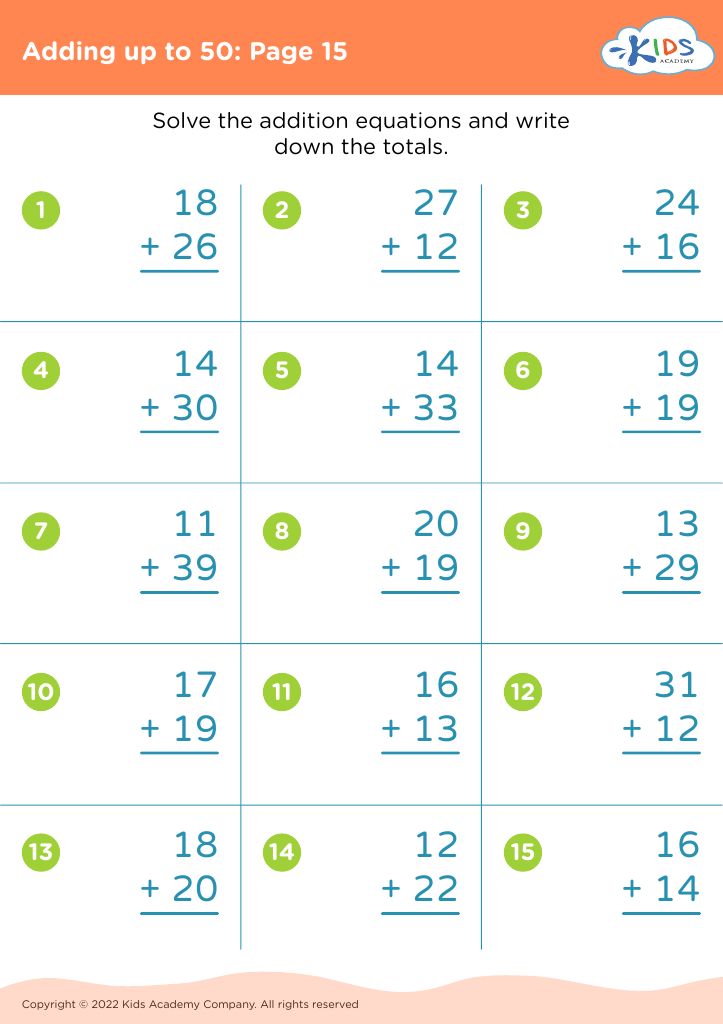
Adding up to 50: Page 15

Adding up to 50: Page 15

Adding up to 50: Page 15
Worksheet
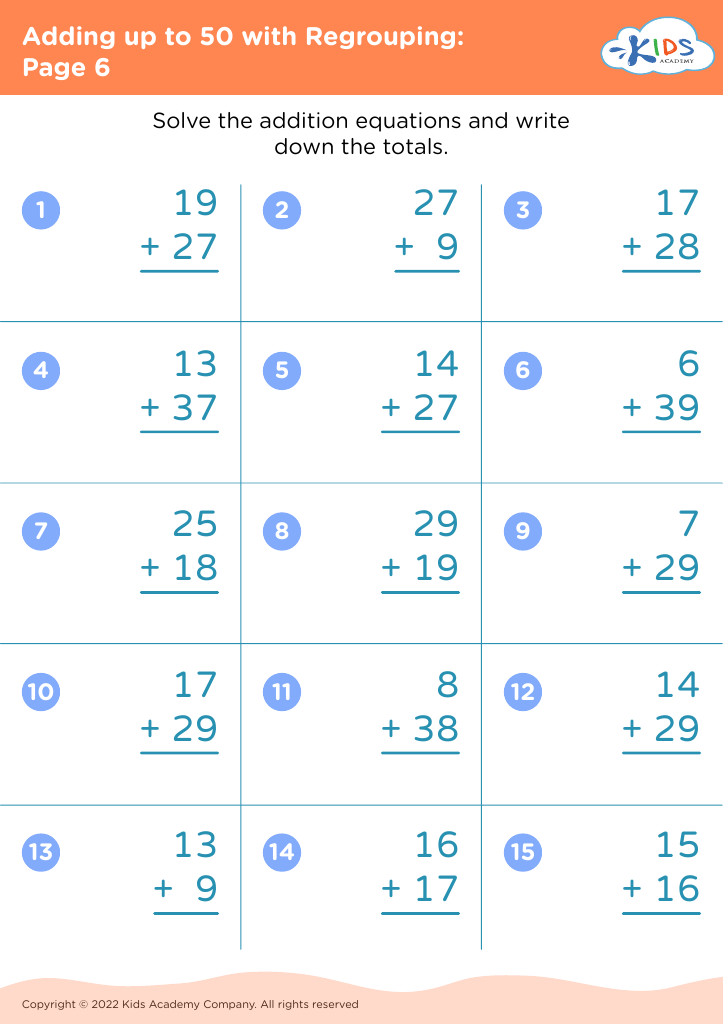
Adding up to 50 with Regrouping: Page 6
Worksheet
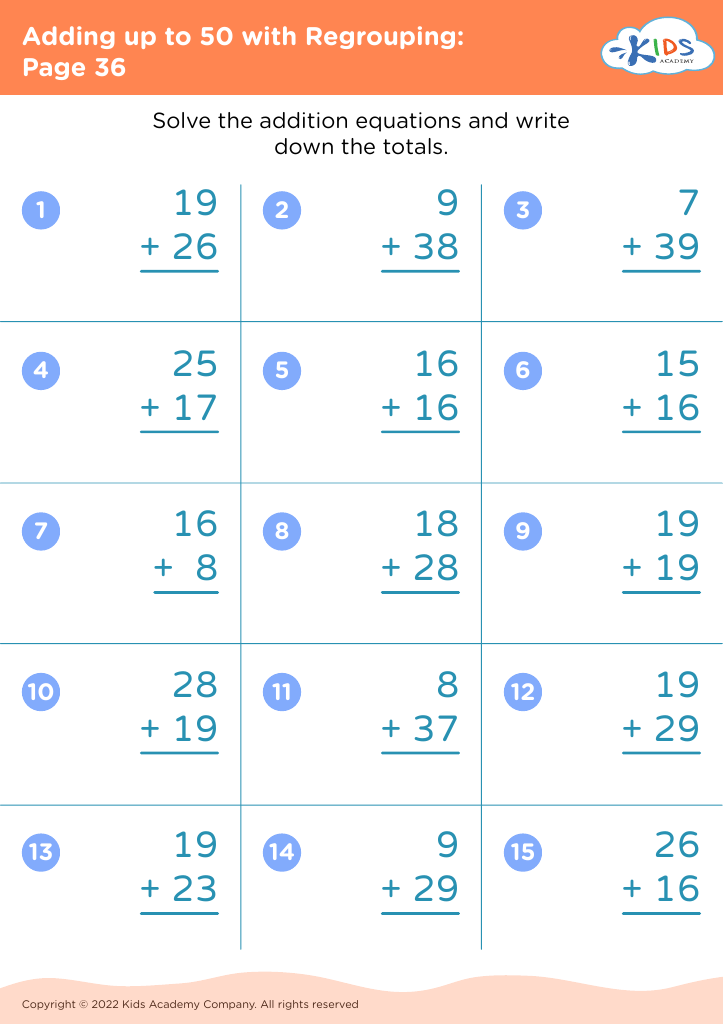
Adding up to 50 with Regrouping: Page 36
Worksheet
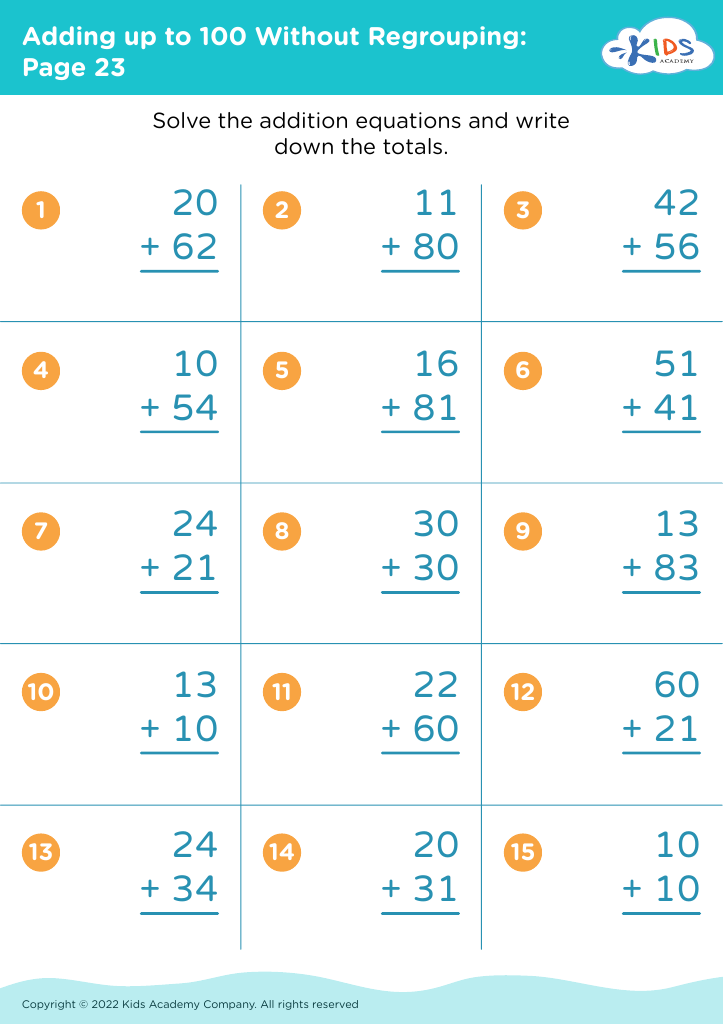
Adding up to 100 Without Regrouping: Page 23
Worksheet
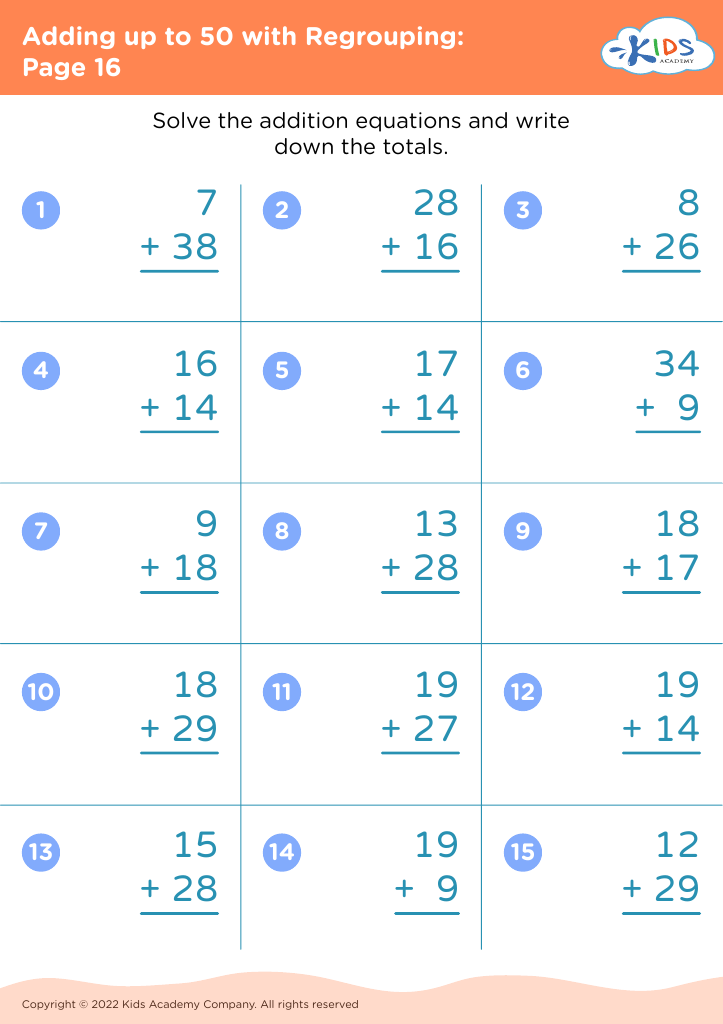
Adding up to 50 with Regrouping: Page 16
Worksheet
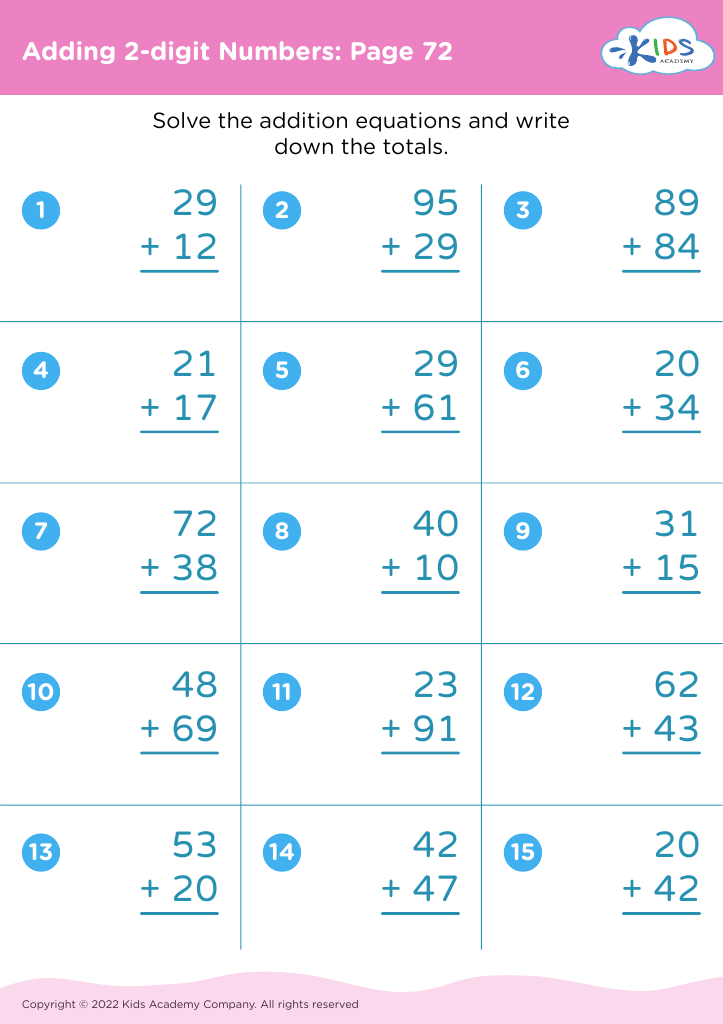
Adding 2-digit Numbers: Page 72

Adding 2-digit Numbers: Page 72

Adding 2-digit Numbers: Page 72
Worksheet
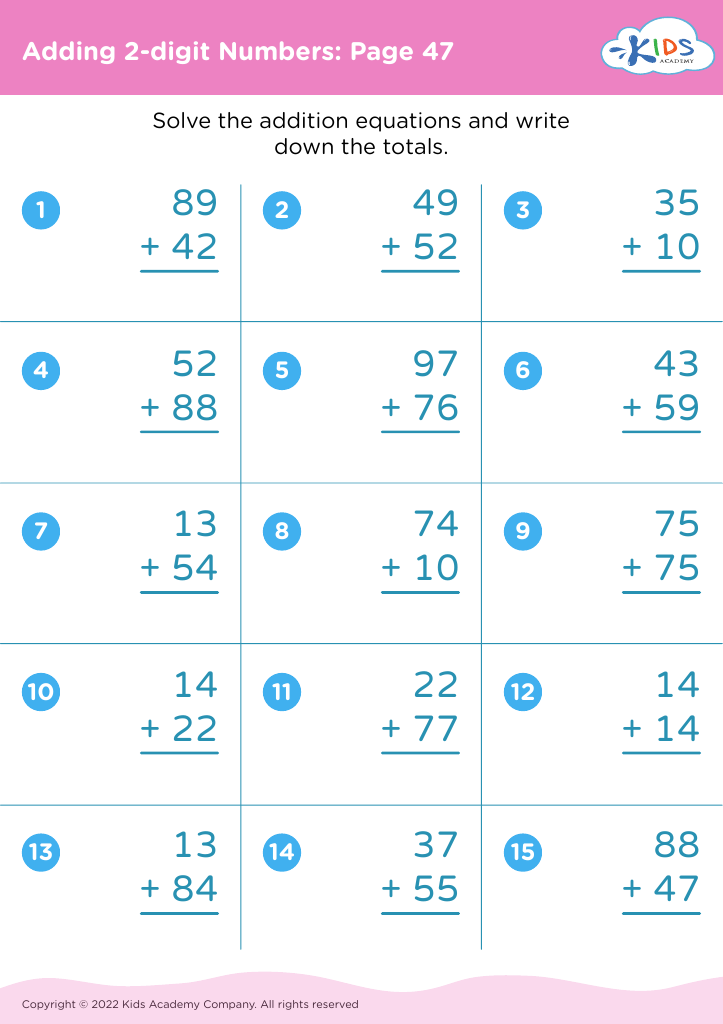
Adding 2-digit Numbers: Page 47

Adding 2-digit Numbers: Page 47

Adding 2-digit Numbers: Page 47
Worksheet


Introducing children aged 6-8 to comparing fractions and fraction addition is fundamental for developing strong mathematical foundations. At this stage, young learners are naturally curious and have a high capacity for learning new concepts, making it an ideal time to introduce them to fractions.

Understanding fractions helps cultivate critical thinking and problem-solving skills. When comparing fractions, children learn to recognize relative sizes and values, which bolsters their ability to make estimations and reason quantitatively. Adding fractions improves their comprehension of part-whole relationships, a concept central to not only mathematics but also everyday life situations, such as splitting amounts evenly or understanding portions in cooking.

Furthermore, early exposure to comparing fractions and addition can increase a child's confidence in tackling more complex mathematical concepts in later grades, such as percentages and ratio. This foundational skillset fosters a positive attitude towards math, reducing the frustration and anxiety often associated with the subject.

Finally, mastering these early fraction skills encourages perseverance and attention to detail. It involves a blend of visual learning, using models like pie charts or fraction strips, and abstract reasoning. Parents and teachers who prioritize these skills set the stage for lifelong numeracy and equip children to excel academically and in practical life activities.