Fraction comparison Addition Worksheets for Ages 6-8
29 filtered results
-
From - To
Enhance your child's math skills with our engaging Fraction Comparison Addition Worksheets for ages 6-8. These worksheets are specially designed to help young learners understand and compare fractions while practicing addition. Each activity blends vibrant visuals with hands-on problems, ensuring that kids stay interested and motivated. Our worksheets not only promote mathematical confidence but also build a strong foundation for future math success. Perfect for classroom or home use, these printables support curriculum standards and cater to different learning styles. Unlock the joy of learning fractions with our expertly crafted resources, transforming math practice into a fun adventure!
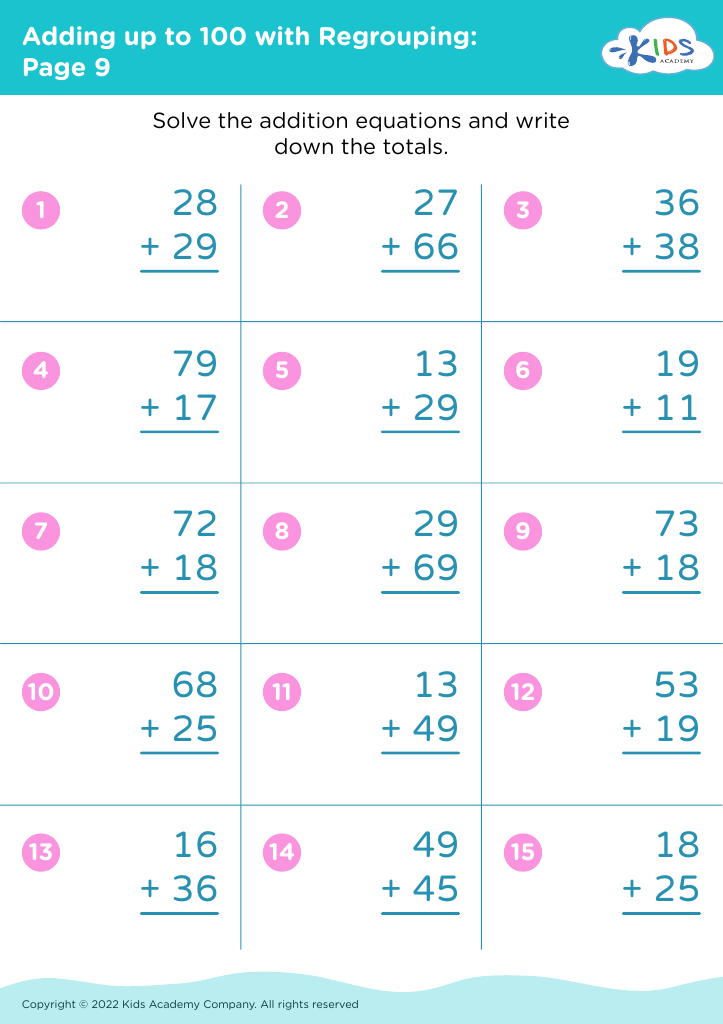
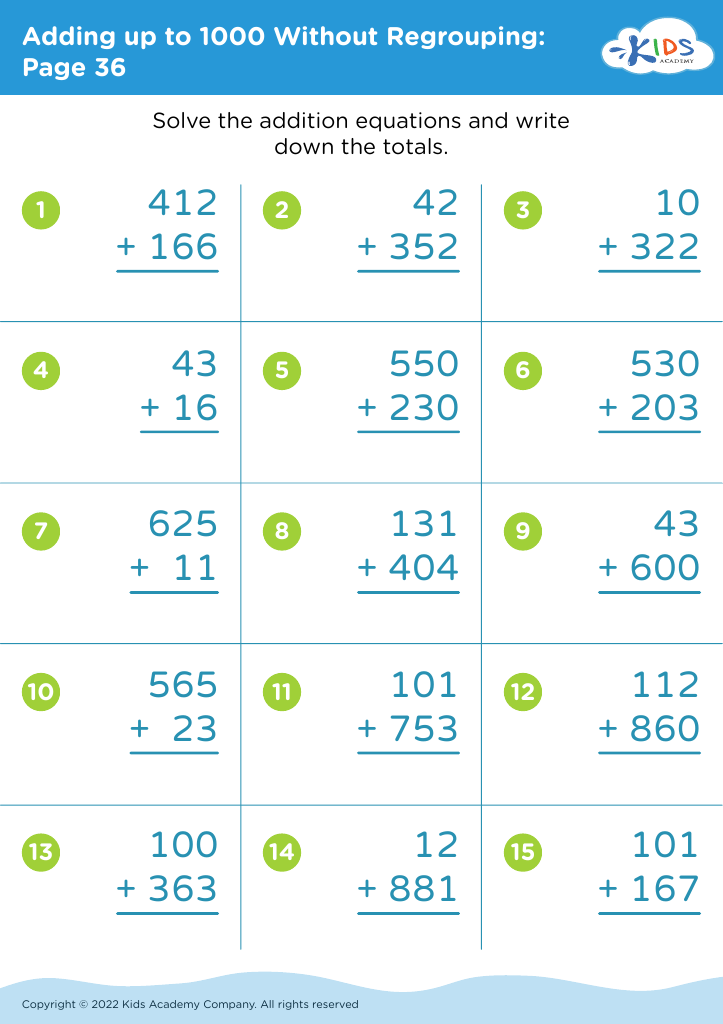
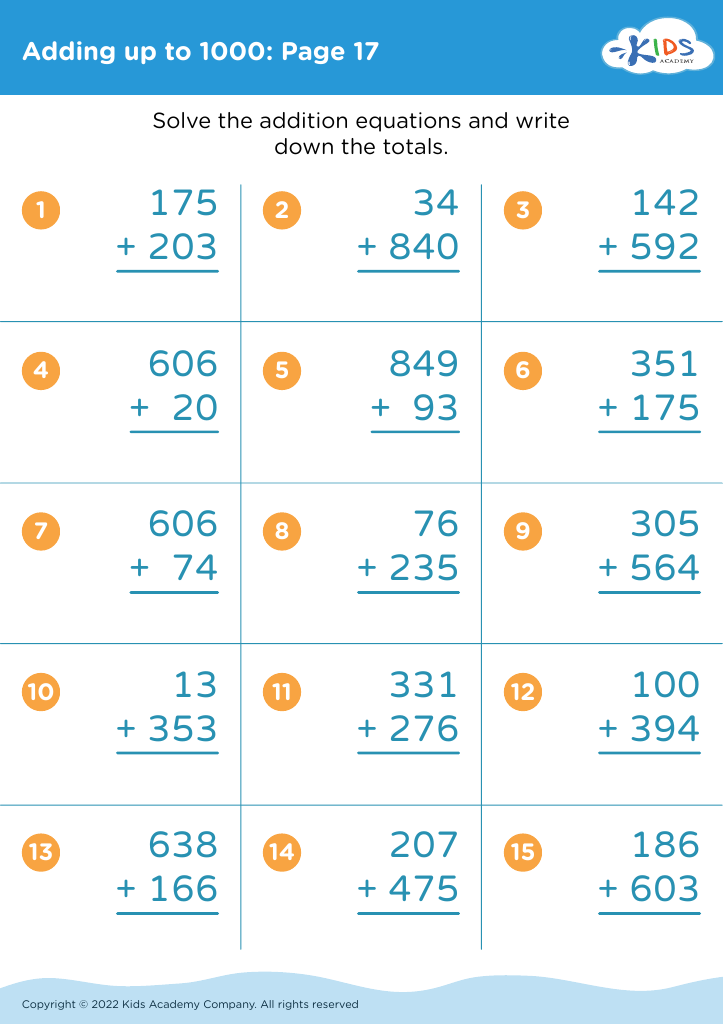
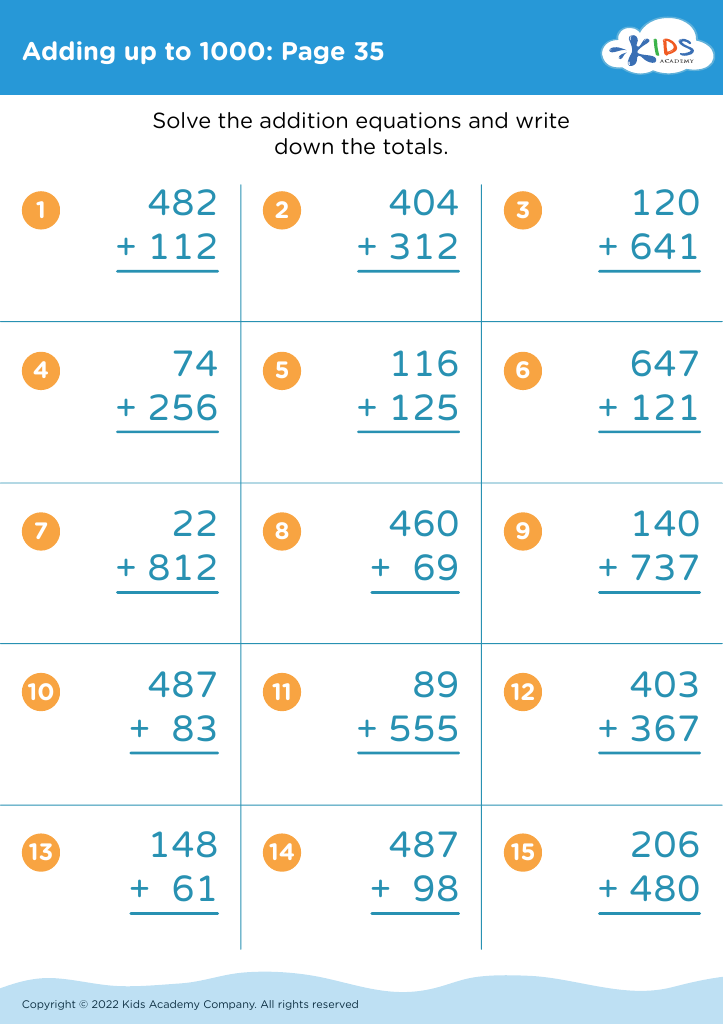
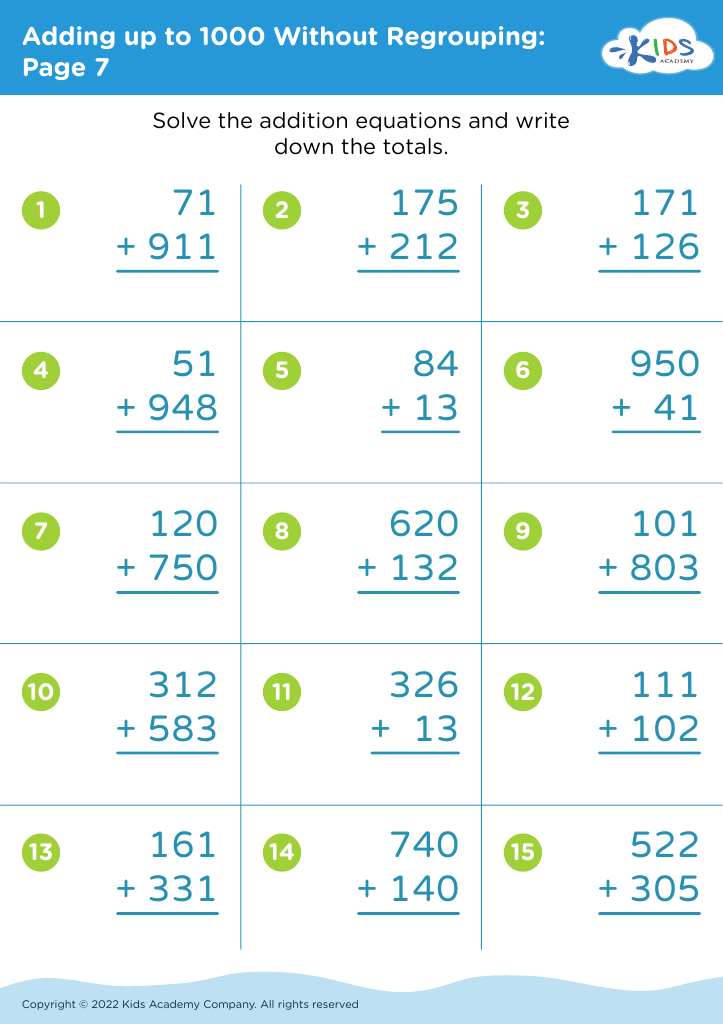
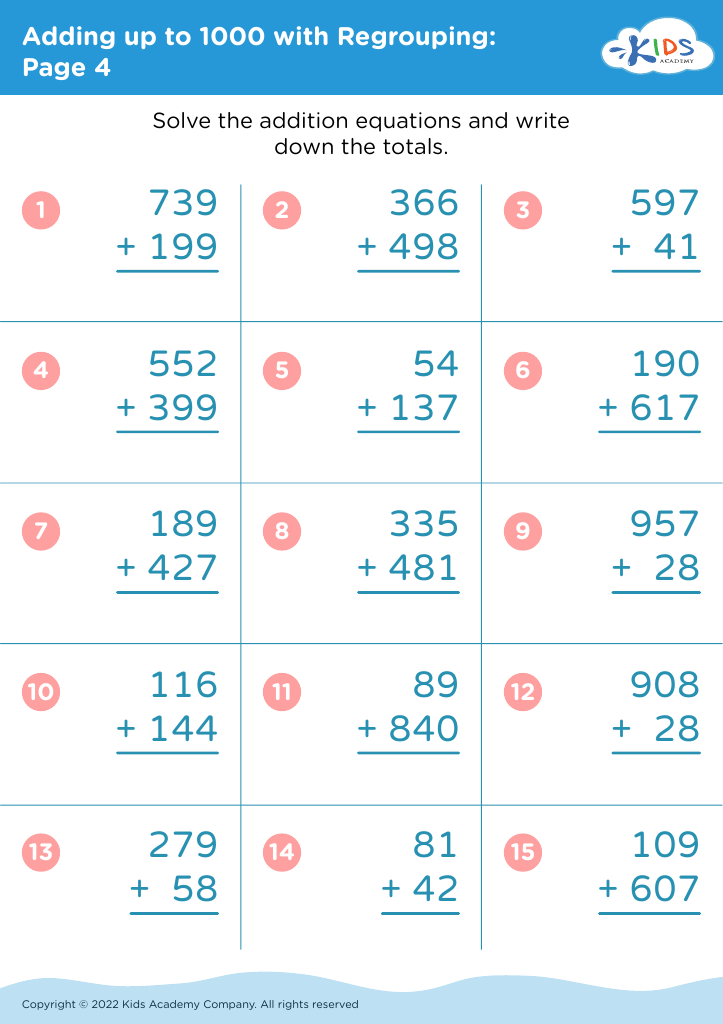
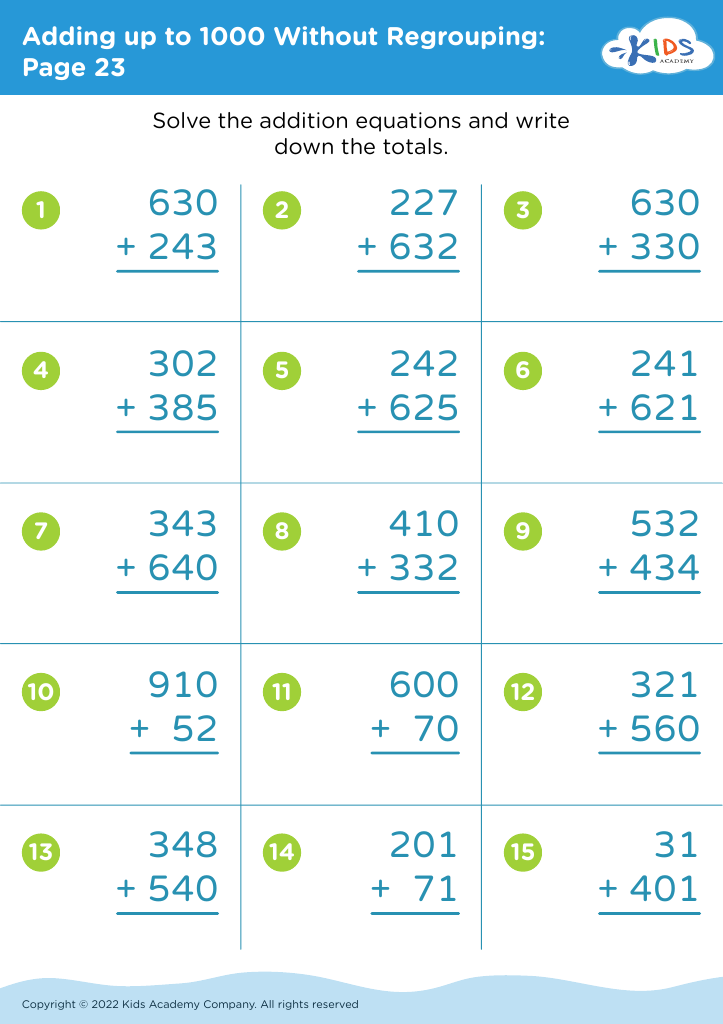
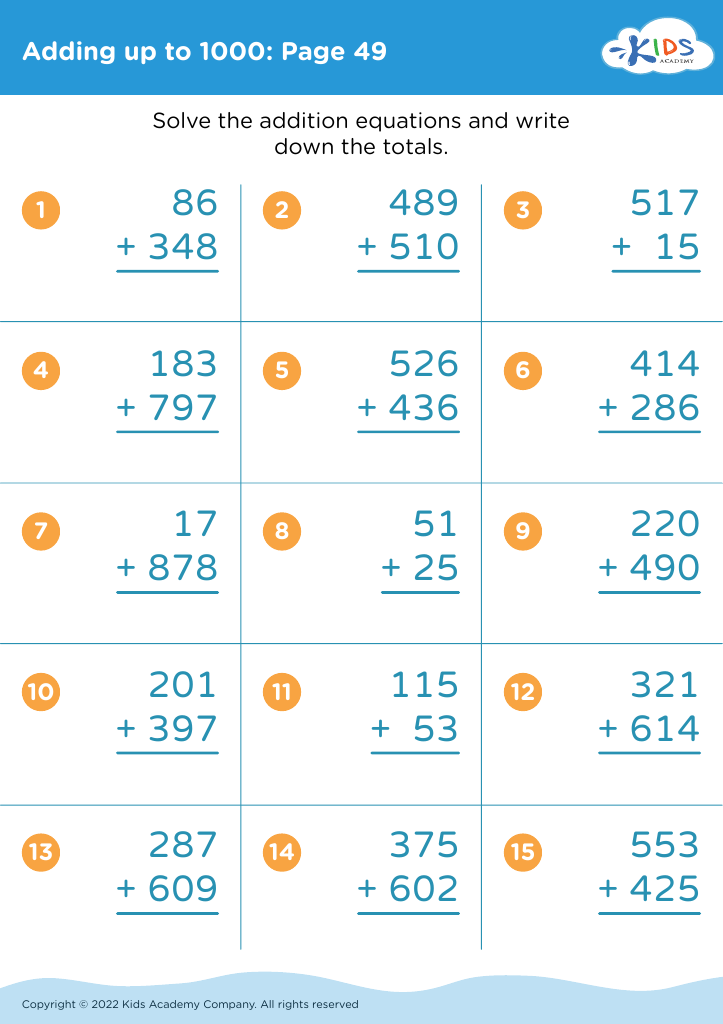
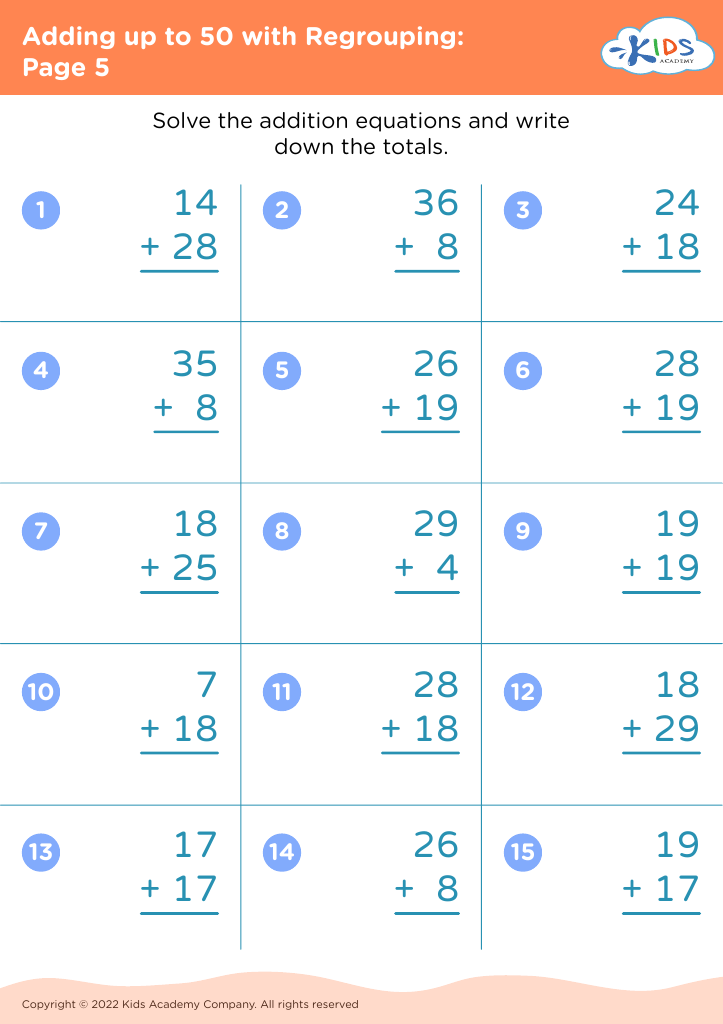
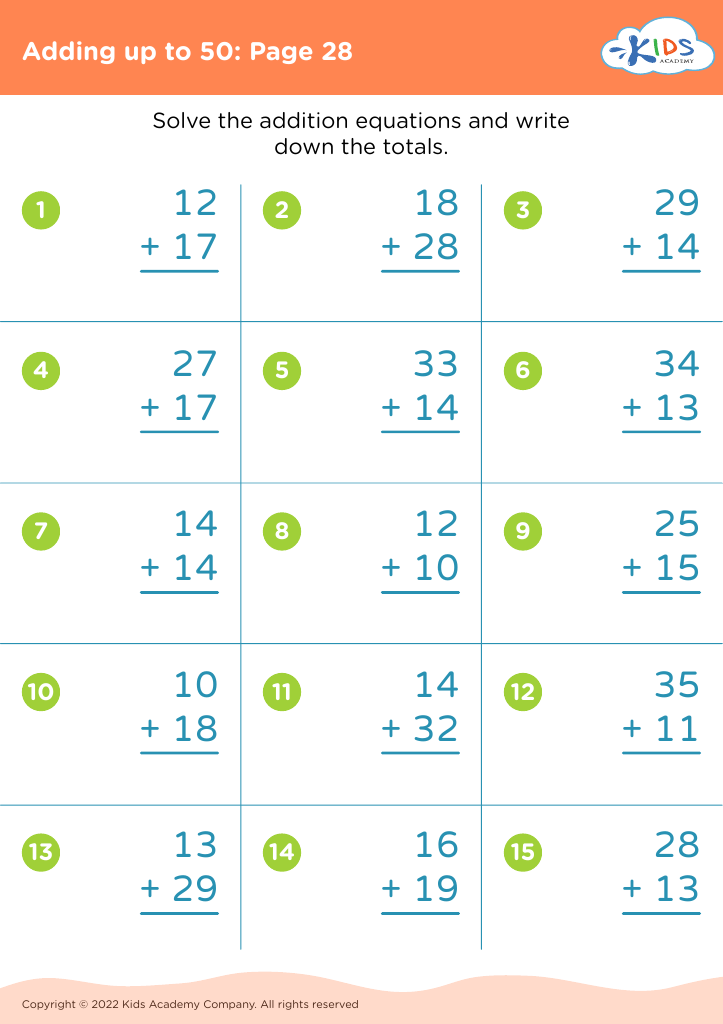
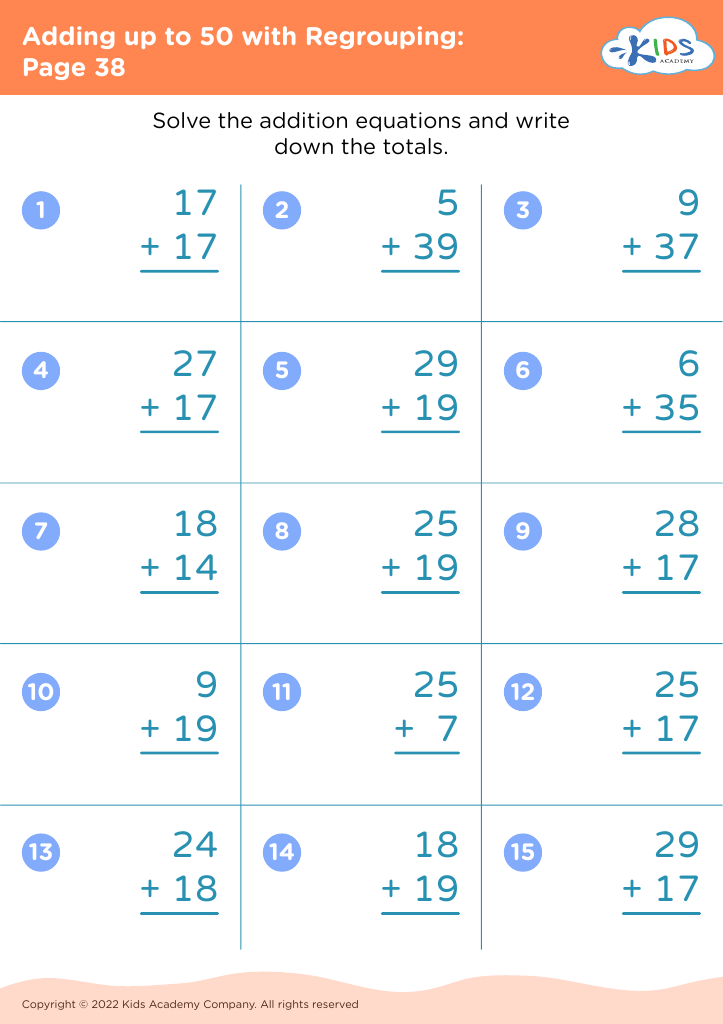
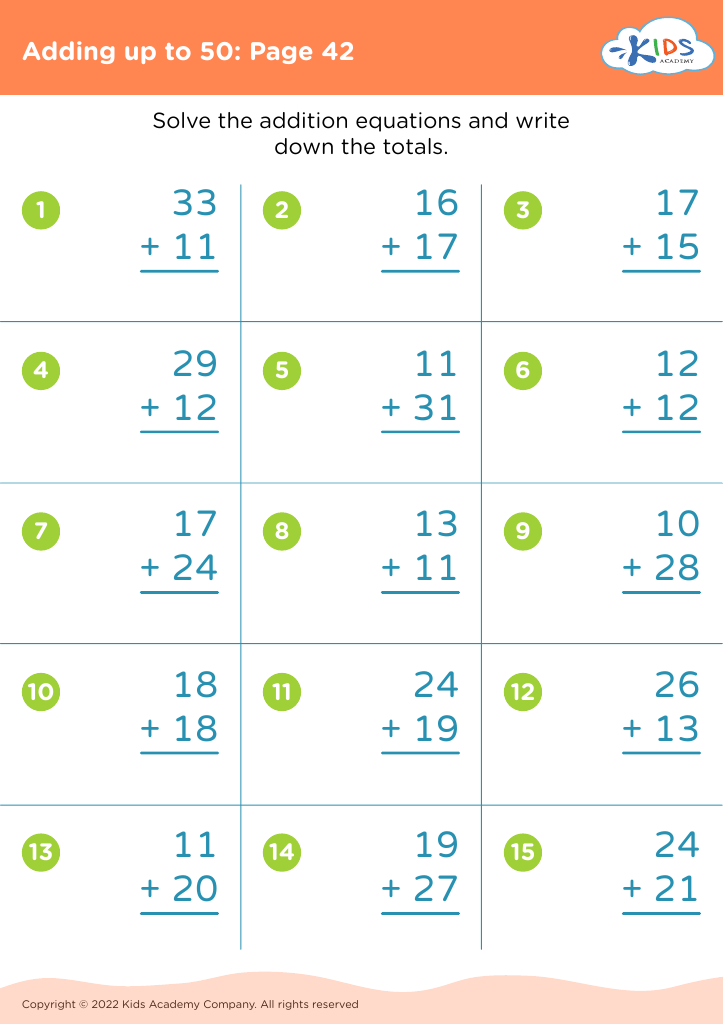
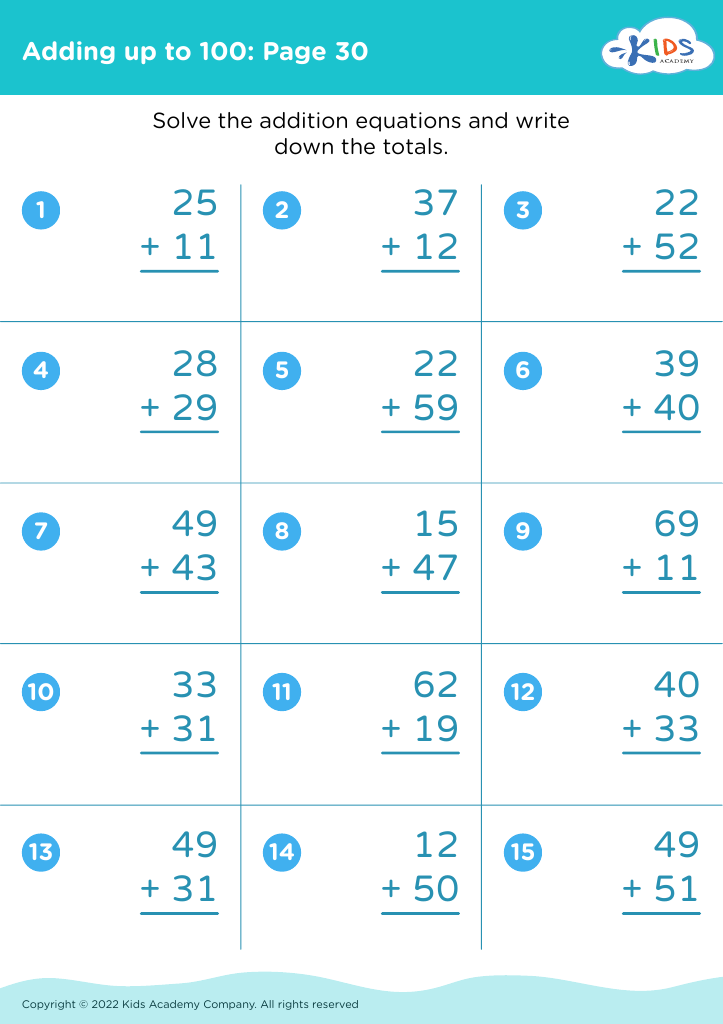
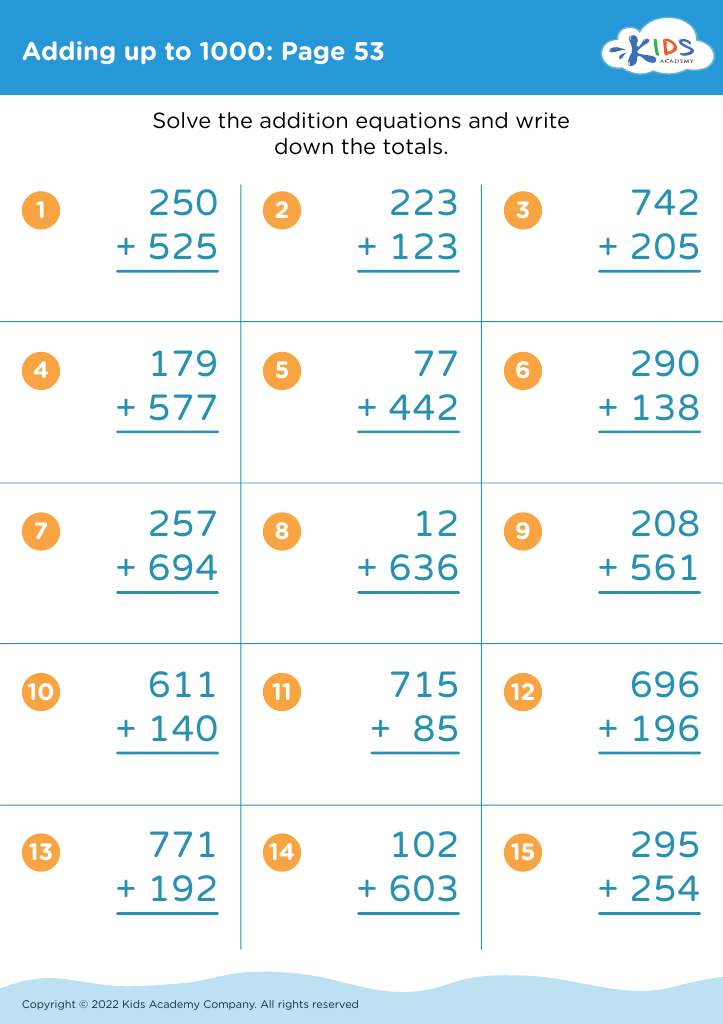
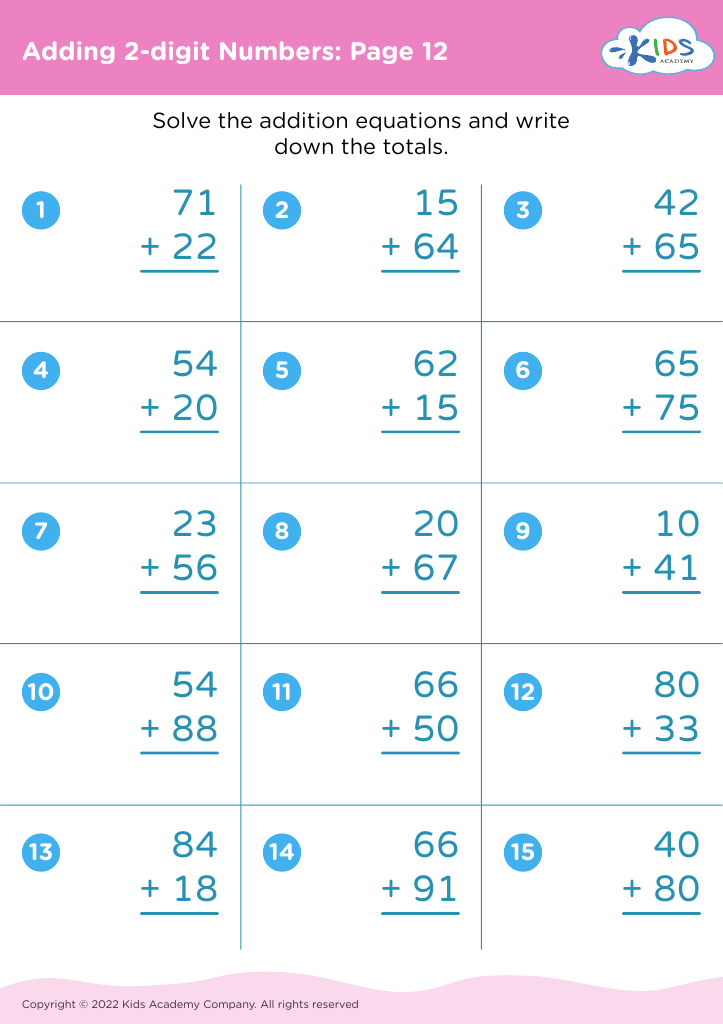
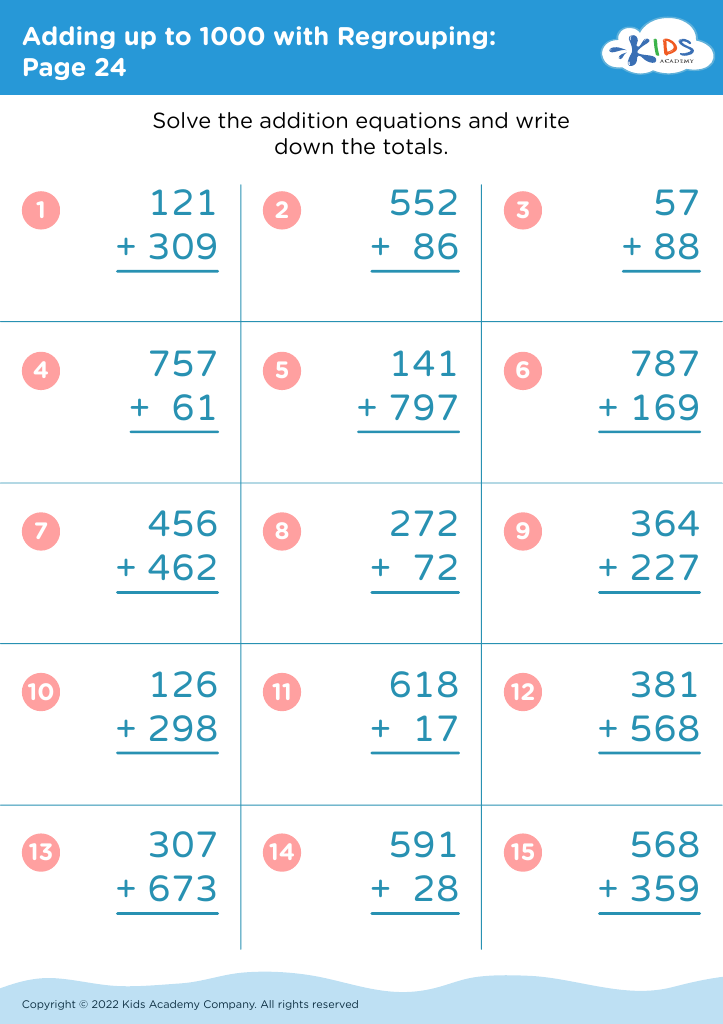
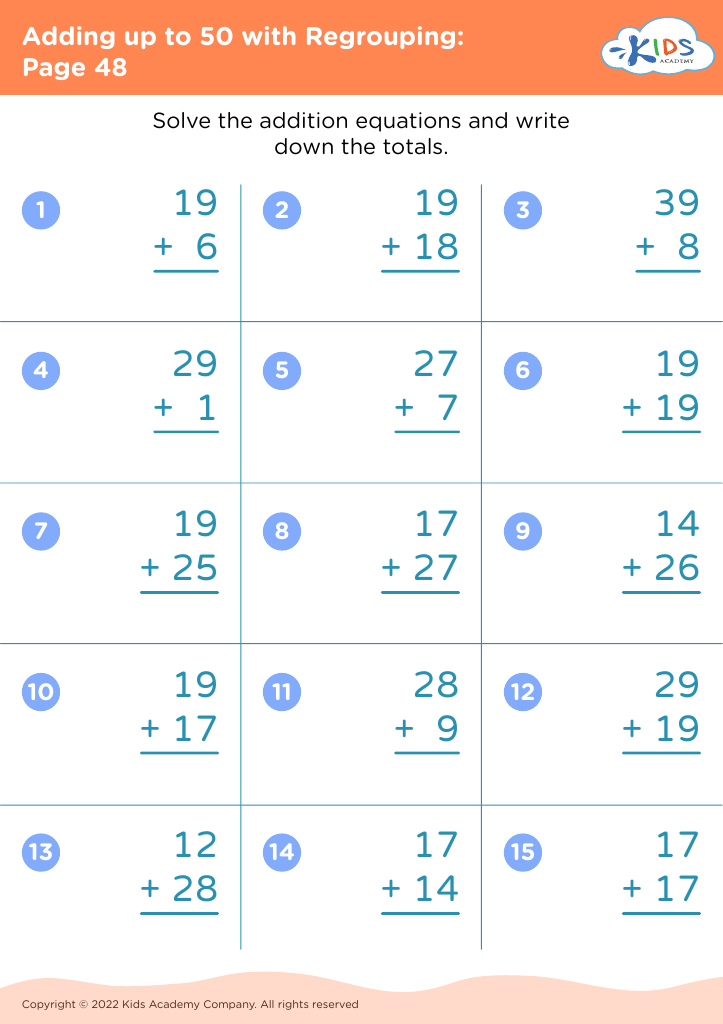
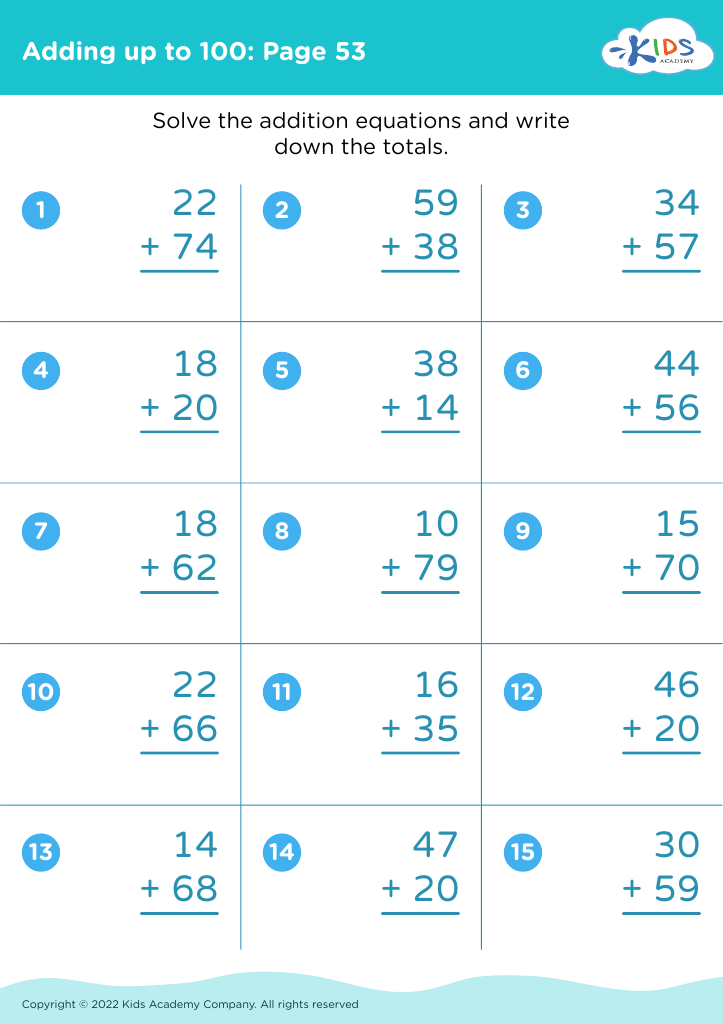
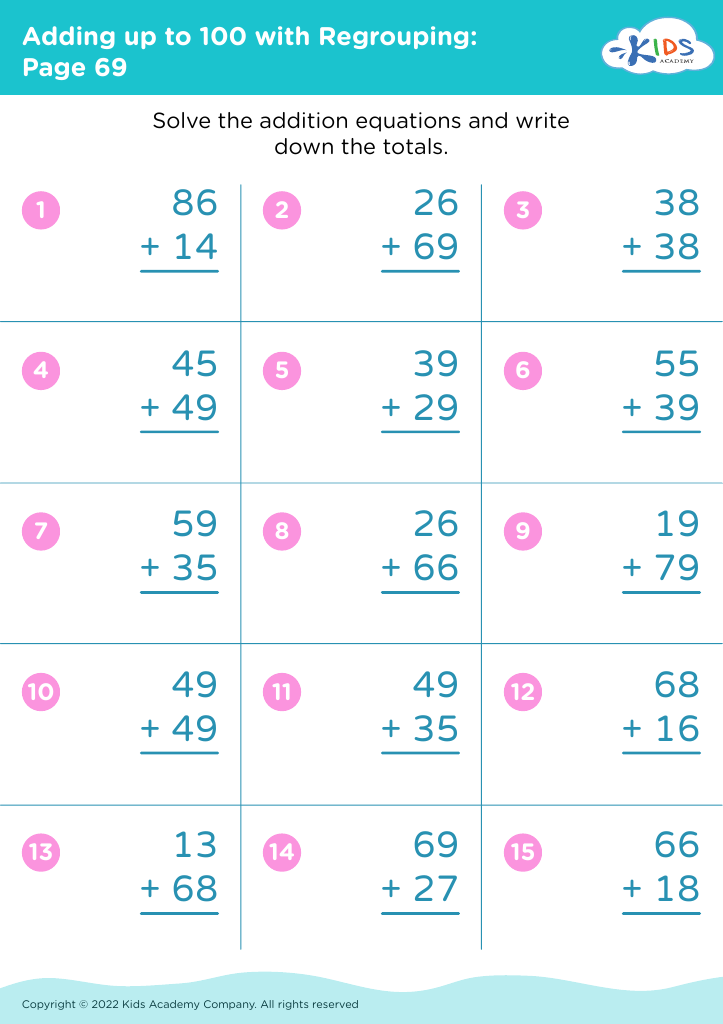
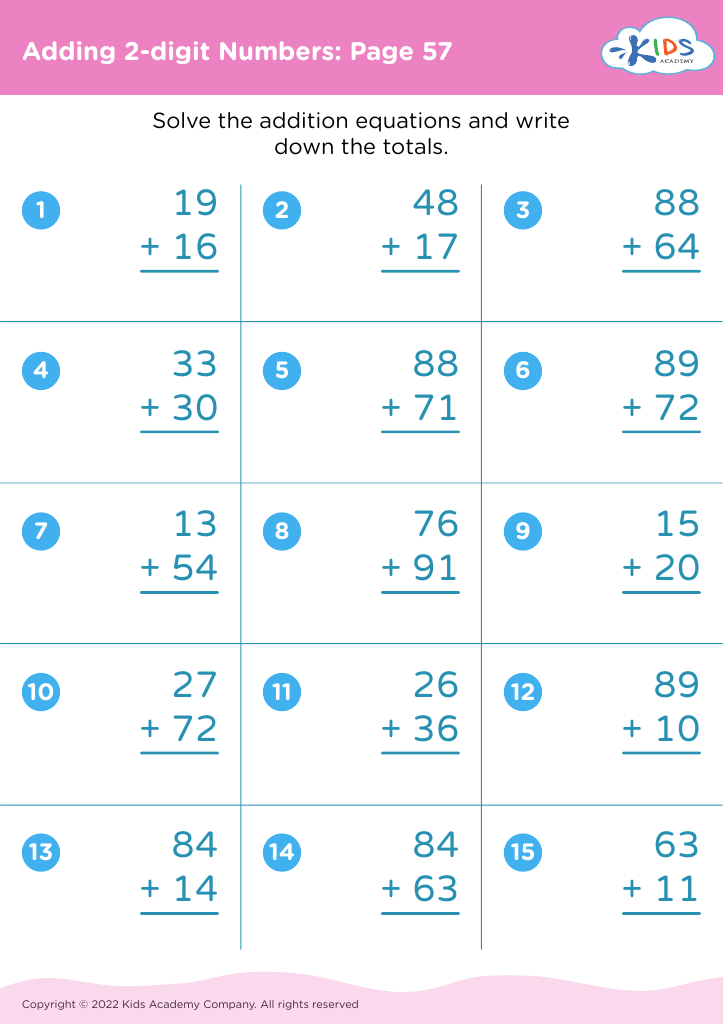








Understanding fraction comparison and addition is crucial for young learners aged 6-8 as it lays foundational mathematical skills essential for their future academic success. At this formative age, children are developing their number sense, which is the ability to understand numbers and their relationships. Fraction comparison helps students grasp the concept of parts making up a whole, a critical understanding not just for fractional numbers, but for mathematical reasoning in general.
Parents and teachers should value these skills because they foster logical thinking and problem-solving abilities. By comparing fractions, students learn about numerators and denominators, gaining insight into proportion and ratios which are fundamental in many advanced topics in mathematics, such as algebra and geometry.
Furthermore, efficiently adding fractions builds arithmetic skills, enhancing children's ability to handle more complex calculations in higher grades. Engaging with these concepts at a young age, students often find math less intimidating and more intuitive.
Practical life skills are also developed through learning about fractions, as these are often required in everyday situations, like cooking, sharing, or managing time. Ultimately, supporting children in mastering fraction comparison and addition equips them not only for academic challenges but with problem-solving techniques they will use throughout their lives.








