Filters

56 filtered results

Clear all filters
Favorites
With answer key
Interactive

56 filtered results

Difficulty Level

Grade


Check out this FREE Trial Lesson on Addition for age 6-8!

P

Favorites
With answer key
Interactive
  • 6-8
  • Fraction simplification
  • Addition
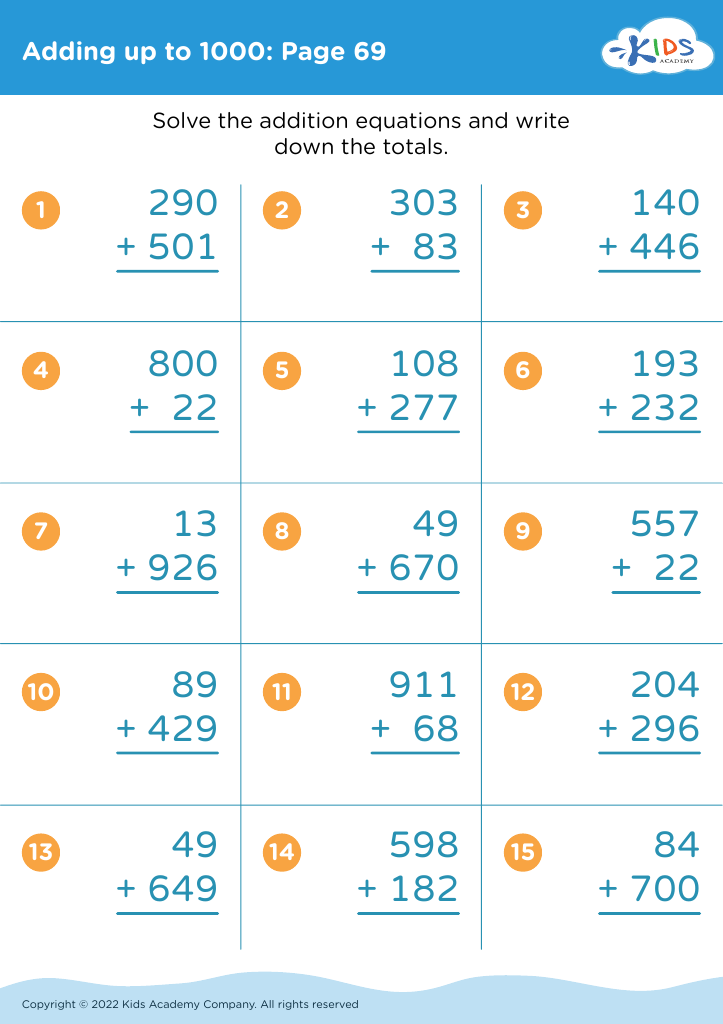
Adding up to 1000: Page 69

Adding up to 1000: Page 69

Adding up to 1000: Page 69
Worksheet
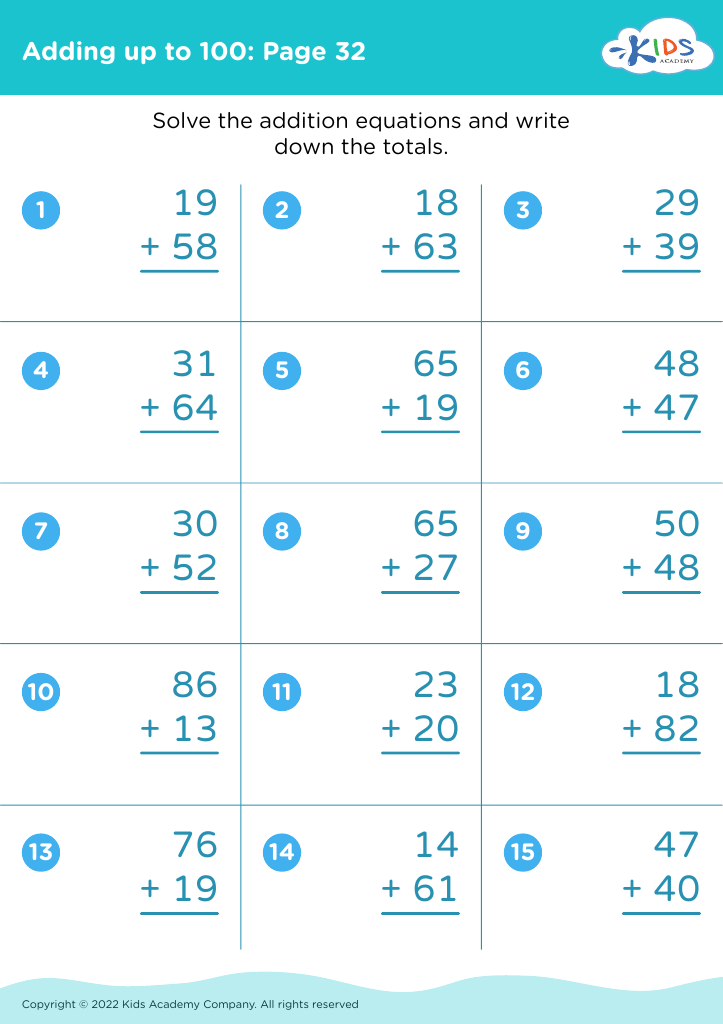
Adding up to 100: Page 32

Adding up to 100: Page 32

Adding up to 100: Page 32
Worksheet
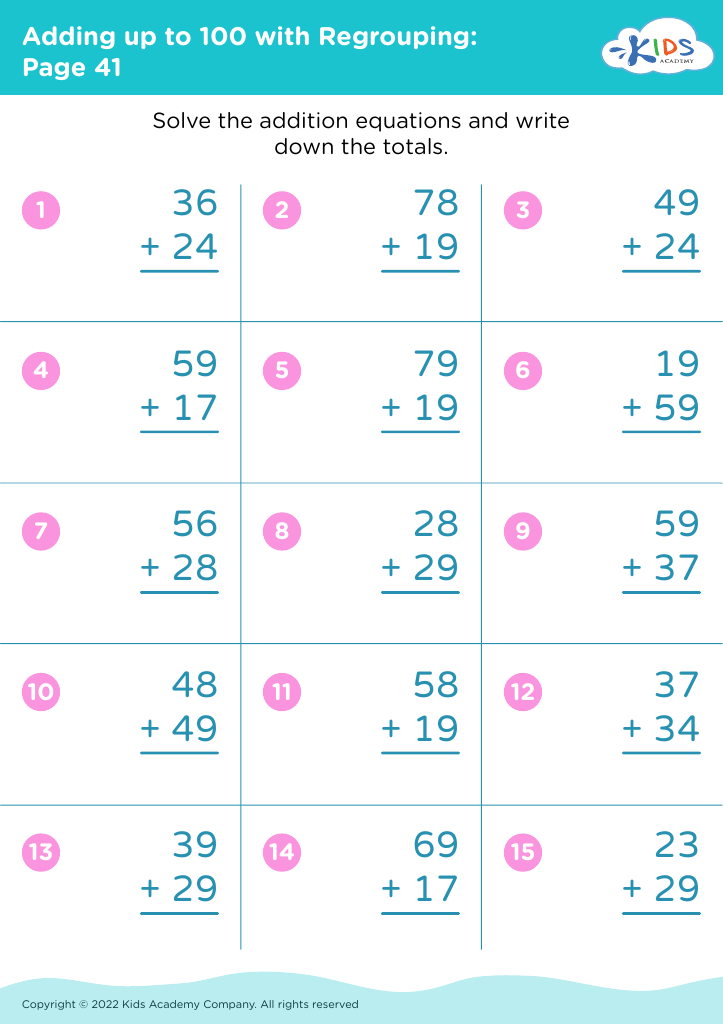
Adding up to 100 with Regrouping: Page 41
Worksheet
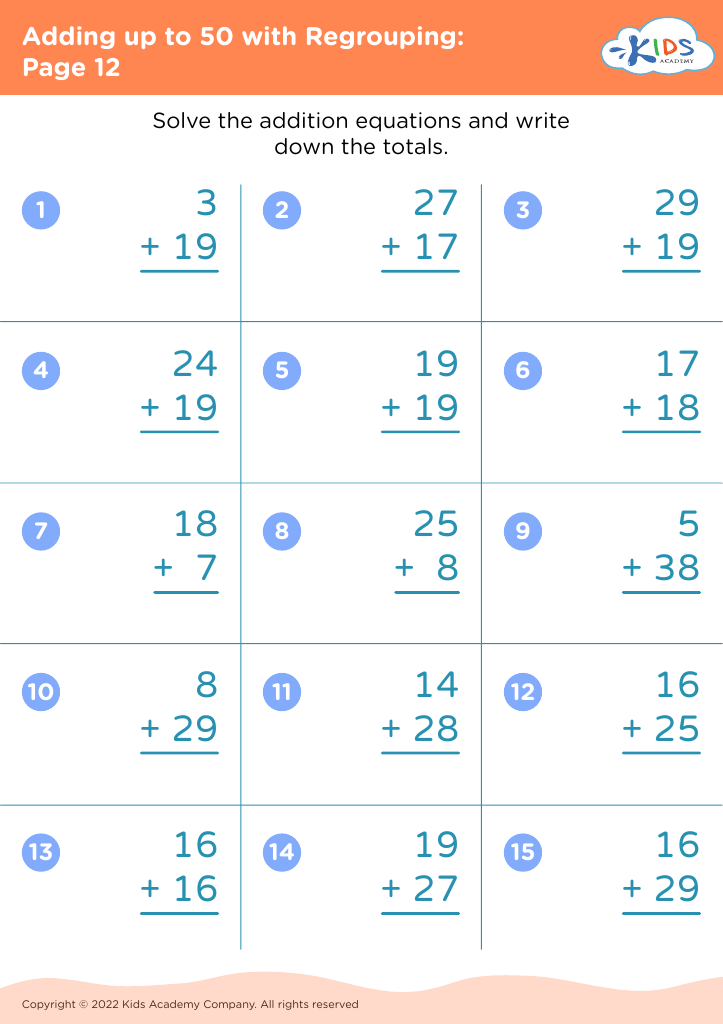
Adding up to 50 with Regrouping: Page 12
Worksheet
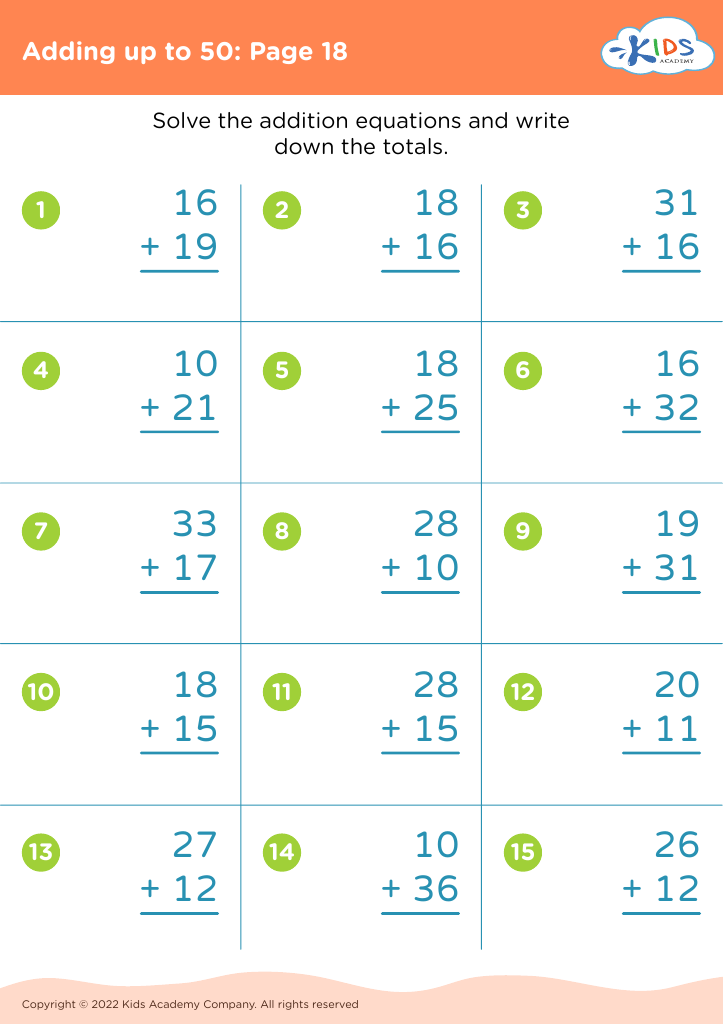
Adding up to 50: Page 18

Adding up to 50: Page 18

Adding up to 50: Page 18
Worksheet
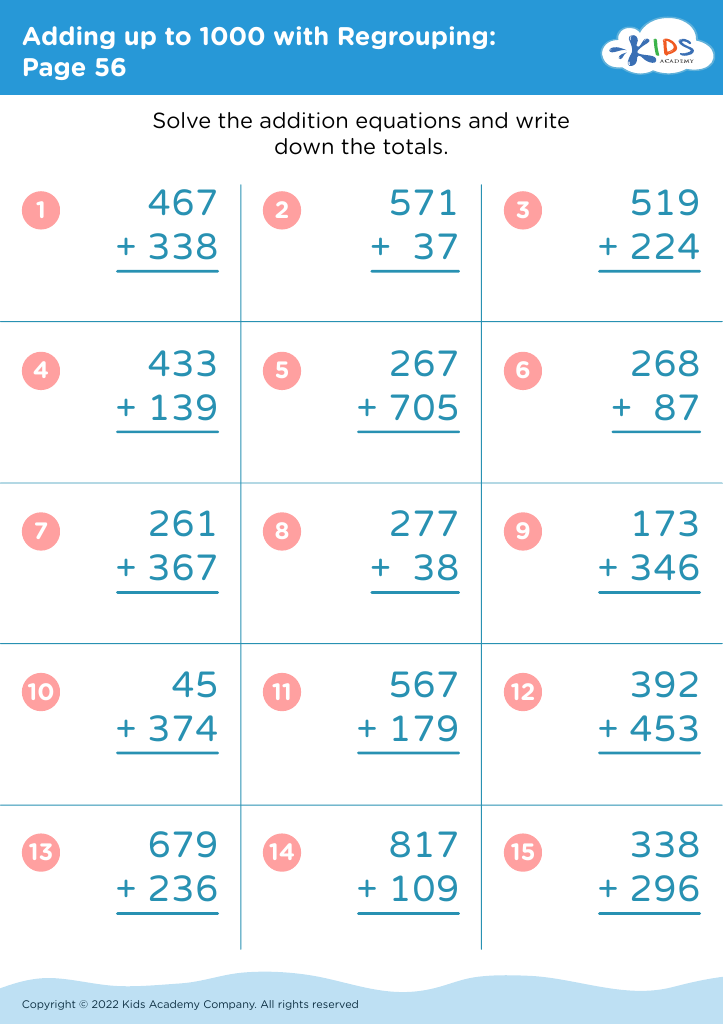
Adding up to 1000 with Regrouping: Page 56
Worksheet
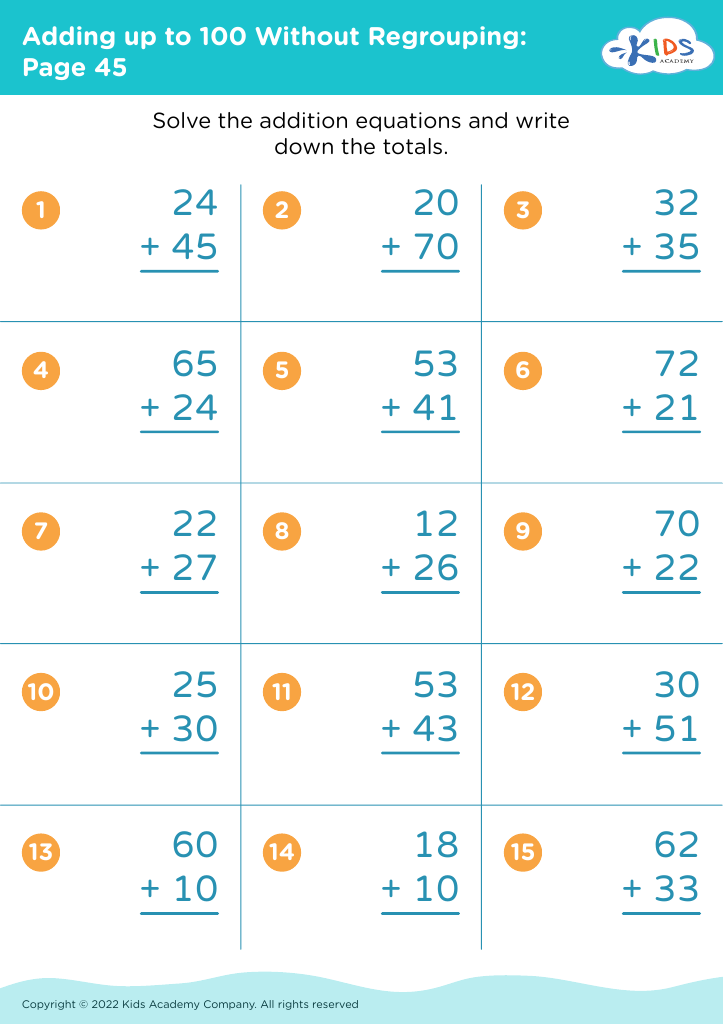
Adding up to 100 Without Regrouping: Page 45
Worksheet
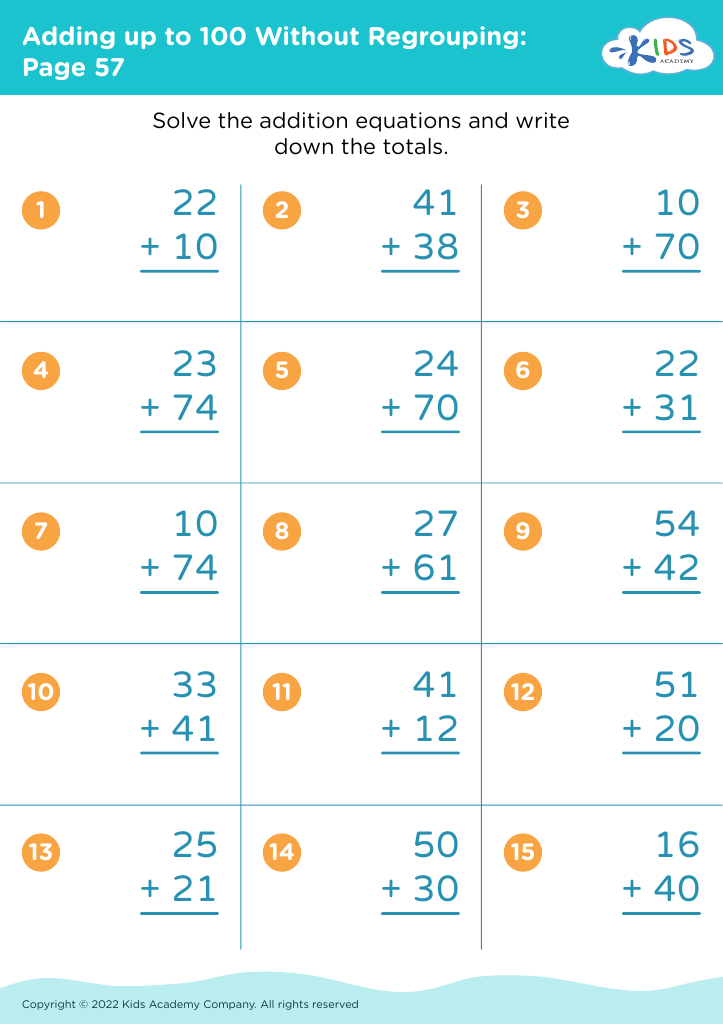
Adding up to 100 Without Regrouping: Page 57
Worksheet
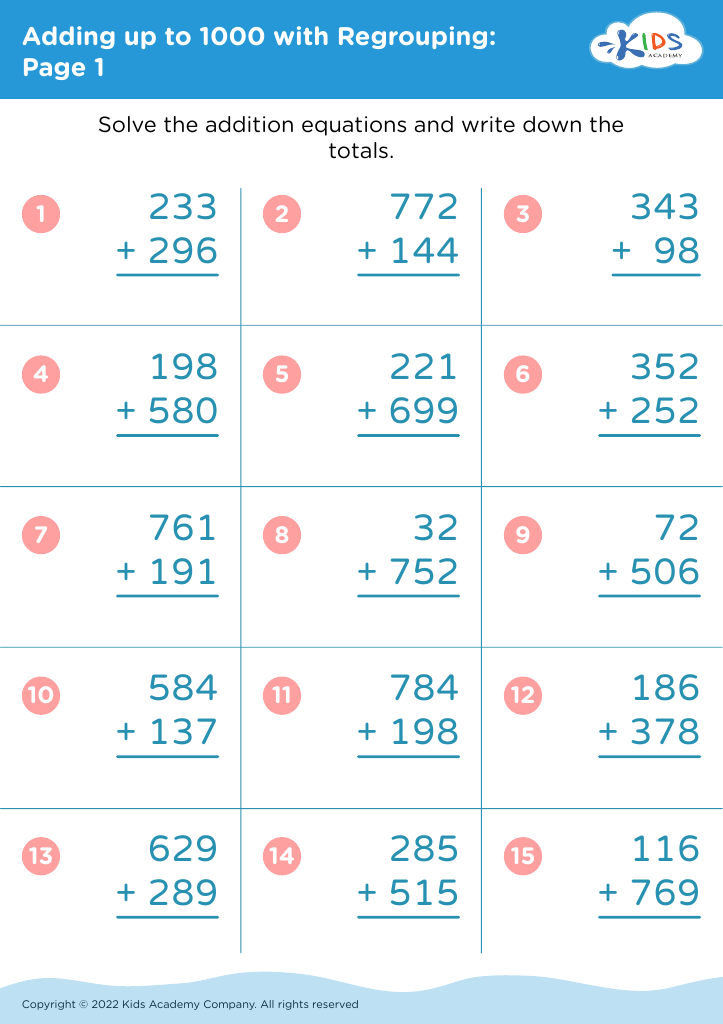
Adding up to 1000 with Regrouping: Page 1
Worksheet
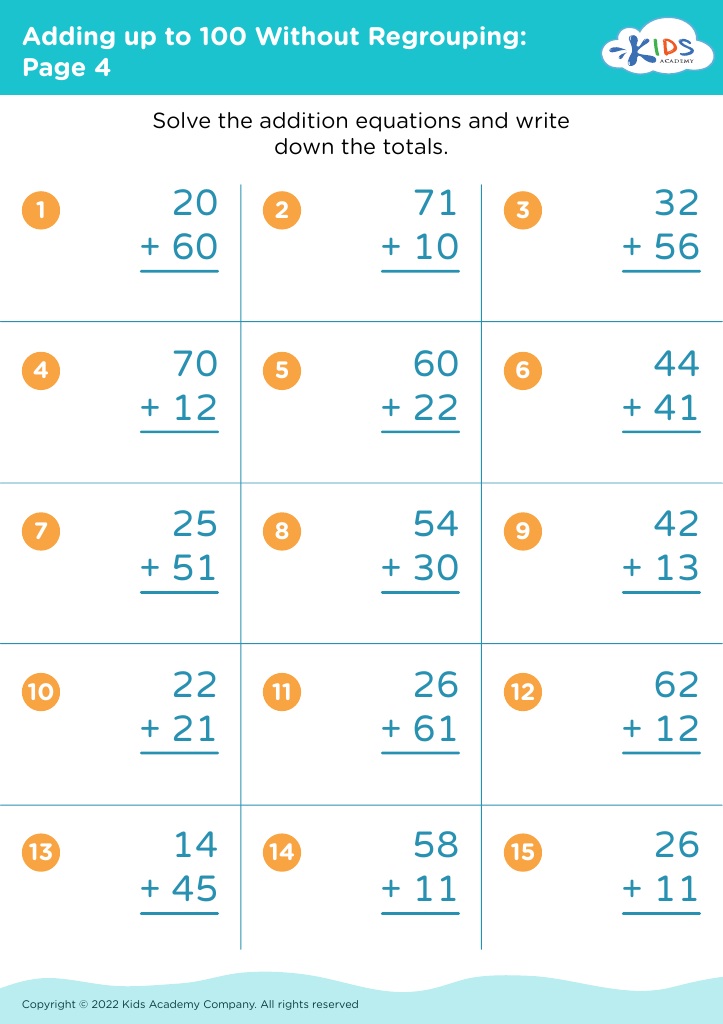
Adding up to 100 Without Regrouping: Page 4
Worksheet
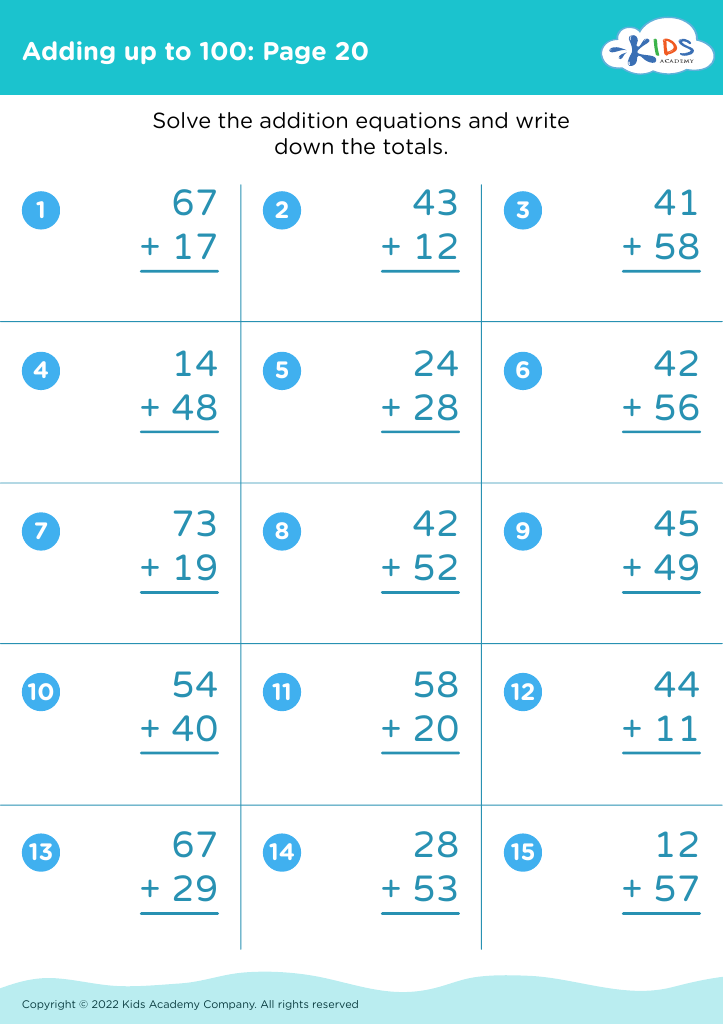
Adding up to 100: Page 20

Adding up to 100: Page 20

Adding up to 100: Page 20
Worksheet
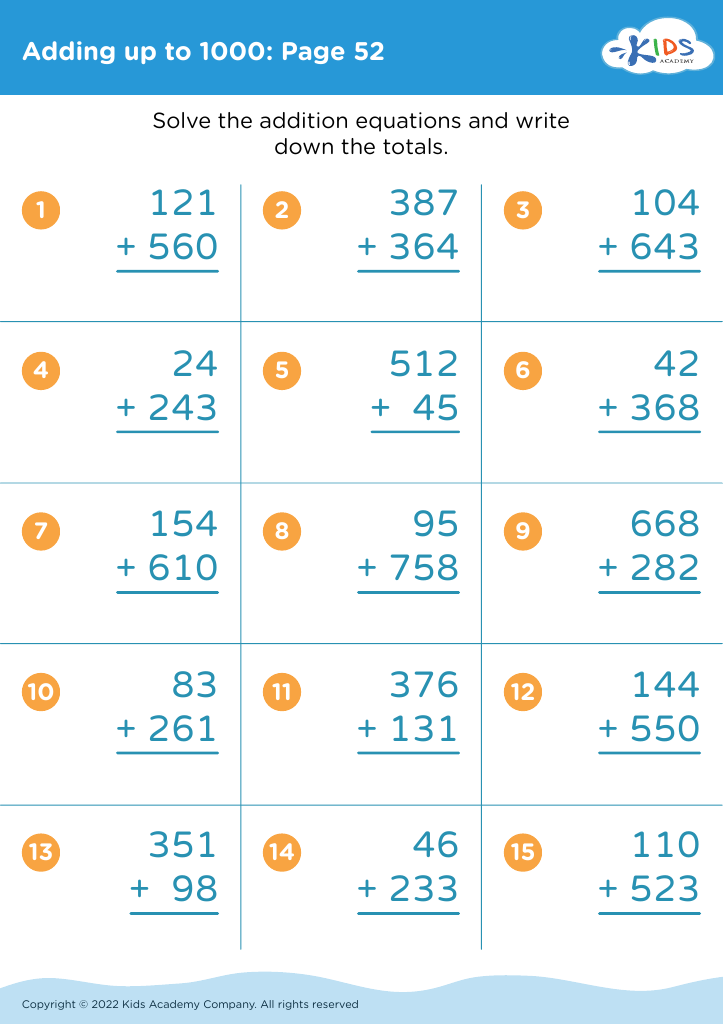
Adding up to 1000: Page 52

Adding up to 1000: Page 52

Adding up to 1000: Page 52
Worksheet
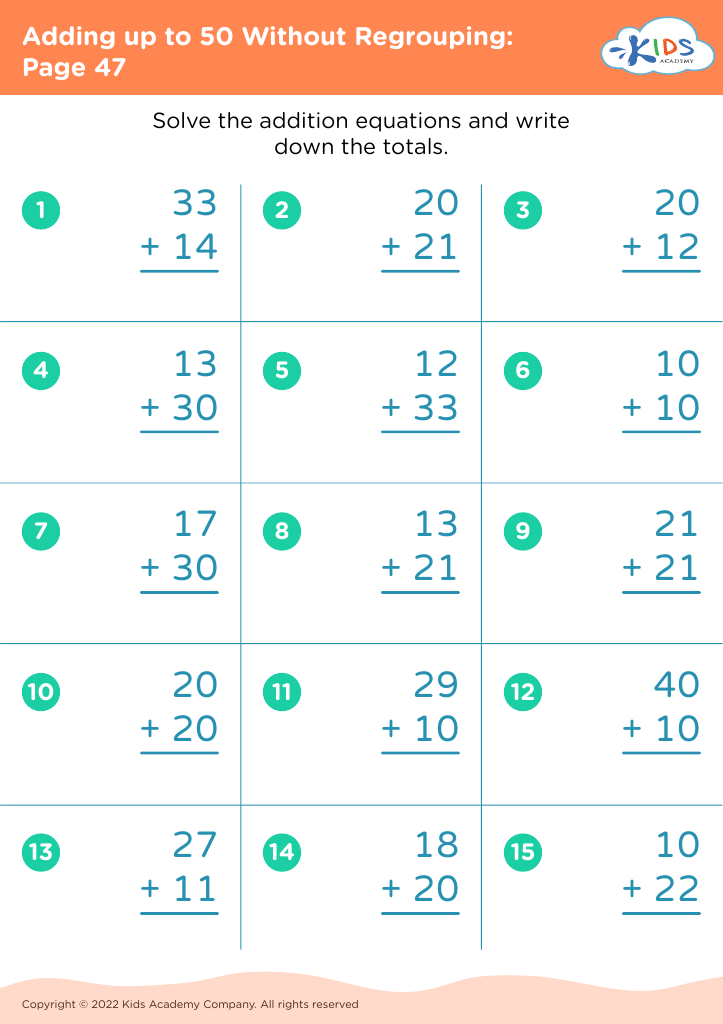
Adding up to 50 Without Regrouping: Page 47
Worksheet
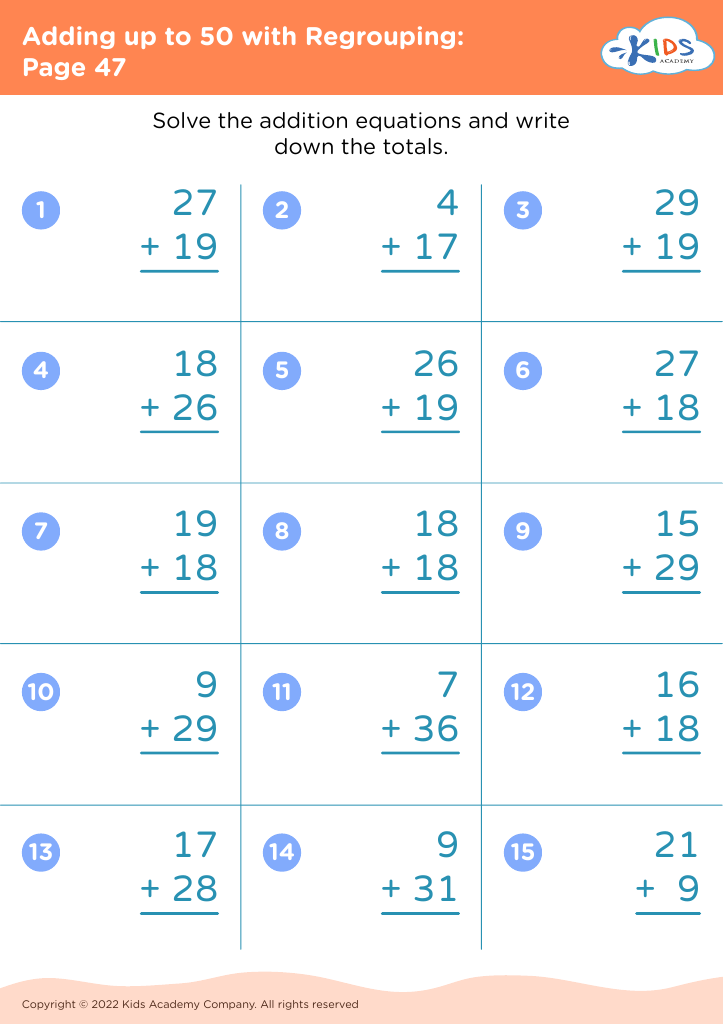
Adding up to 50 with Regrouping: Page 47
Worksheet
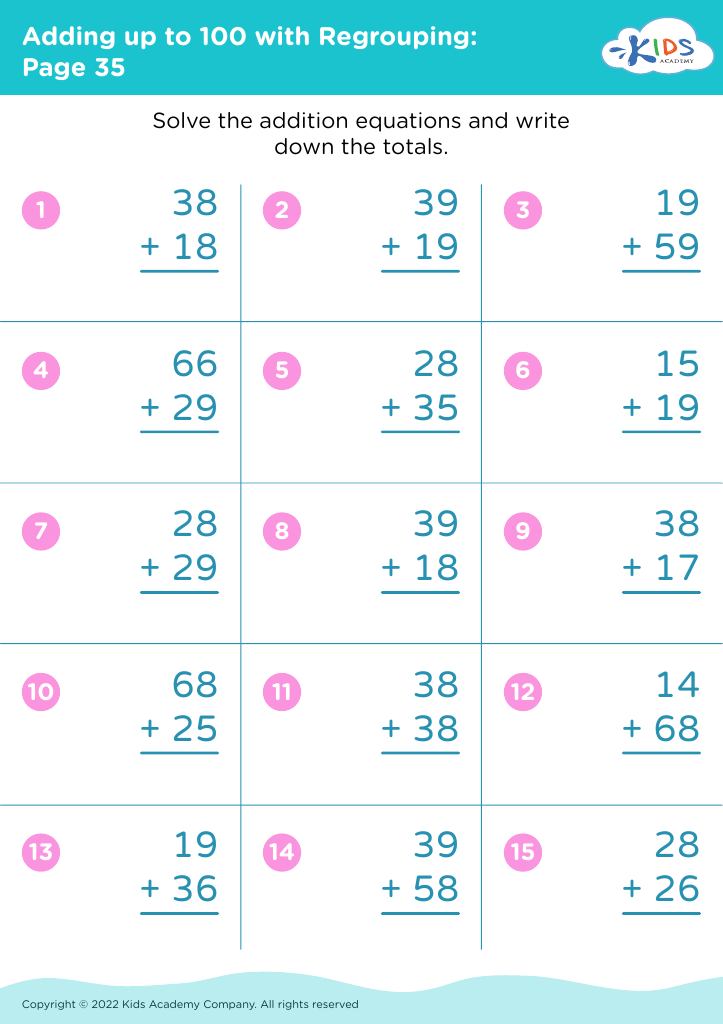
Adding up to 100 with Regrouping: Page 35
Worksheet
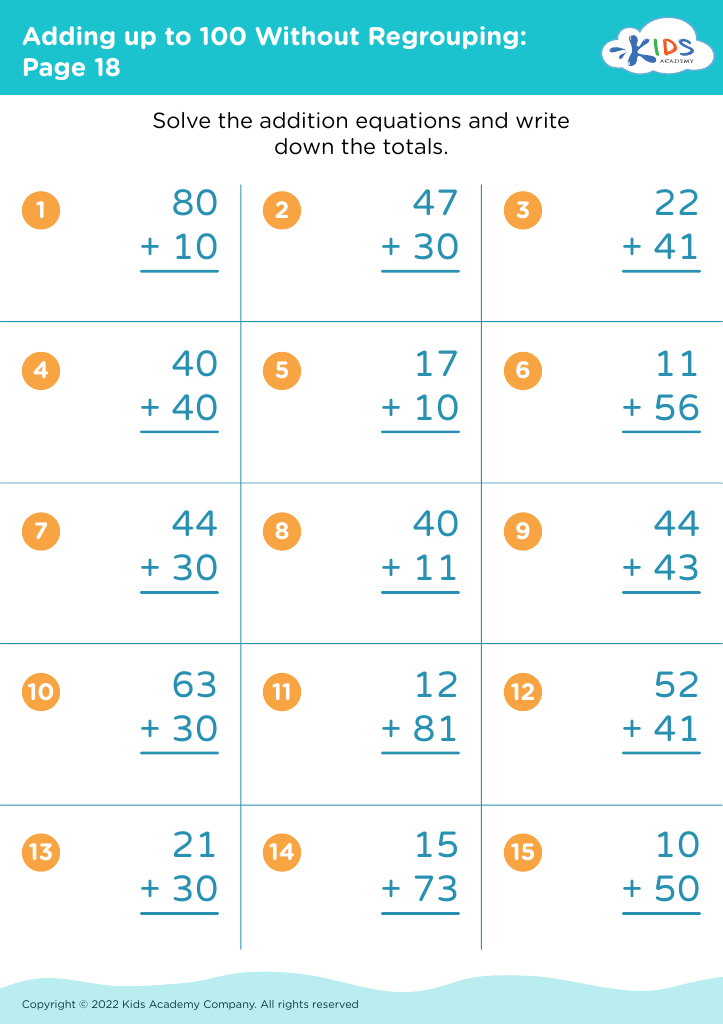
Adding up to 100 Without Regrouping: Page 18
Worksheet
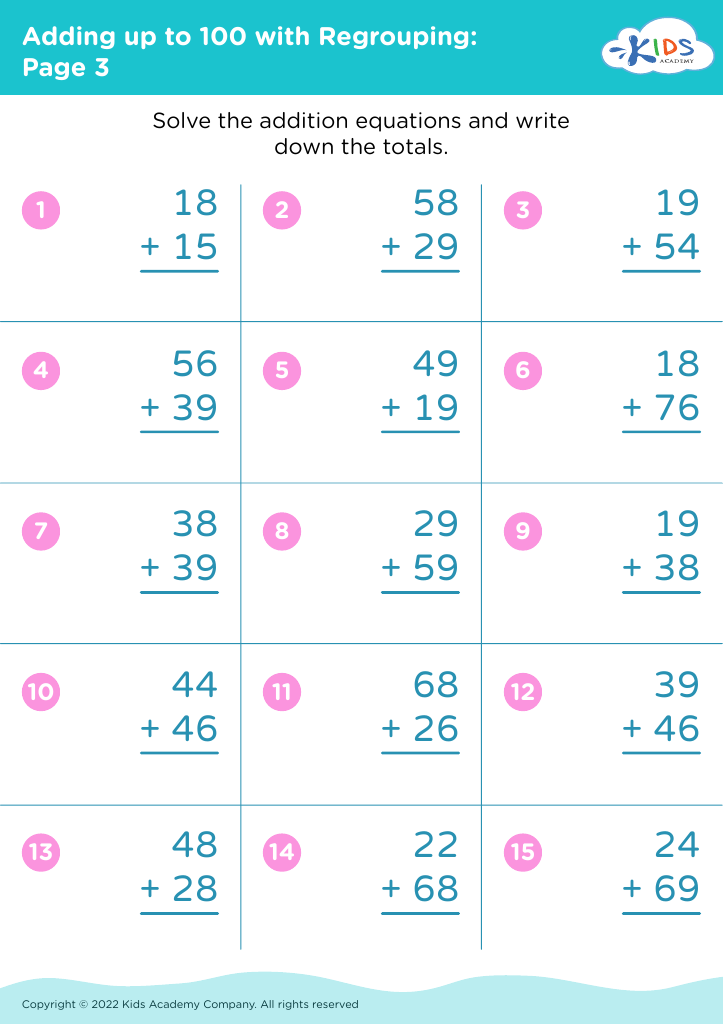
Adding up to 100 with Regrouping: Page 3
Worksheet
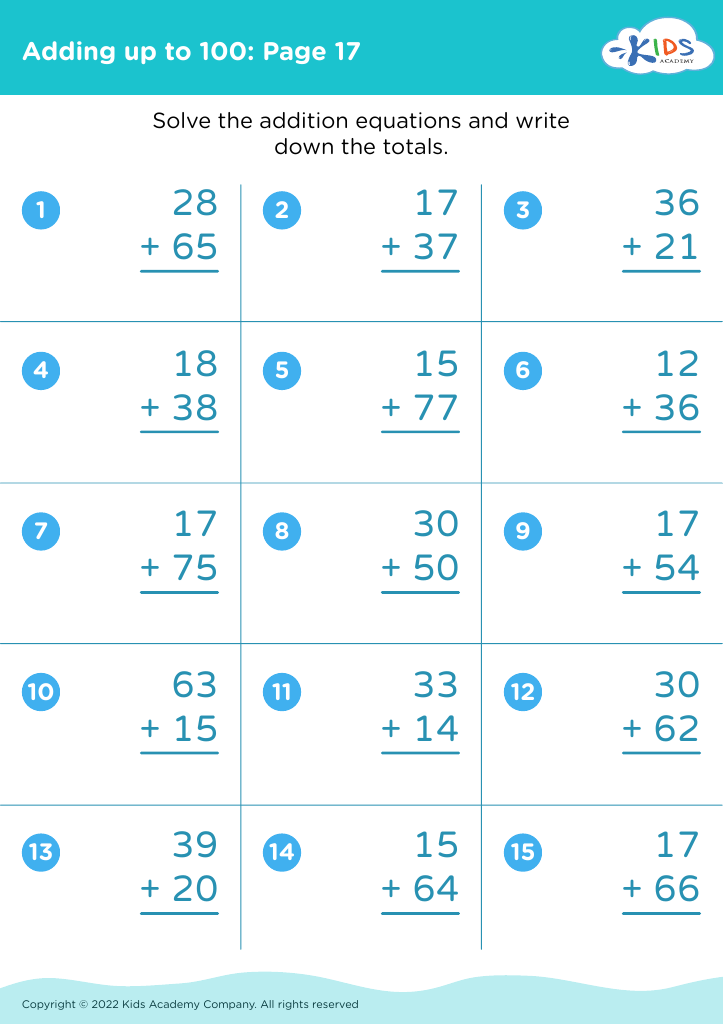
Adding up to 100: Page 17

Adding up to 100: Page 17

Adding up to 100: Page 17
Worksheet
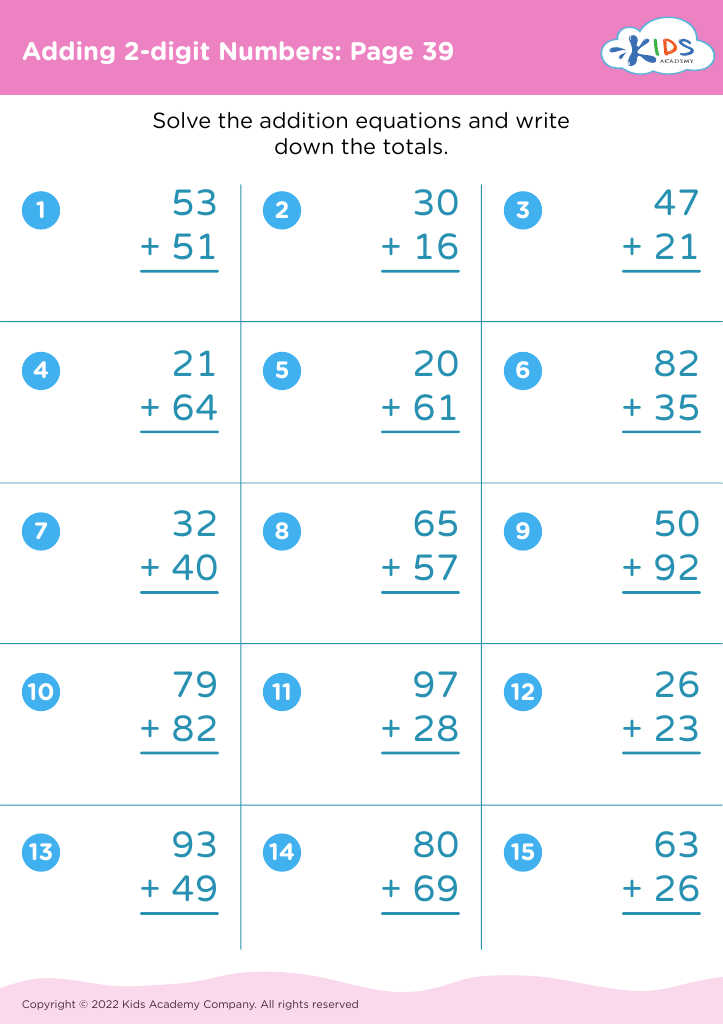
Adding 2-digit Numbers: Page 39

Adding 2-digit Numbers: Page 39

Adding 2-digit Numbers: Page 39
Worksheet
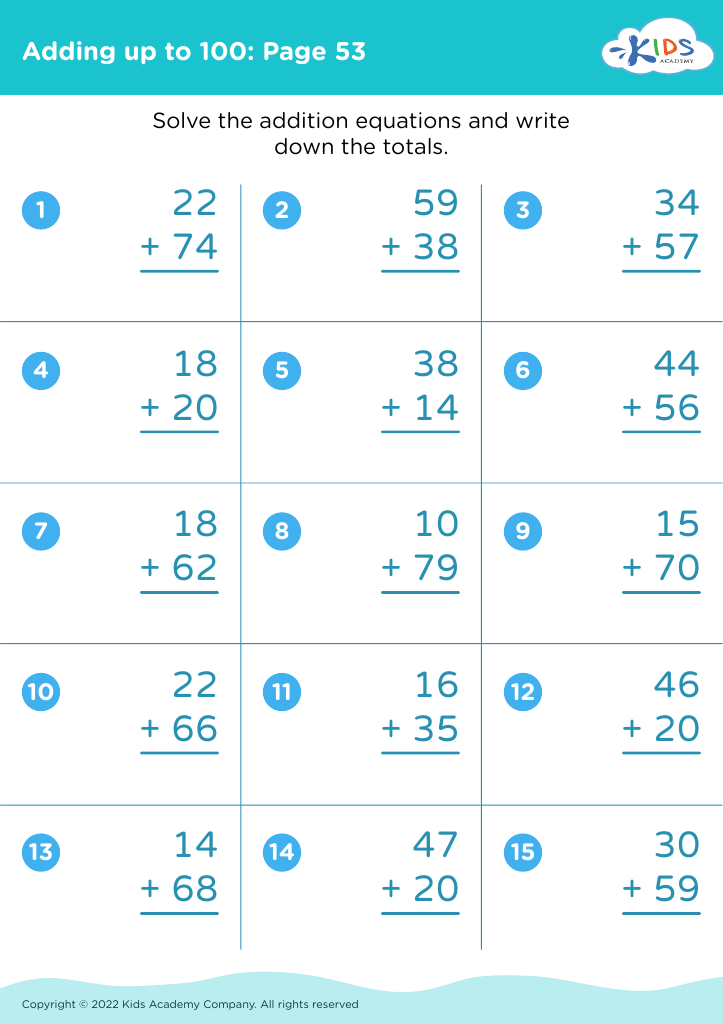
Adding up to 100: Page 53

Adding up to 100: Page 53

Adding up to 100: Page 53
Worksheet
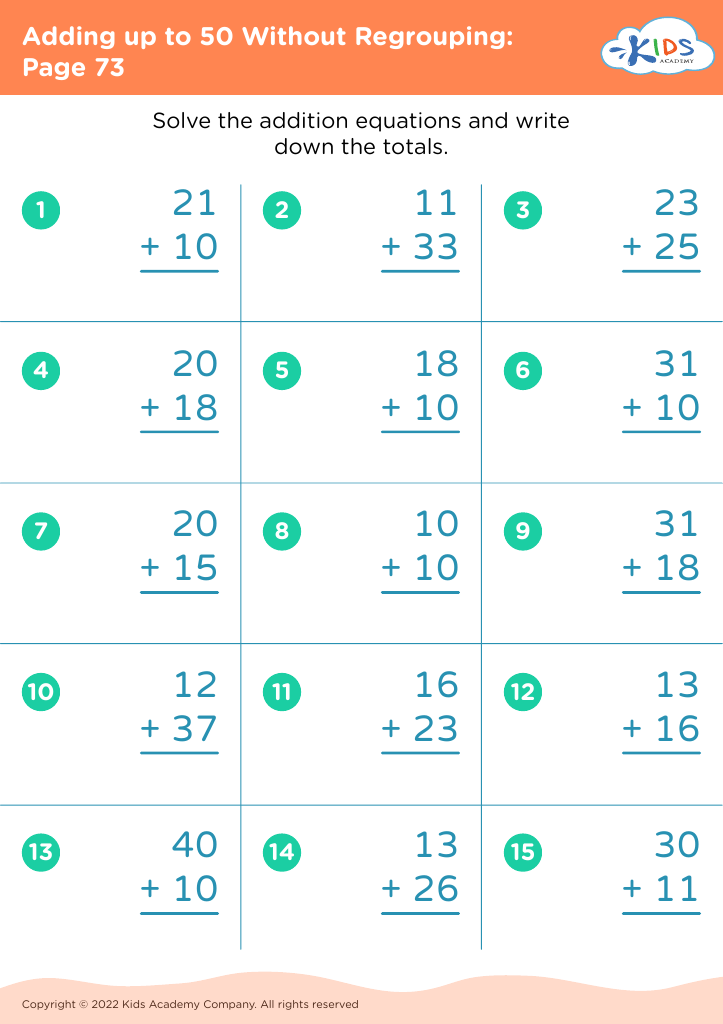
Adding up to 50 Without Regrouping: Page 73
Worksheet
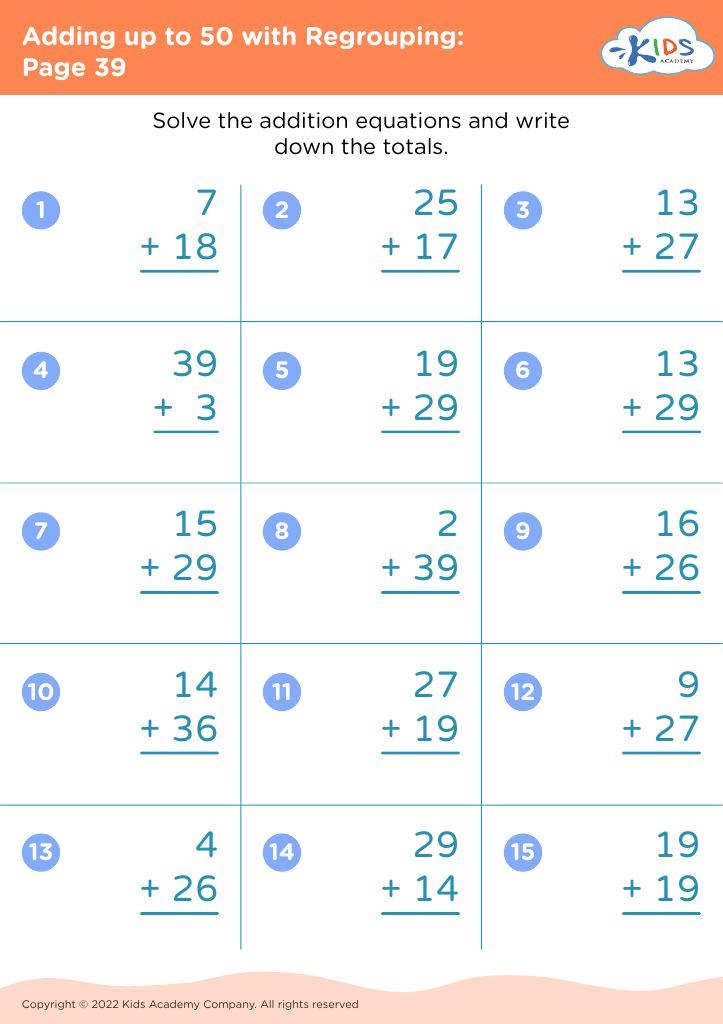
Adding up to 50 with Regrouping: Page 39
Worksheet
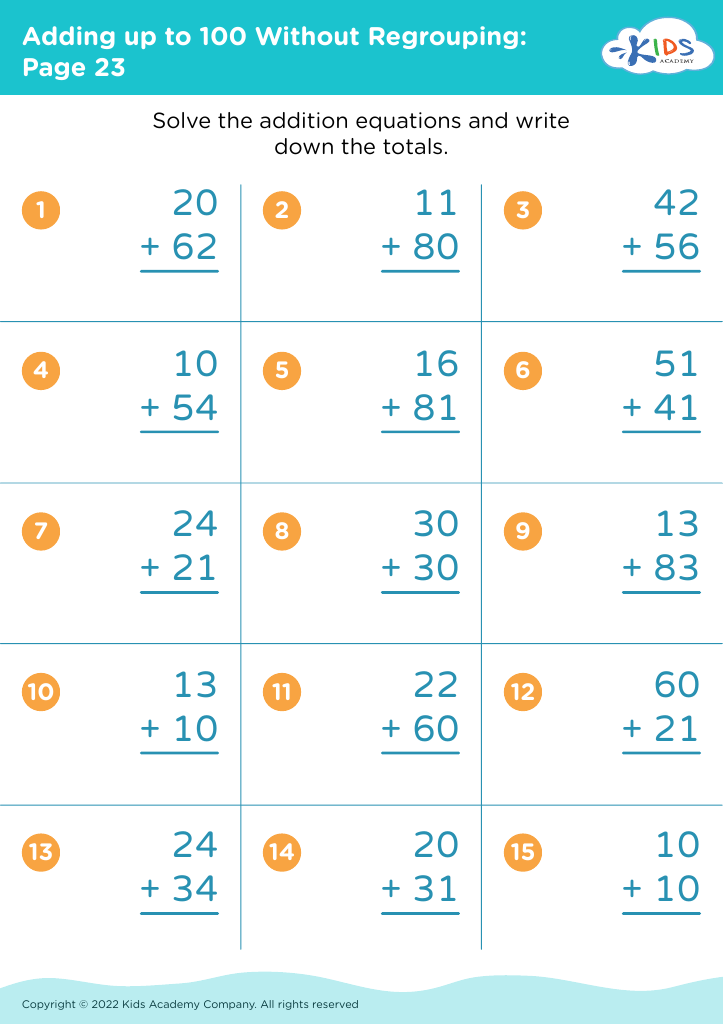
Adding up to 100 Without Regrouping: Page 23
Worksheet
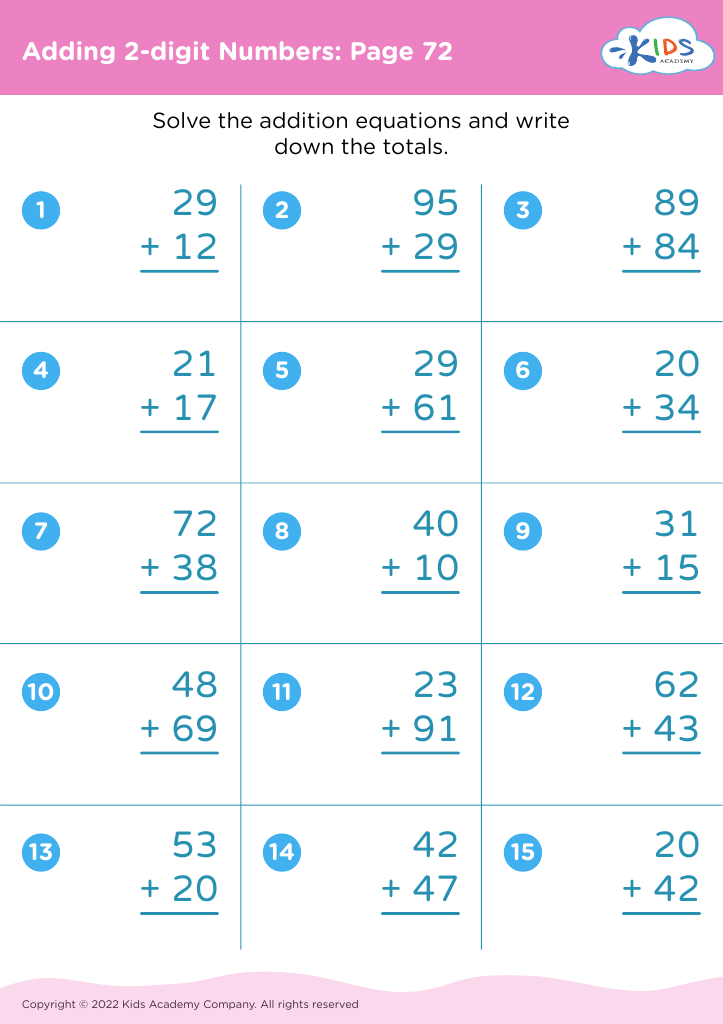
Adding 2-digit Numbers: Page 72

Adding 2-digit Numbers: Page 72

Adding 2-digit Numbers: Page 72
Worksheet


Parents and teachers should care about fraction simplification and addition for ages 6-8 because it lays a crucial foundation for mathematical understanding and fosters cognitive development. At this formative age, children are particularly receptive to learning new concepts, and grasping basic fraction operations can significantly enhance their problem-solving abilities, logical thinking, and aptitude for more advanced mathematical concepts encountered later in school.

Mastery of fraction simplification and addition encourages fine motor skills through activities like drawing fractional parts while offering visual and hands-on learning methods. It helps young learners comprehend the idea of equal parts and the relationship between whole numbers and their subparts, promoting a comprehensive understanding of measurement, division, and proportionality in their everyday experiences, such as slicing a pizza or comparing quantities.

Moreover, engaging with fractions at an early age builds confidence and reduces math anxiety. A strong grasp of fundamental math principles opens doors to success in subjects like science, technology, engineering, and math (STEM), equipping children with essential skills for the future. Investing in these foundational concepts ensures children develop a positive attitude toward mathematics, adopt a growth mindset, and remain curious, resilient learners.