Understanding quantity Addition Worksheets for Ages 6-8
9 filtered results
-
From - To
Discover our "Understanding Quantity Addition Worksheets" tailored for children ages 6-8! These engaging worksheets are designed to help young learners master the essential concepts of quantity and addition through fun, interactive activities. With clear visuals and stimulating exercises, students will develop a solid grasp of how to compare numbers and understand quantity relationships. Our materials support varied learning styles, ensuring every child can progress with confidence. Perfect for home or classroom use, these worksheets offer a comprehensive way to reinforce key mathematical skills, preparing kids for future challenges in math. Explore and watch your child excel in their learning journey!
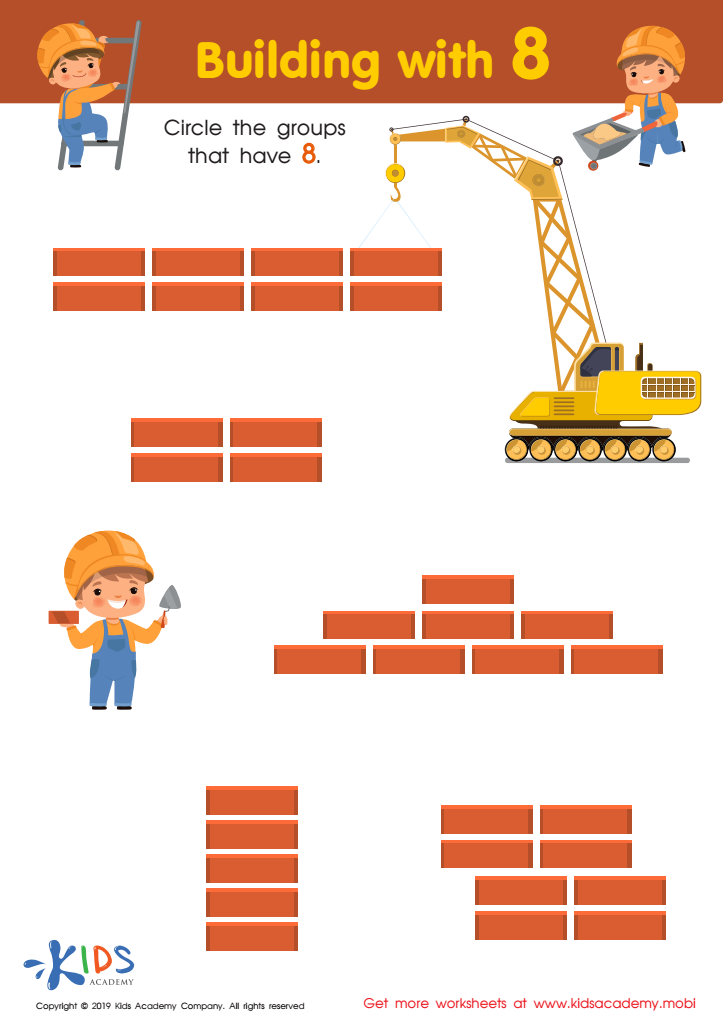
Building with 8 Worksheet
 Assign to My Students
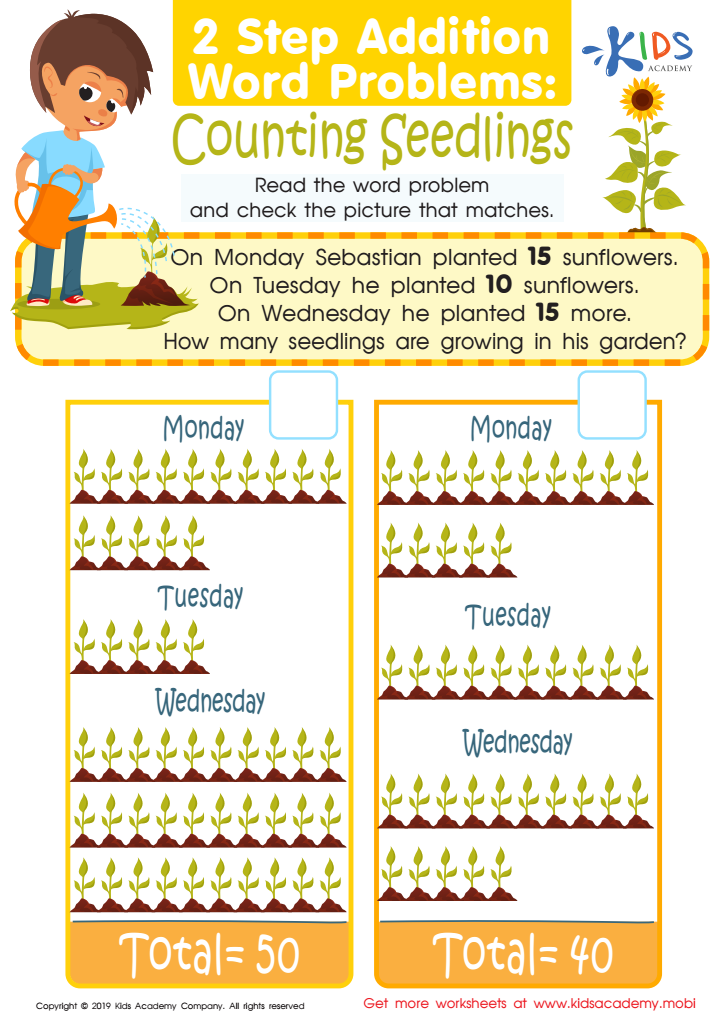
Counting Seedlings Worksheet
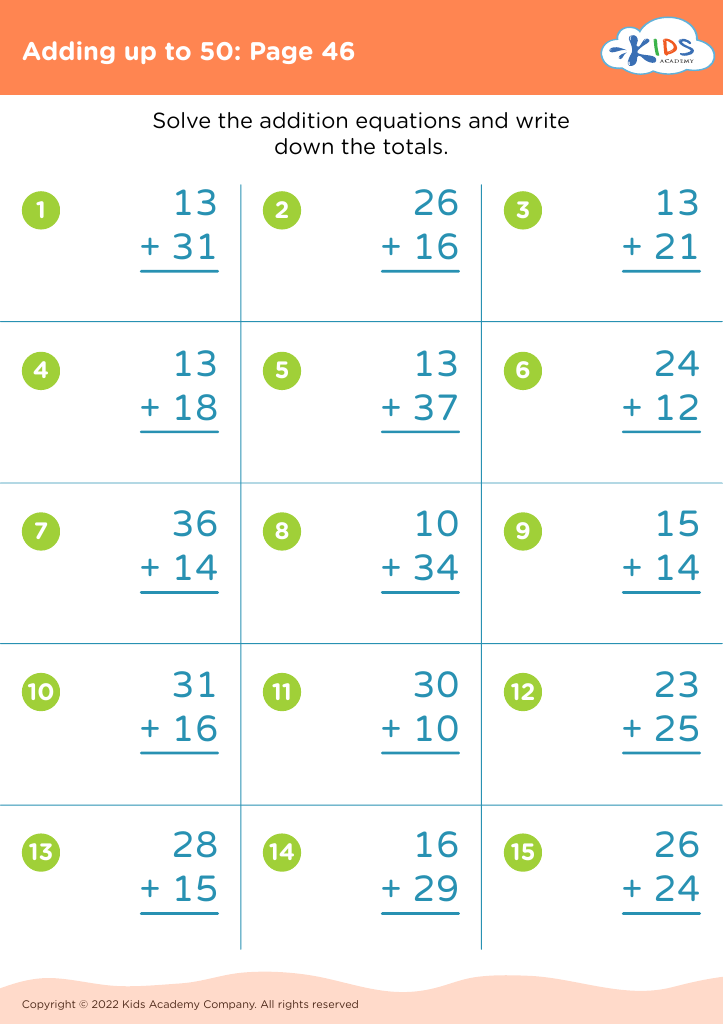
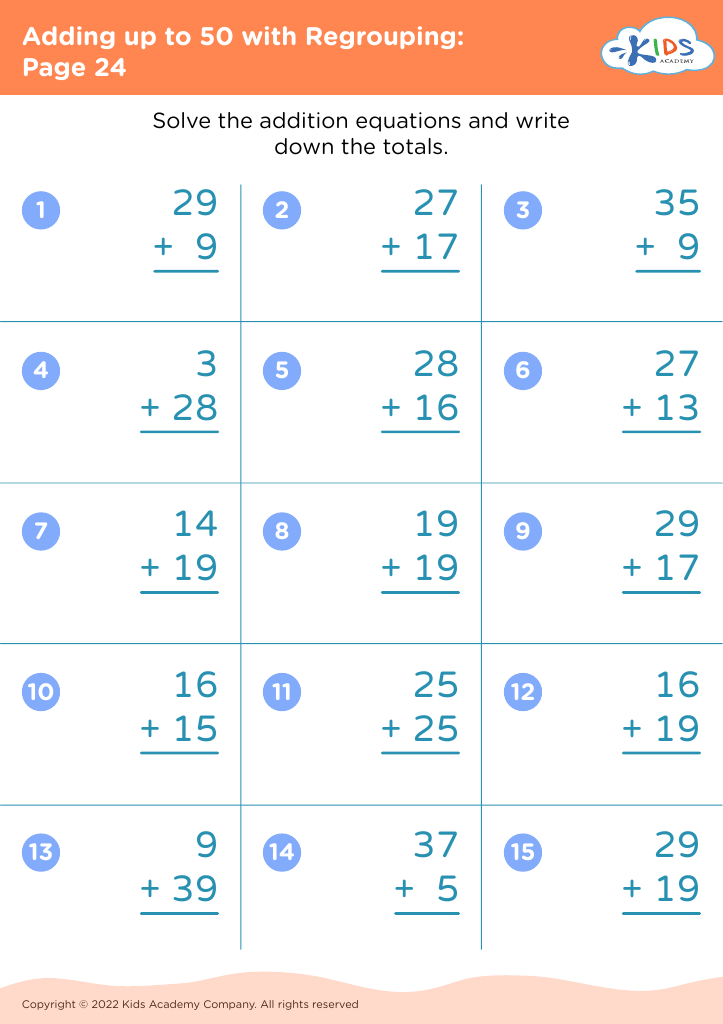
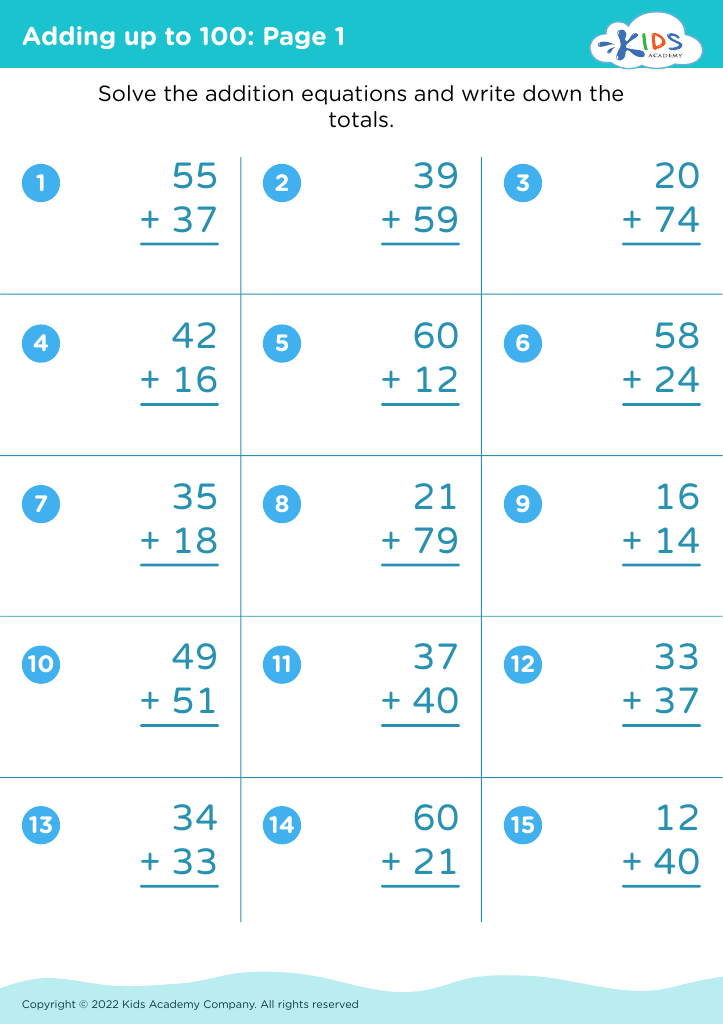
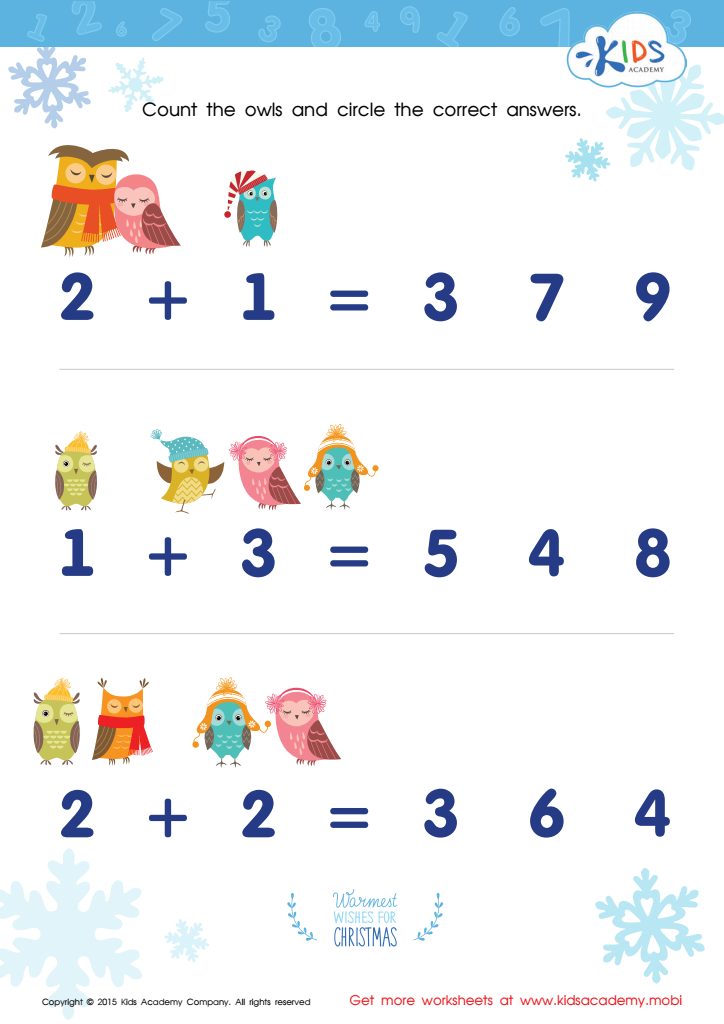
Count Little Owls Worksheet
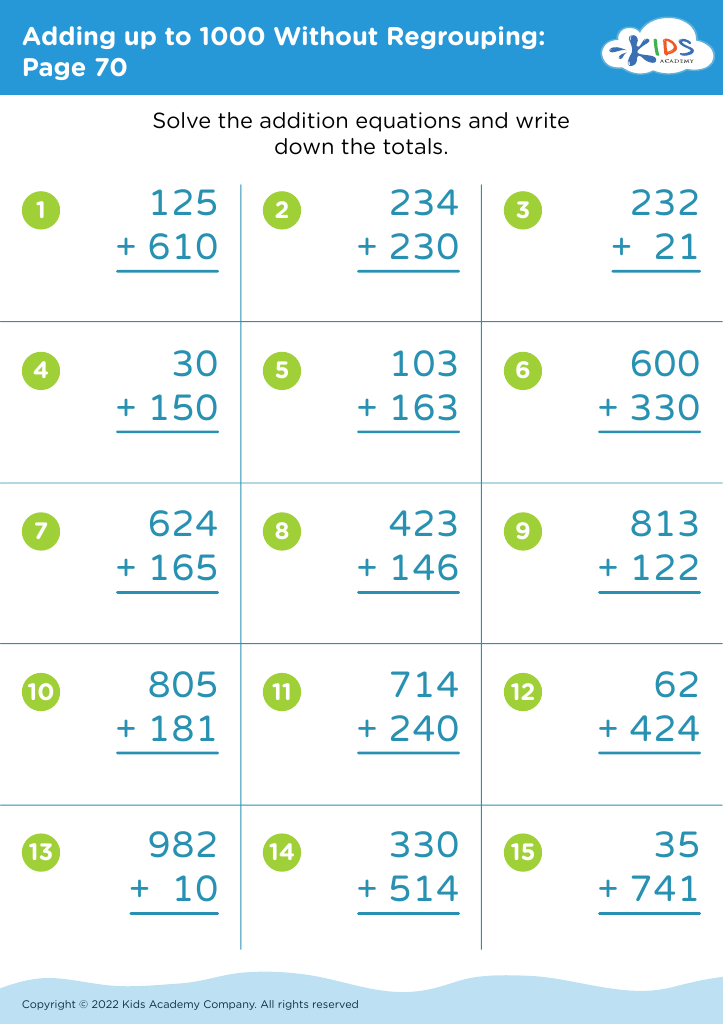








Understanding quantity and addition is crucial for children aged 6-8, as it forms the foundation for their mathematical skills and cognitive development. During these formative years, children start to grasp the relationship between numbers and their meanings, making it vital for parents and teachers to foster this understanding effectively.
At this age, children are transitioning from simple counting to solving more complex problems. Mastery of addition not only enhances their mathematical abilities but also boosts critical thinking and problem-solving skills. When children understand quantity in addition, they can approach practical situations, such as sharing candies or purchasing items, with confidence.
Furthermore, a solid grasp of addition is essential for future math concepts. Proficiency in this area lays the groundwork for subtraction, multiplication, and division, which they will encounter in subsequent educational experiences. Engaging parents and teachers in this learning process strengthens individual support, creating a collaborative environment conducive to success.
Encouraging a love for mathematics can also positively impact children’s self-esteem and attitudes towards learning in general. By emphasizing the importance of quantity and addition, adults can help instill lifelong skills that empower children academically and in everyday life, ultimately shaping their future opportunities.








