Understanding symmetry Addition Worksheets for Ages 6-8
24 filtered results
-
From - To
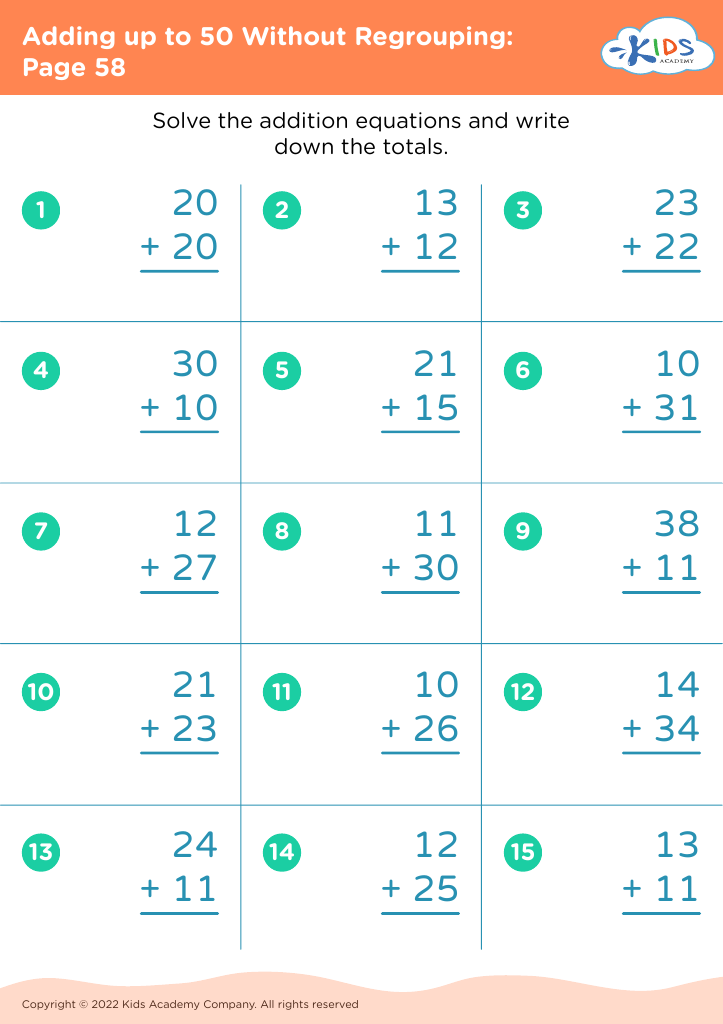
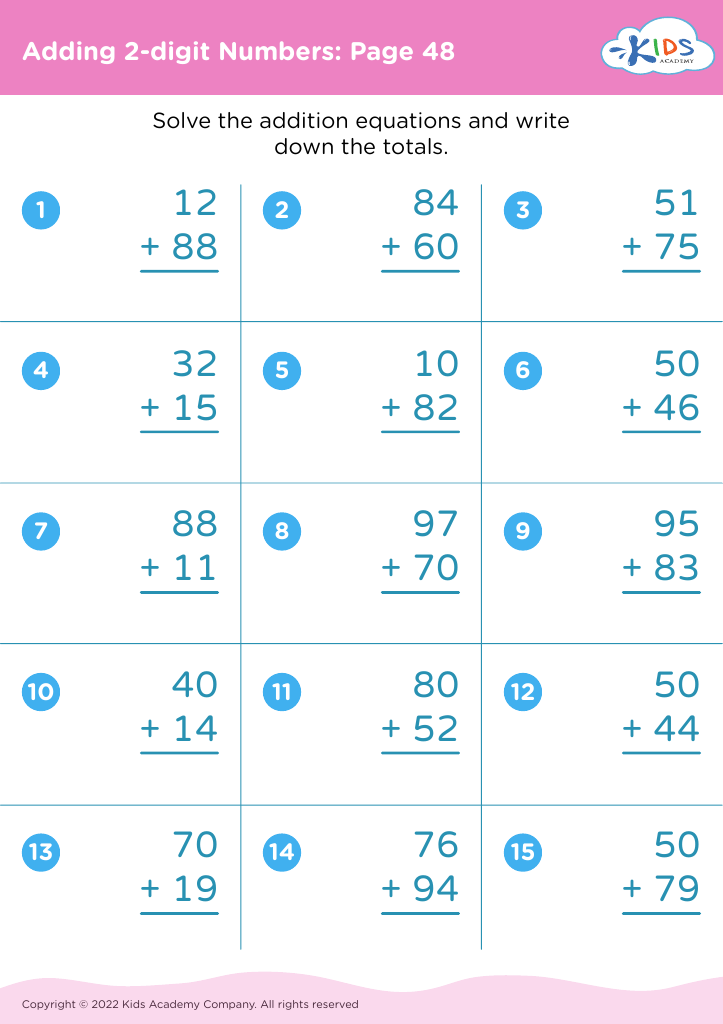
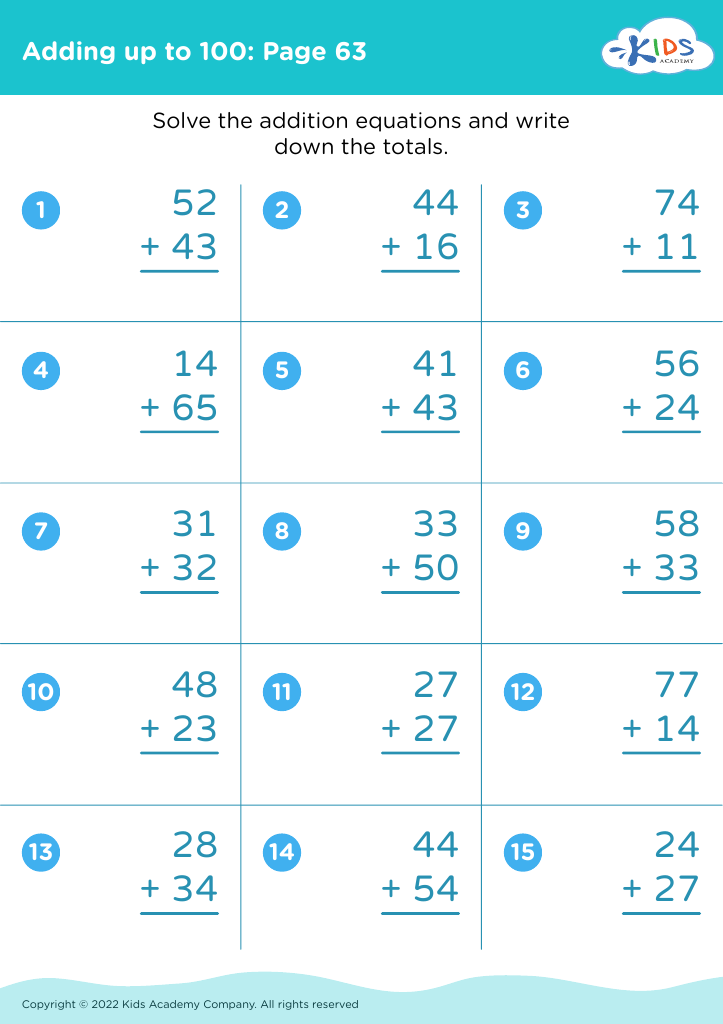
Explore our "Understanding Symmetry Addition Worksheets" designed specifically for children ages 6-8! These engaging worksheets blend fun and learning, helping young learners grasp the concept of symmetry while practicing their addition skills. Each activity prompts students to analyze symmetrical shapes and patterns, connect mathematical operations, and reinforce spatial awareness. With colorful illustrations and age-appropriate challenges, children will enjoy mastering addition in a creative way. This resource is perfect for classroom use or at-home learning, guiding students toward achieving confidence in their math abilities. Download now and watch your kids thrive as they explore the world of symmetry in math!
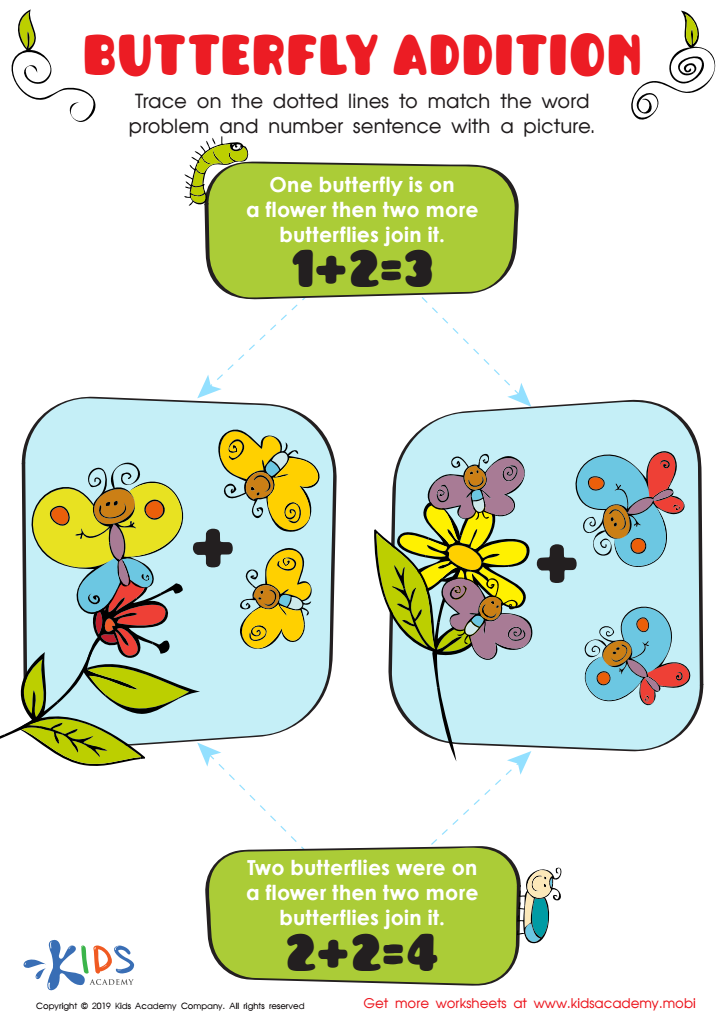
Butterfly Addition Worksheet
 Assign to My Students
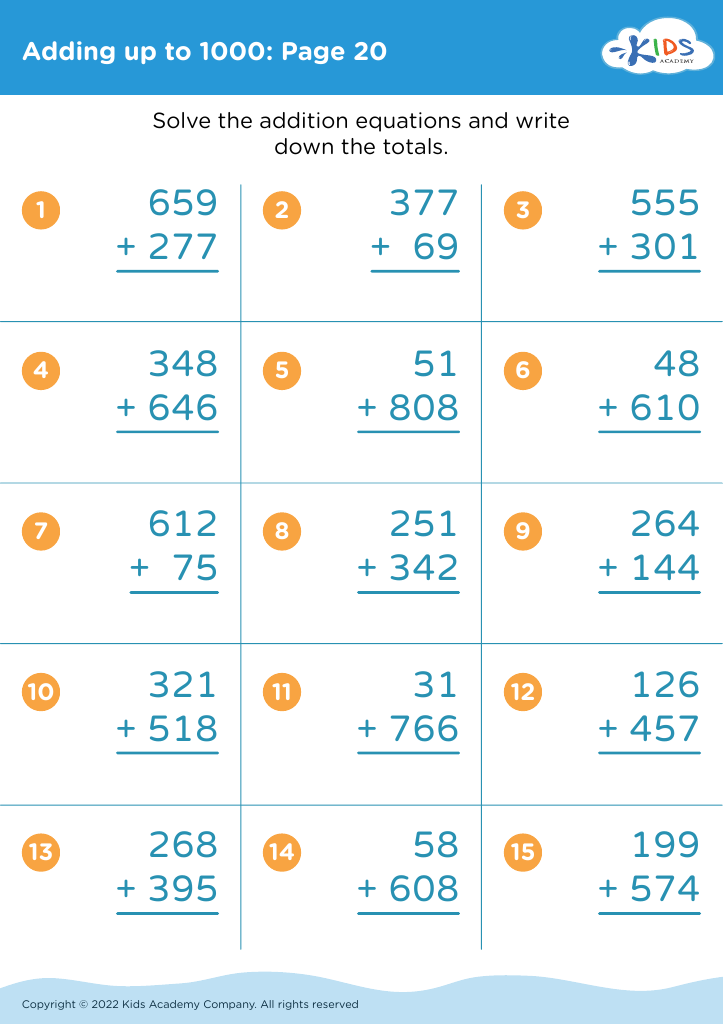
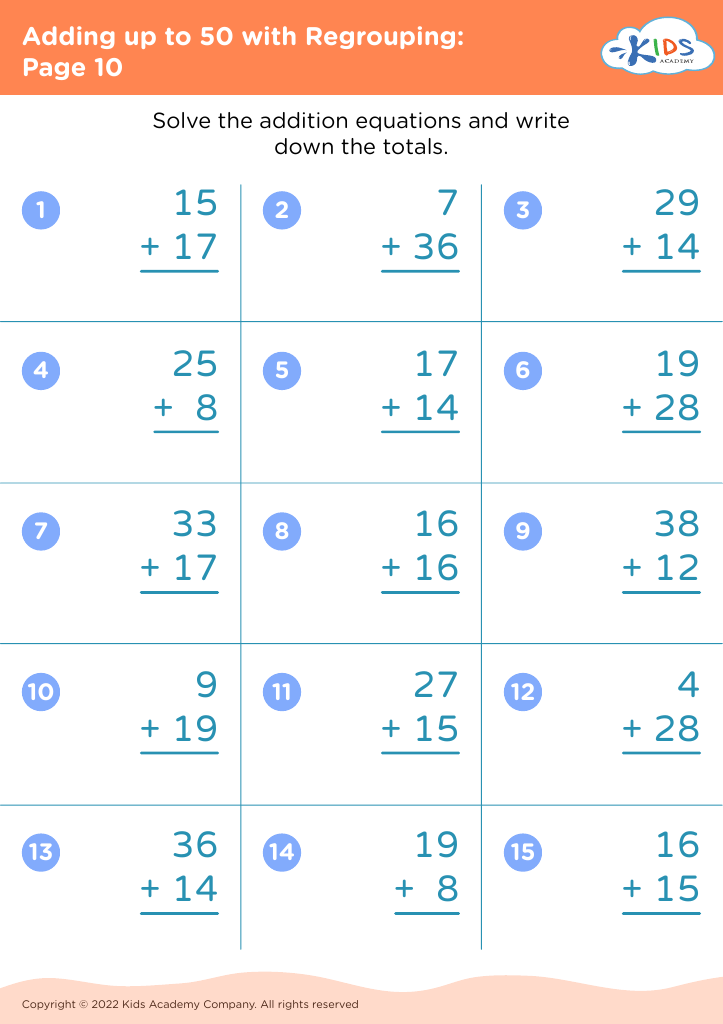
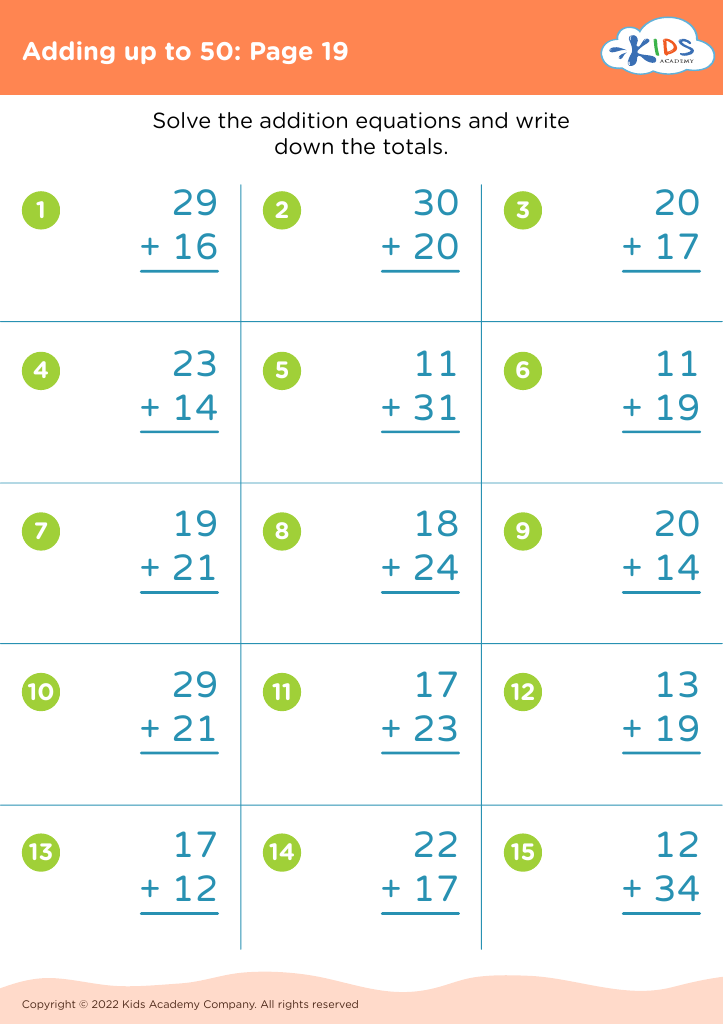
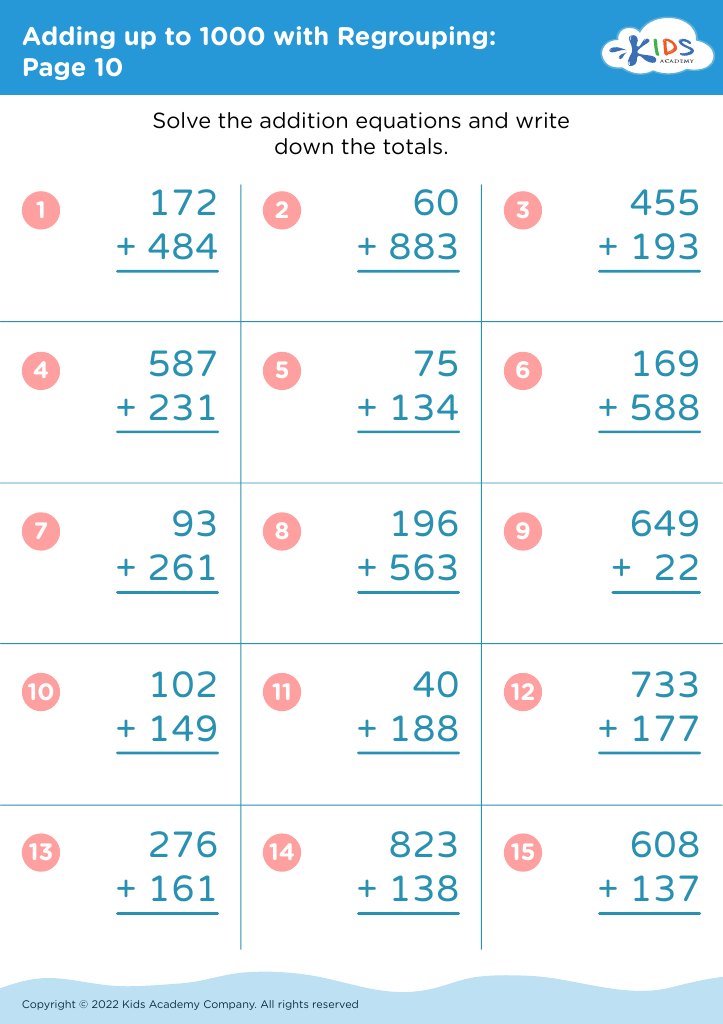
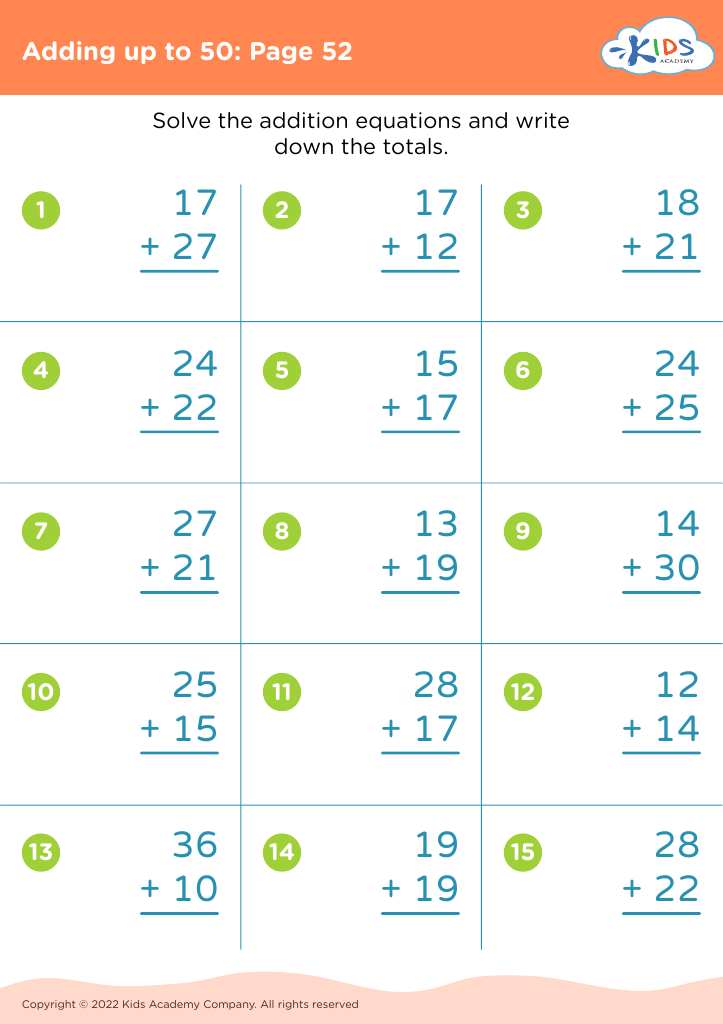
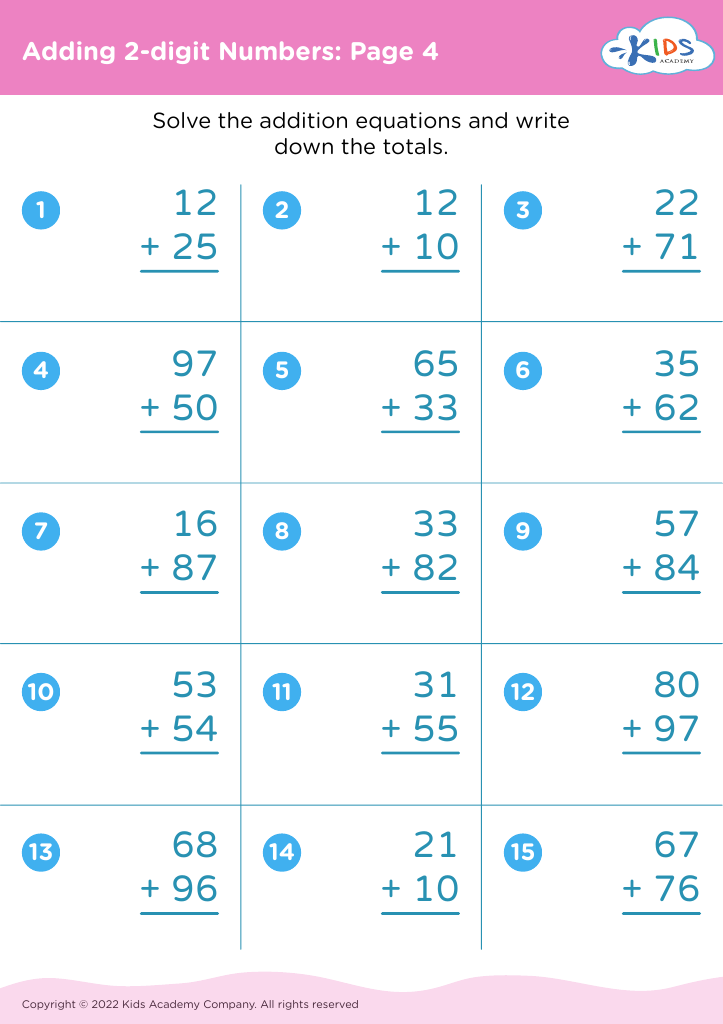
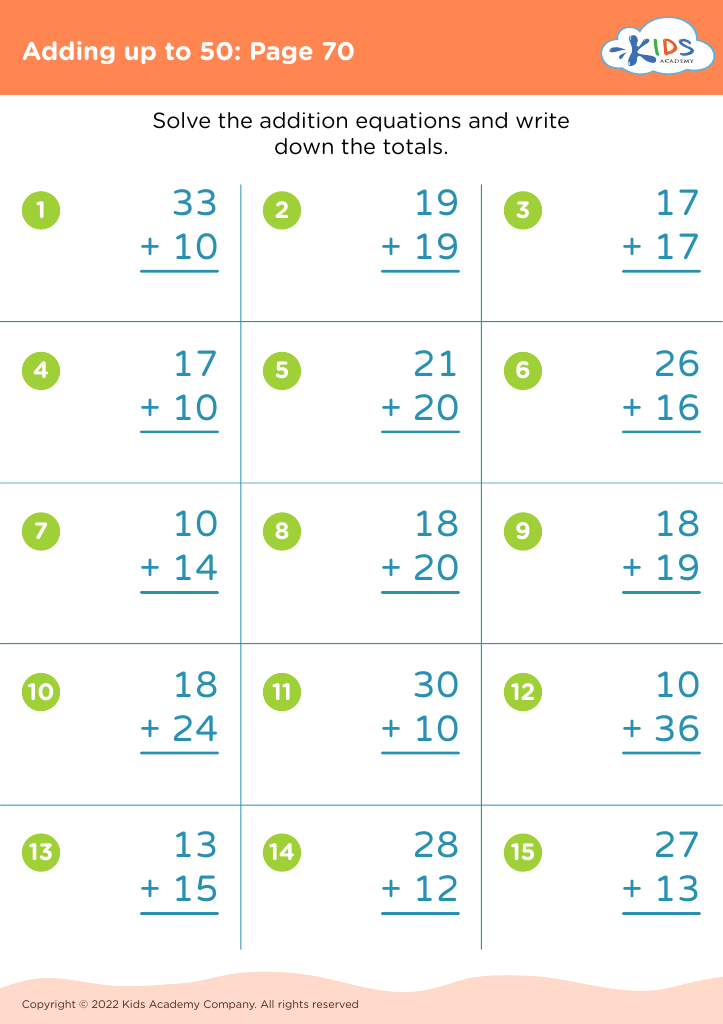
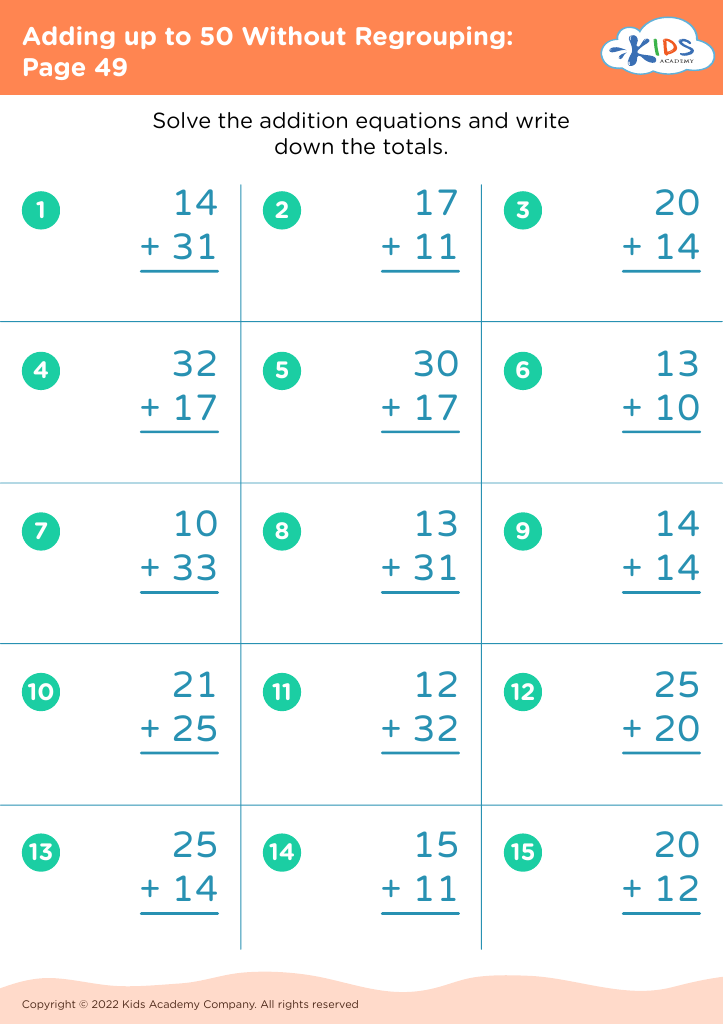
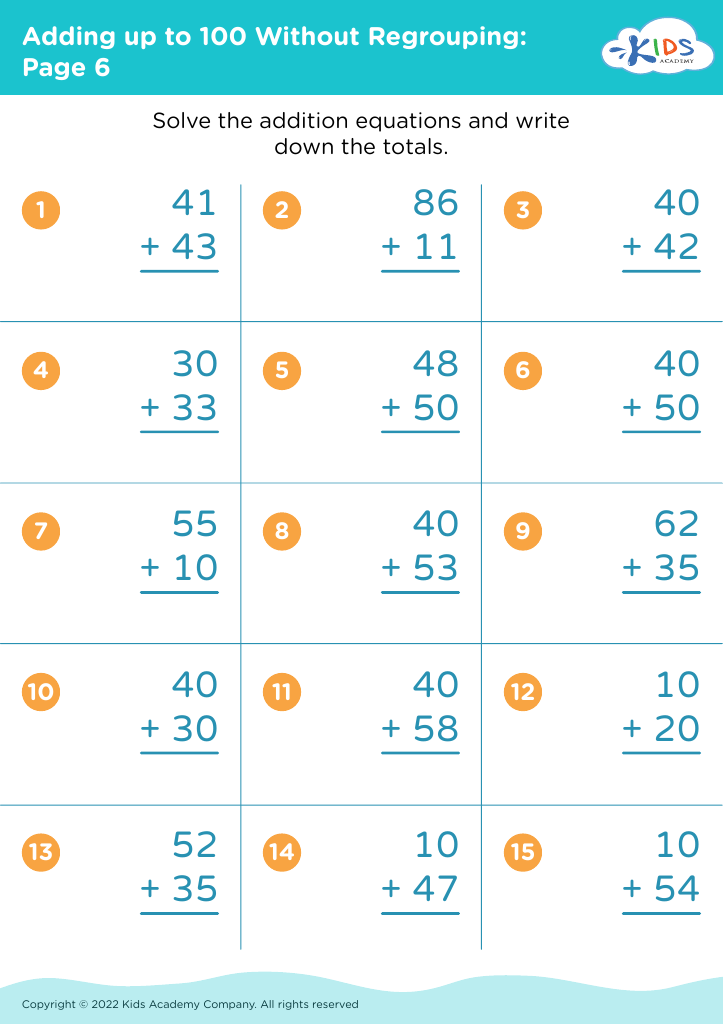
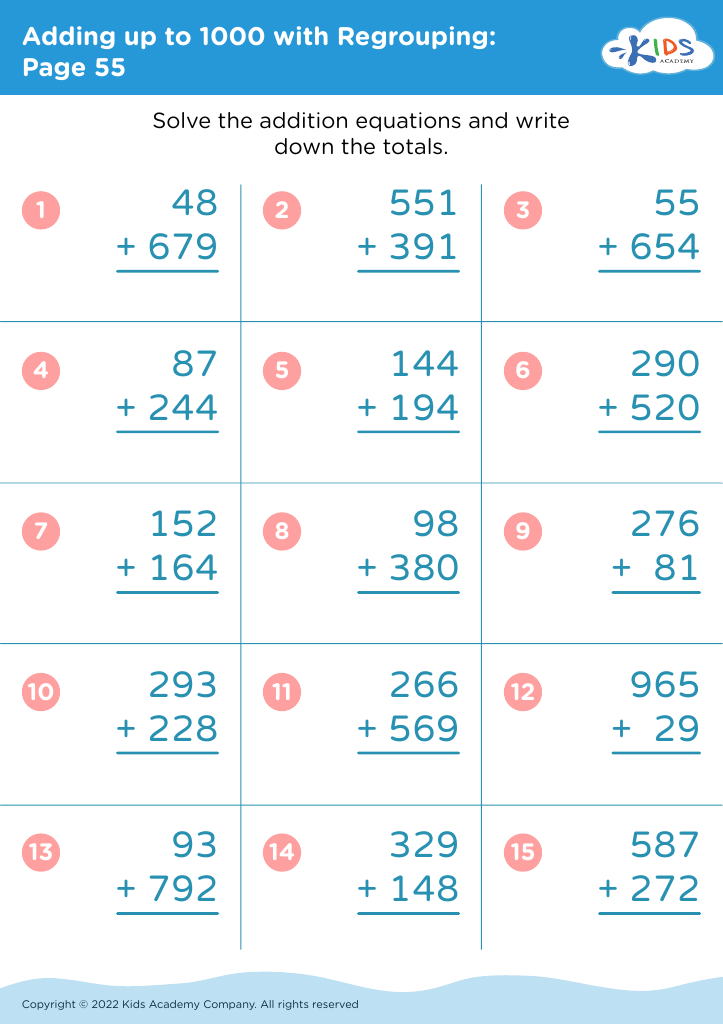
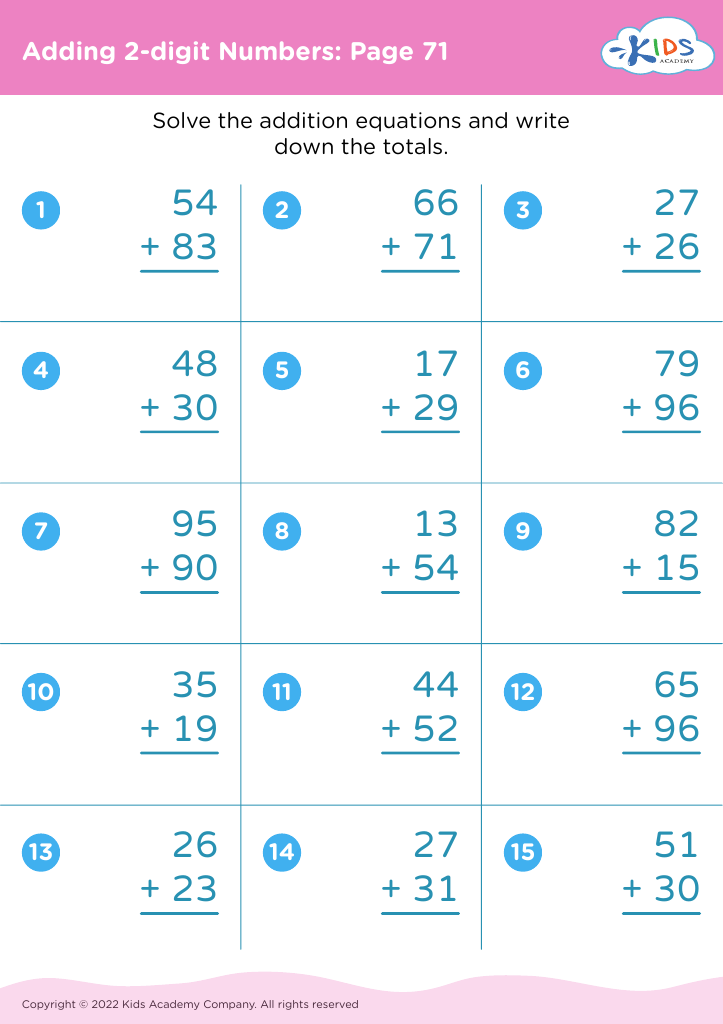
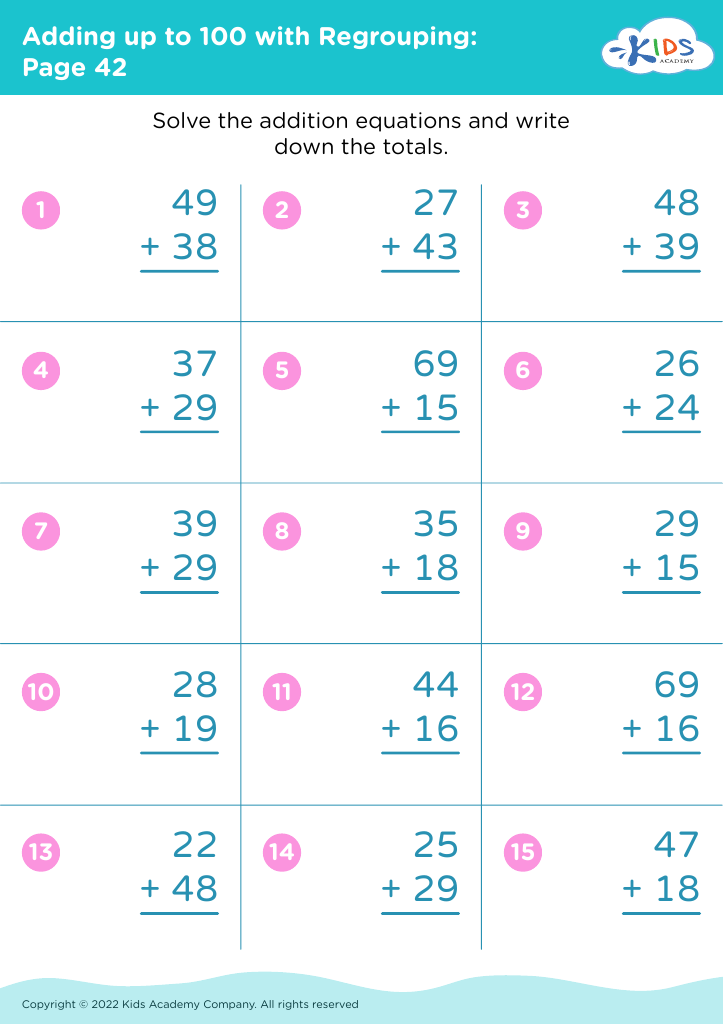
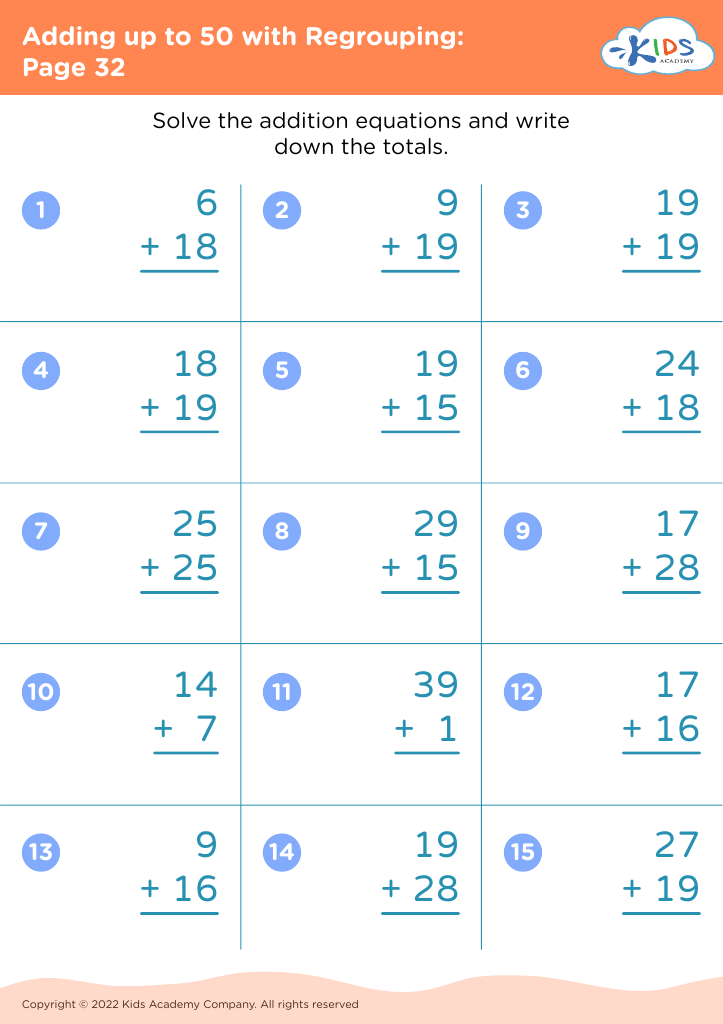
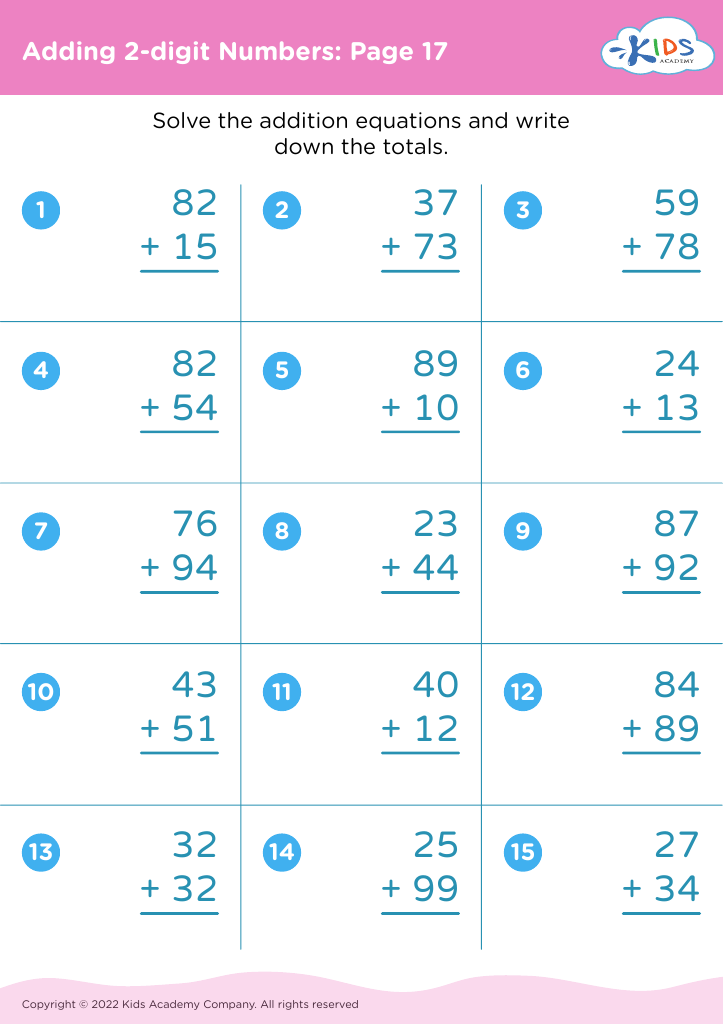
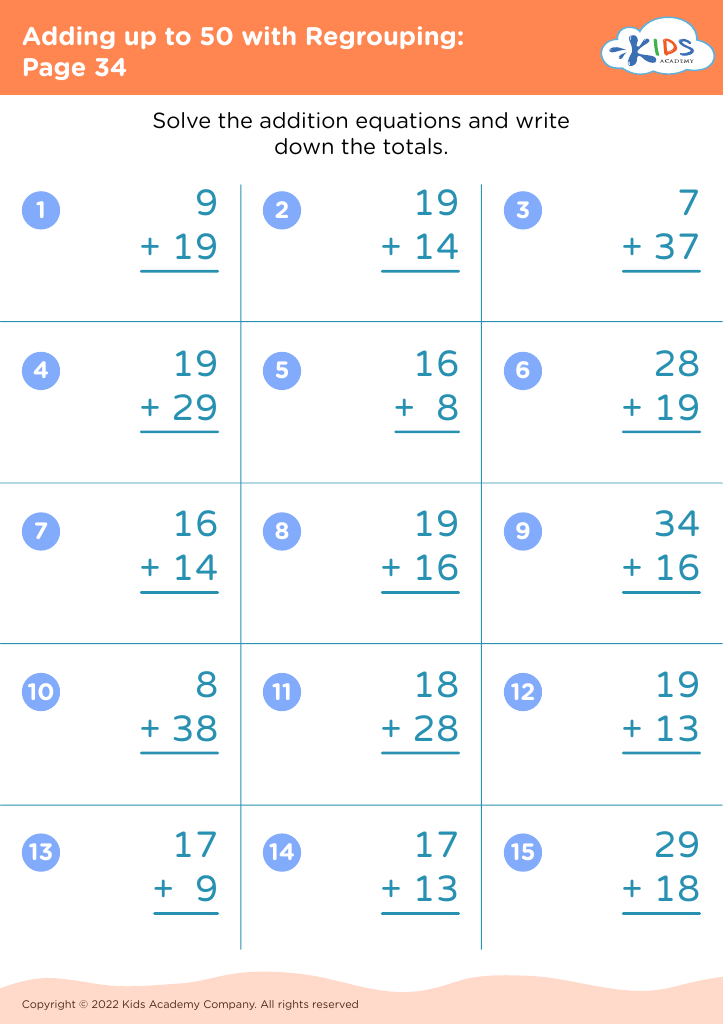
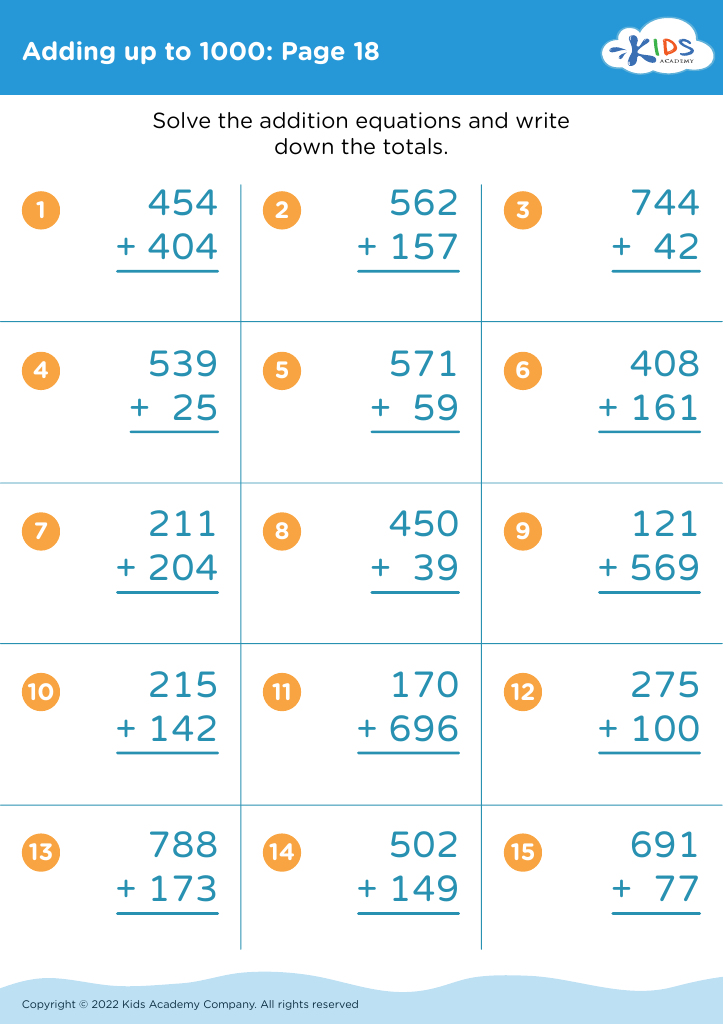
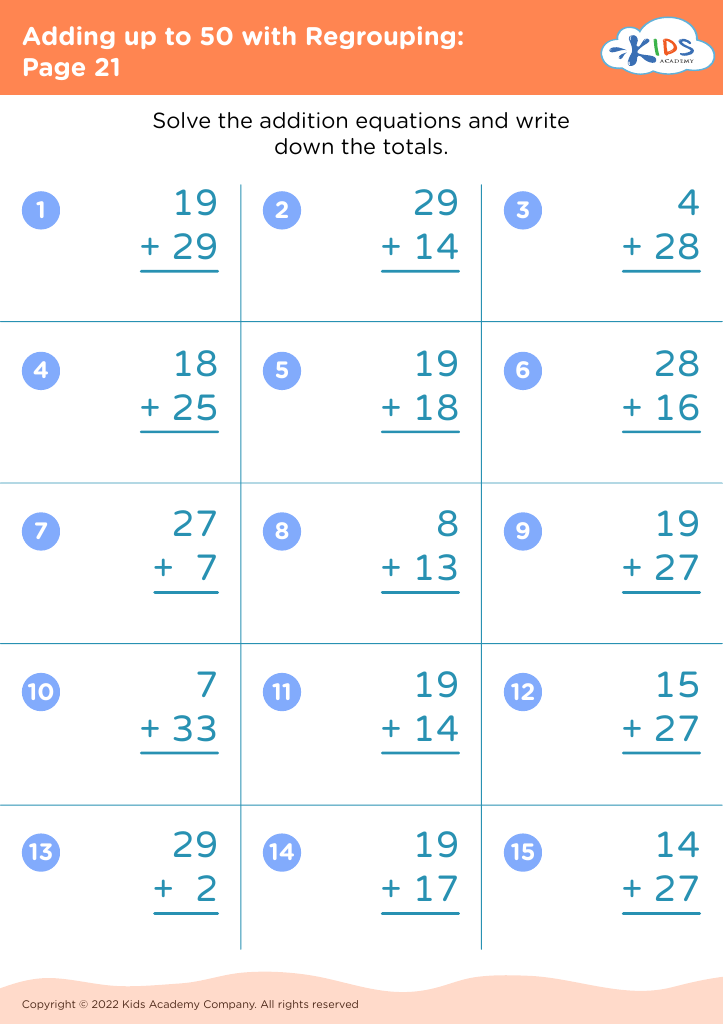
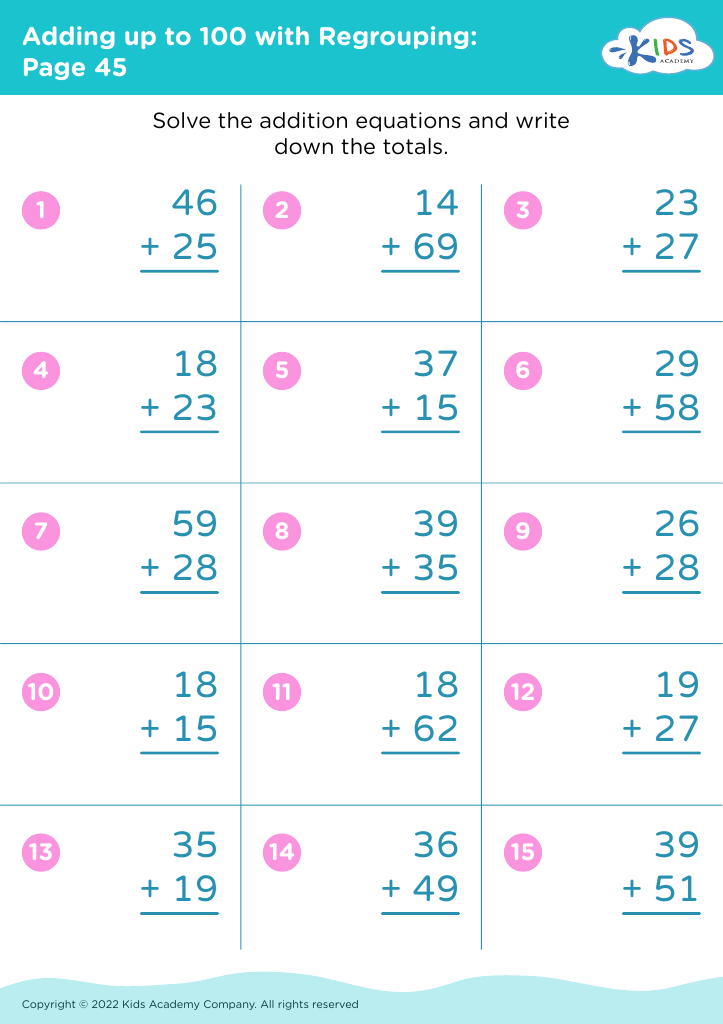
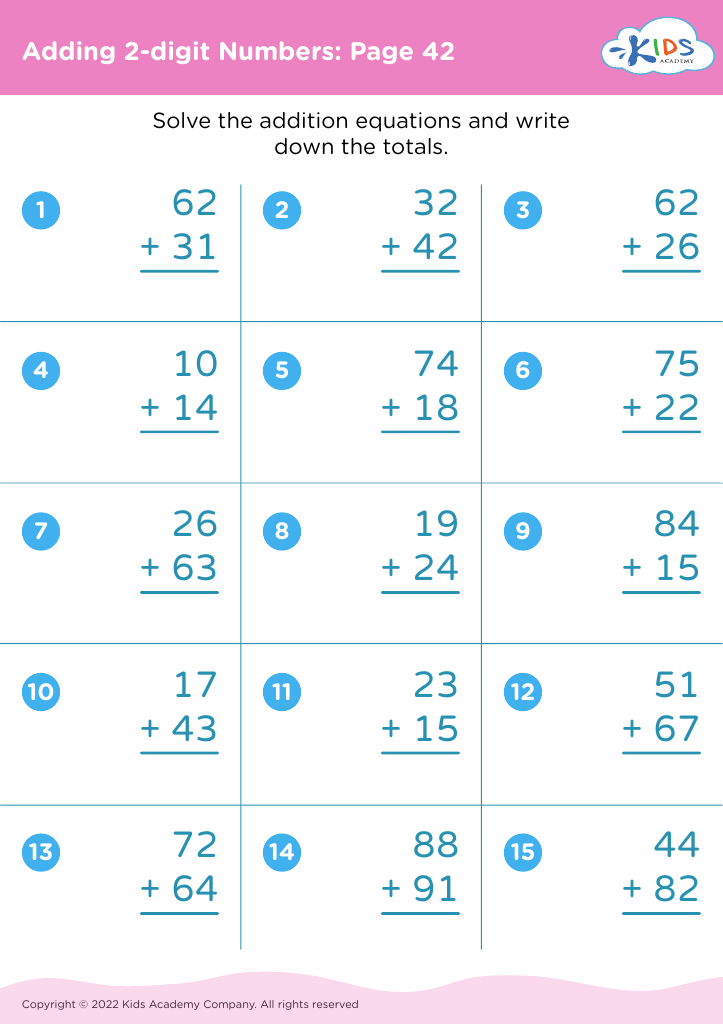
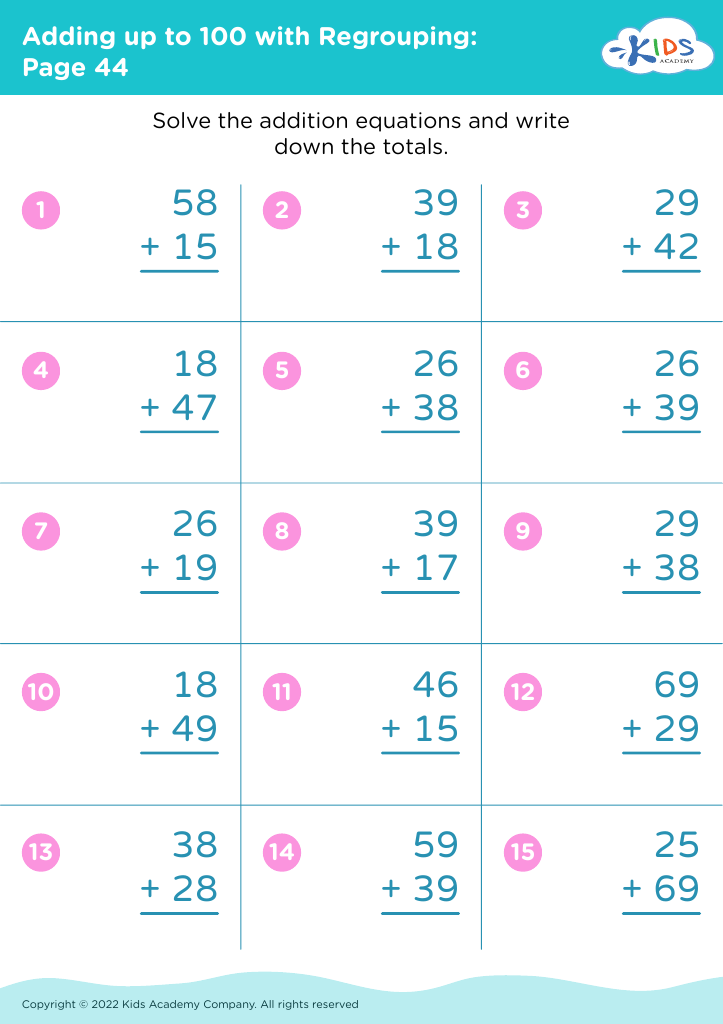








Understanding symmetry and addition is essential for children aged 6-8, as it lays a crucial foundation for their mathematical development and overall cognitive skills. Symmetry helps children recognize patterns and shapes, fostering their spatial awareness and enhancing their problem-solving abilities. When children learn to identify symmetrical figures, they become more adept at understanding relationships in mathematics and the world around them.
Addition, on the other hand, is a fundamental arithmetic skill that serves as the building block for all future math concepts. By grasping addition during these formative years, children gain confidence in their ability to tackle more complex operations such as subtraction, multiplication, and division later on. The combination of symmetry and addition also encourages critical thinking, as children explore how numbers and shapes relate to one another.
Moreover, learning about symmetry and addition can be a fun, engaging activity that promotes a positive attitude towards math. Parents and teachers can create hands-on experiences that integrate visual arts and games, making learning more enjoyable. Engaging with these concepts not only nurtures mathematical skills but also promotes creativity and logical reasoning, crucial traits for lifelong learners. Ultimately, supporting children's understanding of symmetry and addition is an investment in their future academic success.








