Problem-Solving Skills Comparing Numbers Worksheets for Ages 6-8
6 filtered results
-
From - To
Enhance your child's problem-solving skills with our engaging "Comparing Numbers Worksheets" designed for ages 6-8. These worksheets provide a fun and interactive way for young learners to practice comparing numbers through various exercises, including greater than, less than, and equal to scenarios. By applying these concepts, children develop critical thinking and analytical abilities foundational for future math success. With colorful graphics and a variety of challenges, kids will enjoy learning while building their confidence in math. Perfect for home or classroom use, our resources support early learning educators in fostering essential math skills. Explore the joy of problem-solving today!
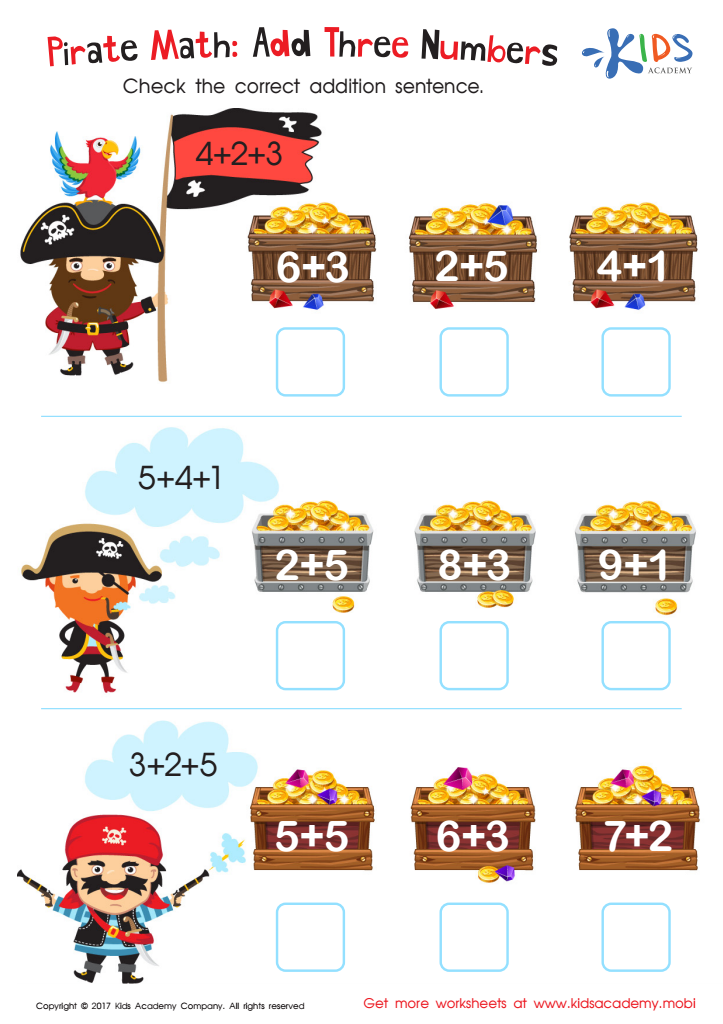
Pirate Math Printable
 Assign to My Students
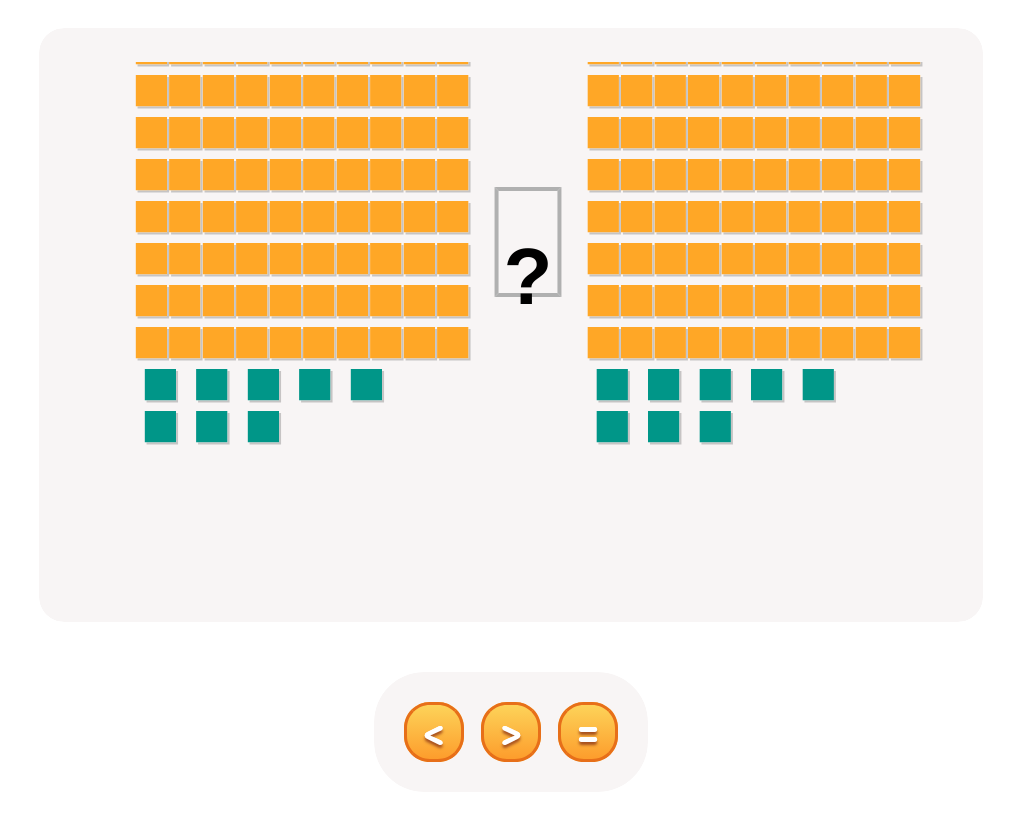

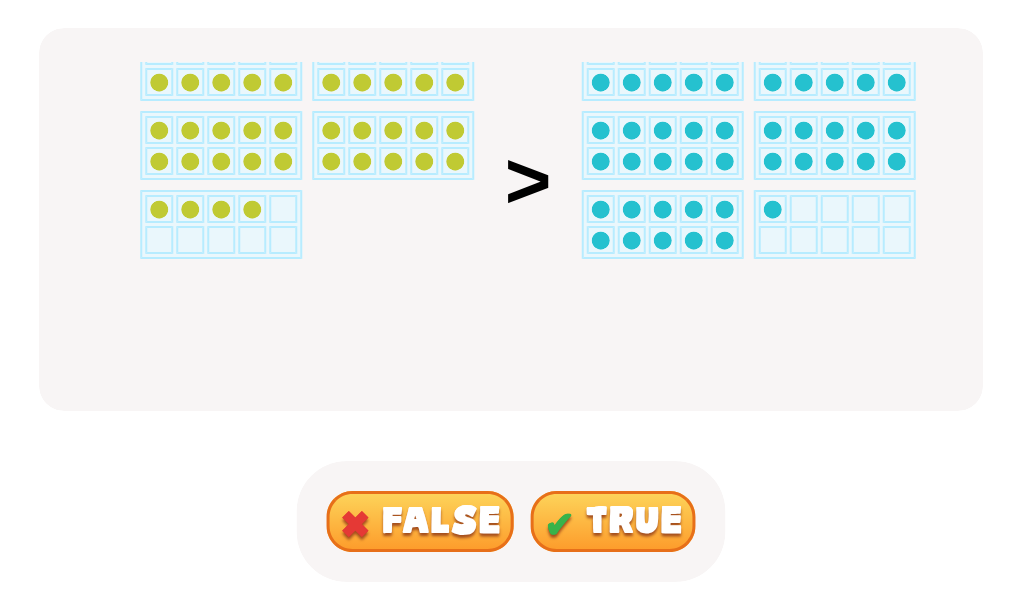
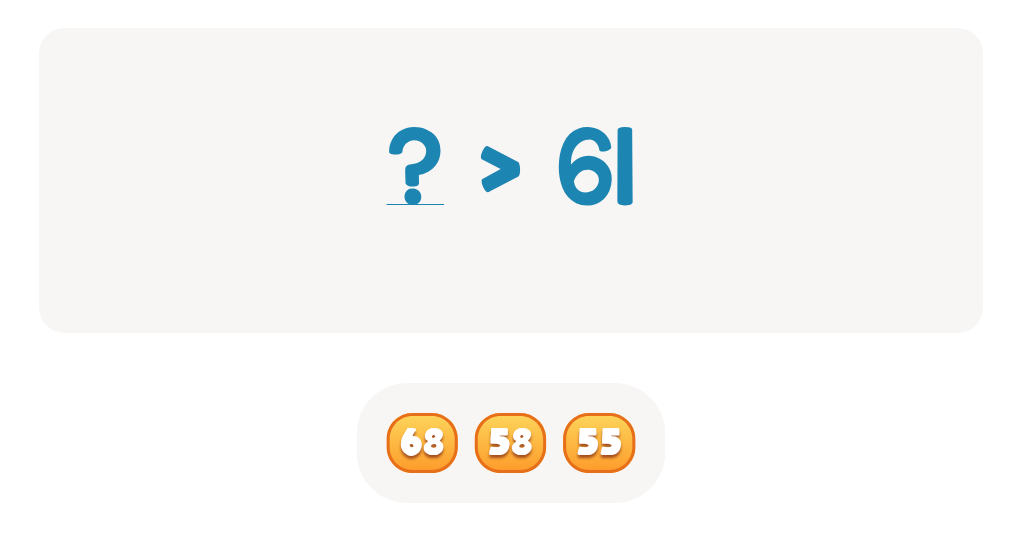
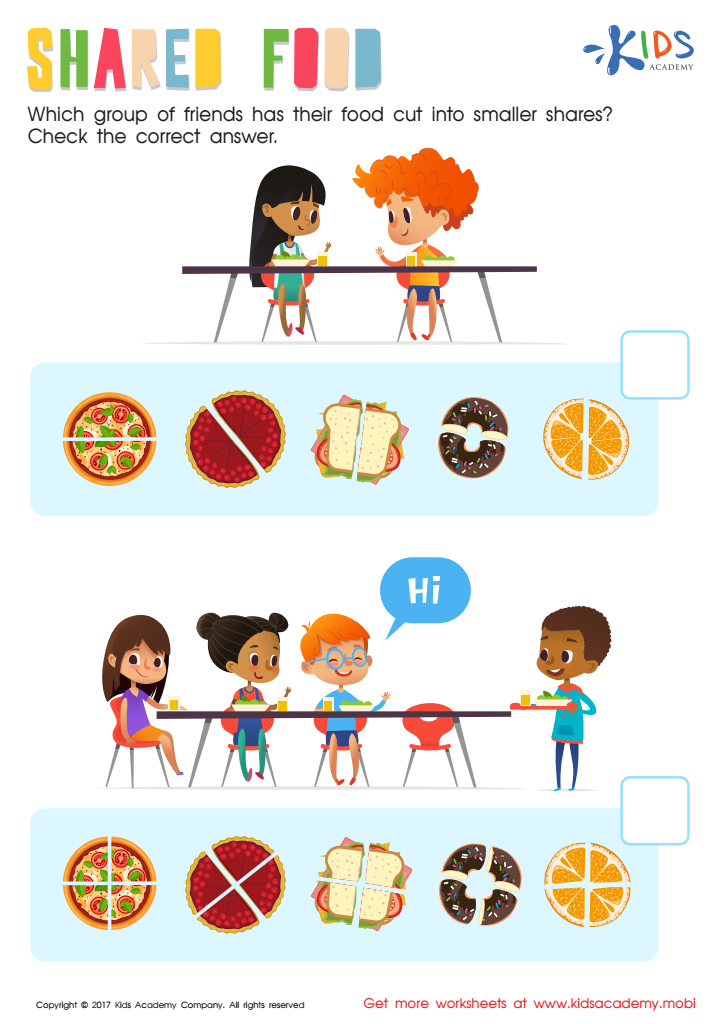
Shared Food Worksheet
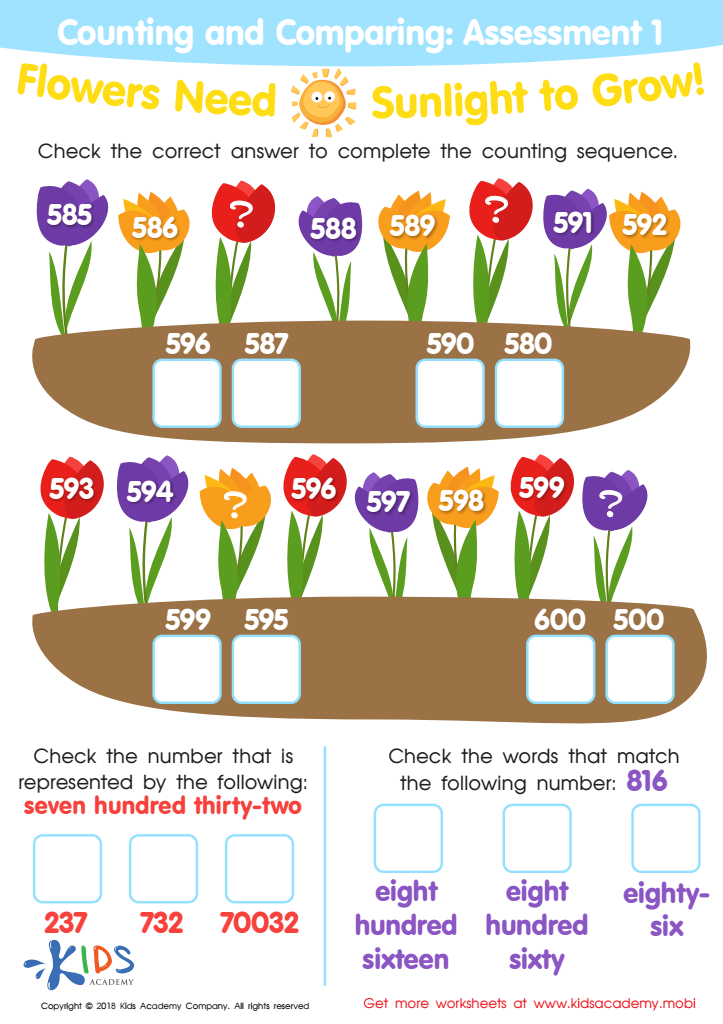
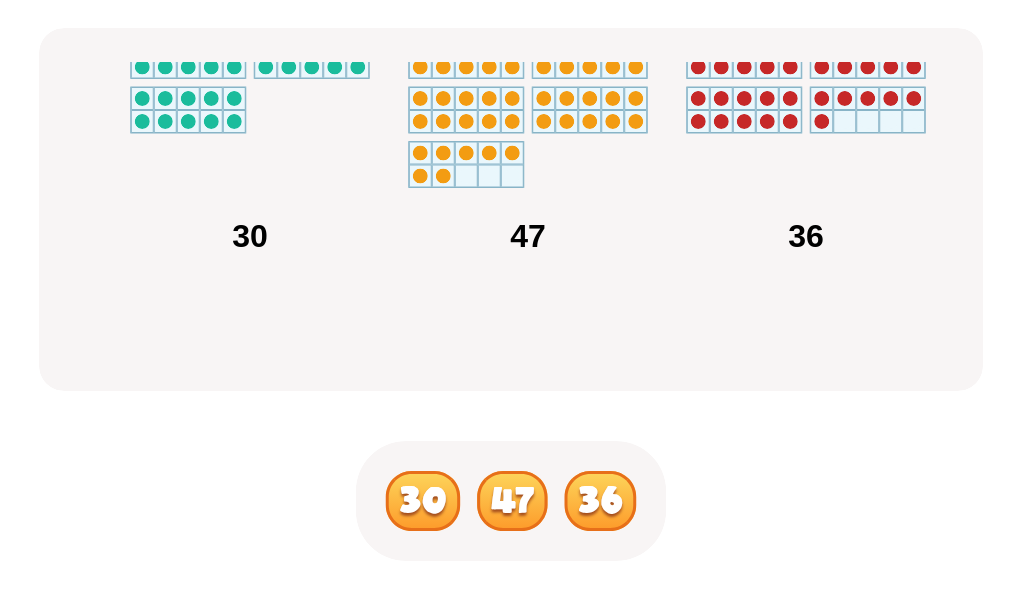
Counting and Comparing: Assessment 1 Worksheet
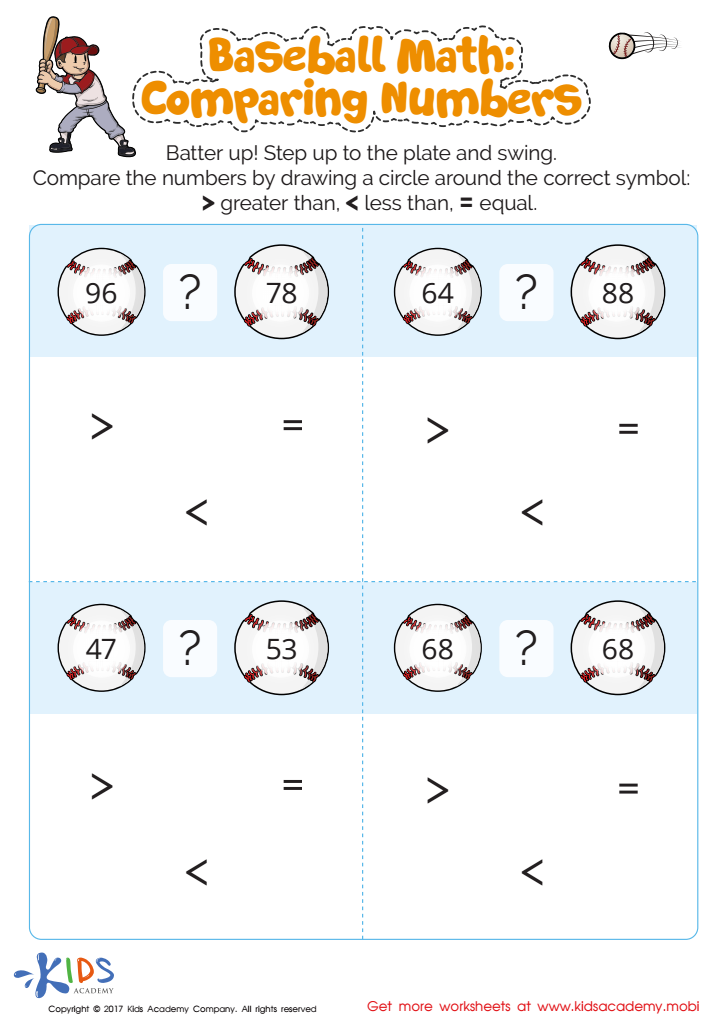
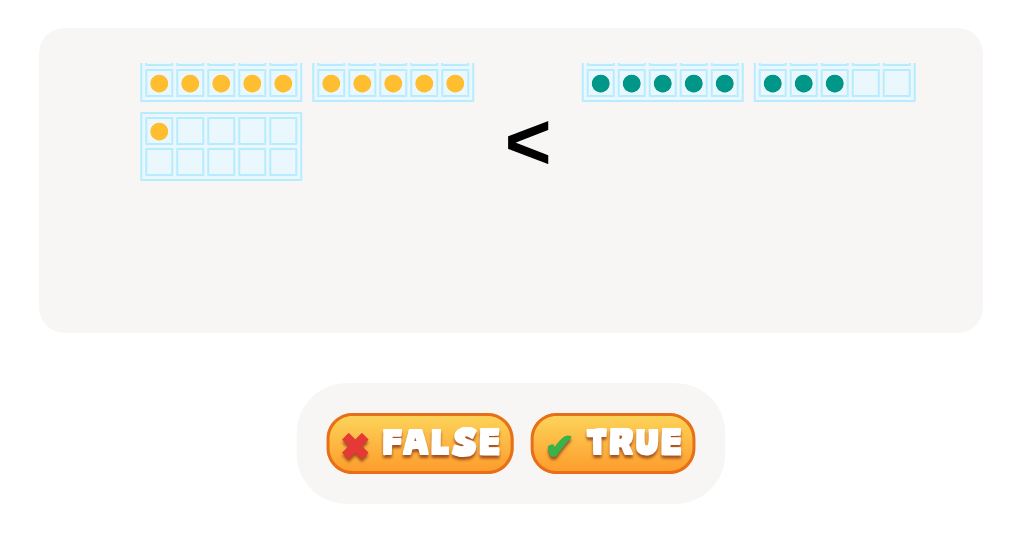
Compare Numbers Printable
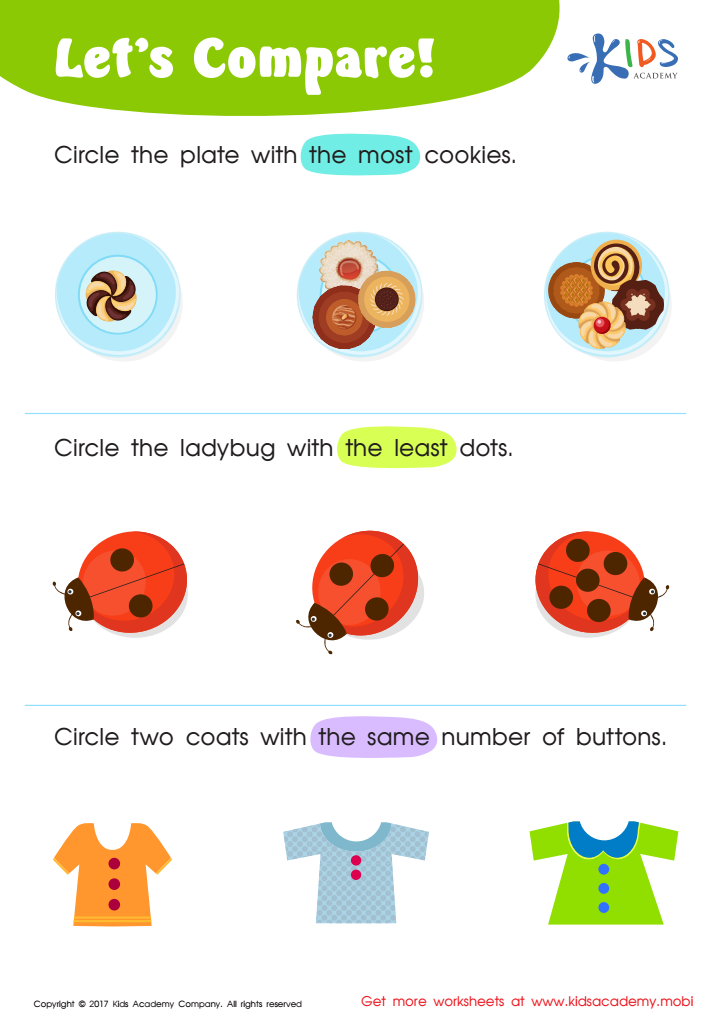
Matching: Classifying Toys by Size Worksheet
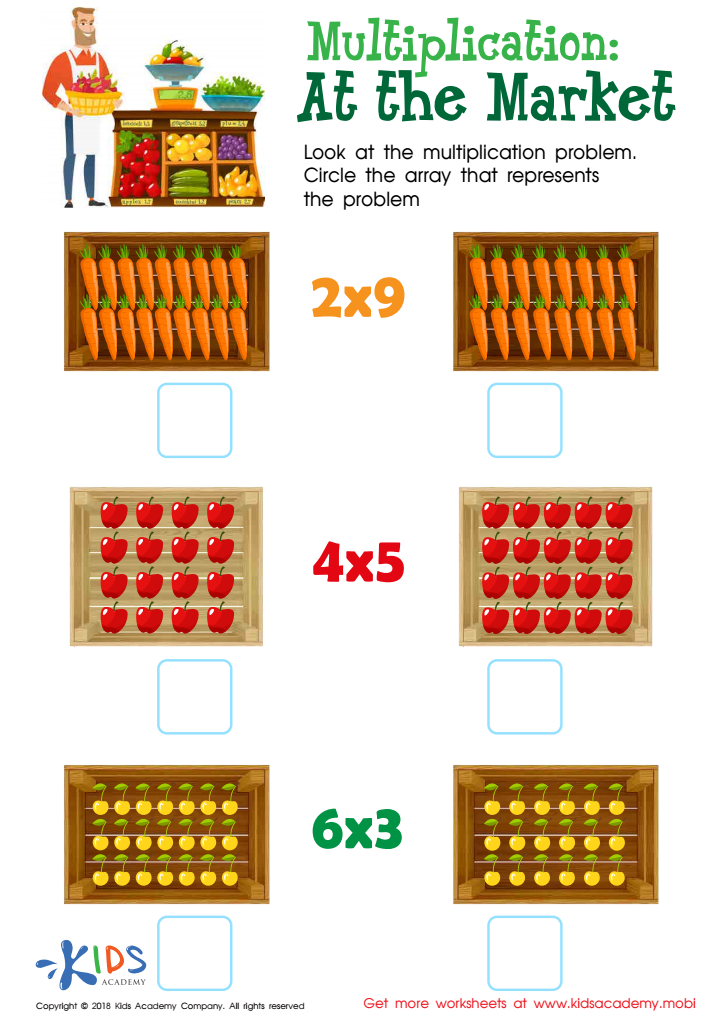
At the Market Worksheet








Problem-solving skills involving comparing numbers are crucial for children aged 6-8, as they serve as foundational tools for their mathematical development and critical thinking. During these formative years, children begin to understand the relationships between numbers, which assists in making sense of the world around them.
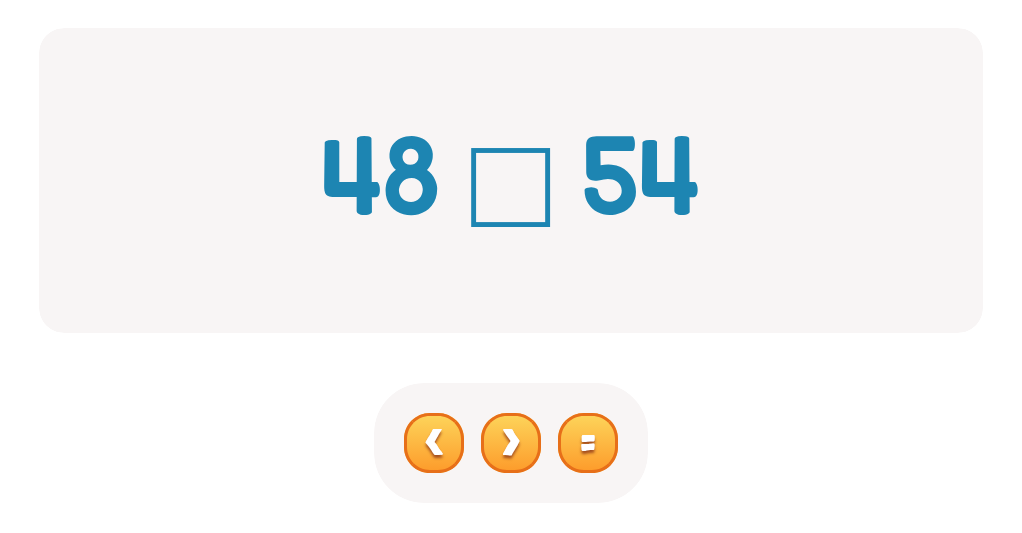
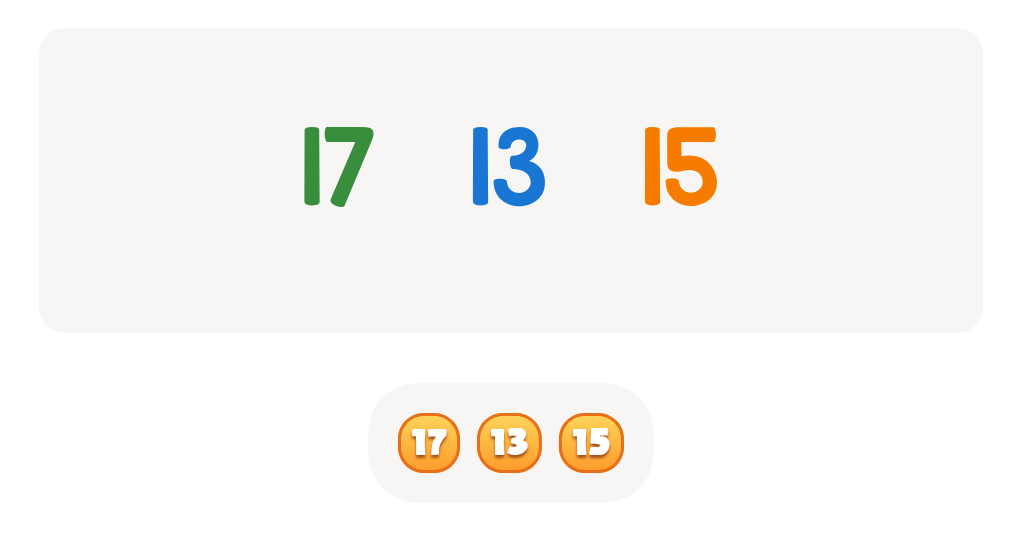
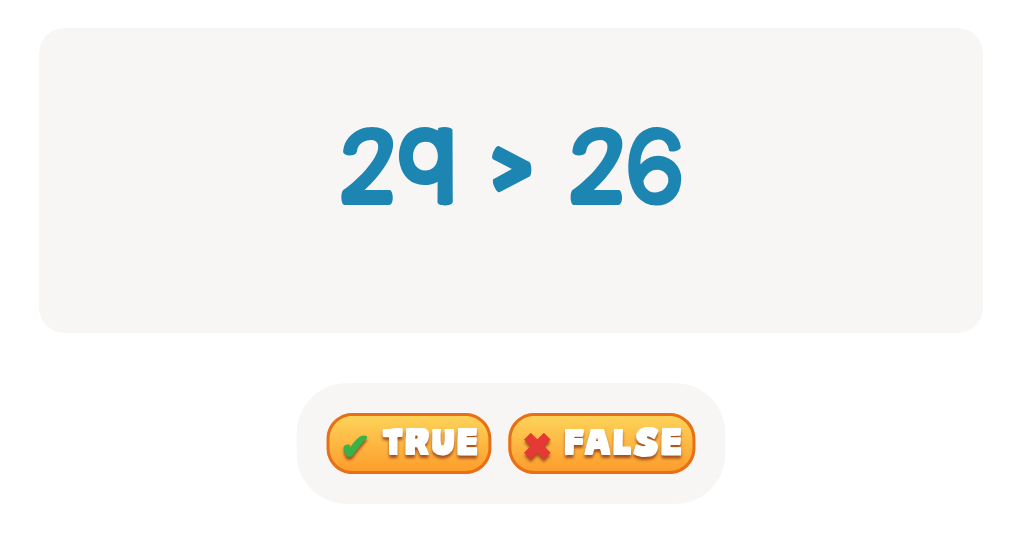
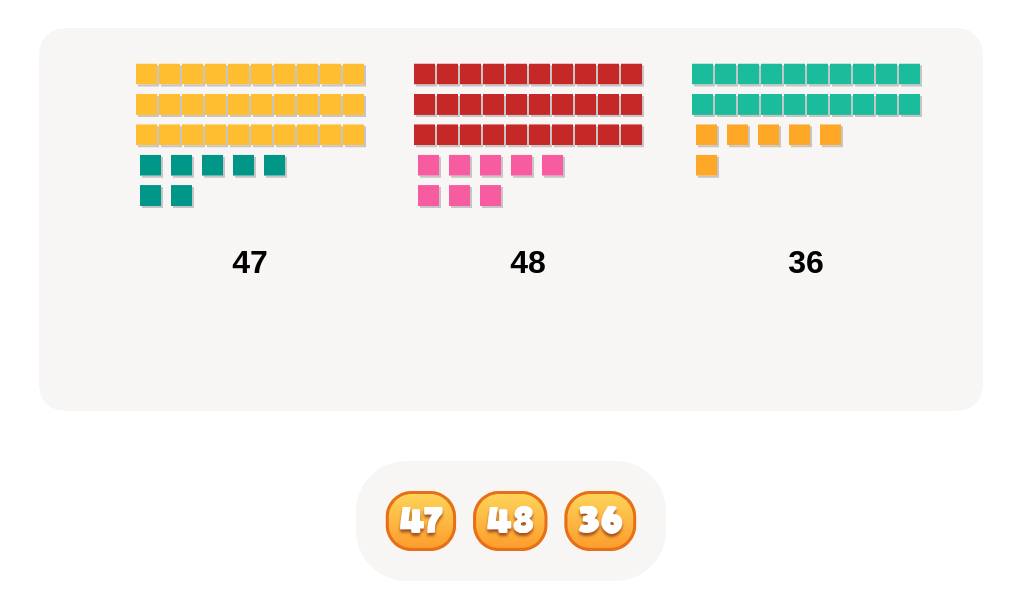
These skills empower students to analyze information, evaluate options, and come to conclusions based on numerical data. For example, comparing quantities fosters logical reasoning, helping children differentiate between "more than," "less than," or "equal to." Such comparisons not only enhance their mathematical fluency, but also support their decision-making capabilities across various contexts, from everyday situations to academic tasks.
Moreover, when parents and teachers prioritize problem-solving in comparing numbers, they encourage resilience and persistence. Children learn how to approach challenges, test different methods, and ultimately feel a sense of accomplishment when they arrive at the correct answer. This not only builds confidence but also fosters a love for learning and exploration in mathematics.
In essence, focusing on these problem-solving skills lays the groundwork for a child’s future success, both academically and in life, as they continue to confront increasingly complex challenges.








