Analyzing data Graphs Worksheets for Ages 6-8
5 filtered results
-
From - To
Welcome to our collection of Analyzing Data Graphs Worksheets designed for children ages 6-8! These engaging and educational resources empower young learners to understand and interpret data through various types of graphs. Our worksheets feature vibrant visuals and interactive activities that make learning fun and accessible. Students will develop critical skills, including reading charts, comparing data, and answering questions based on visual information. These worksheets not only reinforce mathematical concepts but also promote analytical thinking and reasoning. Perfect for classrooms or at-home learning, our Analyzing Data Graphs Worksheets lay a solid foundation for future math success. Explore and start learning today!
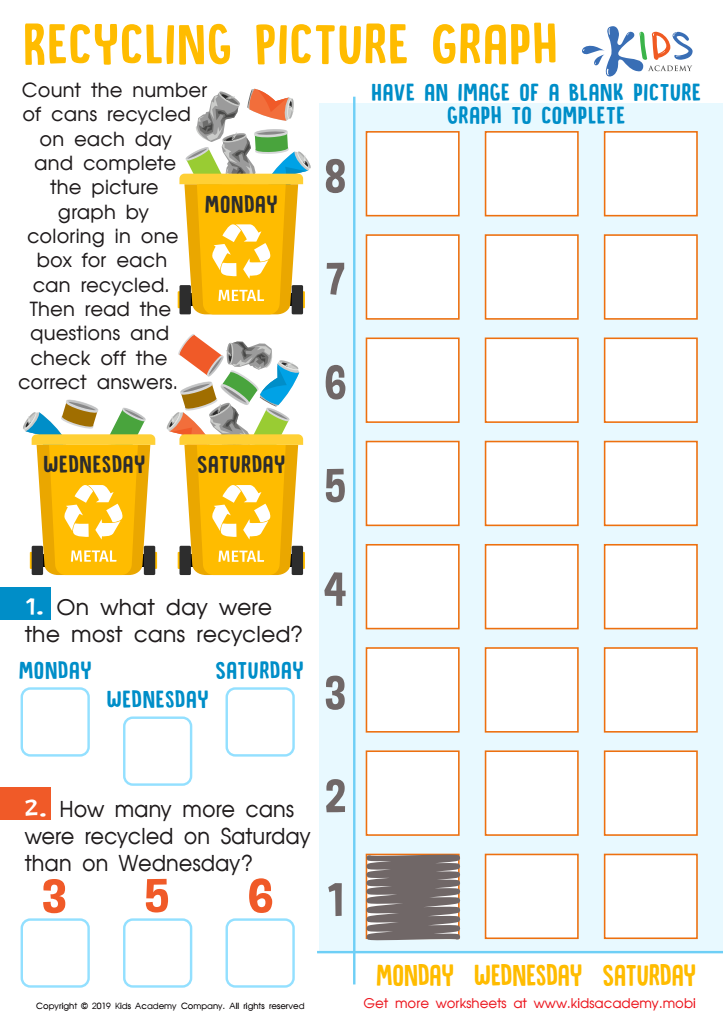
Recycling Picture Graph Worksheet
 Assign to My Students
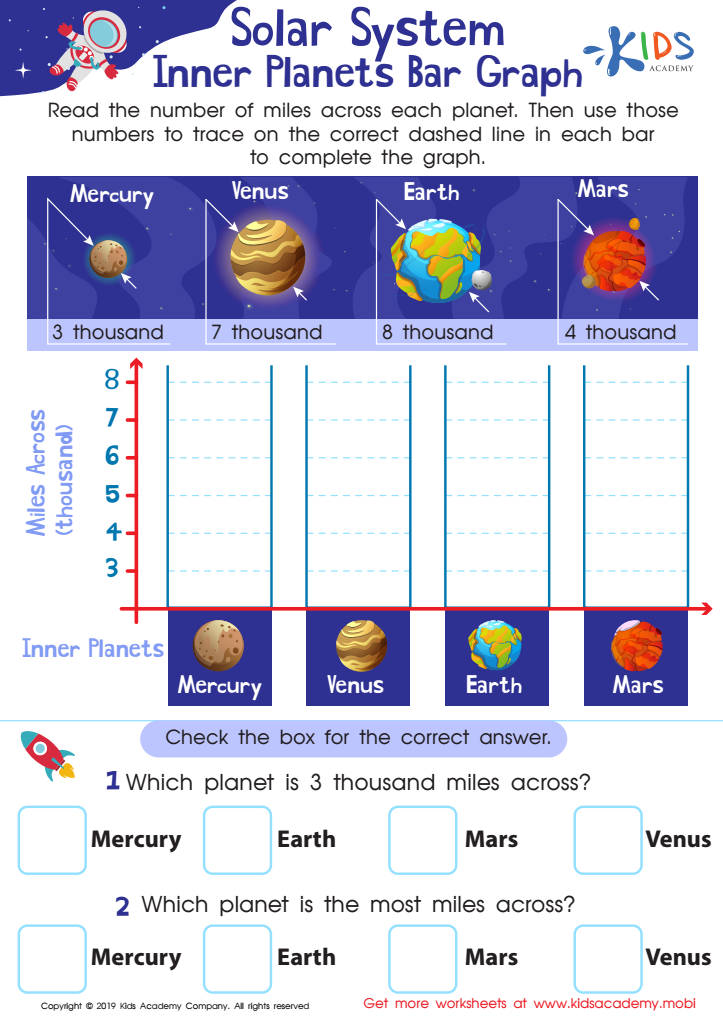
Planets Bar Graph Worksheet
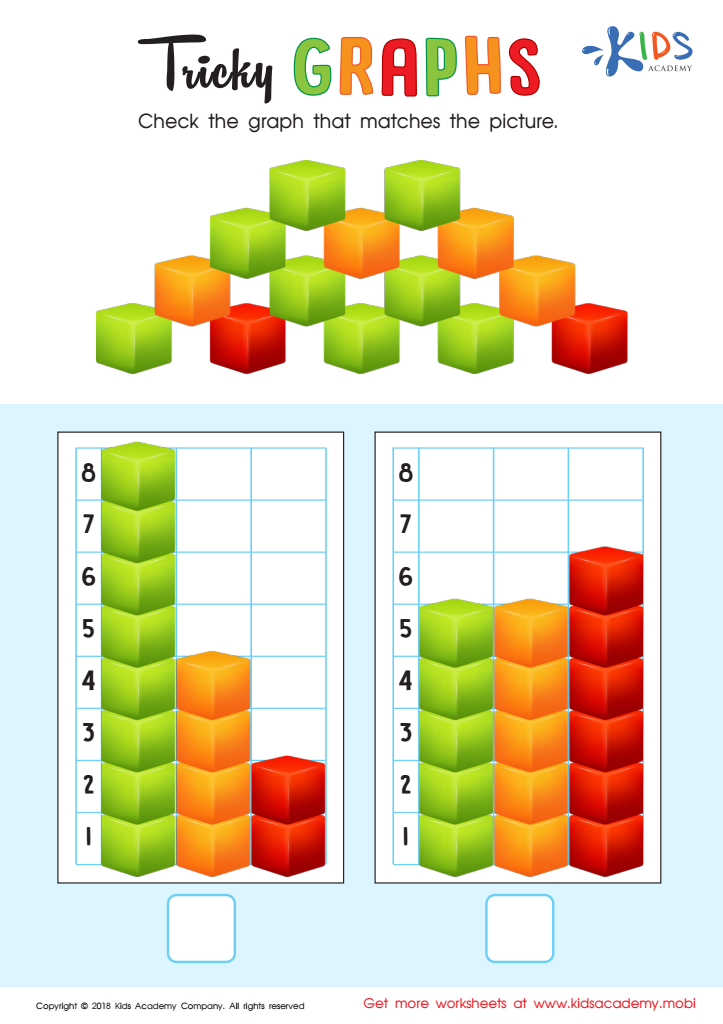
Tricky Graphs Worksheet
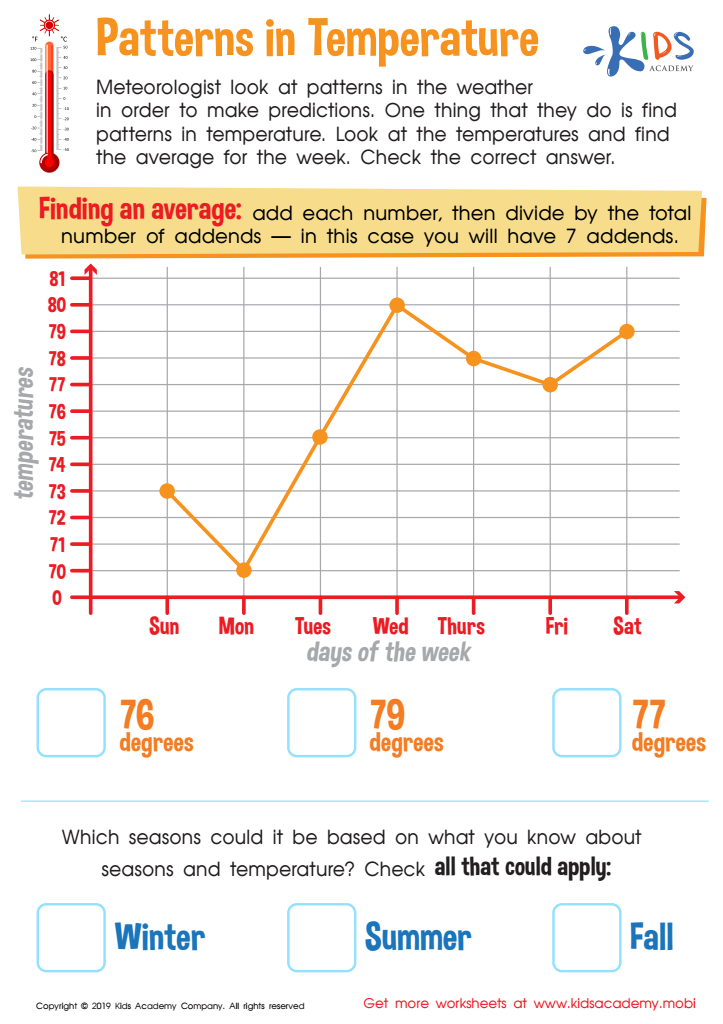
Patterns in Temperature Worksheet
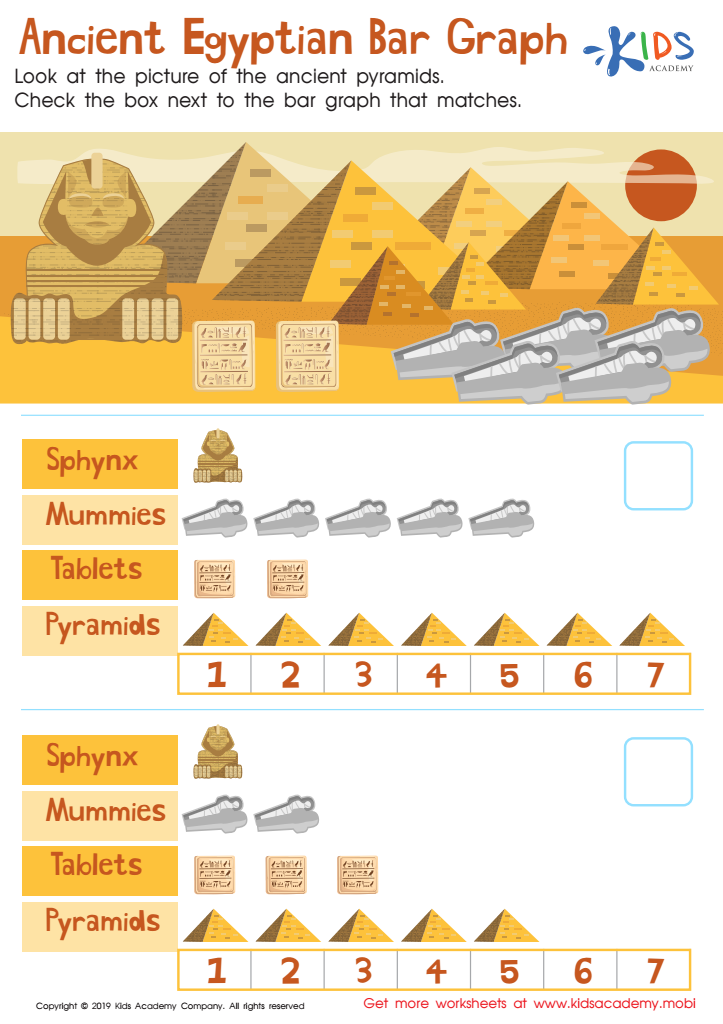
Egyptian Bar Graph Worksheet


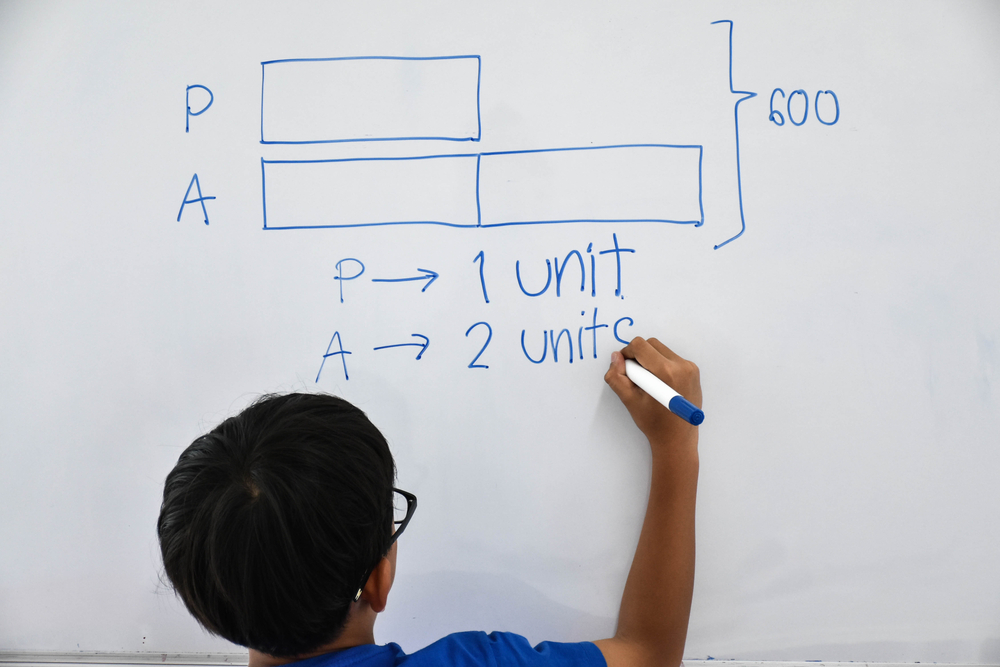





Analyzing data graphs is crucial for children ages 6-8 as it underpins essential skills that form the foundation of their future learning. Firstly, it enhances critical thinking abilities. When children learn to interpret graphs, they develop the skill to identify trends, compare information, and make inferences, thus fostering a logical approach to problem-solving.
Secondly, it builds mathematical competency. Understanding graphs introduces key concepts of data representation, such as scales and intervals, which are fundamental in mathematics. This early exposure ensures that children feel comfortable with numbers and statistics as they progress through school, setting them up for success in higher-level math.
Furthermore, analyzing data graphs promotes communication skills. Children learn to articulate their observations and conclusions, which nurtures their ability to express ideas clearly and engage in discussions—a vital skill in the collaborative world they will face.
Lastly, it encourages real-world application and relevance. By engaging with data visuals related to their interests—such as sports, weather, or wildlife—it makes learning more relatable and stimulates curiosity. This connection to their world inspires a lifelong love of learning. Overall, fostering these skills through graph analysis equips young learners to navigate their educational journey effectively.








