Understanding Quantities Numbers Worksheets for Ages 6-8
6 filtered results
-
From - To
Unlock the world of numbers with our "Understanding Quantities Numbers Worksheets" designed specifically for children aged 6-8. These engaging worksheets provide young learners with essential skills to comprehend quantities and their corresponding numbers. Through a variety of fun, interactive activities, kids will identify, compare, and manipulate different quantities, all while boosting their confidence in early math concepts. Perfect for classrooms or at-home learning, our resources align with educational standards to ensure effective skill development. Watch your child gain a solid foundation in mathematics as they explore and understand the relationship between numbers and quantities in an enjoyable way!
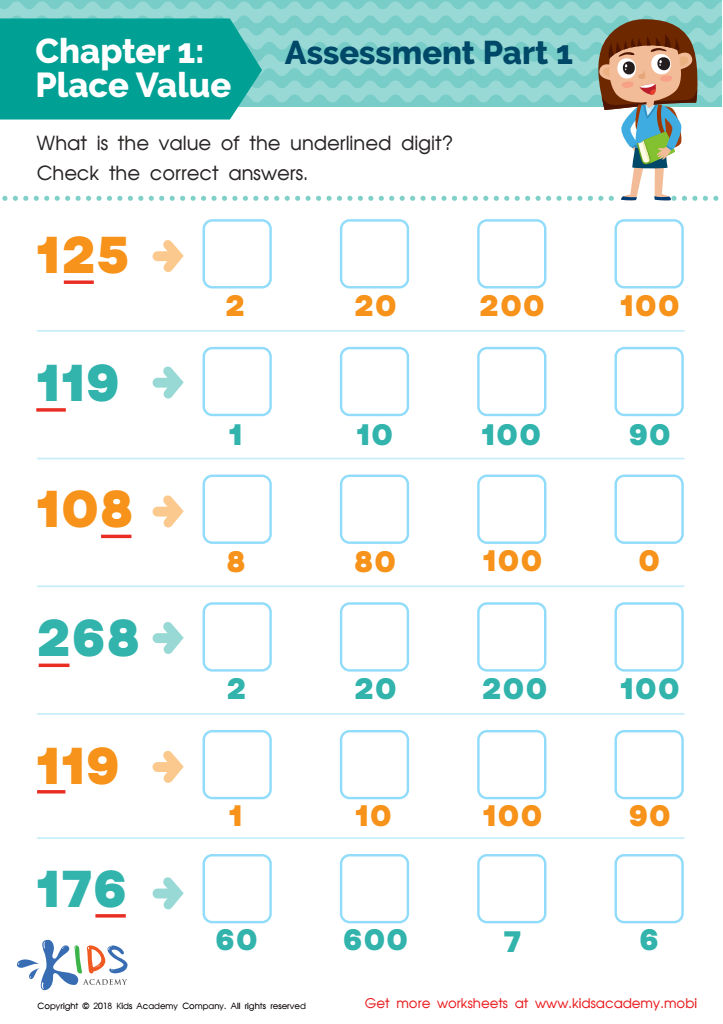
Place Value: Chapter 1 Worksheet
 Assign to My Students
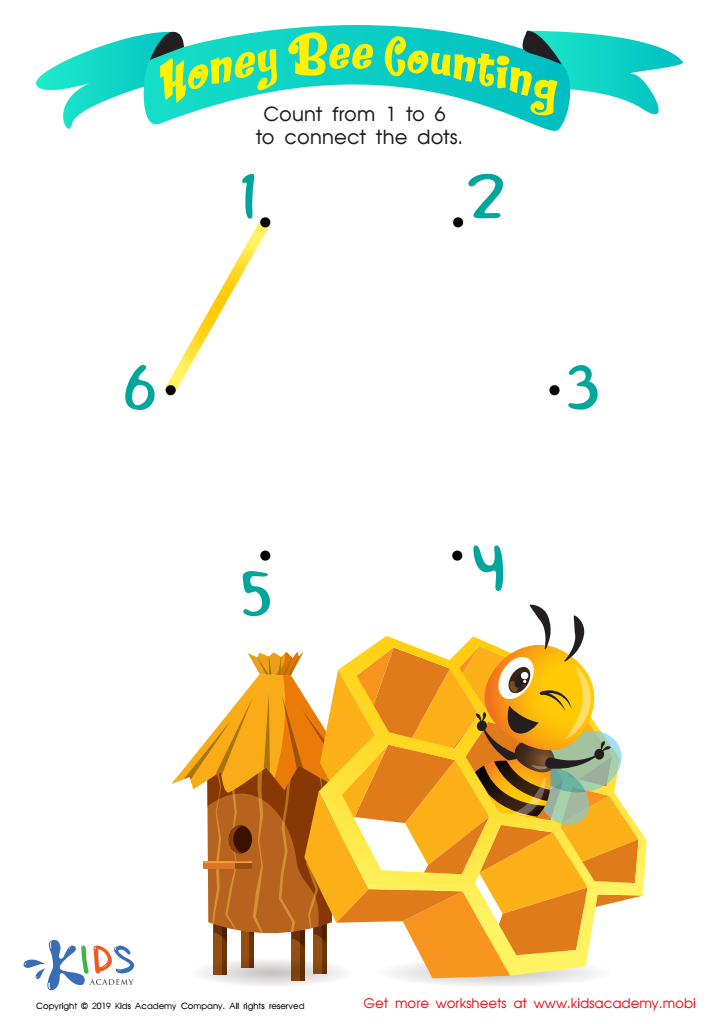
Honey Bee Counting Worksheet
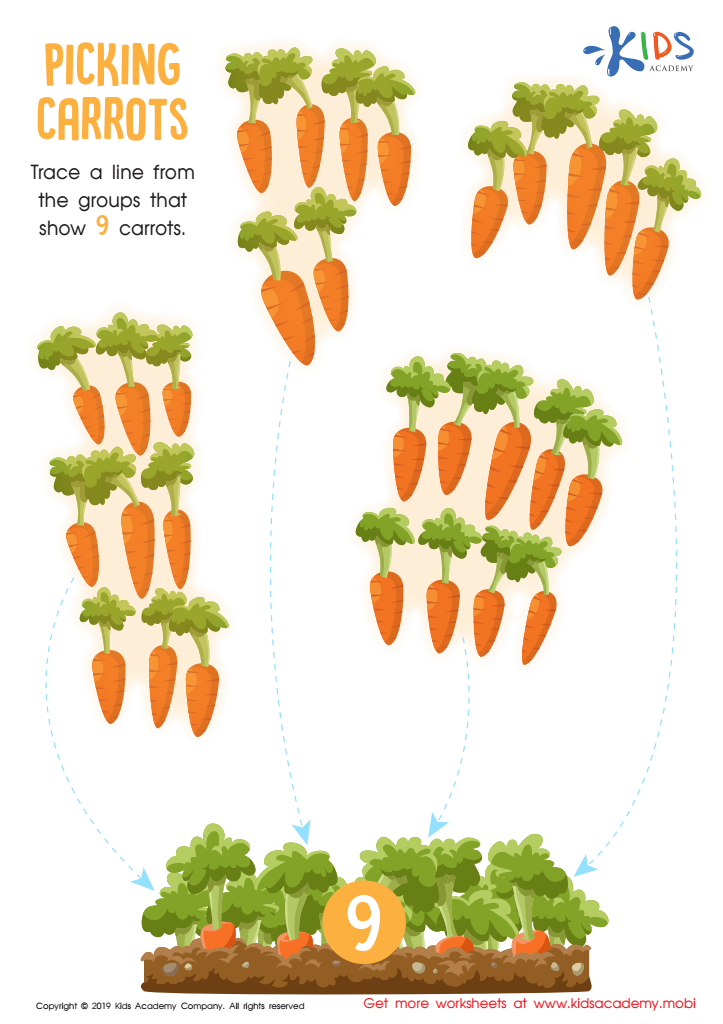
Picking Carrots Worksheet
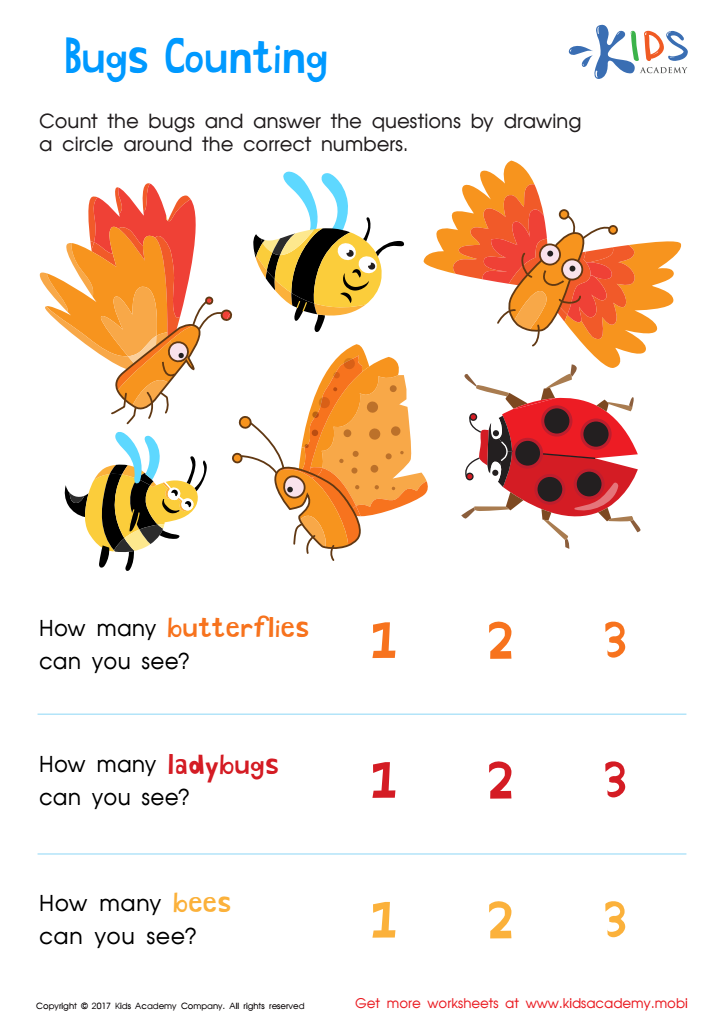
Bugs Counting Worksheet
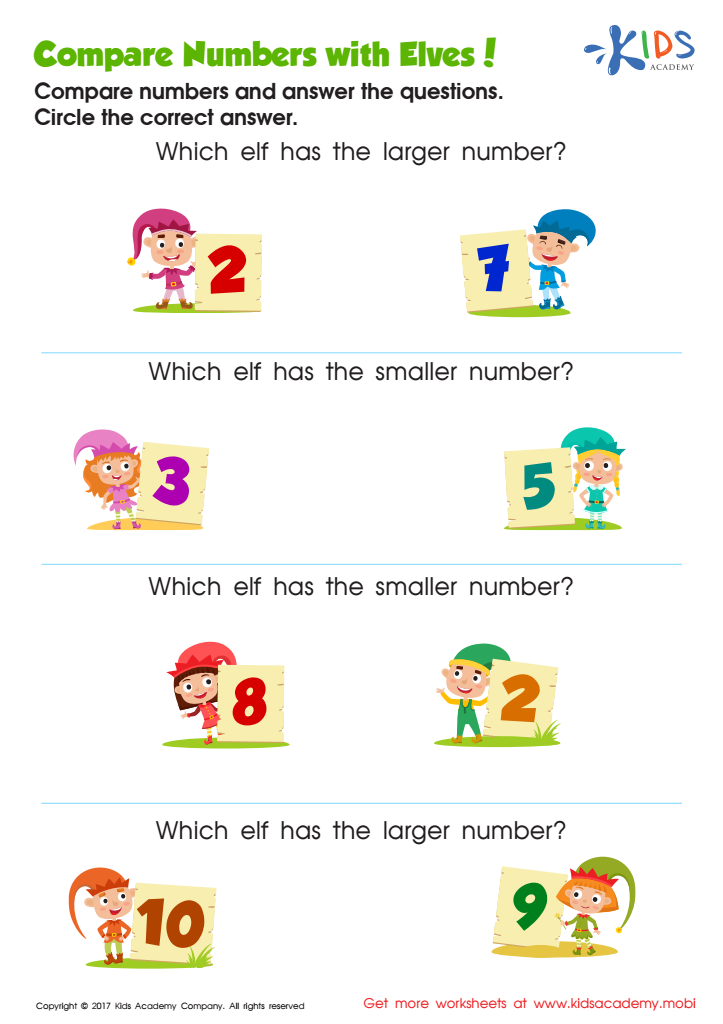
Comparing Numbers Worksheet for Kindergarten
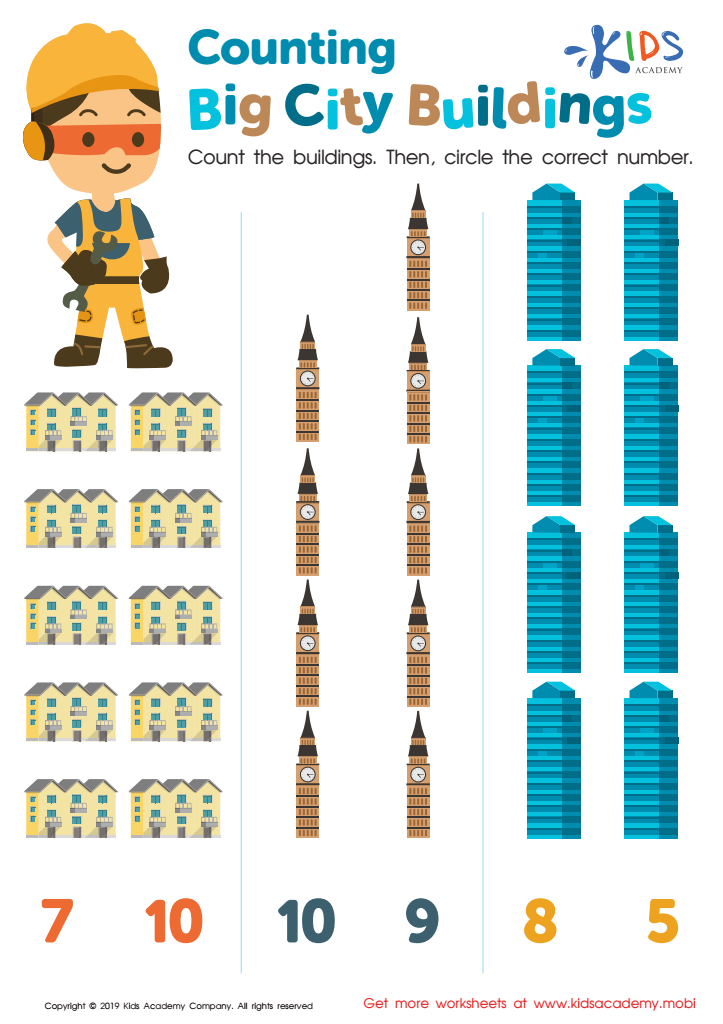
Counting Big City Buildings Worksheet



%20(1).jpg)



Understanding quantities and numbers is a foundational skill for children aged 6 to 8, influencing their academic success and everyday life. During these formative years, children's cognitive abilities are rapidly developing, making it pivotal for parents and teachers to nurture their understanding of numbers. Mastery of quantities forms the basis for more complex mathematical concepts like addition, subtraction, and basic problem-solving.
When children grasp the concept of quantities, they begin to develop a sense of comparison, measurement, and estimation, which are crucial skills in both math and real-world situations. For instance, understanding quantities aids in learning about money, time, and even cooking, enhancing their practical life skills. Furthermore, this early comprehension can instill confidence and a positive attitude toward math, setting the stage for future learning.
Parents and teachers have a significant role in fostering this understanding through engaging activities, such as sorting objects, counting games, and hands-on experiences with measurable items. By emphasizing the importance of understanding quantities and numbers, they contribute to a strong mathematical foundation that develops critical thinking, promotes academic achievement, and prepares children for lifelong learning. Building these skills early on can make all the difference in a child’s educational journey.








