Alphabet Recognition Math Worksheets for Ages 6-8
5 filtered results
-
From - To
Enhance your child's literacy skills with our engaging Alphabet Recognition Math Worksheets designed specifically for ages 6-8! These interactive worksheets make learning the alphabet both fun and educational, seamlessly integrating letter recognition with math concepts. Our resources include colorful activities that encourage children to identify letters while solving basic math problems, fostering a love for learning. Perfect for parents and teachers alike, these worksheets are designed to improve reading fluency and reinforce essential math skills. Unlock your child's potential with our expertly crafted materials, providing hours of productive and enjoyable learning experiences. Download now and watch your child thrive!
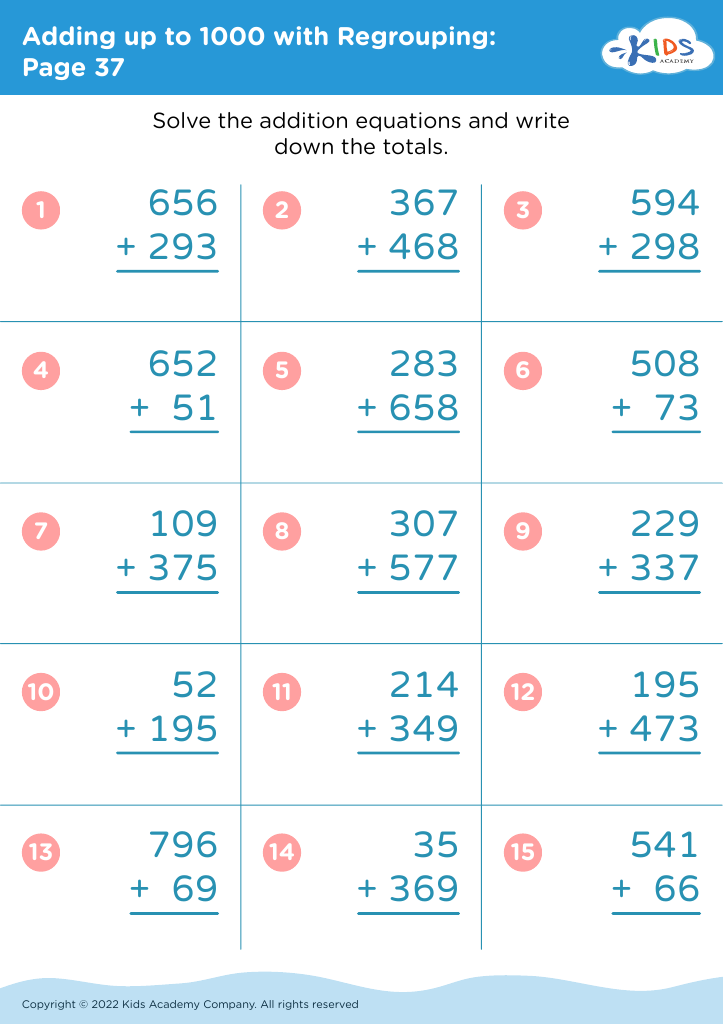
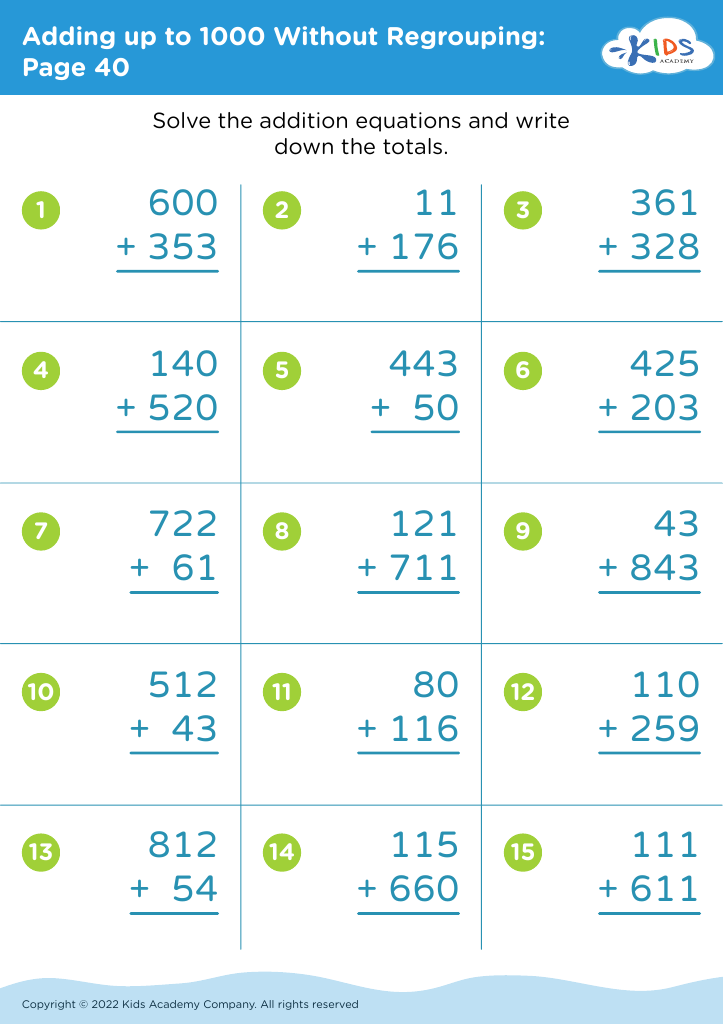
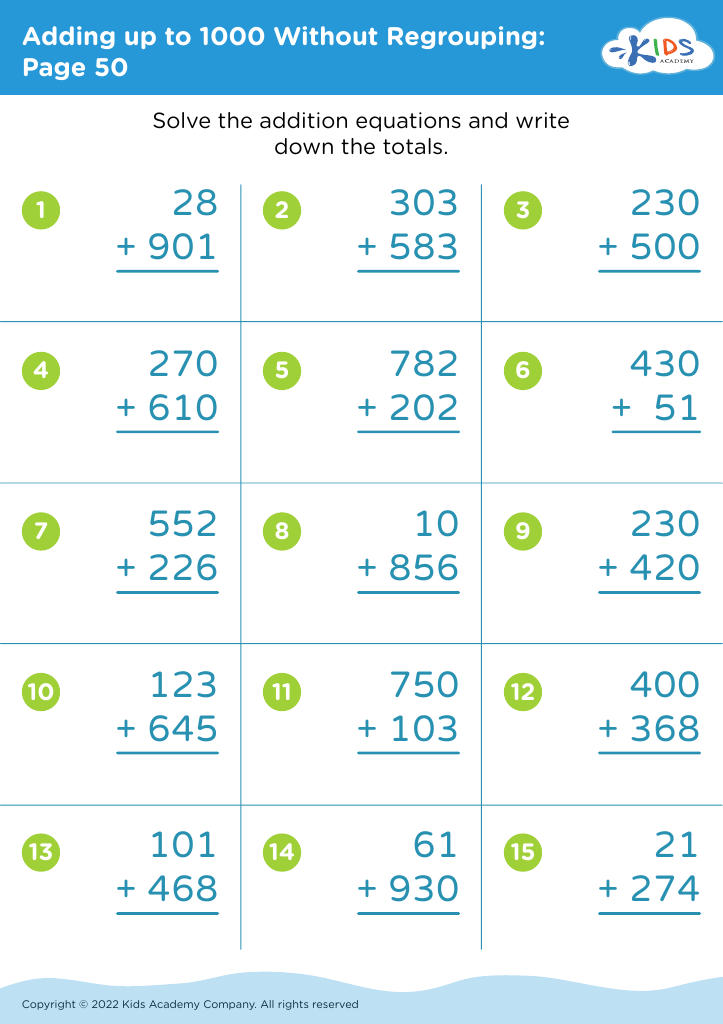
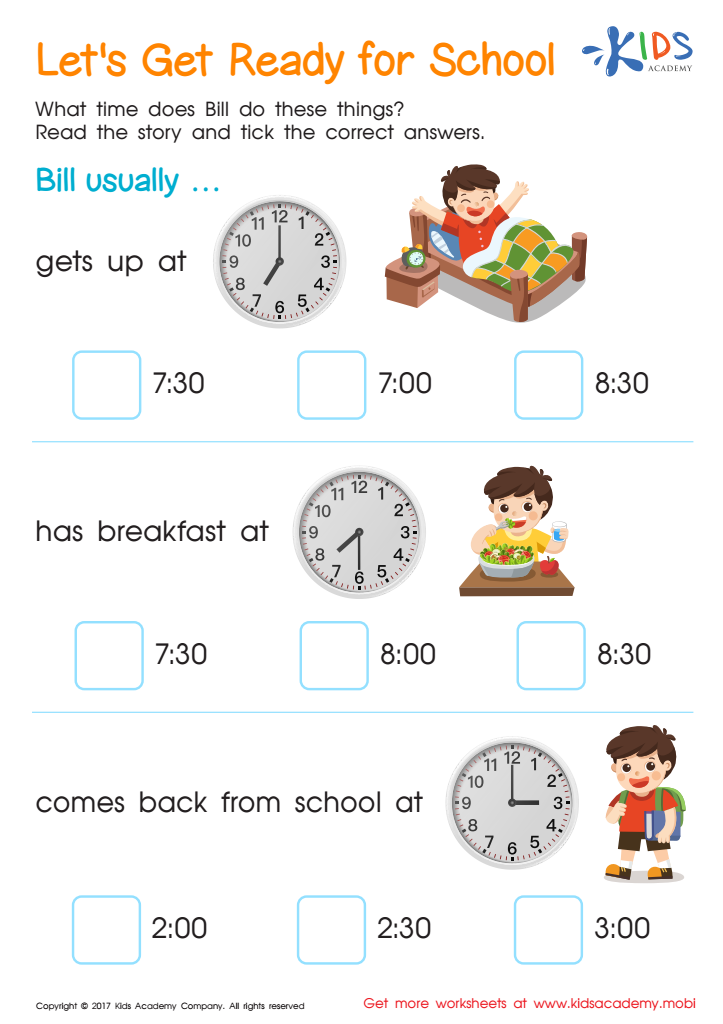
Lets Get Ready For School Time Printable
 Assign to My Students







Alphabet recognition is a foundational skill crucial for children aged 6-8 as they progress in their education. At this stage, students transition from learning basic letters to recognizing them in various contexts, which is essential for developing reading and writing abilities. Teachers and parents should care deeply about this skill because it directly influences a child's overall academic performance.
Understanding letters helps children decode words, making reading more accessible. Early literacy skills significantly contribute to comprehension, vocabulary expansion, and communication abilities later in life. Furthermore, alphabet recognition also plays a role in students’ self-confidence as they engage in classroom discussions and activities.
Additionally, strong alphabet recognition lays the groundwork for math literacy. Many math tasks involve verbal instructions or word problems; if students struggle to recognize letters, they may not understand these tasks fully. Engaging children with interactive activities—like games, songs, and storytelling—can make learning fun and effective.
Ultimately, by prioritizing alphabet recognition, parents and teachers foster essential skills that promote lifelong learning and engagement, preparing children for the complexities of language and problem-solving in today's world.








