Basic measurement concepts Math Worksheets for Ages 6-8
6 filtered results
-
From - To
Explore our engaging Math Worksheets on basic measurement concepts designed specifically for children ages 6-8. These worksheets introduce young learners to fundamental skills like measuring length, weight, and capacity through fun, interactive activities. Each worksheet promotes hands-on learning, allowing students to develop their understanding of measurement with practical examples. Ideal for use at home or in the classroom, our resources help build confidence in math, encouraging kids to visualize numbers and relationships. The colorful and age-appropriate designs keep children motivated while reinforcing key concepts. Download our worksheets today to make learning measurement enjoyable and effective!
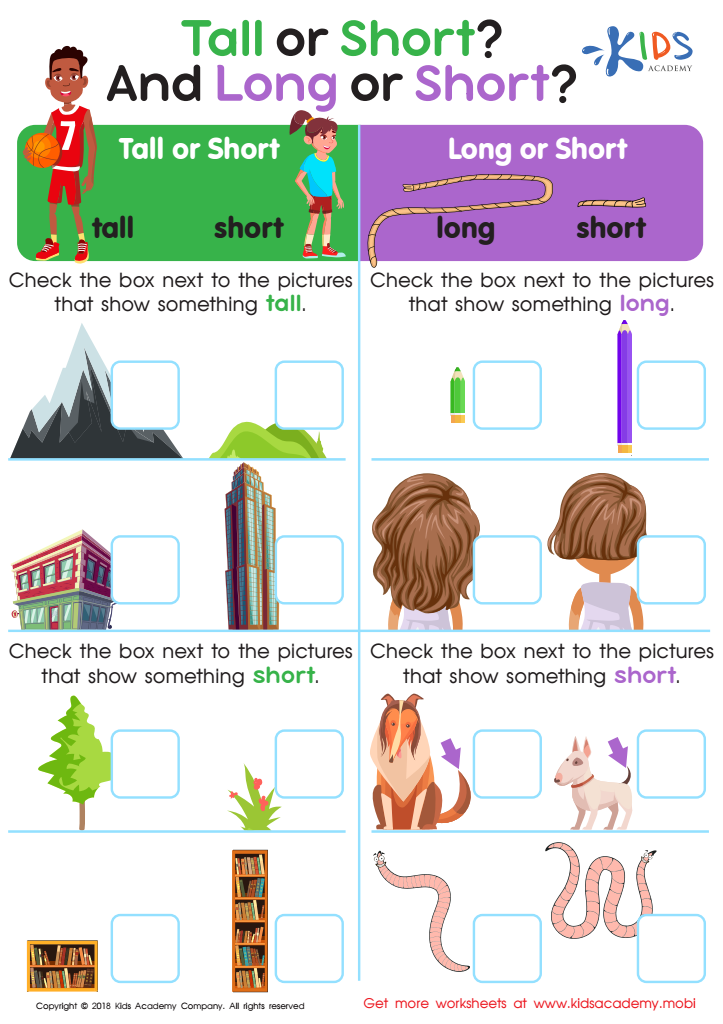
Tall or Short and Long or Short? Worksheet
 Assign to My Students
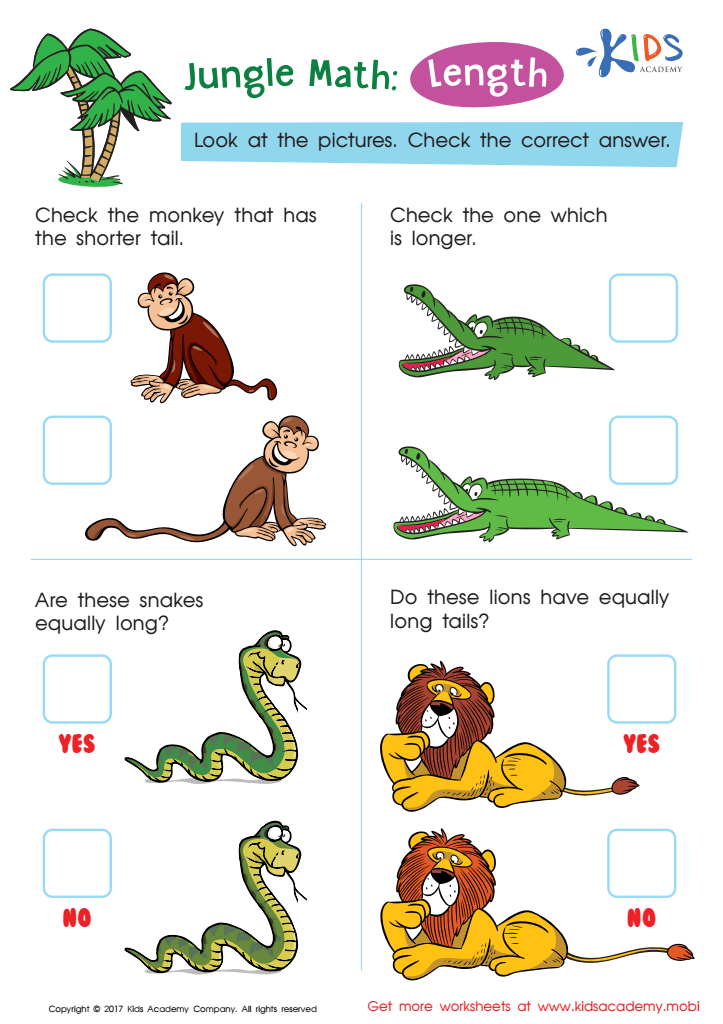
Which One Is Longer - Length Worksheet
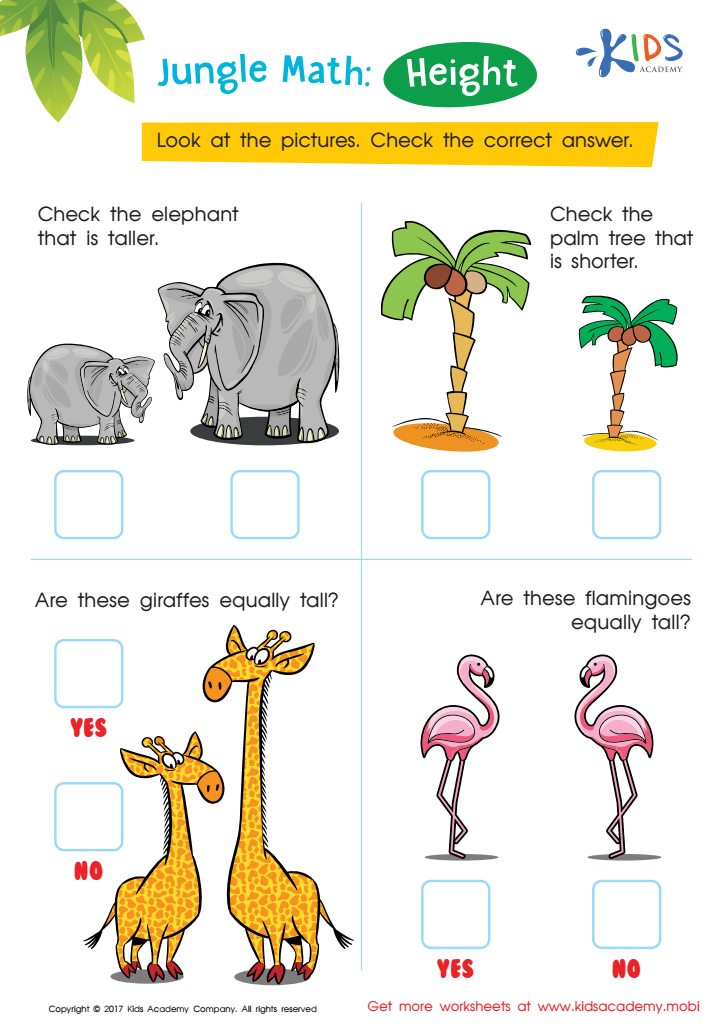
Which Is Taller Worksheet
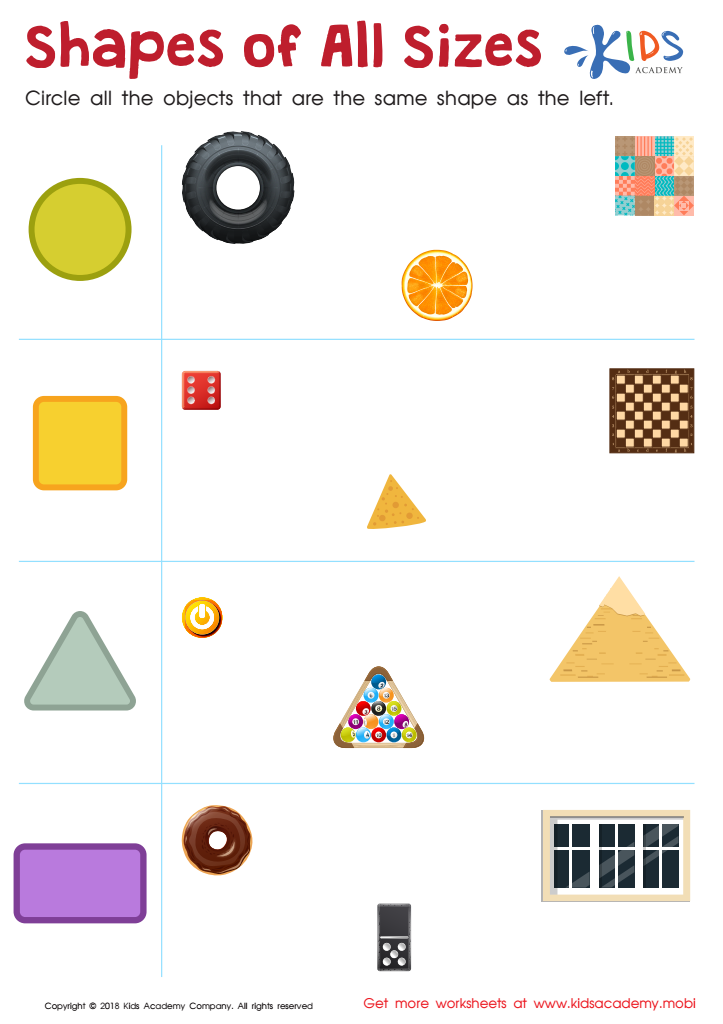
Shapes of All Sizes Worksheet
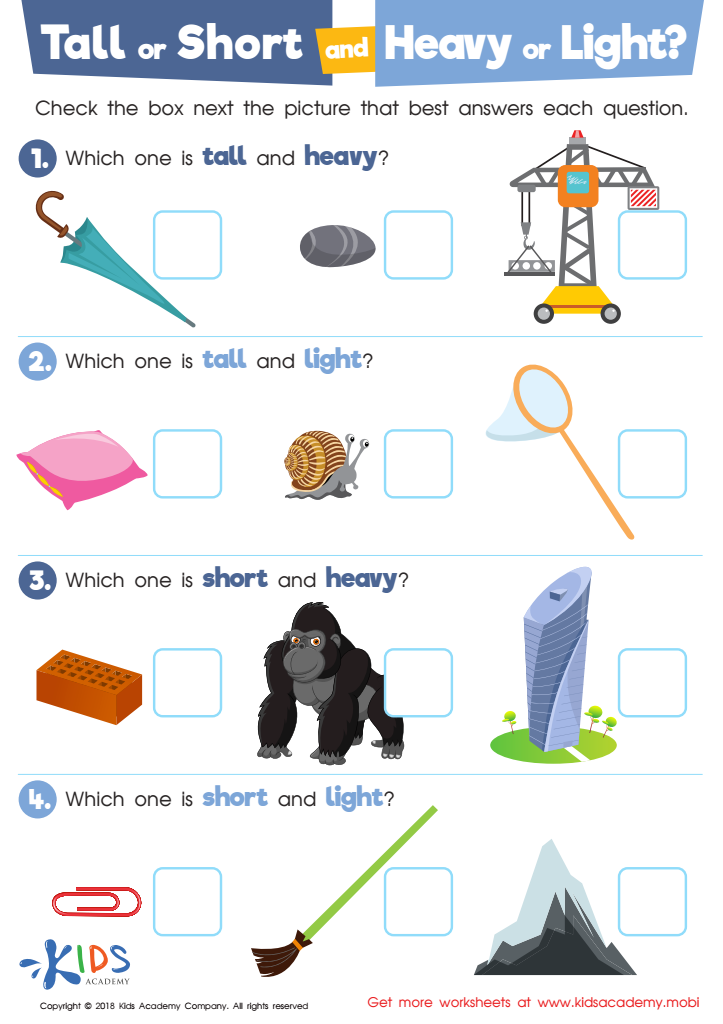
Tall or Short and Heavy or Light? Worksheet
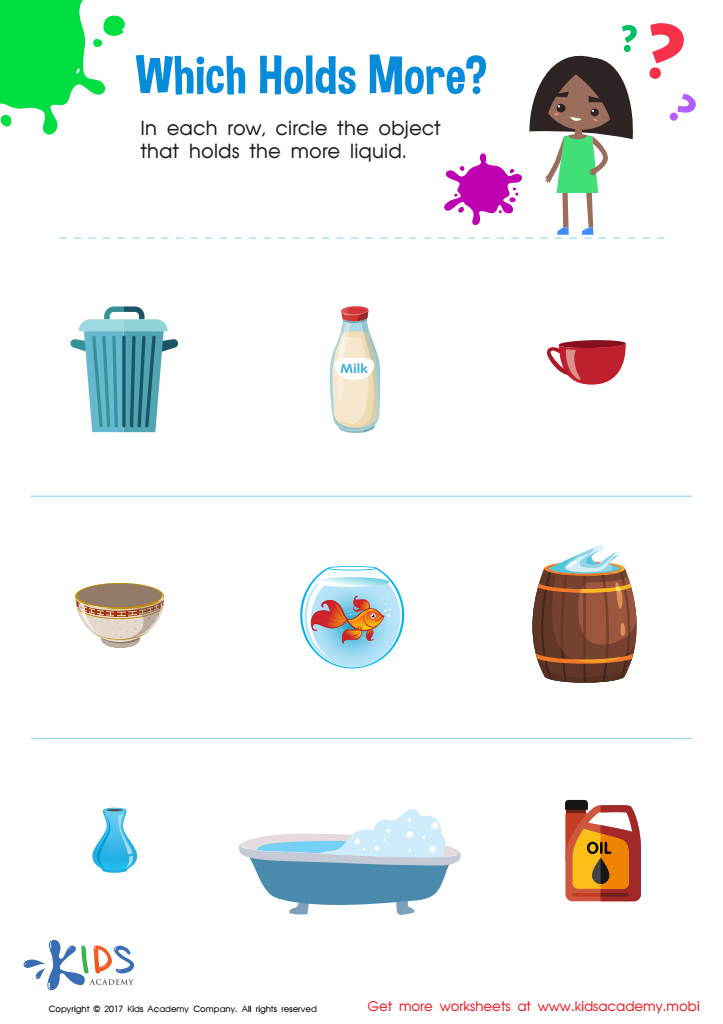
Which Holds More: Capacity Worksheet



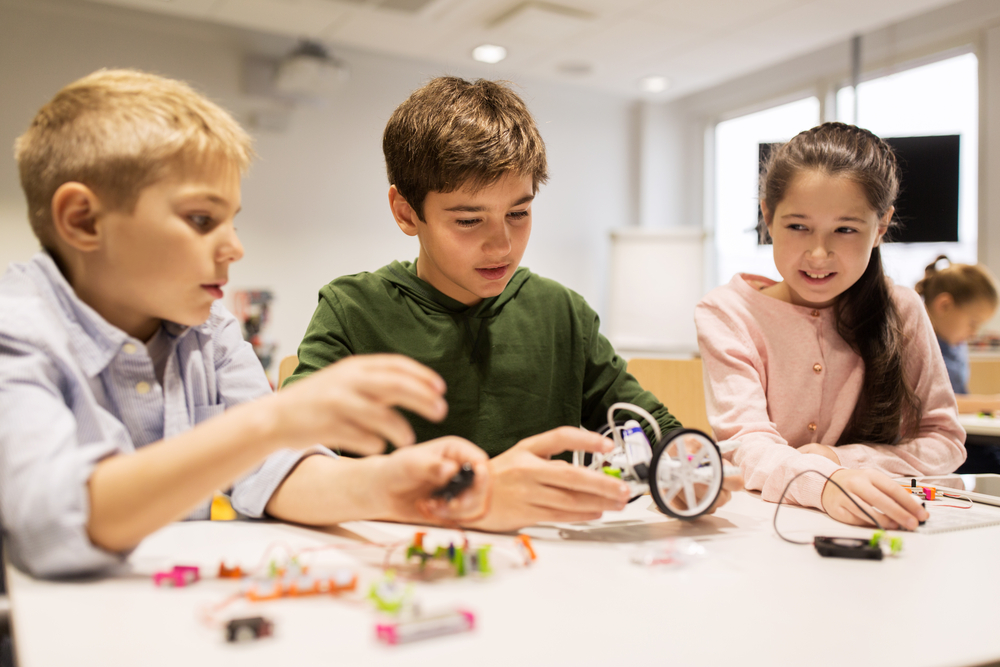



Basic measurement concepts are essential for children aged 6-8 as they lay the groundwork for mathematical understanding and everyday life skills. At this developmental stage, children are naturally curious and begin to grasp the world around them through measurable attributes like length, weight, volume, and time. By introducing these concepts, parents and teachers help children develop critical thinking and problem-solving skills.
Understanding measurement promotes spatial awareness—a key component for tasks in science, art, and even reading maps. Learning how to measure enhances a child’s ability to estimate and compare, fostering their analytical skills. Additionally, early exposure to measurement provides practical applications in activities such as cooking, crafting, and sports, helping children relate classroom learning to real life.
Furthermore, mastery of basic measurement concepts contributes to a strong foundation for advanced mathematical topics. When children understand and can apply measurement through hands-on activities, they boost their confidence in math and develop a positive attitude toward learning. Encouraging measurement in playful and engaging ways also promotes collaboration, communication, and social skills, making it a vital focus for educators and caregivers committed to holistic development at this critical age.








