Critical Thinking Math Worksheets for Ages 6-8 - Page 2
48 filtered results
-
From - To
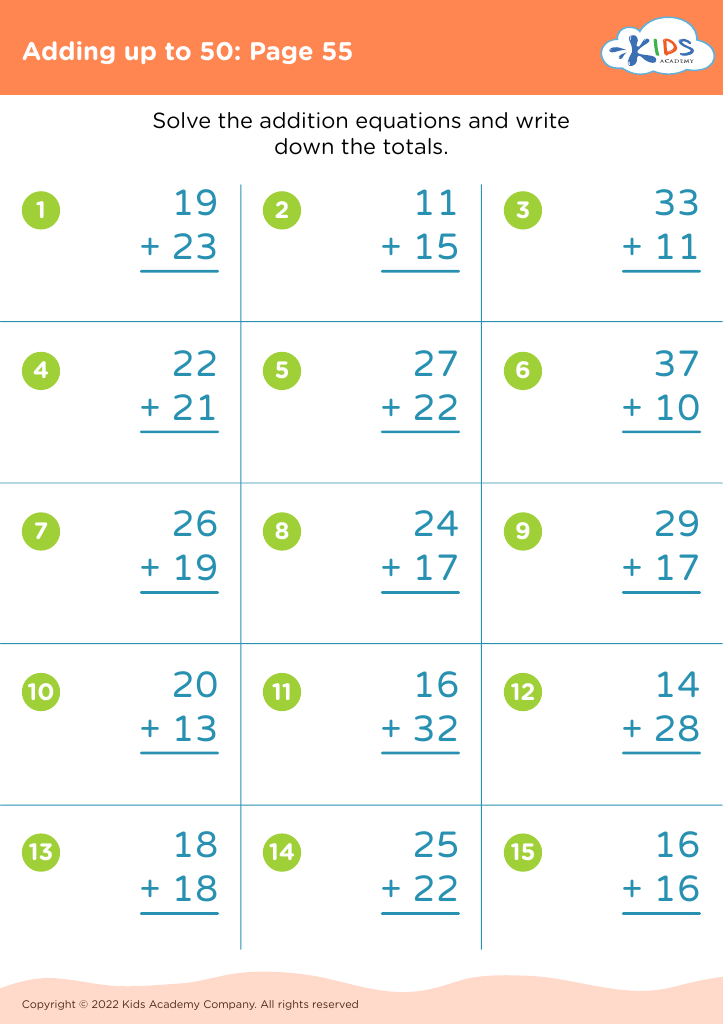
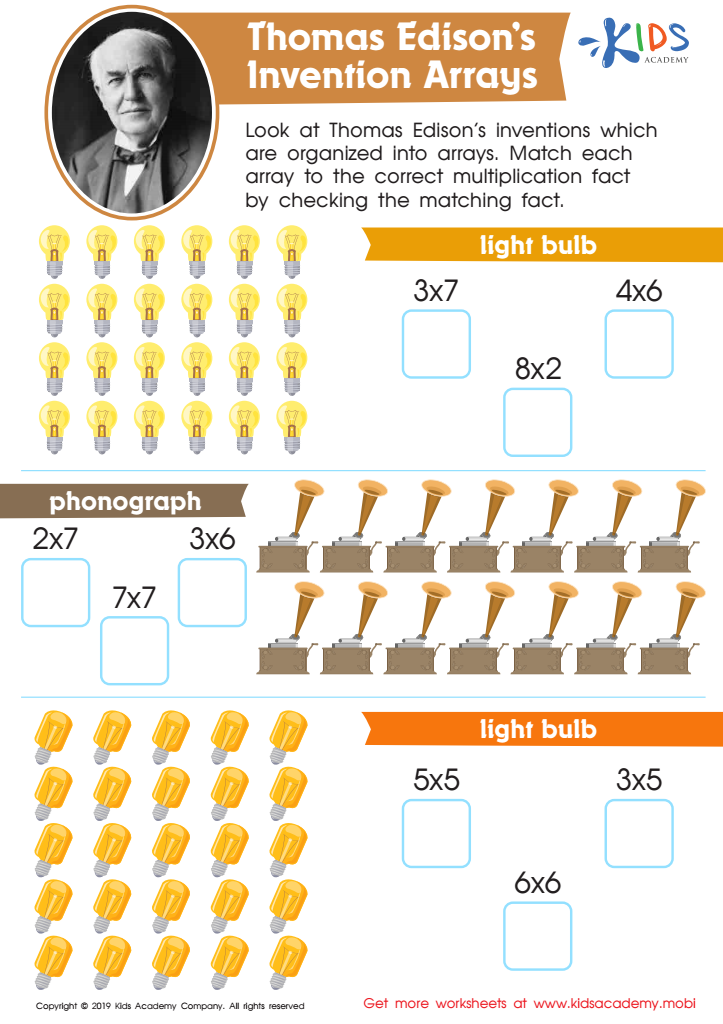
Thomas Edison’s Invention Arrays Worksheet
 Assign to My Students
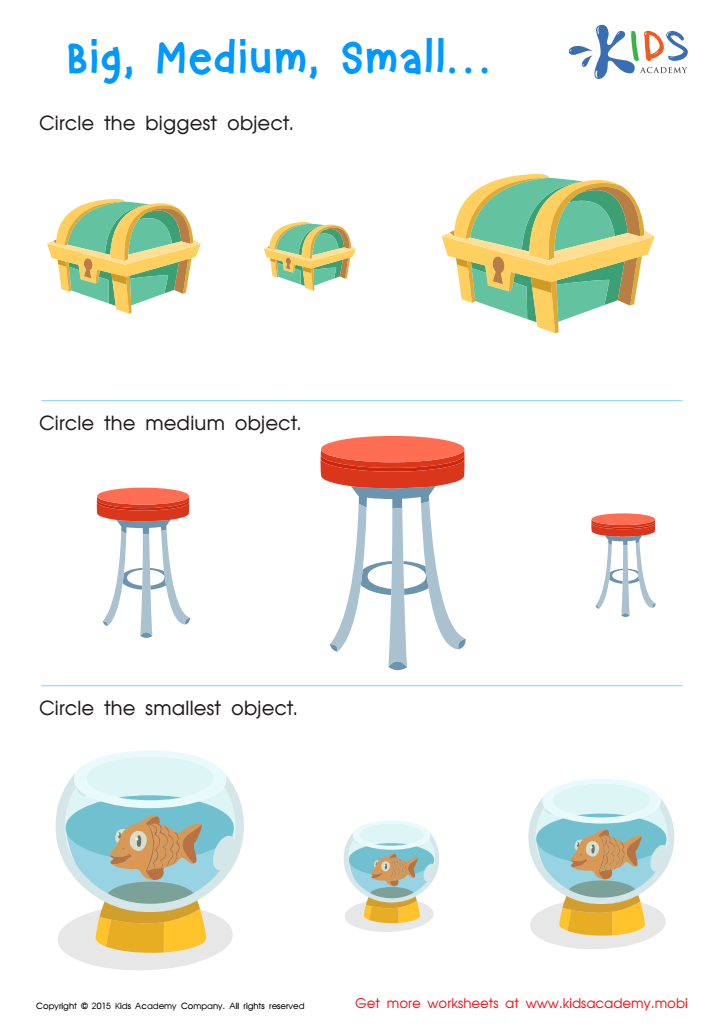
Big Medium Small Worksheet

Growing Jamestown Worksheet
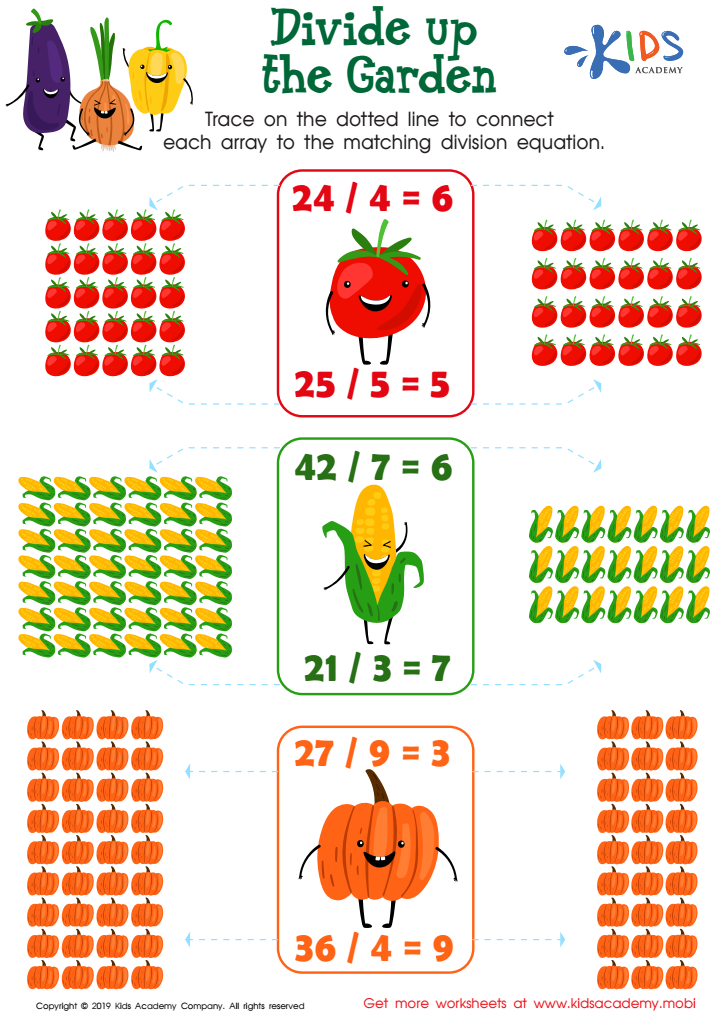
Divide up the Garden Worksheet
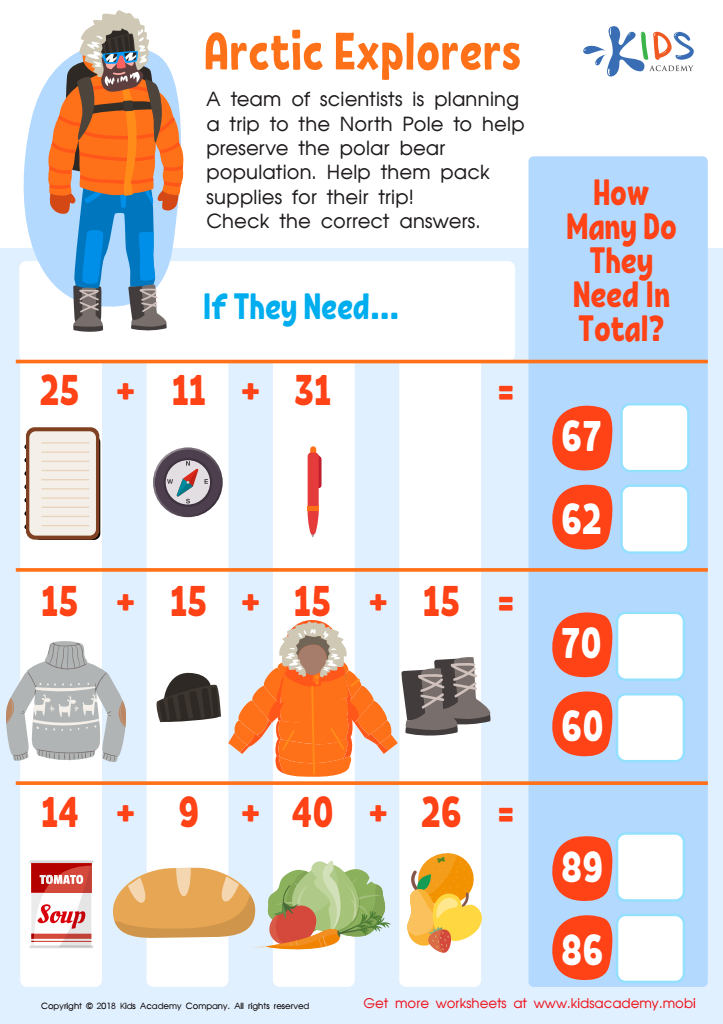
Arctic Explorers Worksheet
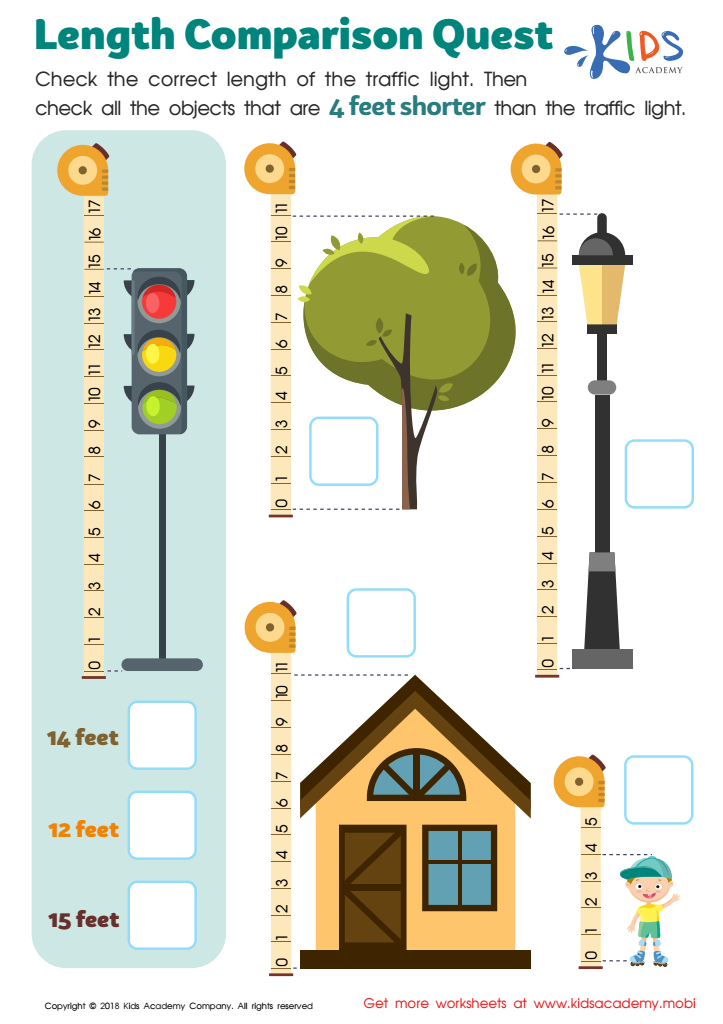
Length Comparison Quest Worksheet
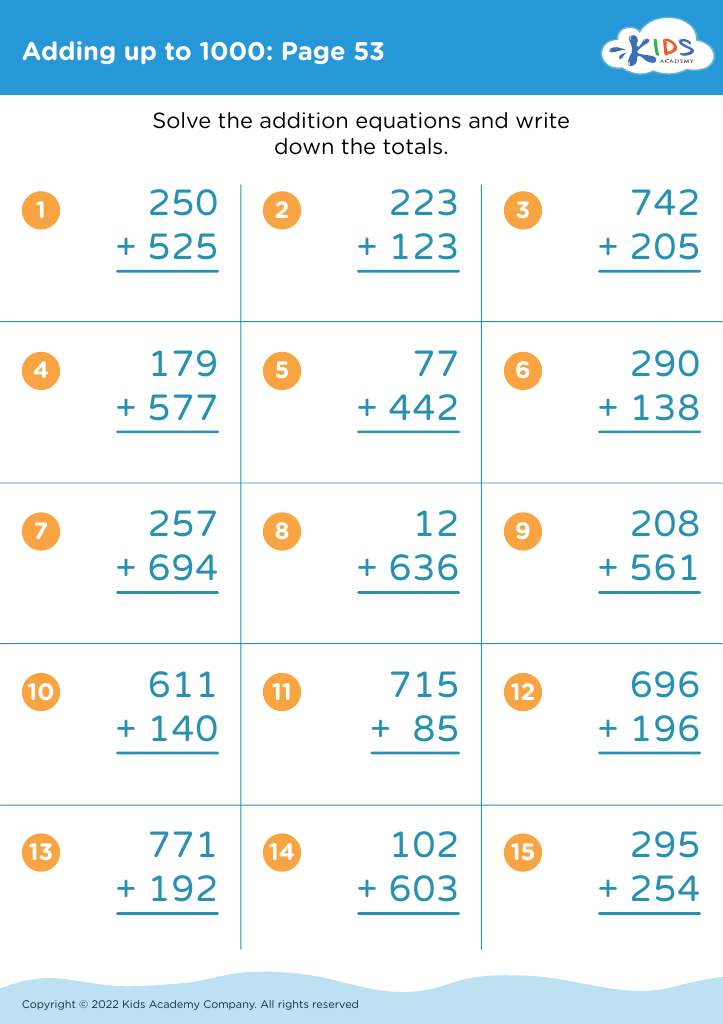
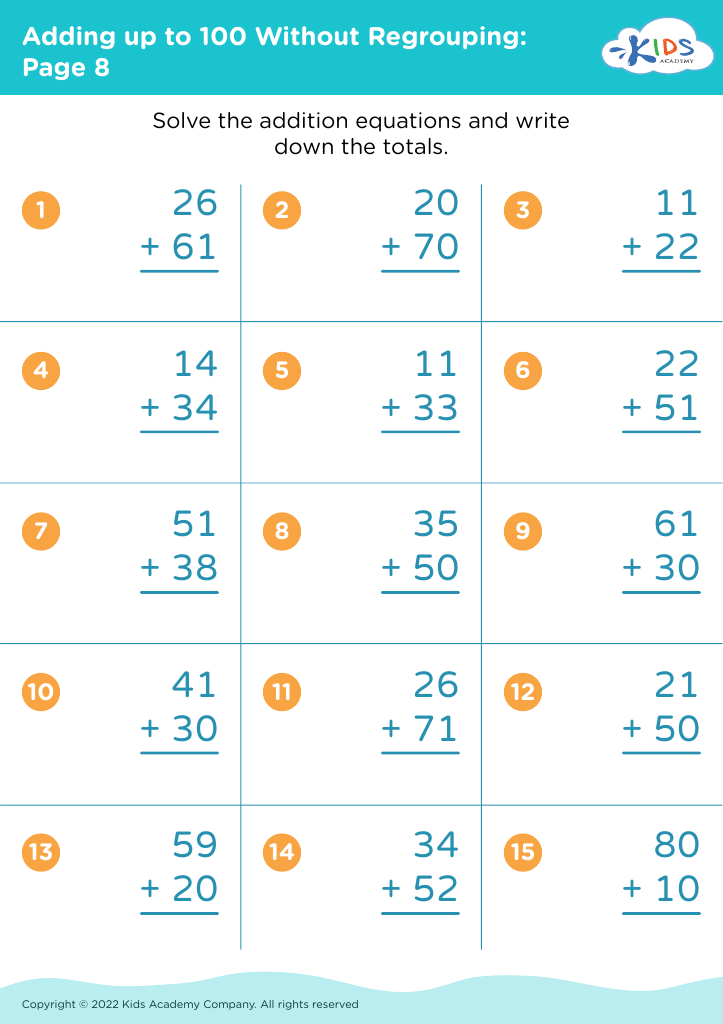
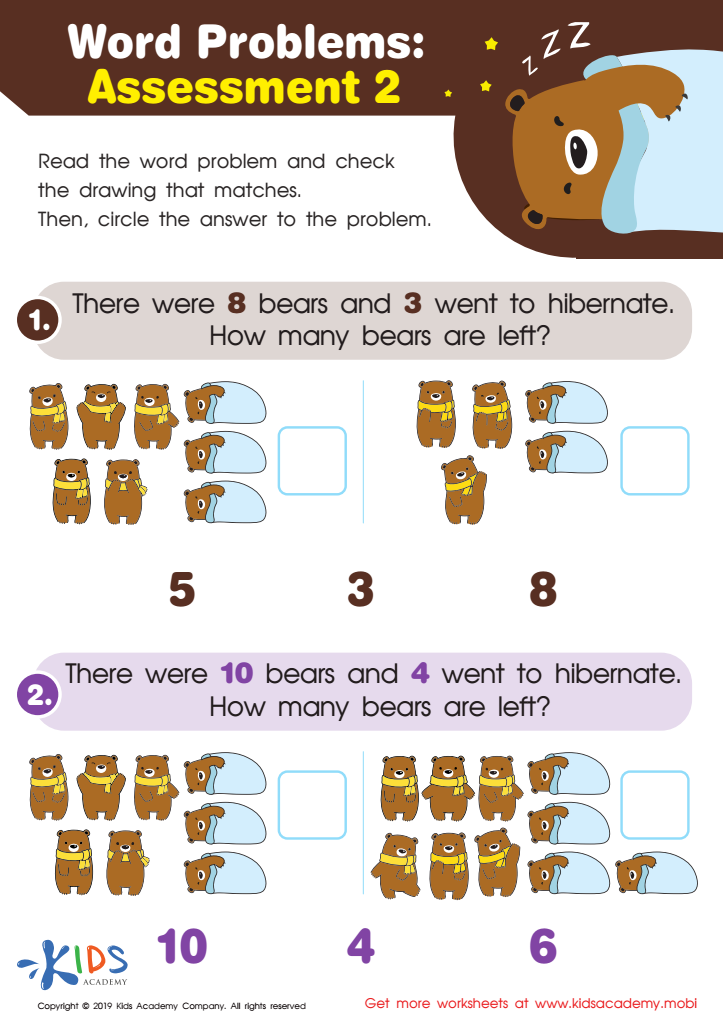
Word Problems: Assessment 2 Worksheet
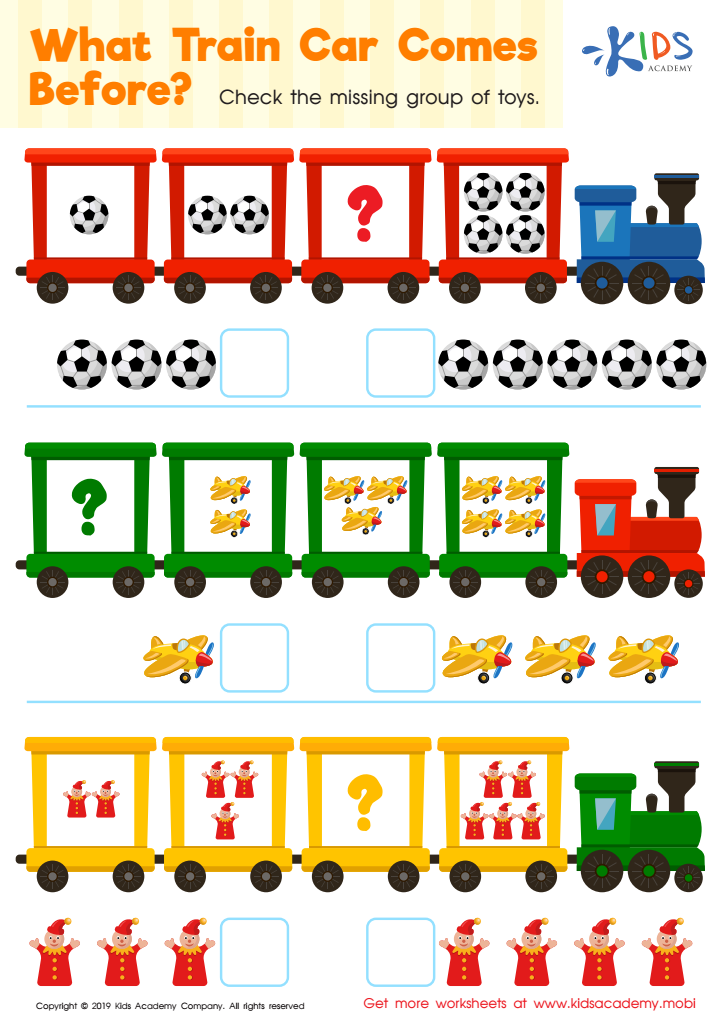
What Train Car Comes Before? Worksheet
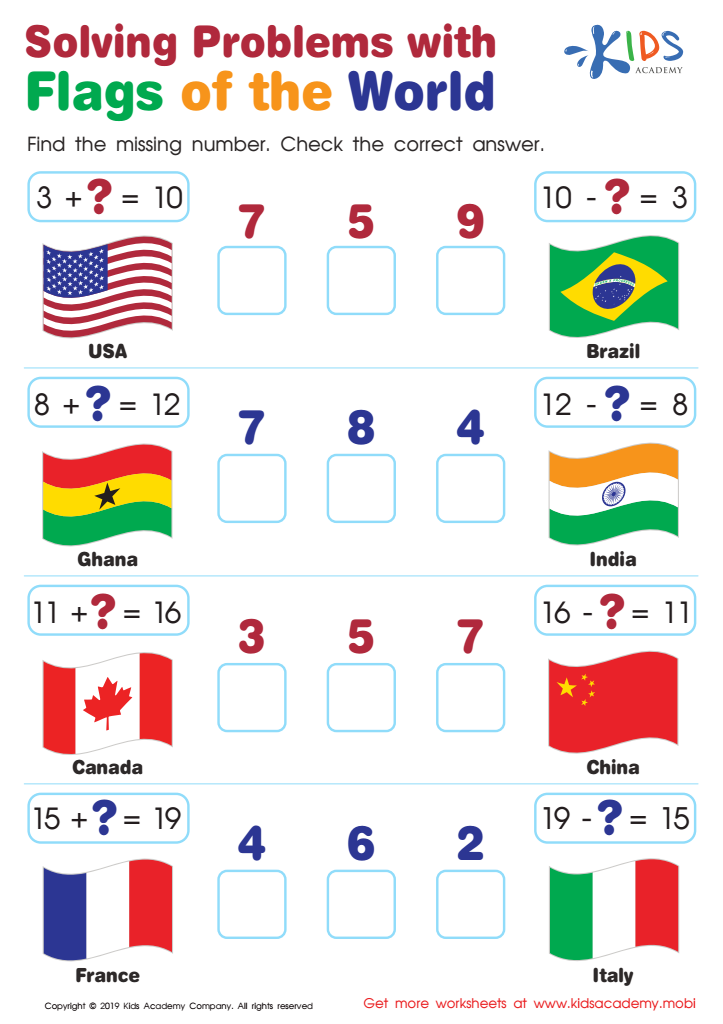
Solving Problems with Flags of the World Worksheet
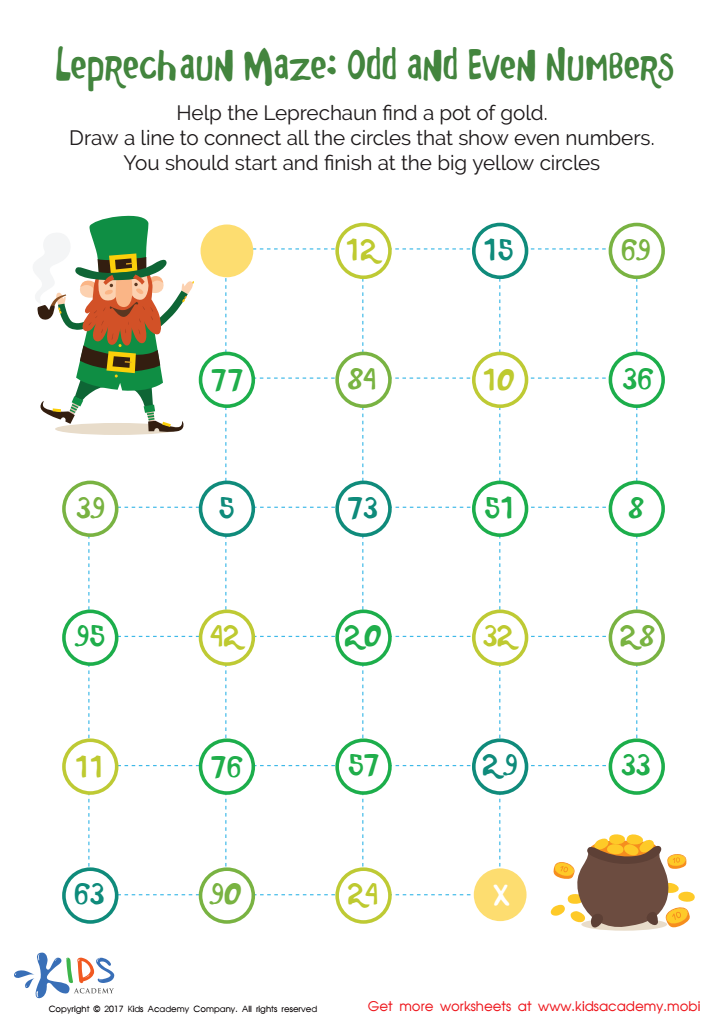
Leprechaun Maze Printable
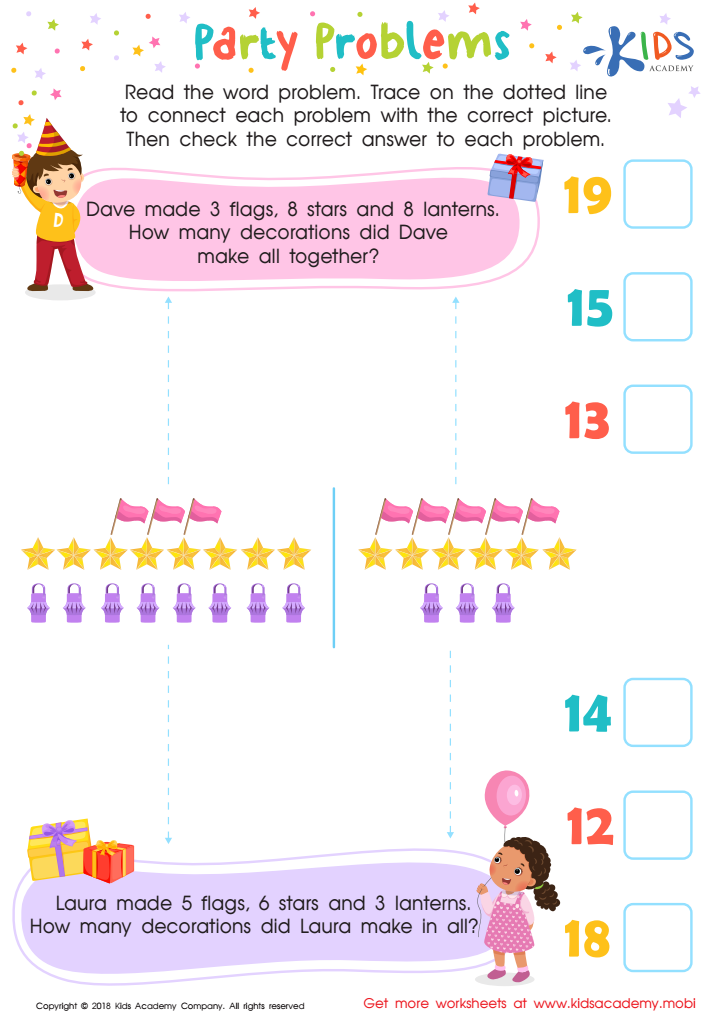
Party Problems Worksheet
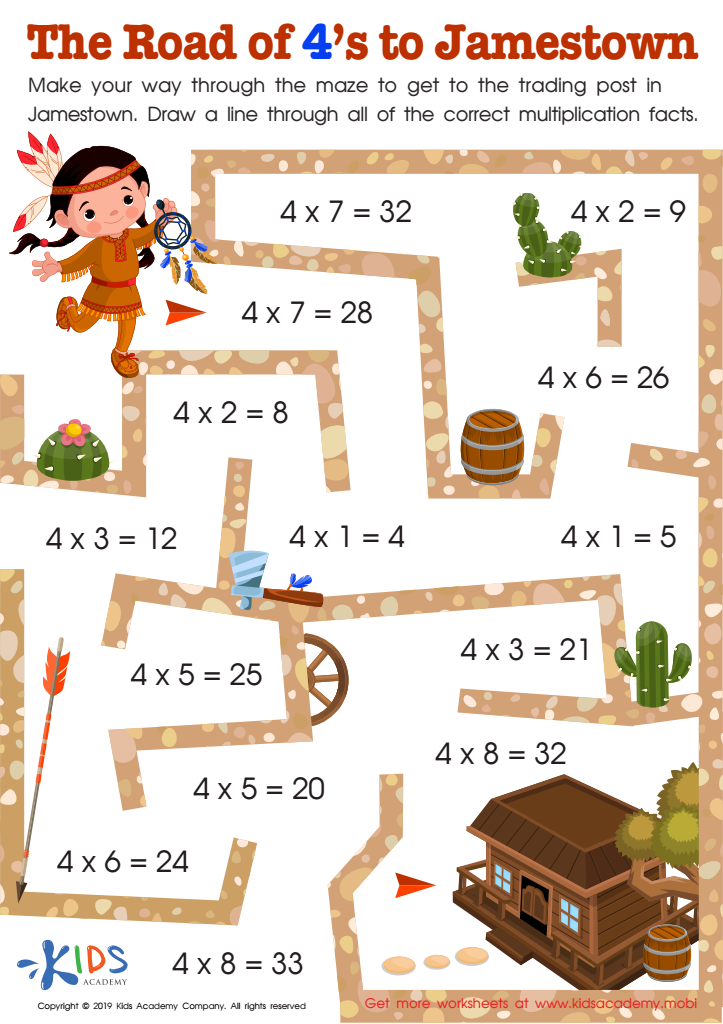
The Road of 4’s to Jamestown Worksheet
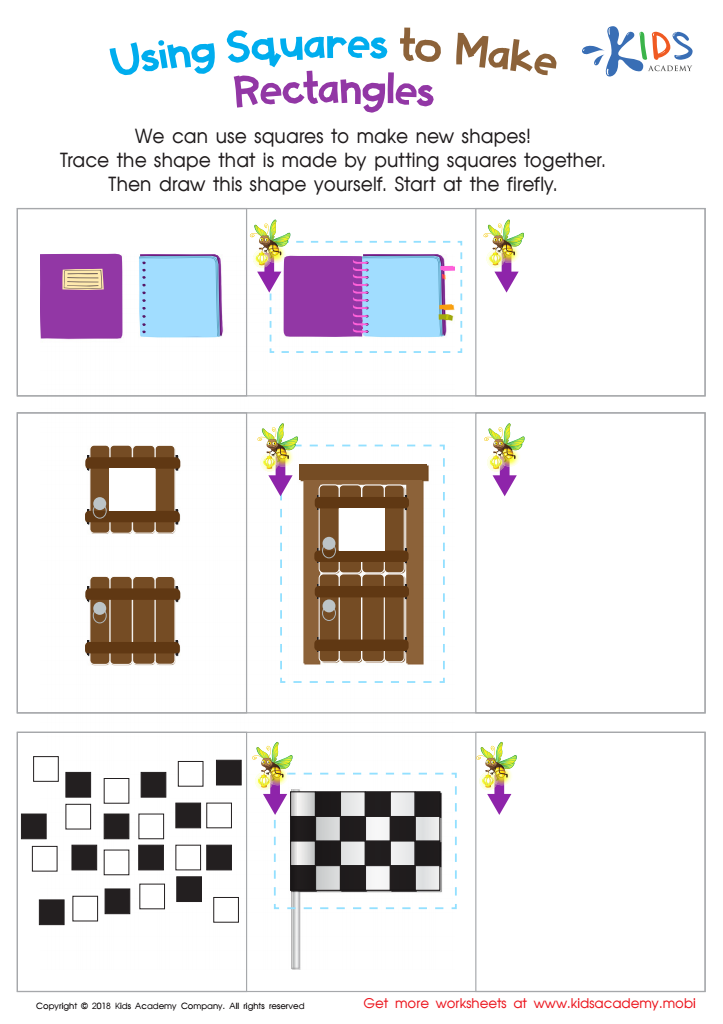
Using Squares to Make Rectangles Worksheet
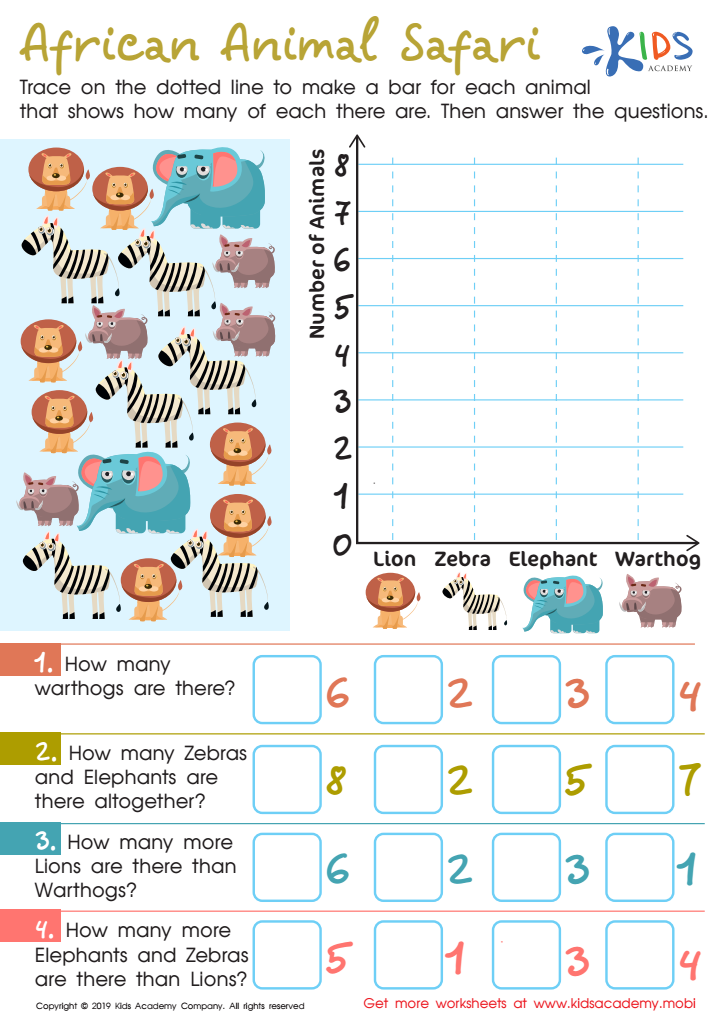
African Animal Safari Worksheet
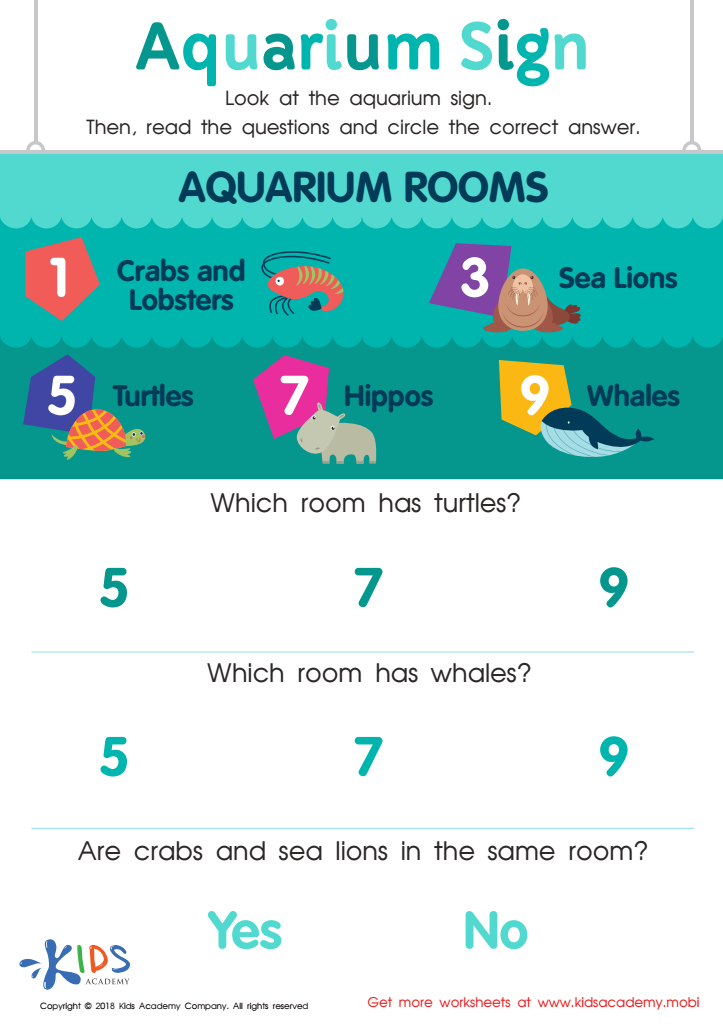
Assessment: Aquarium Sign Worksheet
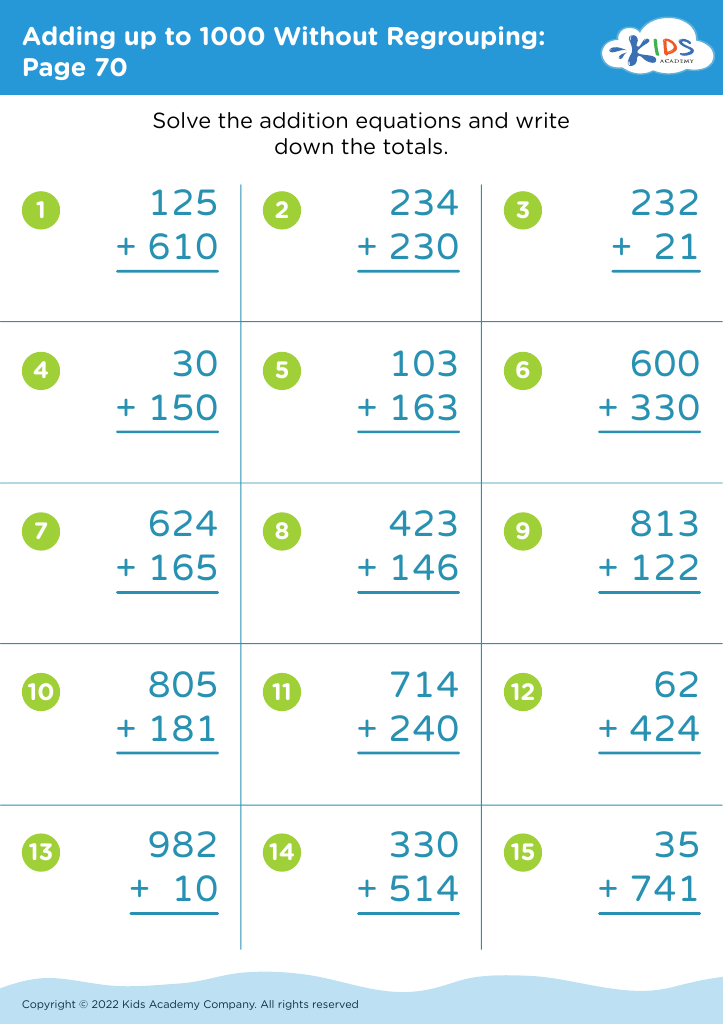

World Traveler Worksheet






Critical thinking in math for children aged 6-8 is essential because it lays the foundation for both academic success and real-world problem-solving. At this developmental stage, children are naturally curious and have a strong capacity for absorbing new information. By introducing critical thinking in math, parents and teachers can harness this curiosity and shape their problem-solving abilities and logical reasoning skills early on.
Critical thinking involves going beyond simple rote memorization or the mechanical application of formulas; it encourages children to question why and how things work, identify patterns, and apply concepts in various contexts. This developmental approach nurtures an inquisitive mindset, which is crucial for learning and innovation.
Moreover, it helps children build resilience and perseverance as they learn to tackle complex problems, fostering a growth mindset. As they grow and face increasingly challenging academic and real-life situations, these foundational skills will enable them to approach problems methodically and creatively.
In essence, focusing on critical thinking in math equips children not just for higher academic pursuits but also with lifelong skills that are invaluable in a complex, rapidly changing world. It transforms them from passive recipients of information into active, thoughtful individuals capable of making sound decisions and solving problems efficiently.








