Develop inference skills Math Worksheets for Ages 6-8
3 filtered results
-
From - To
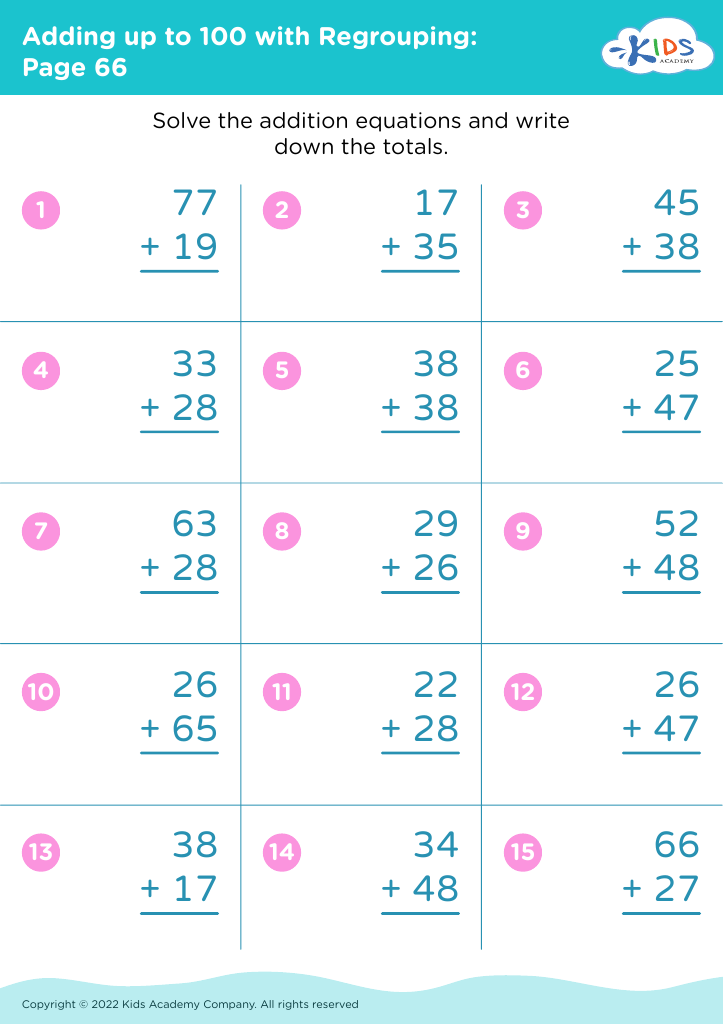
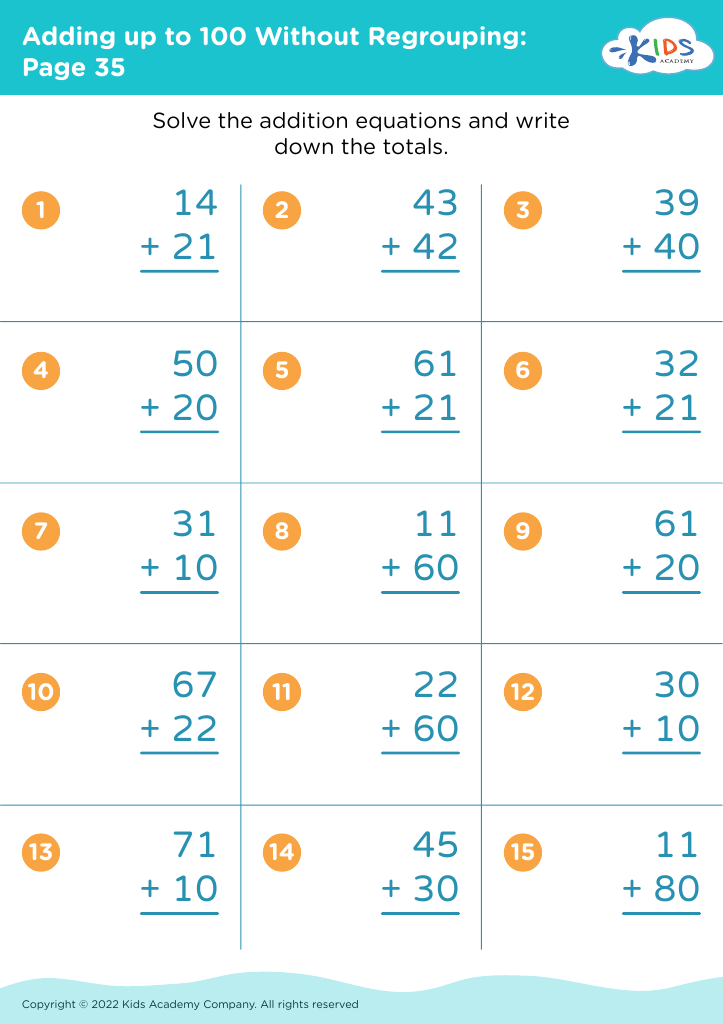
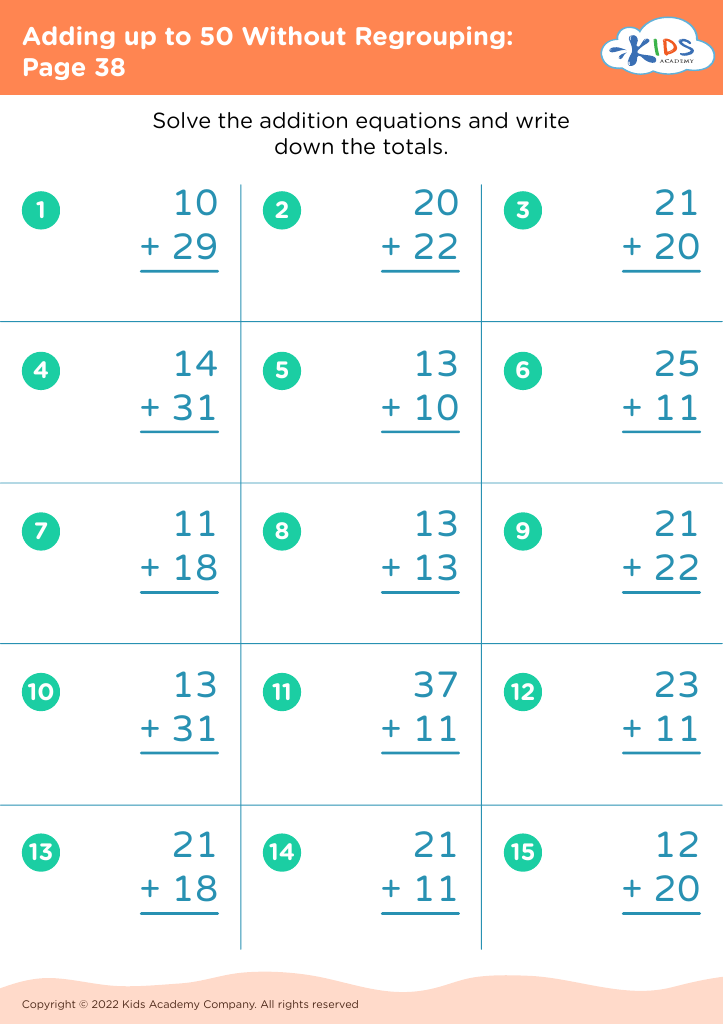
Unlock your child's potential with our "Develop Inference Skills Math Worksheets for Ages 6-8." These engaging worksheets encourage young learners to think critically and interpret information beyond the obvious. By solving fun and challenging math problems, kids enhance their ability to make logical deductions and connections. Perfectly suited for ages 6-8, our carefully crafted activities also boost problem-solving skills, logical reasoning, and mathematical confidence. Give your child the tools they need to succeed in math and beyond by developing essential inference skills with our expert-designed resources. Start transforming your child's learning journey today with our dynamic printable worksheets!




.jpg)



Developing inference skills in math for children aged 6-8 is crucial for their overall cognitive and academic growth. Inference skills allow children to draw logical conclusions from given data, which is vital not only in math but in everyday problem-solving and critical thinking. For example, when children learn to infer in math, they can better understand questions that are not directly stated and make educated guesses based on patterns and prior knowledge.
Strengthening these skills early on helps children become more adept at tackling word problems, recognizing mathematical relationships, and understanding more complex concepts as they progress. Inference skills cultivate deeper comprehension, encouraging students to think beyond rote memorization and develop a true understanding of math principles.
Additionally, these skills benefit learning in other subjects, fostering an inquisitive mindset and an ability to connect ideas across various disciplines. For parents and teachers, focusing on inference skills can also give insights into a child's cognitive processes, helping identify strengths and areas needing support.
Lastly, strong inference skills boost confidence and resilience in learners, which are key traits for academic success and lifelong learning. Hence, it's imperative to nurture these skills during the formative years of ages 6-8, setting a solid foundation for future education.








