Developing analytical skills Math Worksheets for Ages 6-8
4 filtered results
-
From - To
Unlock your child's potential with our "Developing Analytical Skills Math Worksheets" tailored for ages 6-8. These engaging and thoughtfully designed activities not only enhance crucial math abilities but also foster critical thinking and problem-solving skills. Our worksheets are perfect for early learners, providing a fun and interactive way to explore basic concepts such as patterns, sequences, and logical reasoning. By integrating analytical skill development into their math practice, children build a strong foundation for future academic success. Access a wide variety of worksheets that are easy to use at home or in the classroom, making learning both effective and enjoyable. Start your child's mathematical journey today!
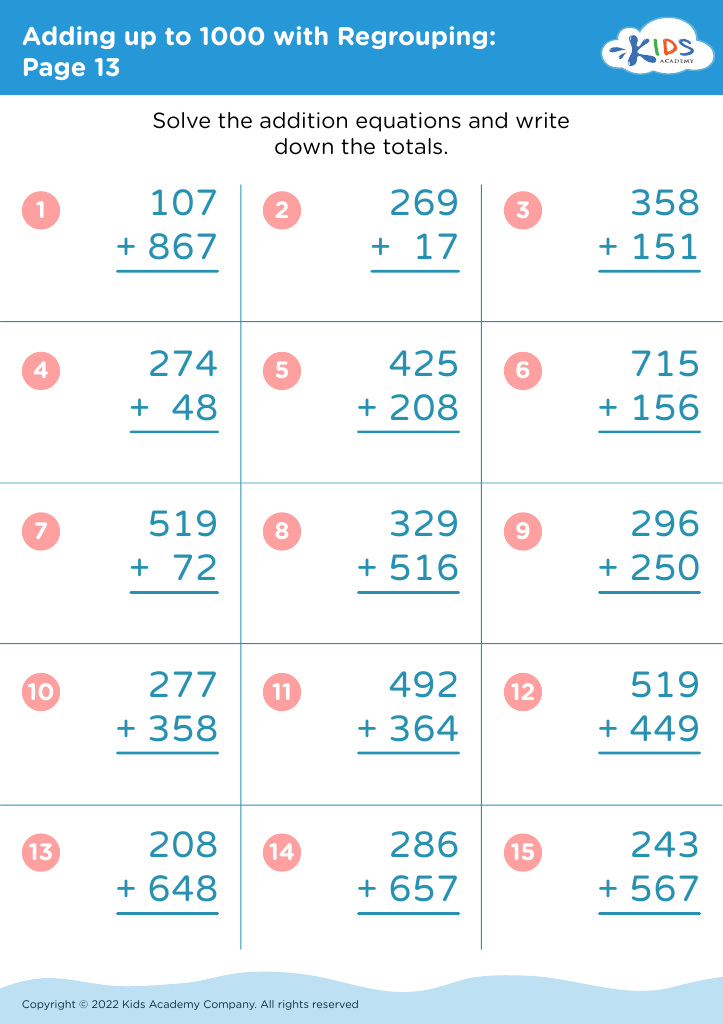
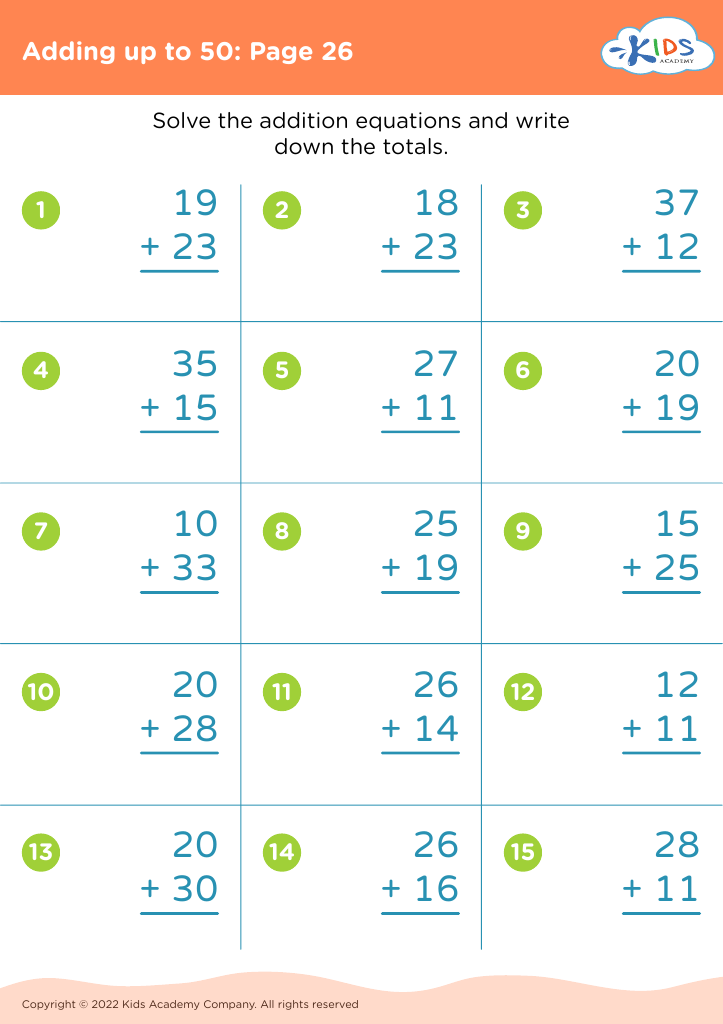
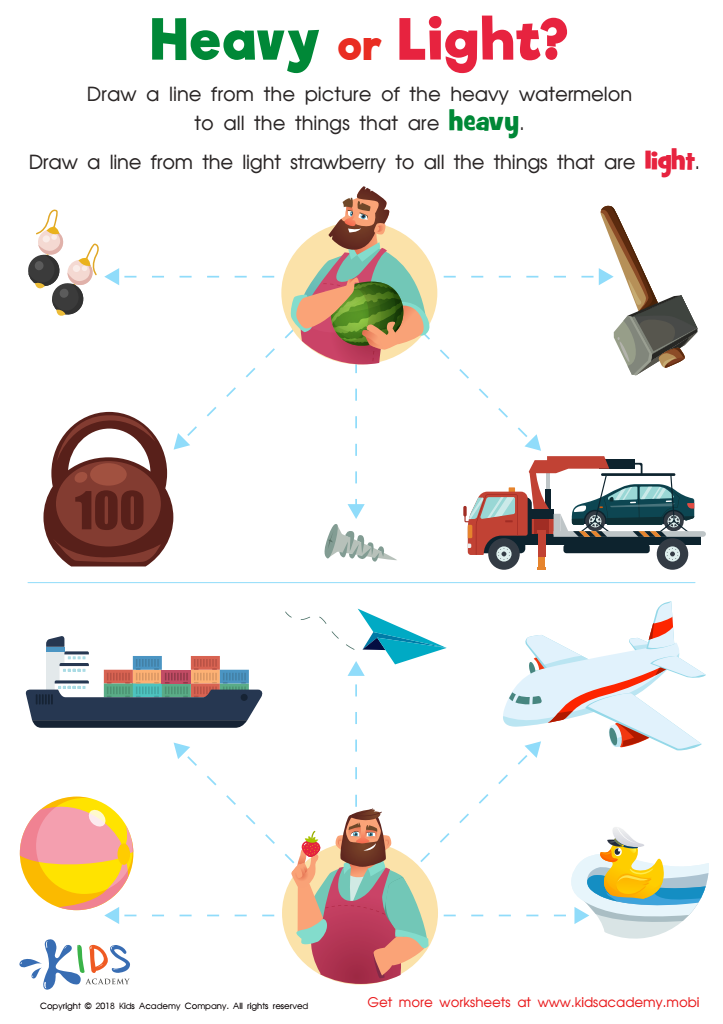
Heavy or Light? Worksheet
 Assign to My Students
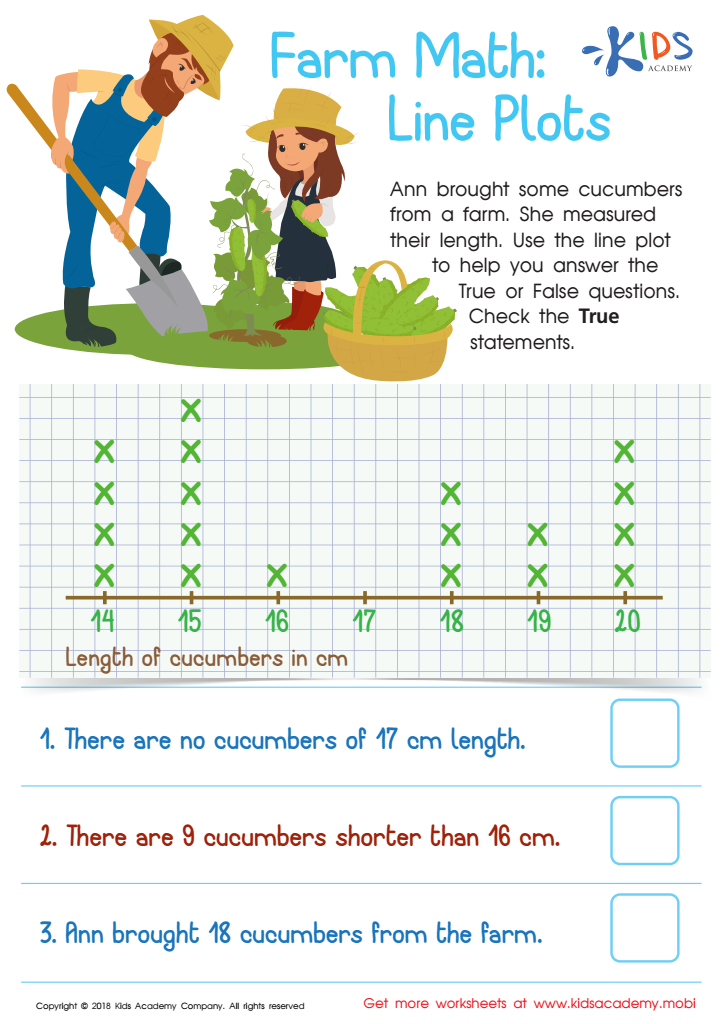
Farm Math: Line Plots Worksheet







.jpg)
Developing analytical skills in mathematics for children aged 6-8 is crucial for their overall cognitive development and future academic success. At this age, children are naturally curious and eager to explore new concepts. Fostering analytical skills during these formative years encourages critical thinking, problem-solving, and pattern recognition, which are foundational for various subjects beyond math, including science and language arts.
By enhancing analytical skills, children learn how to approach problems methodically, breaking them down into manageable parts and drawing logical conclusions. This not only boosts their confidence in math but also prepares them for more complex concepts in later grades. Additionally, strong analytical skills contribute to better decision-making and reasoning abilities, equipping children for real-world challenges.
Moreover, early math proficiency has been linked to future academic achievement, impacting their overall educational trajectory. Teachers and parents play a vital role in nurturing this development through engaging activities, games, and real-life applications that make math fun and relevant. By investing time and effort in cultivating analytical skills, educators and caregivers can help instill a love for learning, ultimately shaping children into lifelong learners who are equipped to thrive in an increasingly complex world.








