Identifying fractions Math Worksheets for Ages 6-8
5 filtered results
-
From - To
Discover engaging Identifying Fractions Math Worksheets designed for children aged 6-8! These interactive worksheets will help young learners understand the concept of fractions through fun exercises and vivid visuals. From identifying fractions in everyday objects to coloring parts of shapes, our resources make learning fractions enjoyable and effective. Perfect for both classroom and at-home activities, these worksheets cater to different skill levels, ensuring that all students can master this essential math skill. Boost your child’s confidence in math and enhance their learning experience with our dynamic, educational worksheets. Start exploring the world of fractions today!
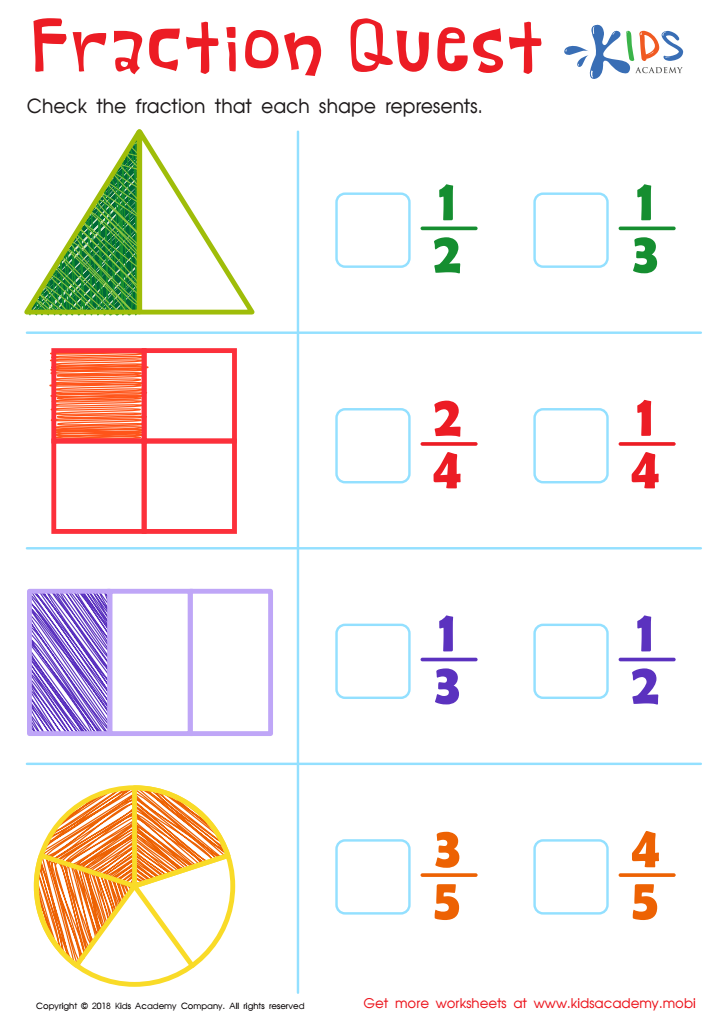
Fraction Quest Worksheet
 Assign to My Students
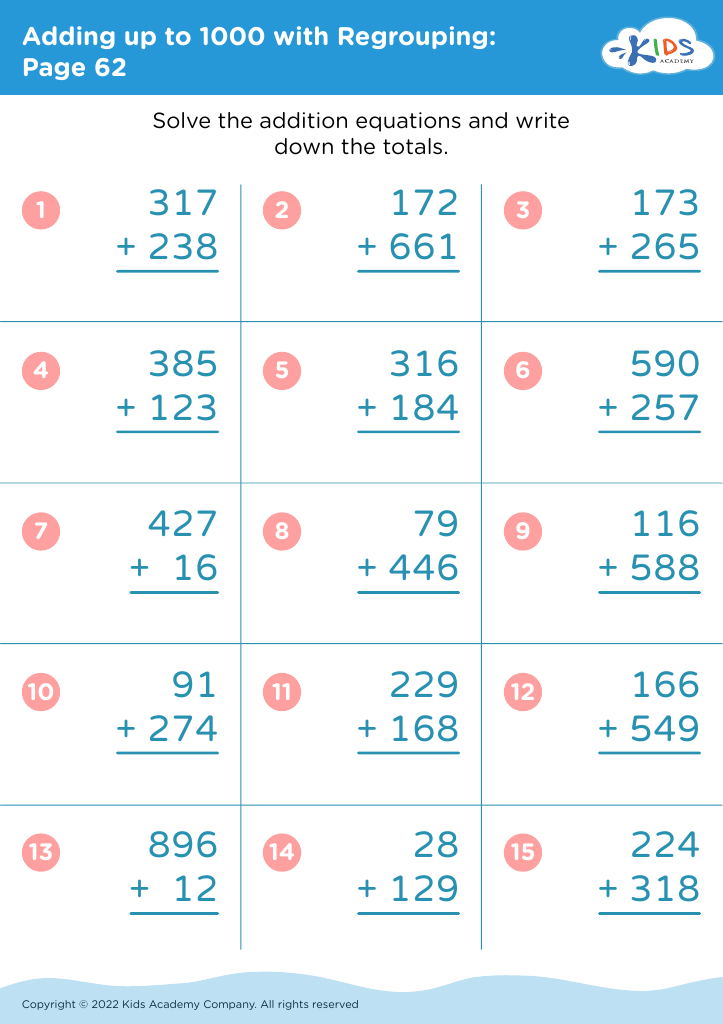
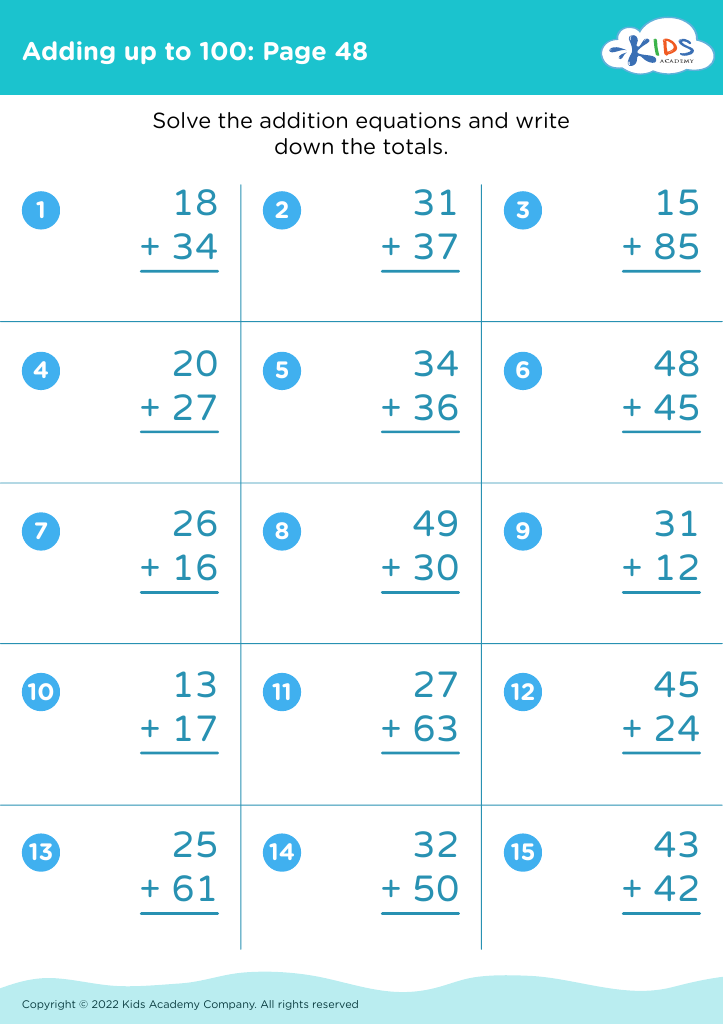
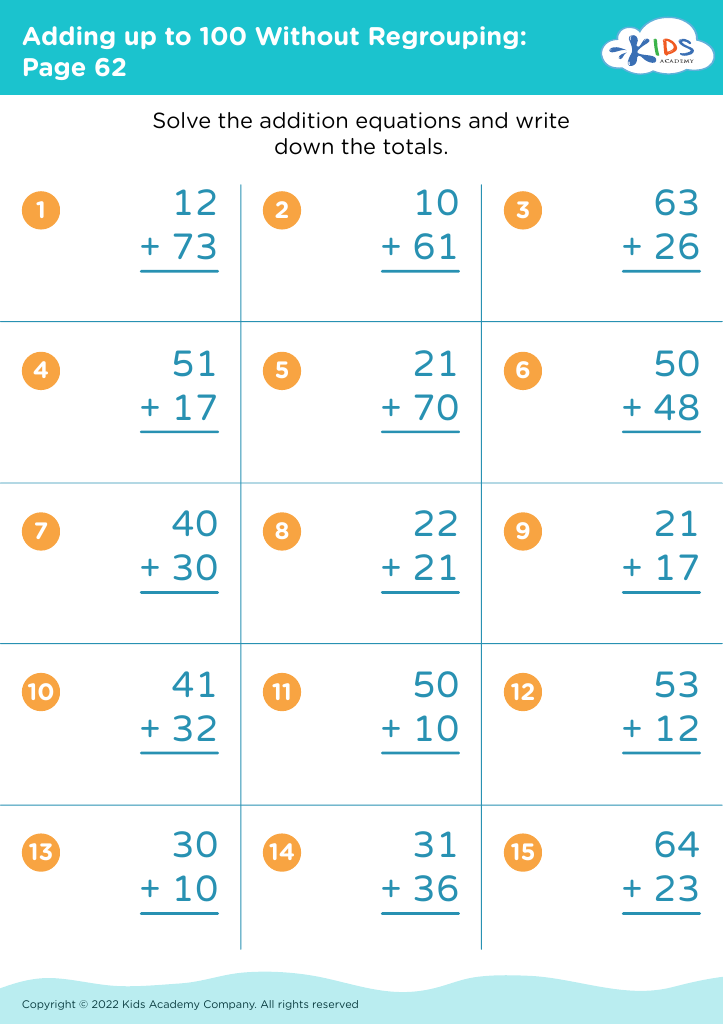







Identifying fractions is a crucial math concept for children ages 6-8, laying a foundational understanding for future mathematical learning. During this developmental stage, children are naturally curious and eager to explore new ideas, making it an opportune time to introduce fractions. Parents and teachers should consider that understanding fractions fosters critical thinking skills; children learn to recognize parts of a whole, which enhances their problem-solving abilities.
Additionally, fractions have practical applications in everyday life, allowing children to grasp concepts such as sharing, measuring, and cooking. By mastering fractions, children develop essential skills that will help them in advanced topics such as ratios, proportions, and geometry as they progress in their education.
Furthermore, recognizing fractions builds number sense, enabling children to relate to numbers more flexibly. This identification helps them appreciate the concepts of equality, comparison, and equivalence.
Incorporating engaging activities and real-life examples can make the learning process exciting. By prioritizing fraction identification in early education, parents and teachers proudly contribute to creating confident learners who appreciate mathematics and its relevance to their lives. In essence, understanding fractions equips children with invaluable skills that benefit them both academically and personally.








