Improving math skills Math Worksheets for Ages 6-8 - Page 2
43 filtered results
-
From - To
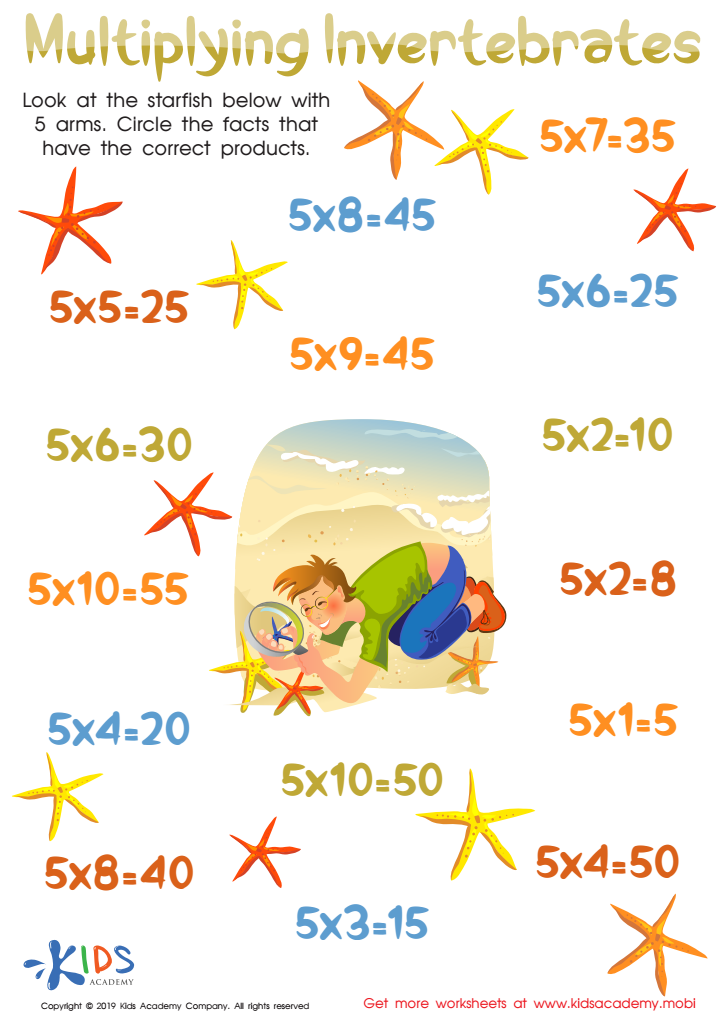
Multiplying Invertebrates Worksheet
 Assign to My Students
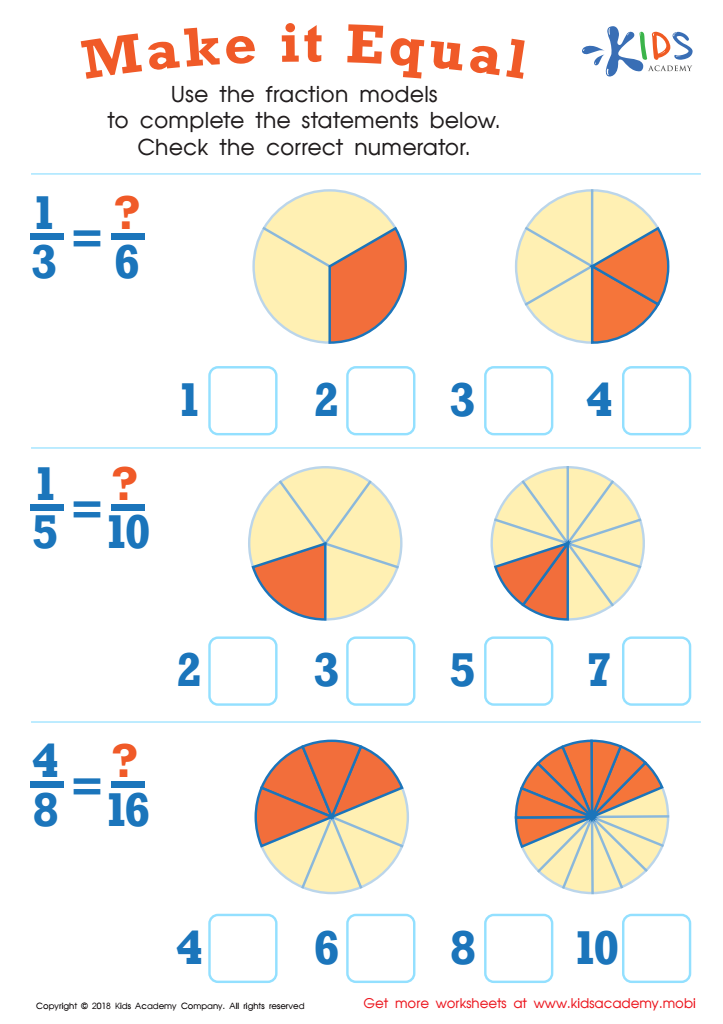
Make It Equal Worksheet
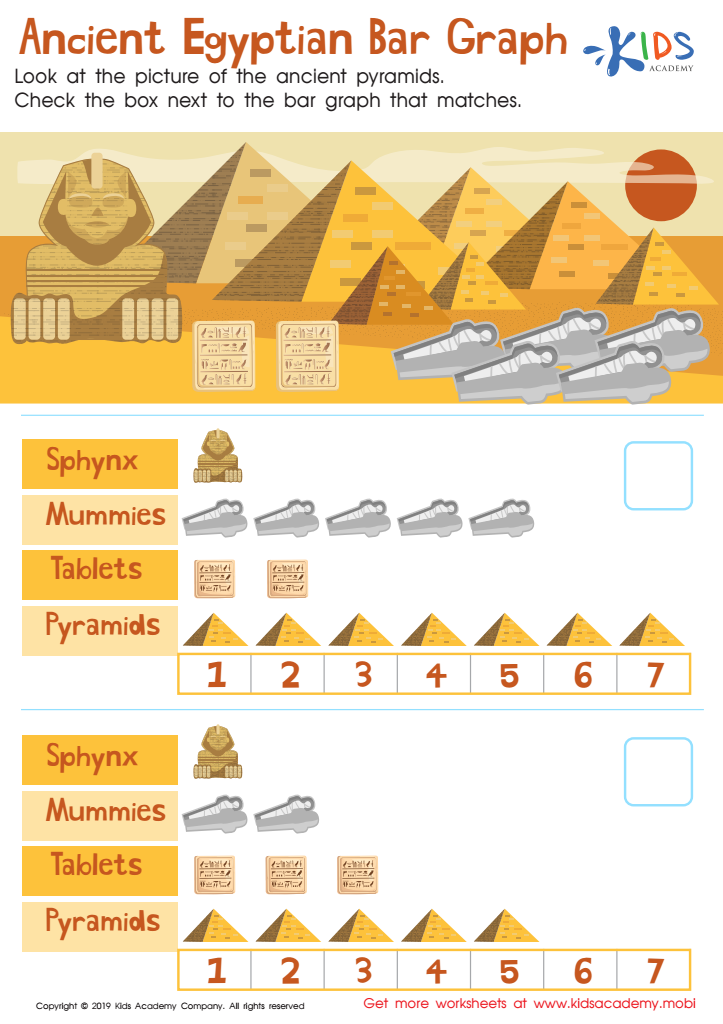
Egyptian Bar Graph Worksheet
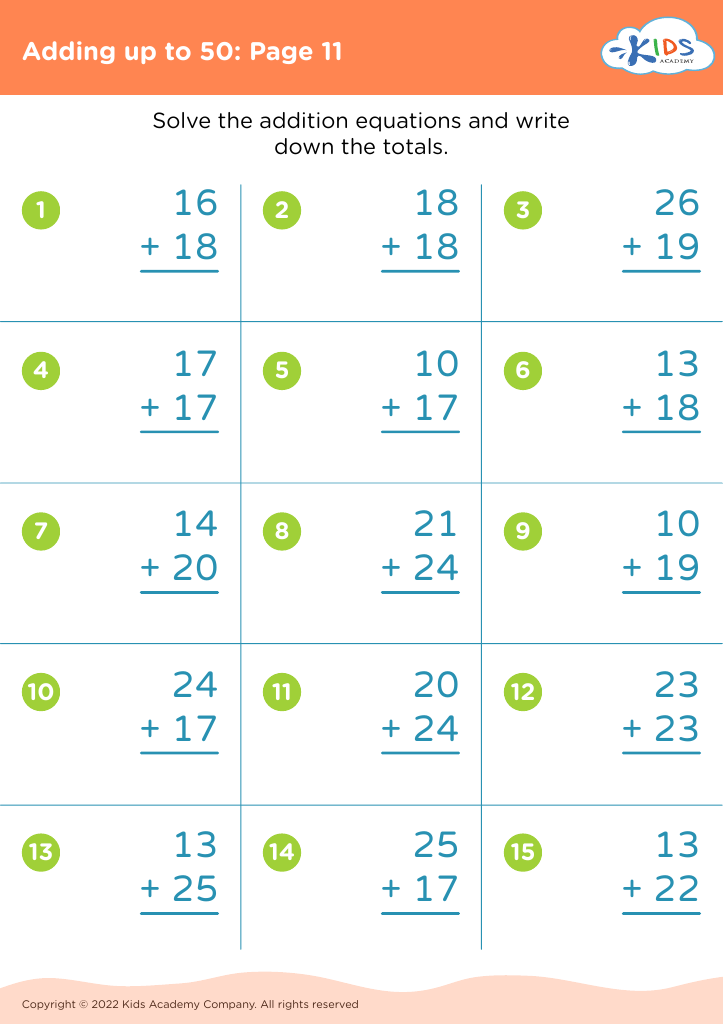
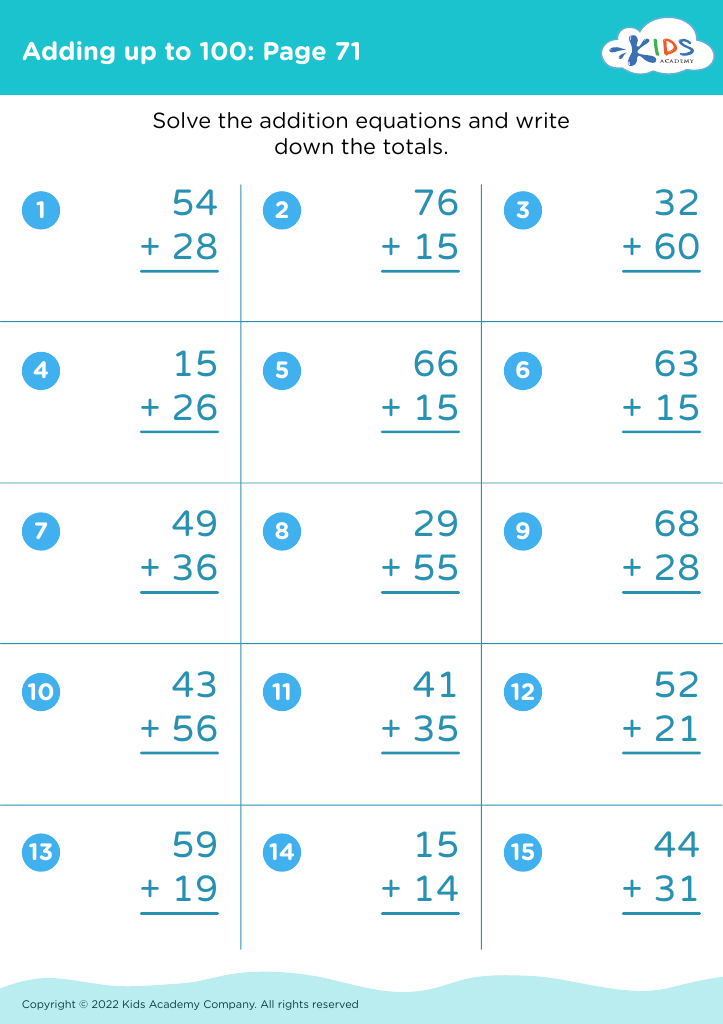
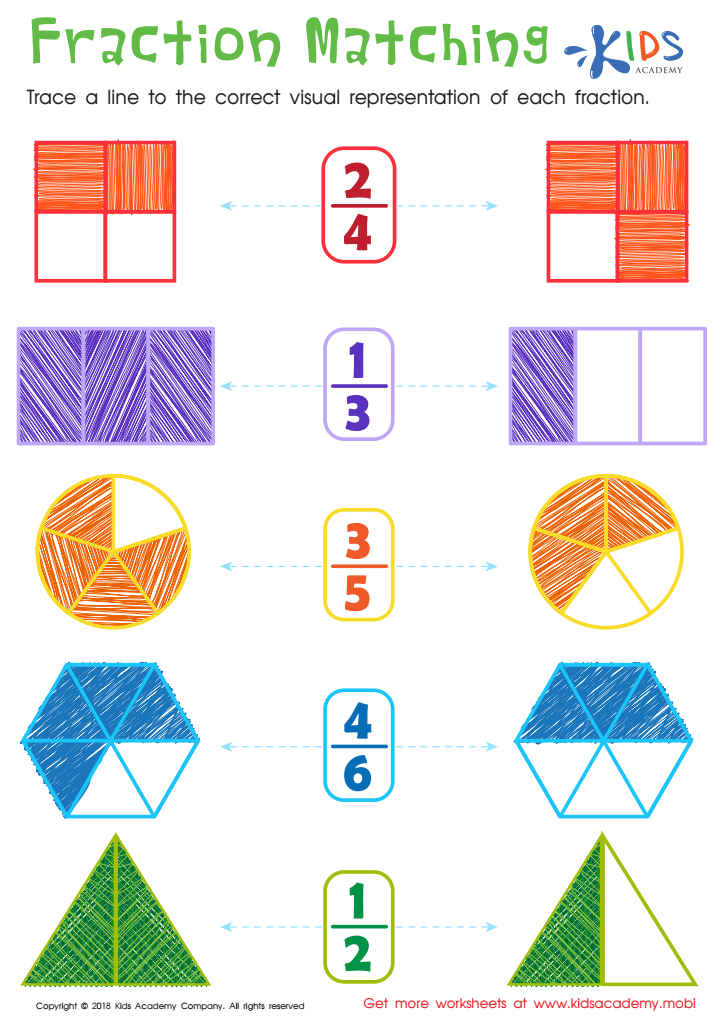
Fraction Matching Worksheet
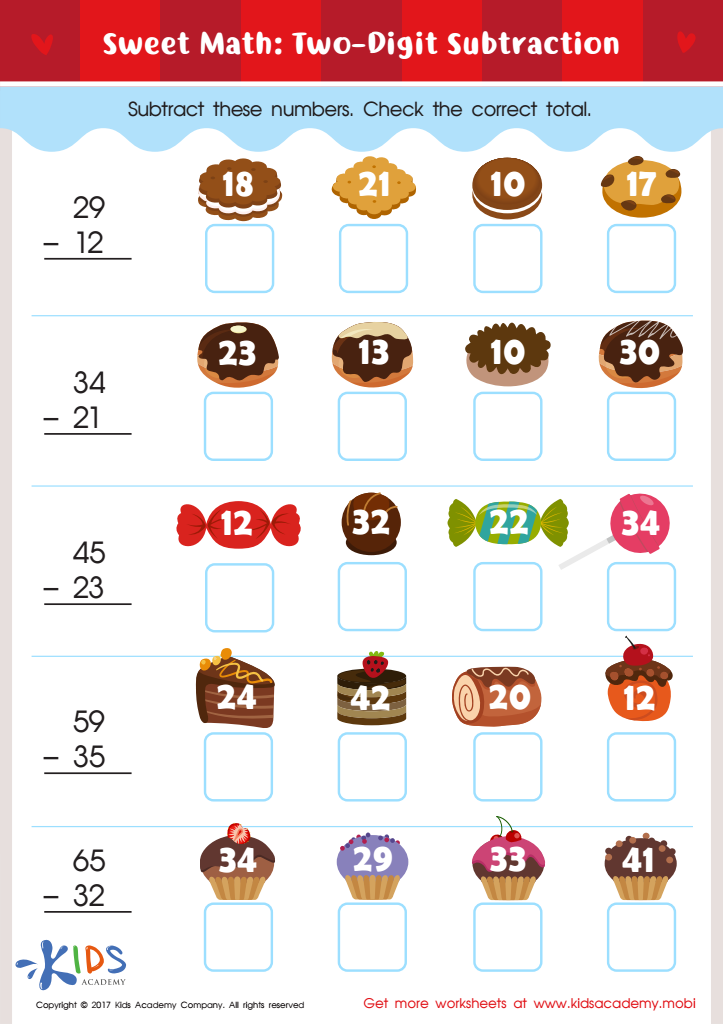
Two Digit Subtraction Worksheet
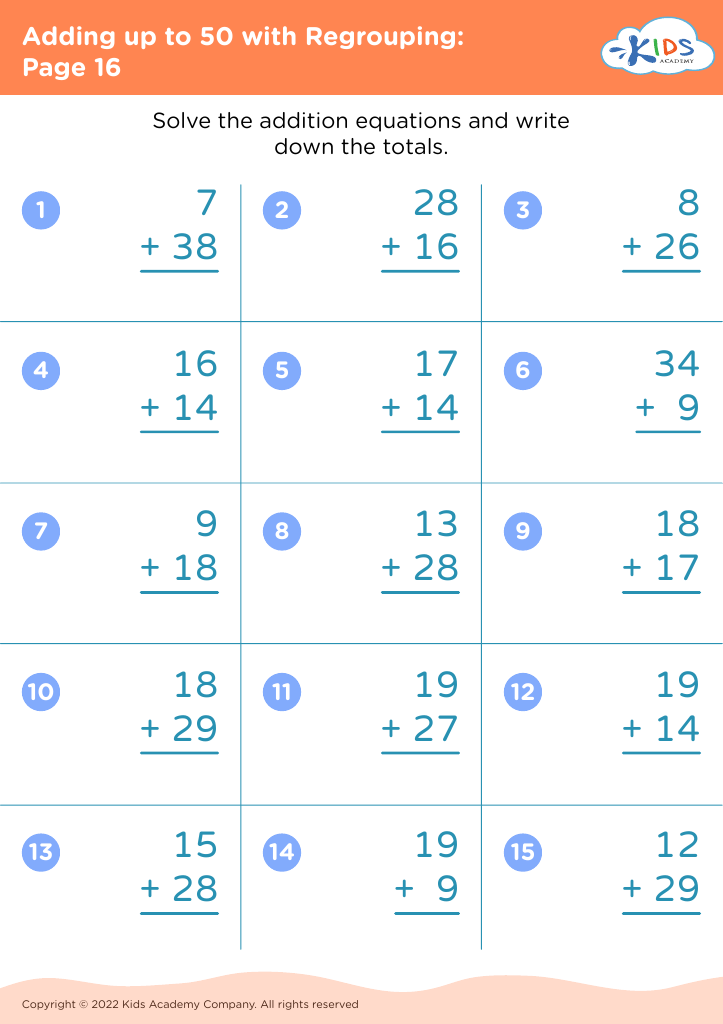
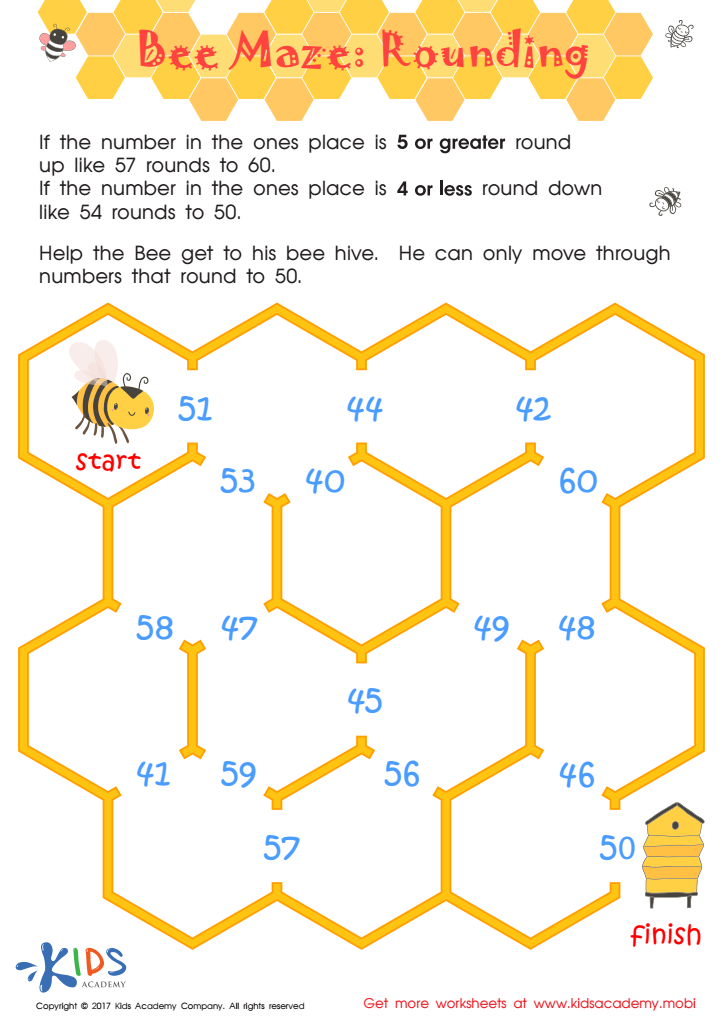
Bee Maze Worksheet
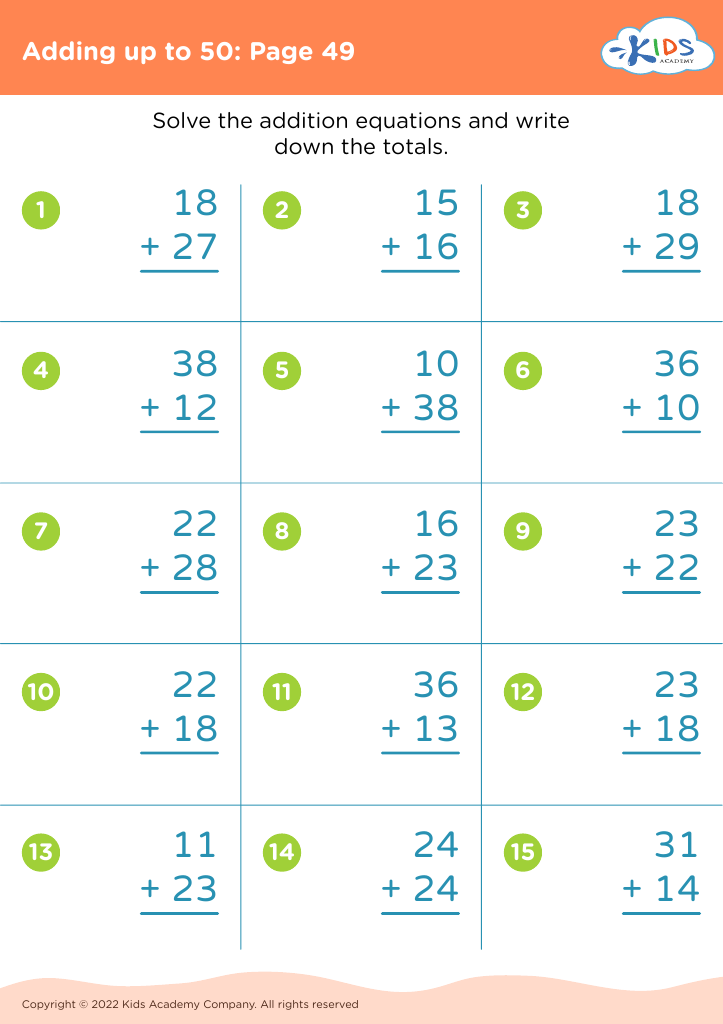
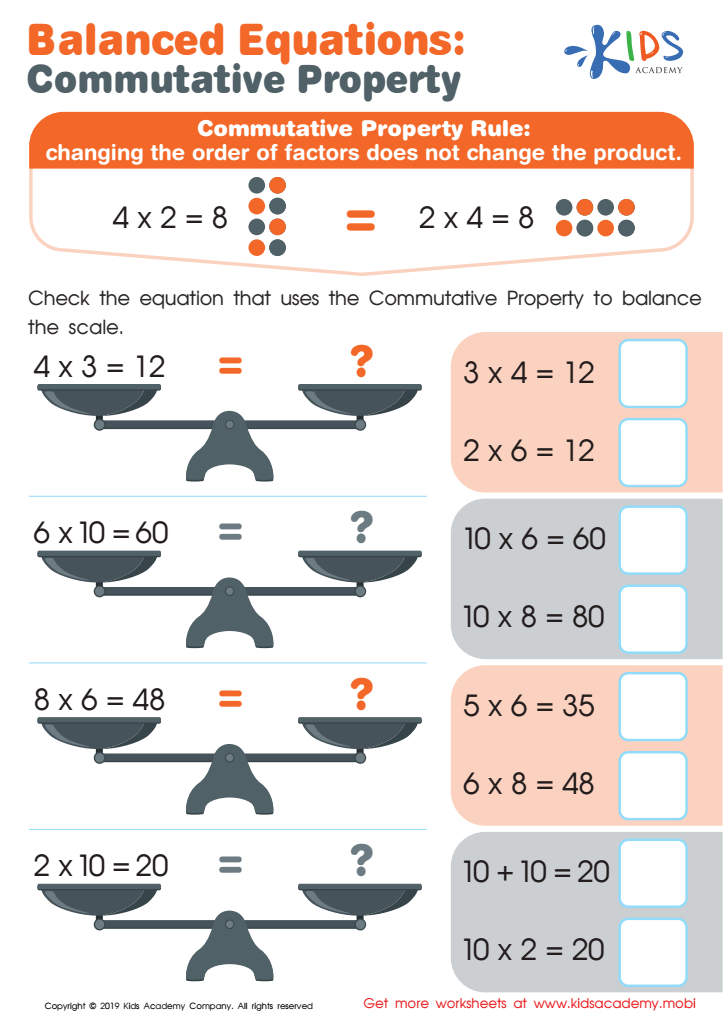
Balanced Equations: Commutative Property Worksheet
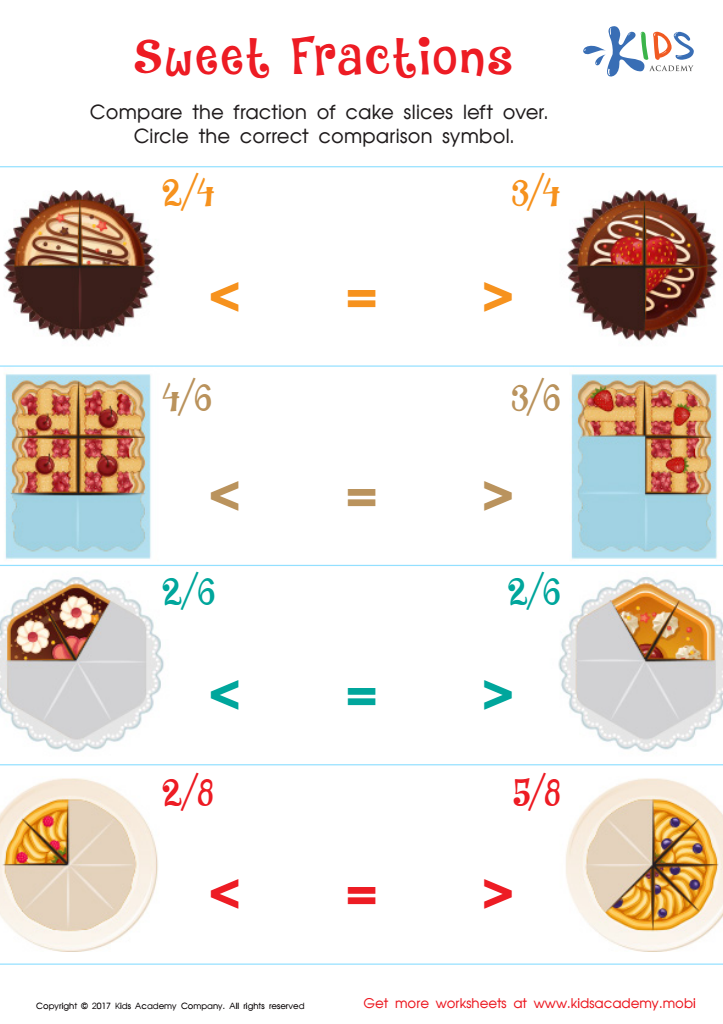
Compare Fractions Worksheet






.jpg)
Improving math skills for children aged 6-8 is crucial for several reasons. At this developmental stage, kids are highly receptive to learning new concepts, and building a strong math foundation can significantly impact their future educational success. Math skills support not just academic achievement but also practical life skills. Basic math concepts like addition, subtraction, shapes, and measurements are essential for everyday tasks such as handling money, telling time, and even cooking.
Moreover, early proficiency in math promotes logical reasoning and problem-solving capabilities, which are critical skills beyond the math classroom. Developing a positive attitude toward math at a young age can reduce anxiety and build confidence, ensuring that children are more likely to tackle more complex subjects later on.
For teachers, focusing on math skills reinforces other curricular areas and contributes to overall cognitive development. For parents, engaging in their child's math education helps foster a supportive learning environment and strengthens parent-child bonding. Collaborative efforts between teachers and parents in improving math skills can cultivate a culture of curiosity and continuous learning. Investing in math education at this early age sets children on a path to academic excellence and equips them with essential skills for life.








