Recognize shapes Math Worksheets for Ages 6-8
9 filtered results
-
From - To
Unlock the world of geometry for your young learners with our "Recognize Shapes Math Worksheets for Ages 6-8" collection. Designed to engage and educate, these printable worksheets help children identify and differentiate between various shapes. Each activity is tailored to improve their geometric understanding, fine motor skills, and critical thinking. With fun challenges and colorful designs, these worksheets are perfect for both classroom and home use, making learning shapes a delightful experience. Equip your kids with the foundational skills they need while stimulating their curiosity and love for math. Download and start exploring today!
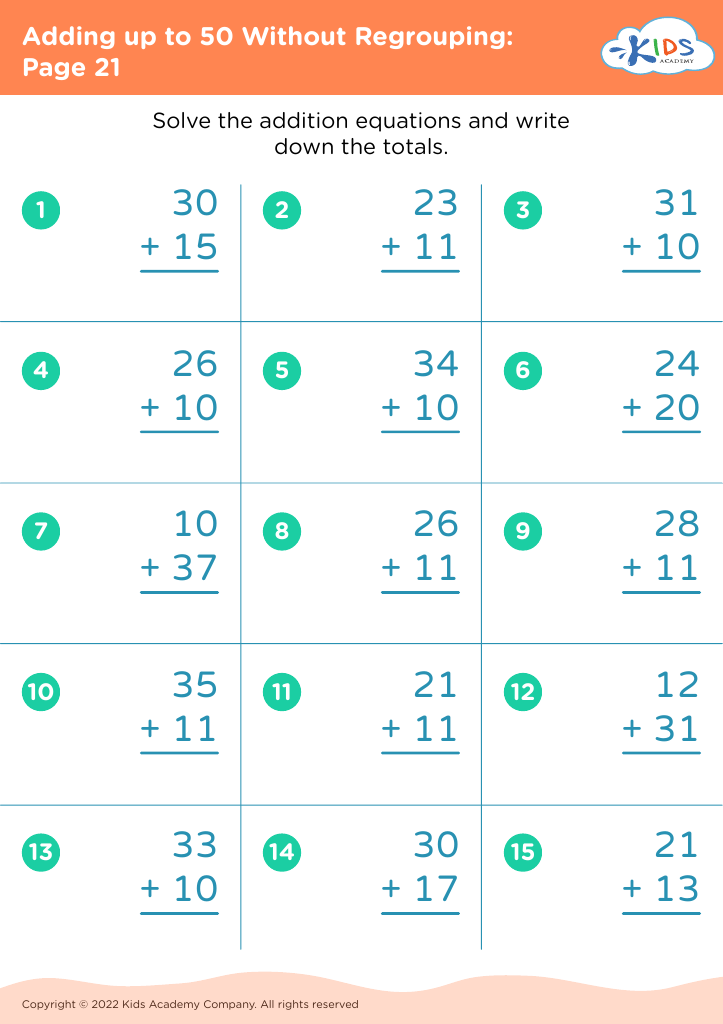
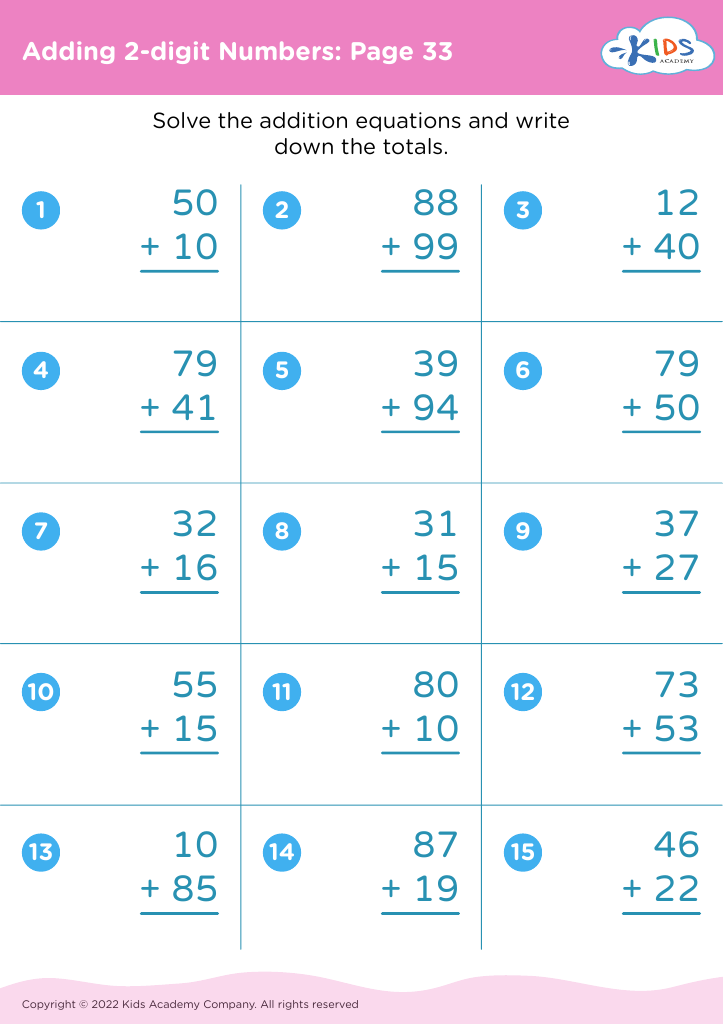
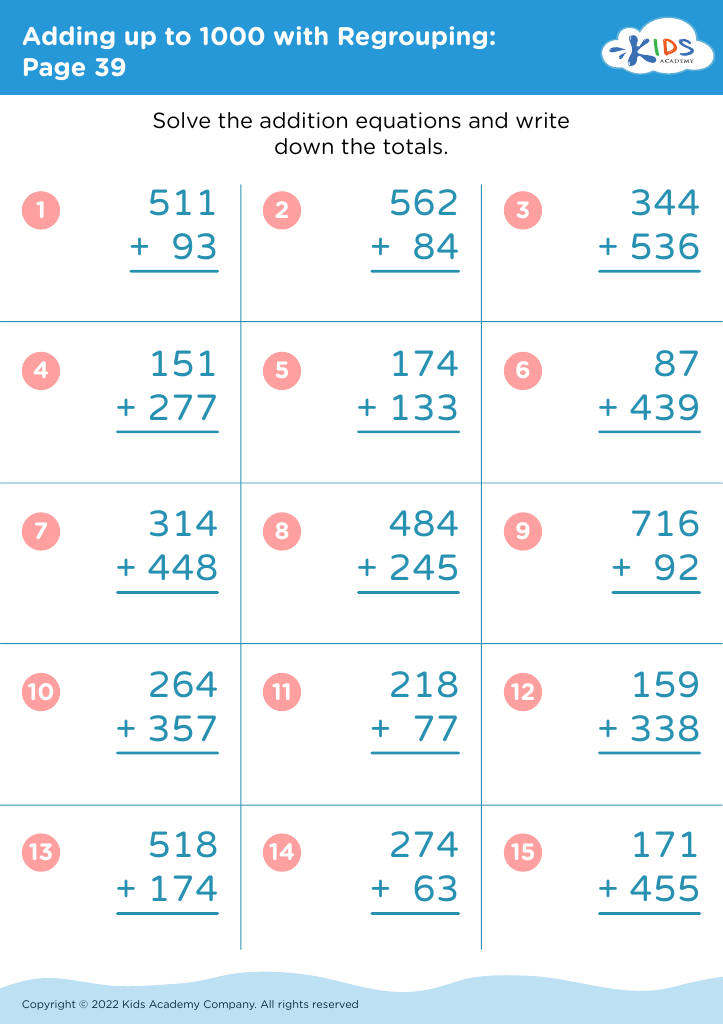
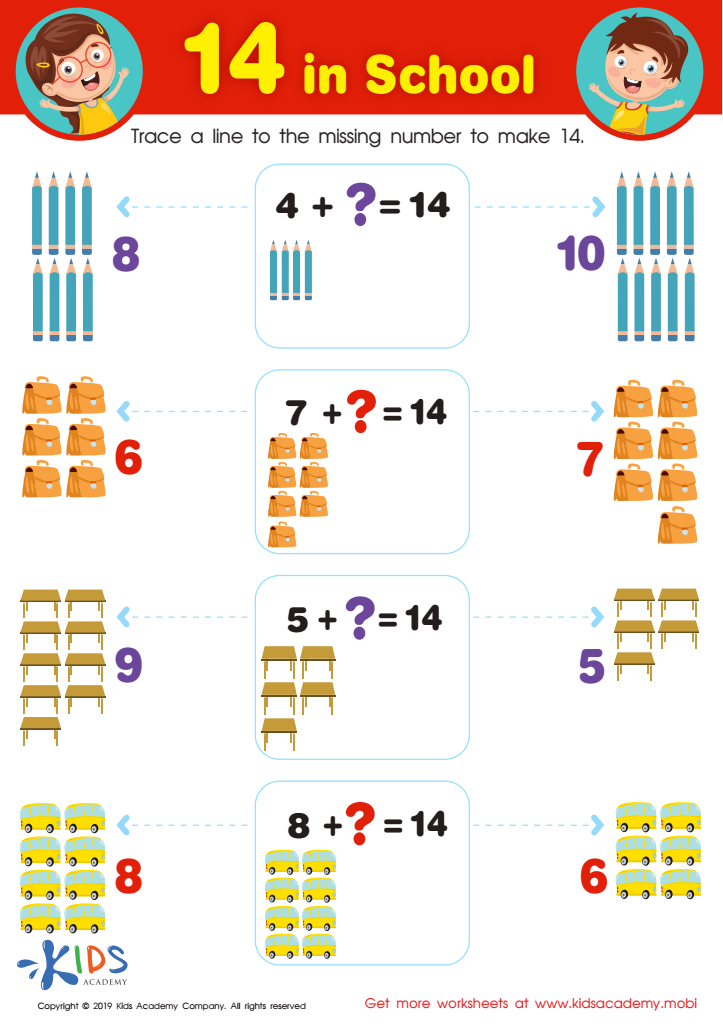
14 in School Worksheet
 Assign to My Students








Understanding shapes is crucial for children aged 6-8 because it forms the foundation for future math skills and cognitive development. Firstly, recognizing shapes is a key component of geometry, which is an essential part of the math curriculum. At this early age, children who grasp basic geometric concepts find it easier to tackle more complex topics later on, such as algebra and calculus.
Moreover, learning about shapes enhances children’s spatial awareness and reasoning abilities. This is not just beneficial for math, but also for everyday problem-solving and decision-making skills. For example, the ability to discern different shapes is vital in many real-world contexts, like reading maps, understanding graphs, and even playing sports.
Shapes recognition also feeds into developing language and vocabulary. When children describe shapes, they use positional language terms like "next to," "under," and "between," which boosts their communication skills.
On a social level, incorporating shapes in learning activities can be highly engaging. Interactive games and hands-on activities related to shapes make learning enjoyable, providing children with a sense of accomplishment and encouraging a positive attitude towards math.
Therefore, parents and teachers should prioritize shape recognition in early education to support well-rounded cognitive development, setting the stage for future academic and life skills.








