
Understand number relationships Math Worksheets for Ages 6-8
3 filtered results
Difficulty Level
Grade
Age
-
From - To
Subject
Activity
Standards
Discover our engaging "Understand Number Relationships" math worksheets designed for children aged 6-8! These interactive resources help young learners grasp essential mathematical concepts such as addition, subtraction, and number patterns. Our carefully crafted activities foster critical thinking and improve problem-solving skills while making learning enjoyable. Each worksheet encourages children to build a solid foundation in mathematics through fun exercises and creative tasks. Perfect for at-home practice or classroom use, these math worksheets promote confidence and mastery in understanding number relationships. Start your child's math journey today with our vibrant and effective materials, tailored to enhance their learning experience!
Favorites
With answer key
Interactive
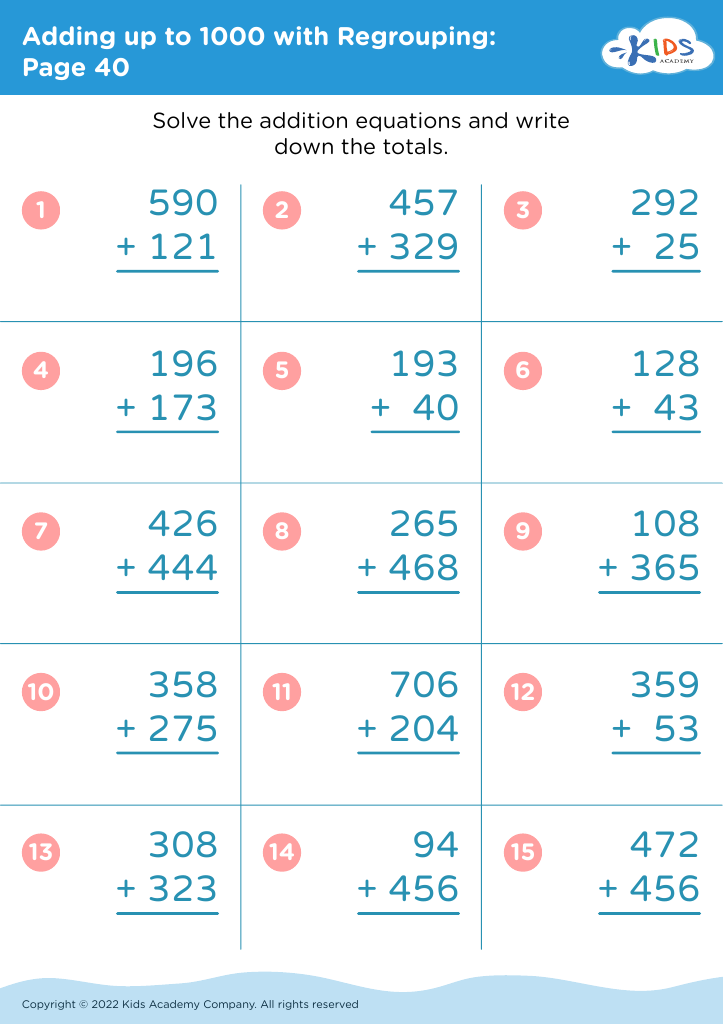
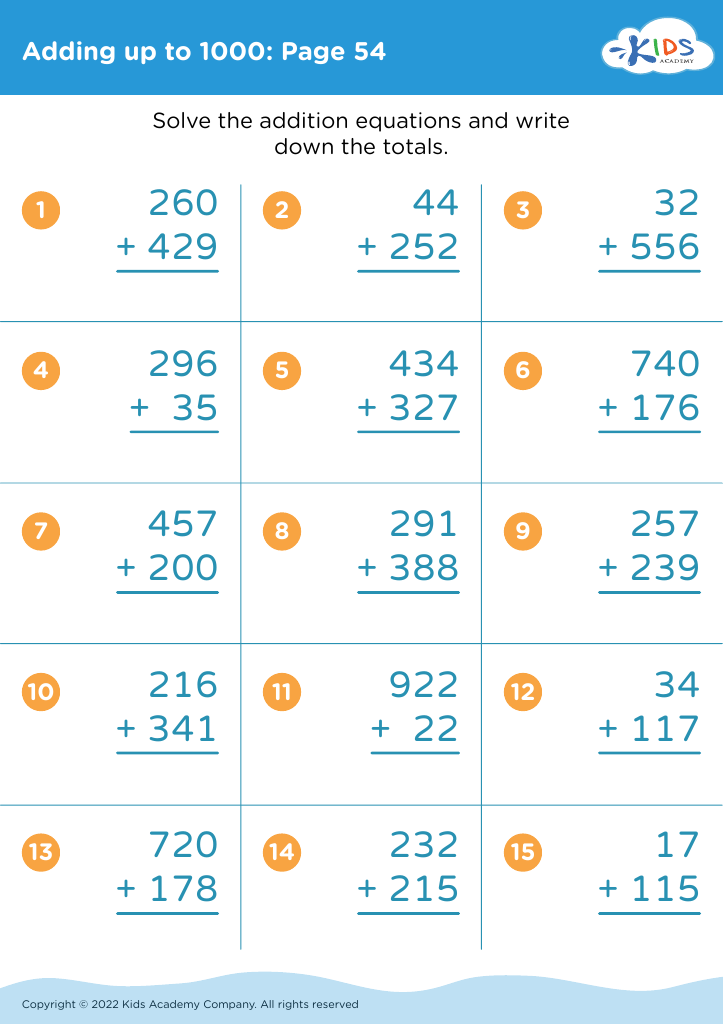
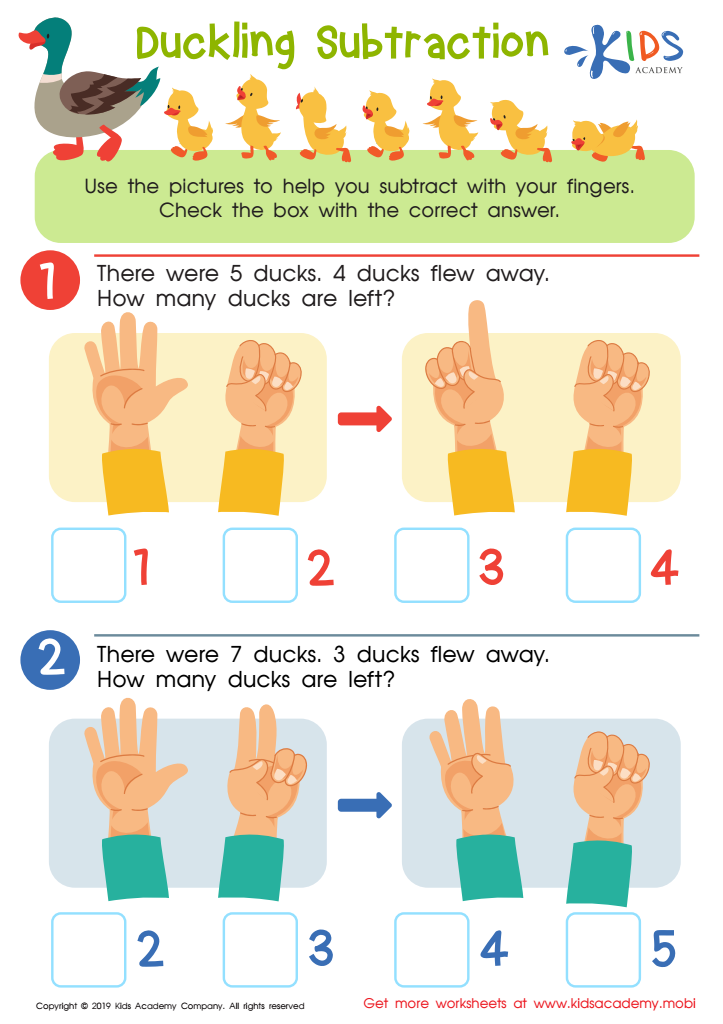
Duckling Subtraction Worksheet
Help your students learn equations and math with this fun worksheet. There are two questions to solve with the help of the pictures. Ask them to subtract with their fingers and check the box with the correct answer. This makes math easier and more enjoyable!
 Assign to My Students
Duckling Subtraction Worksheet
Worksheet
Join Kids Academy for Free
Who is primarily going to use this learning content?



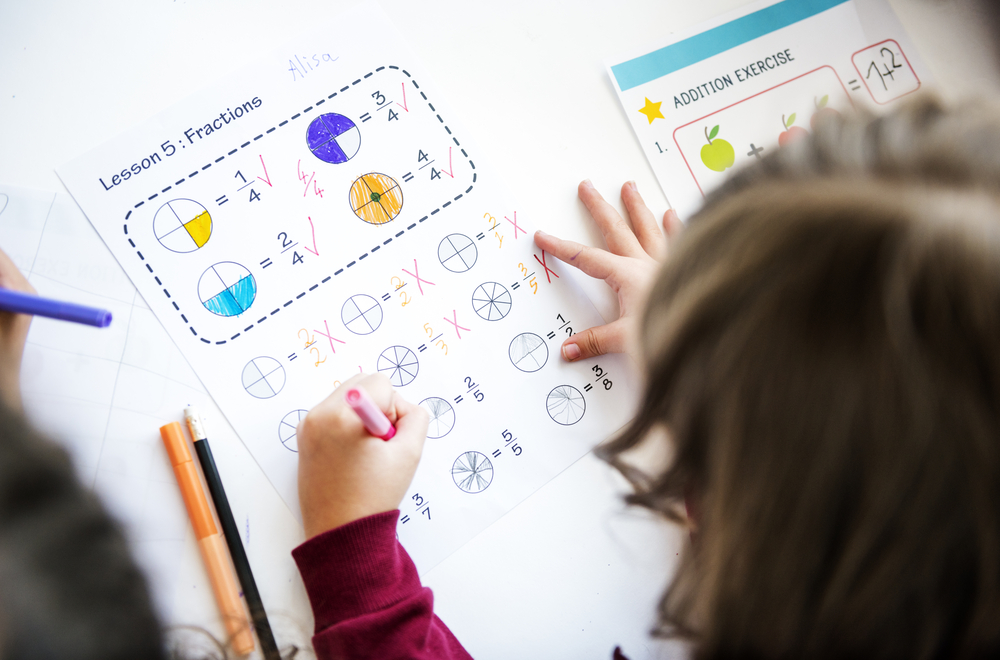


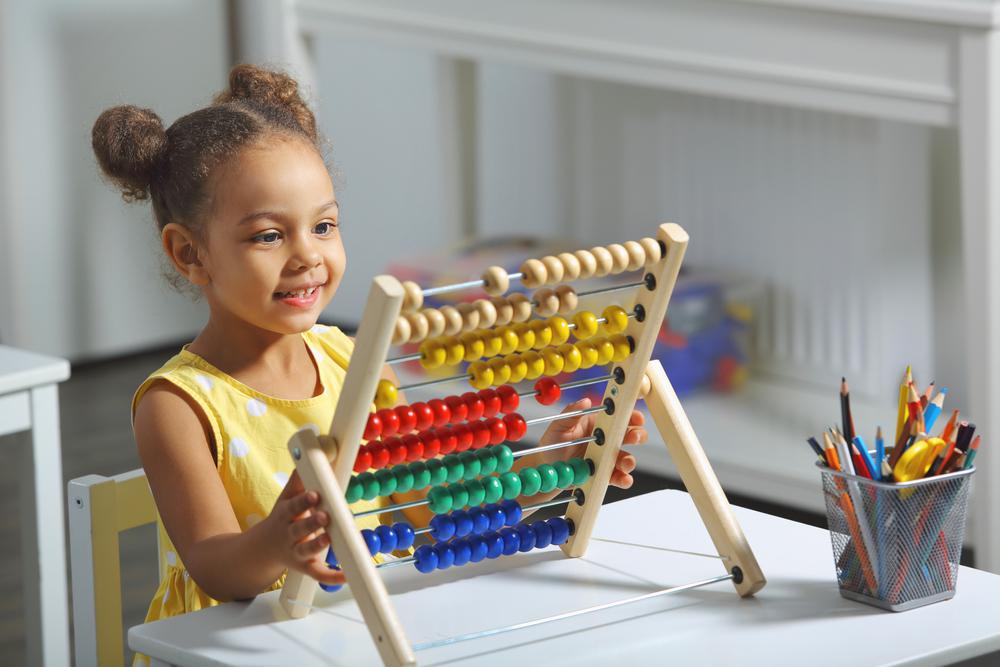

Understanding number relationships is crucial for children aged 6-8 as it lays the foundation for their future mathematical skills. At this stage, kids begin to grasp concepts like addition, subtraction, greater than, less than, and the order of numbers. By nurturing this understanding, teachers and parents help children develop crucial problem-solving and critical-thinking abilities.
When children recognize relationships between numbers, such as how numbers can regroup or change interpretation based on context, they become more flexible and confident in tackling math problems. This understanding transcends mere rote memorization of facts, encouraging students to engage with math in more meaningful ways.
Moreover, strong number relationships foster a deeper appreciation for math in everyday life—helping kids understand concepts like measuring, budgeting, and estimating. As they progress in their education, a solid foundation in number relationships becomes essential for higher math, science, and technology subjects.
Investing time to help kids understand these concepts can demystify math, reduce math anxiety, and promote a positive attitude toward learning. Ultimately, fostering these relationships equips children with the tools they need for academic success and life skills that extend far beyond the classroom.








