
Understand sequences Math Worksheets for Ages 6-8
5 filtered results
Difficulty Level
Grade
Age
-
From - To
Subject
Activity
Standards
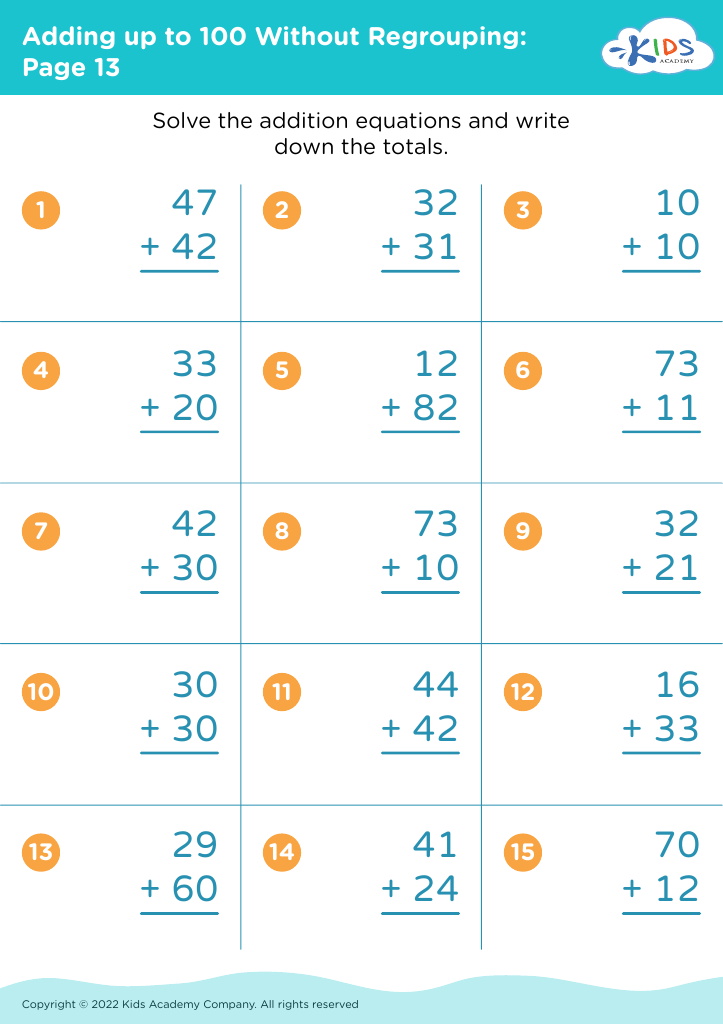
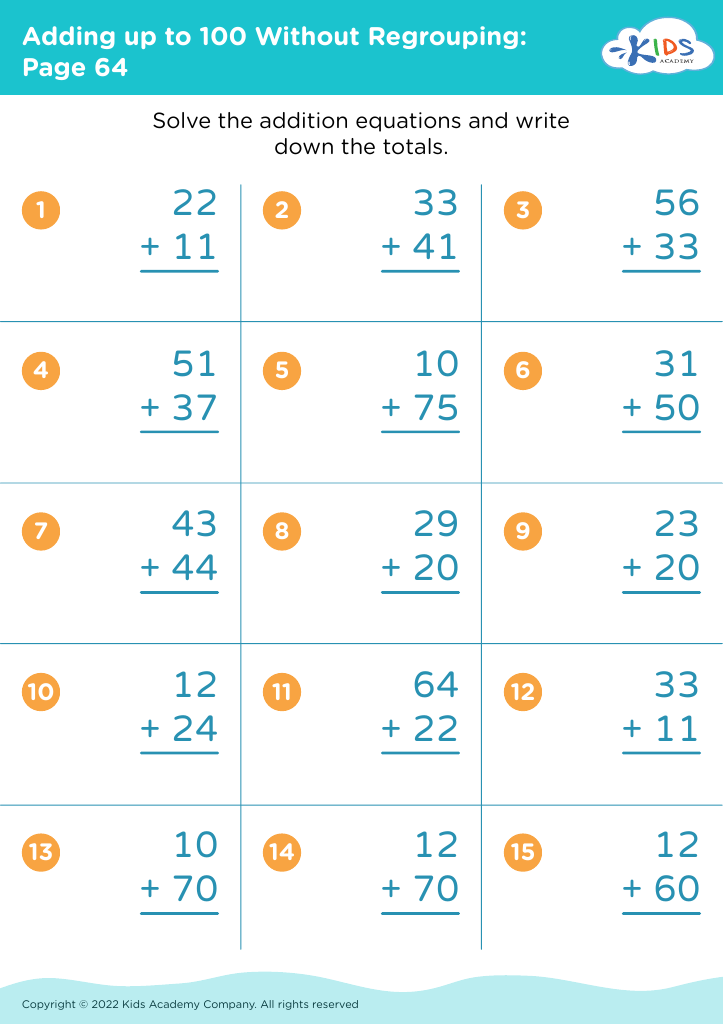
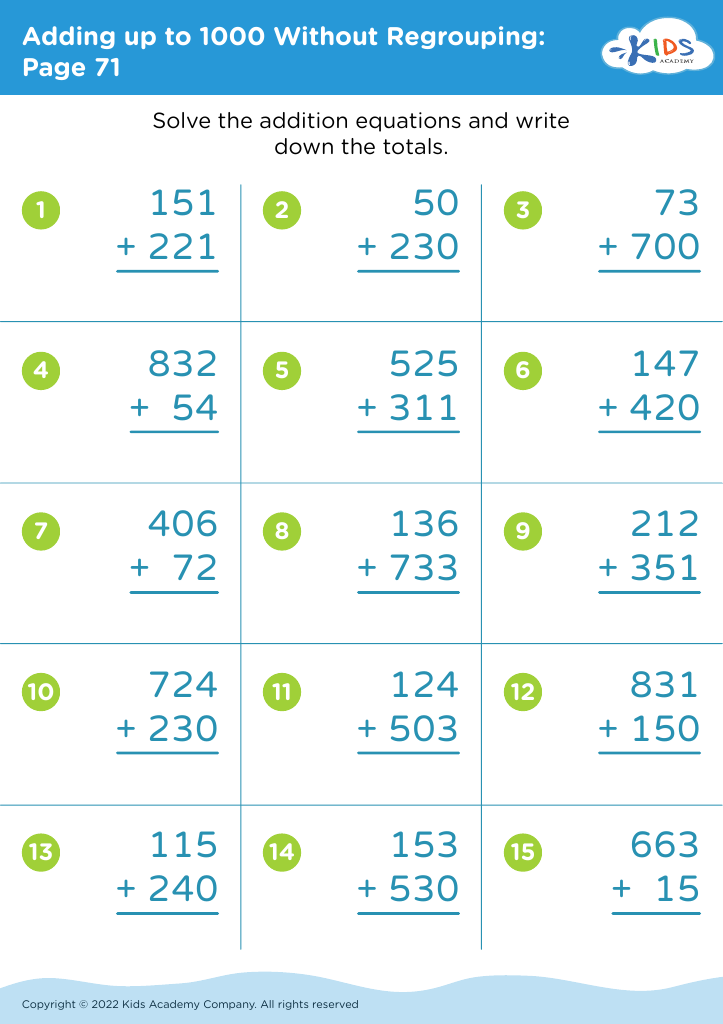
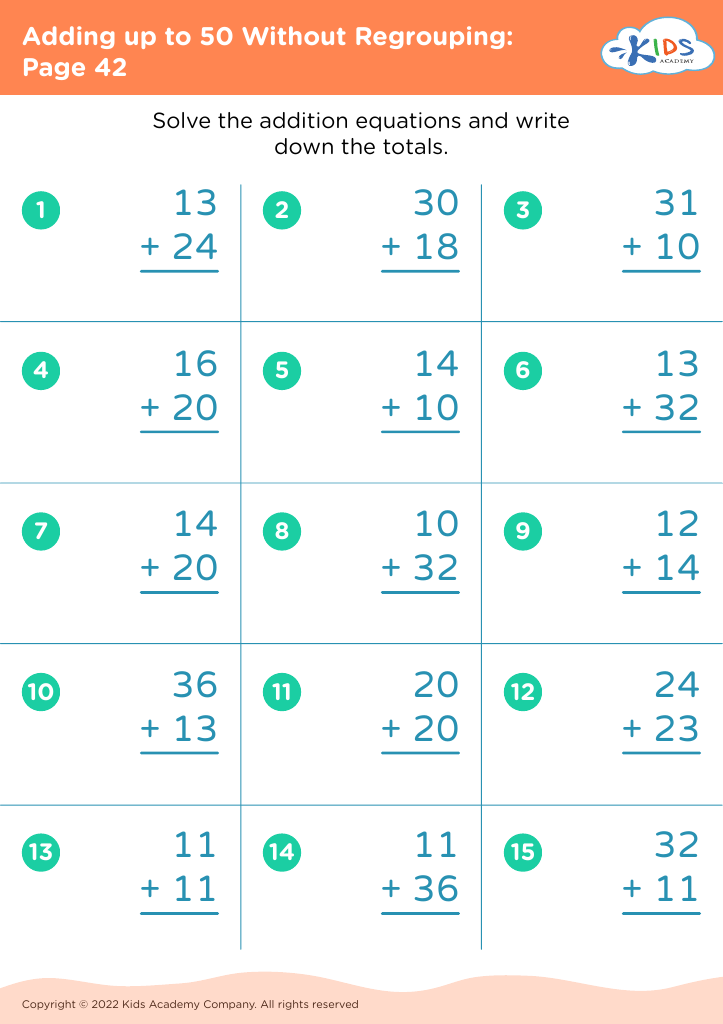
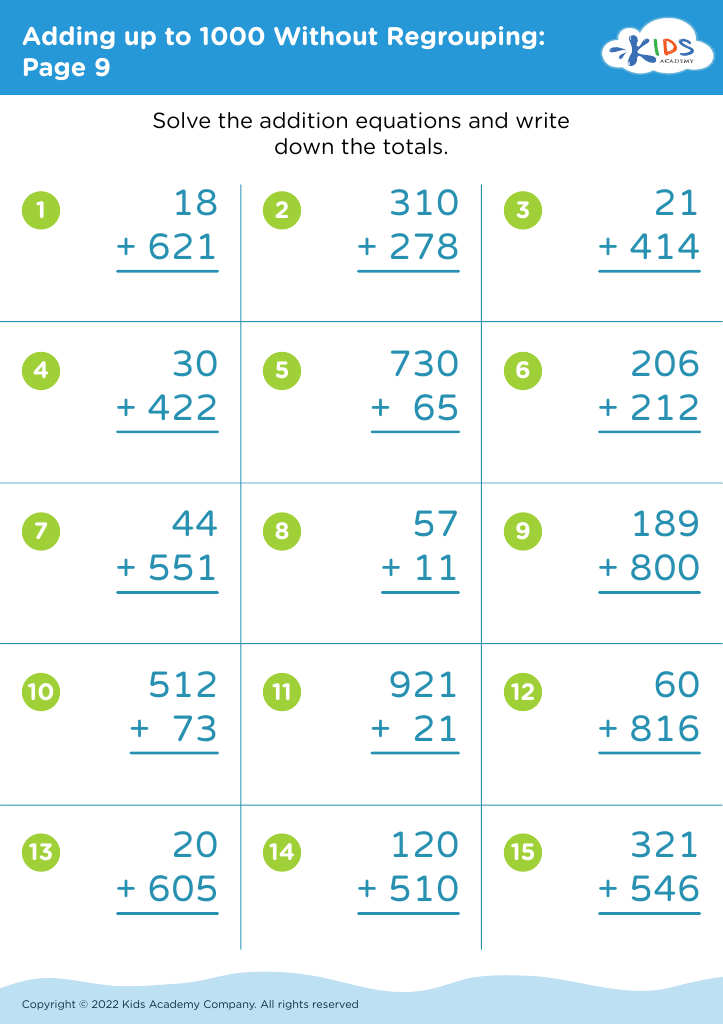
Discover our engaging "Understand Sequences Math Worksheets" designed specifically for ages 6-8! These worksheets help young learners grasp the concept of sequences through fun and interactive exercises. By exploring patterns and order, children will develop essential math skills that form the foundation for future academic success. Each worksheet offers a variety of challenges, from filling in missing elements to identifying patterns in numbers and shapes. With visually appealing designs and age-appropriate content, these resources make learning about sequences enjoyable and effective. Support your child's math journey today by enhancing their understanding of sequences with our thoughtfully crafted worksheets!
Favorites
With answer key
Interactive
Join Kids Academy for Free
Who is primarily going to use this learning content?








Understanding sequences in math for children aged 6-8 is fundamental for several reasons. First, sequences form the basis for more complex mathematical concepts such as patterns, addition, subtraction, and eventually even algebra. Recognizing and understanding patterns helps children develop critical thinking skills and improve logical reasoning, which are vital in everyday problem-solving.
Additionally, learning about sequences encourages children to observe relationships among numbers, making them more numerically literate. This skill is essential beyond the classroom, as it fosters an analytical mindset that aids them in making sense of the world around them.
Moreover, math is cumulative, meaning concepts build upon one another. Mastery of sequences sets the stage for understanding later subjects such as fractions and multiplication, ultimately influencing their success in advanced math.
Finally, engaging with sequences supports various learning styles and can be incorporated into fun activities, making math enjoyable. When parents or teachers facilitate learning about sequences, they not only help foster a positive attitude towards math but also lay a strong academic foundation for future learning, empowering students to become confident and competent in their mathematical abilities.








