Understanding directions Math Worksheets for Ages 6-8
7 filtered results
-
From - To
Enhance your child's math skills with our "Understanding Directions" worksheets designed specifically for ages 6-8. These engaging and interactive resources help young learners grasp essential concepts such as following instructions and interpreting directional cues. With a variety of fun exercises, including word problems and puzzles, children will develop critical thinking skills while improving their ability to comprehend and execute directions in math. Our thoughtfully created worksheets aim to build confidence and foster a love for learning by making math exciting and accessible. Explore our collection today and watch your child thrive in their educational journey!
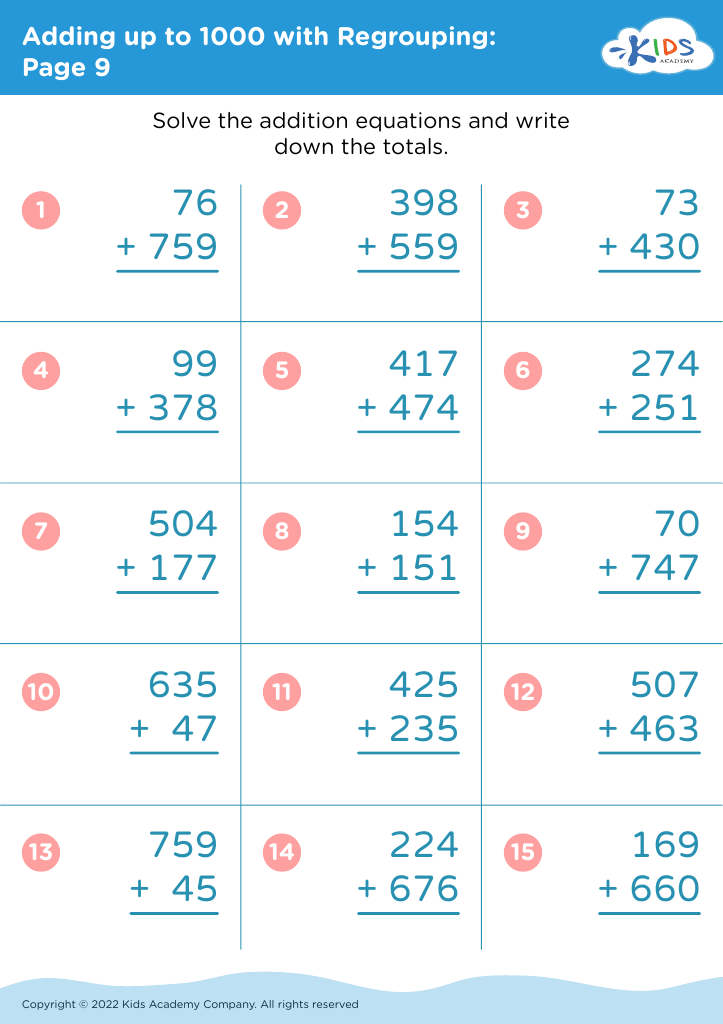
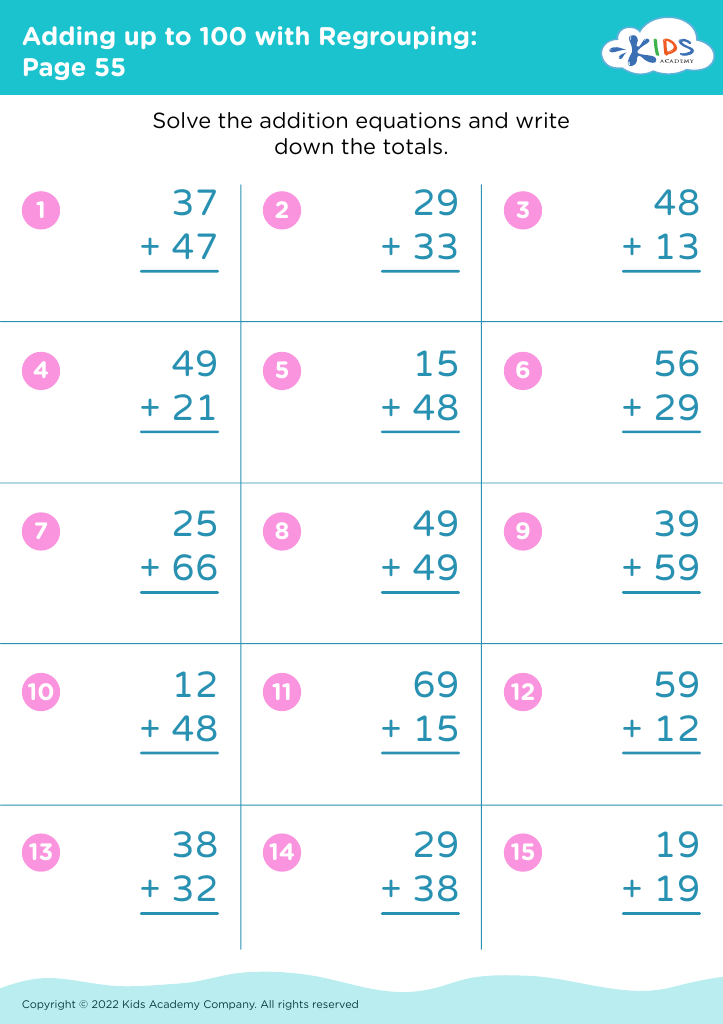
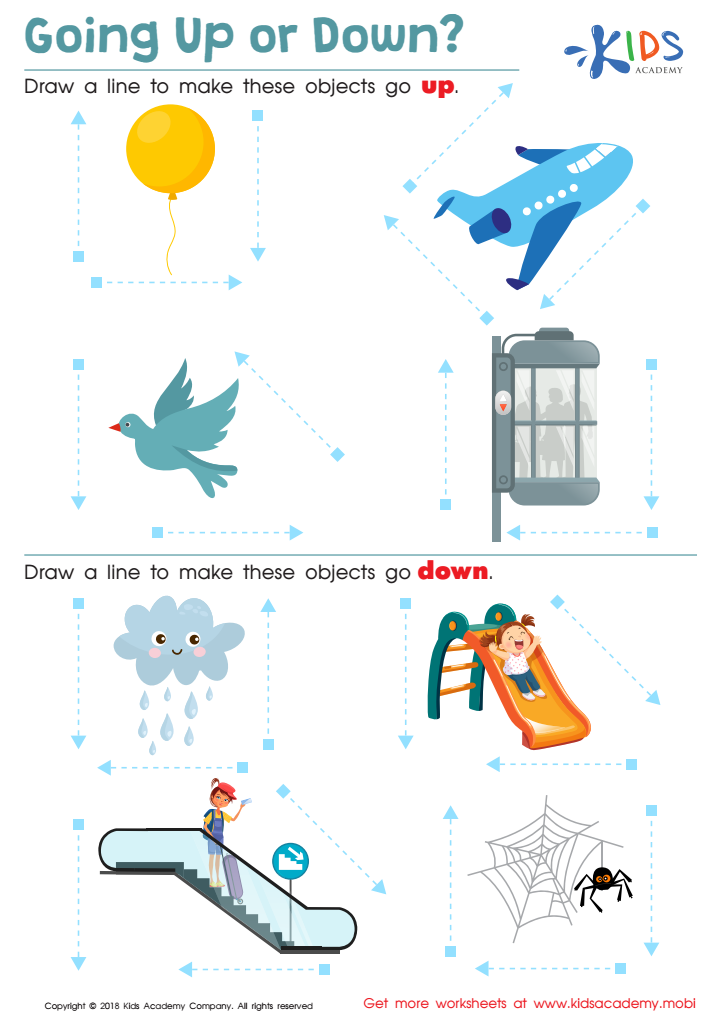
Going up or Down? Worksheet
 Assign to My Students
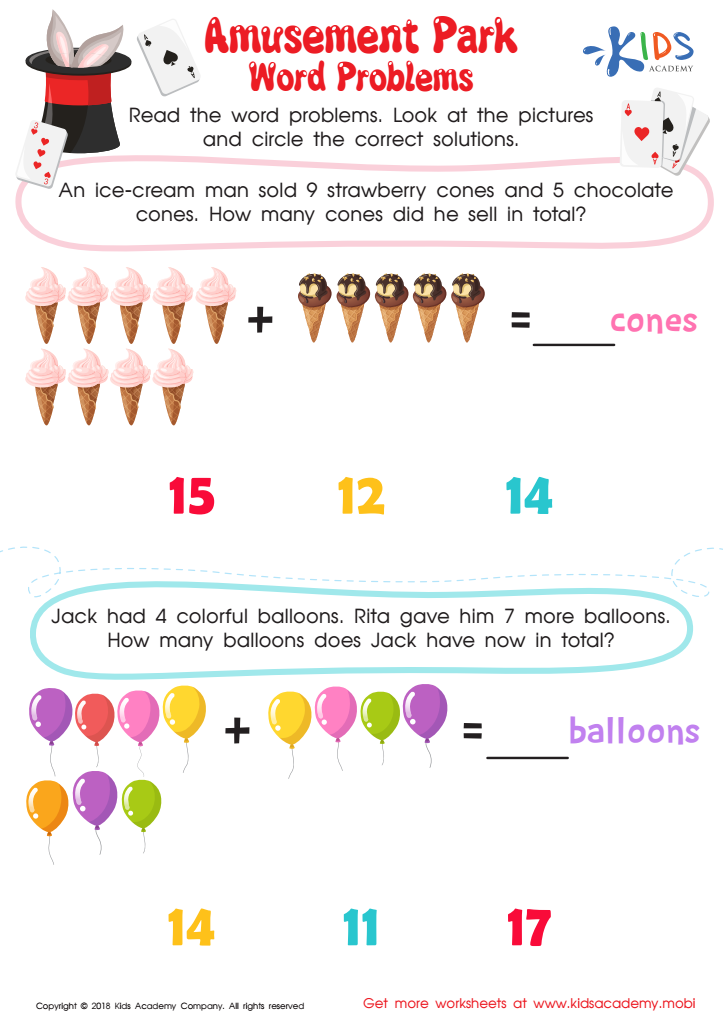
Amusement Park Word Problems Worksheet
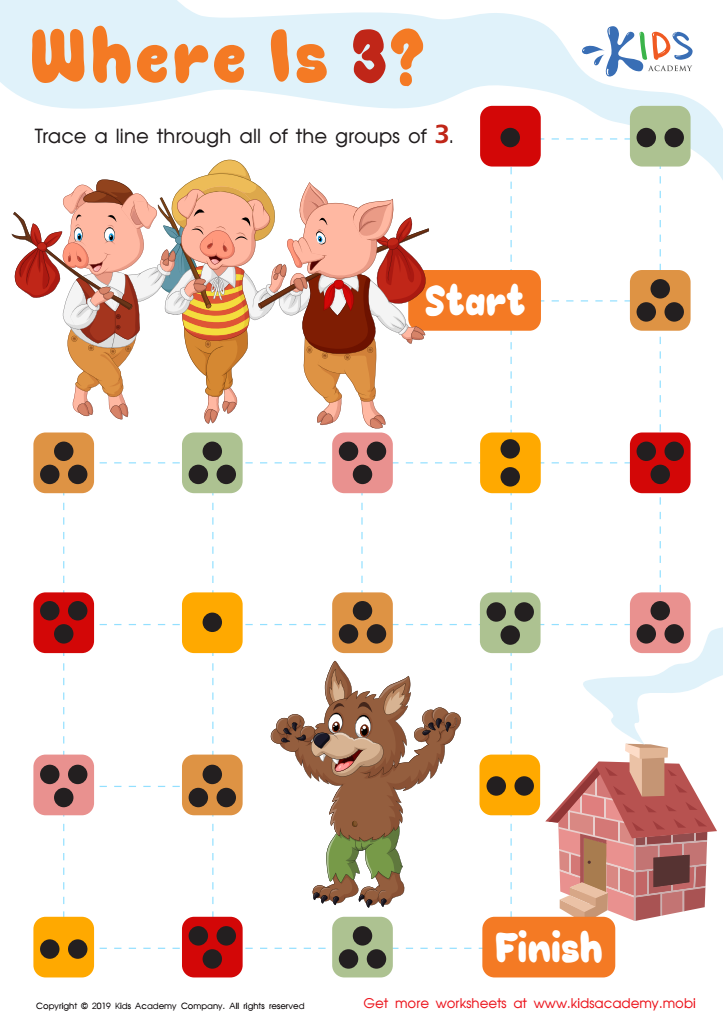
Where Is 3? Worksheet
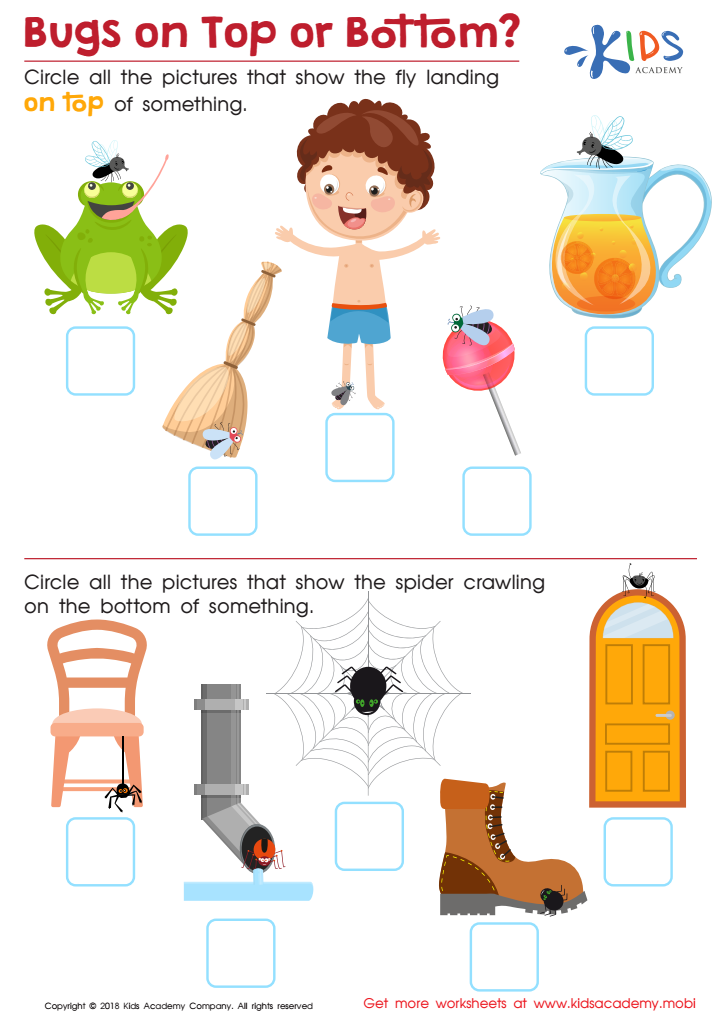
Bugs on Top or Bottom? Worksheet








Understanding directions in mathematics is crucial for children aged 6-8, as it lays the groundwork for their future learning and problem-solving skills. At this stage, children begin to grasp not just numerical values but also the concepts of sequencing, spatial awareness, and logical reasoning. When children practice understanding directions—whether through simple step-by-step instructions for solving a math problem or navigating a number line—they enhance their cognitive abilities and develop critical thinking skills.
Parents and teachers should care about this aspect because it promotes independence and confidence in learning. Mastery of following directions fosters children's ability to engage in teamwork and collaborative learning environments. Moreover, as children progress in their education, the complexity of mathematical tasks increases, so having a solid foundation in understanding directions becomes imperative.
Encouraging the practice of following instructions can also enhance literacy skills, as it involves both reading comprehension and oral communication. Additionally, this skill is transferable to real-life situations, helping children become better at navigating not just math but other academic subjects and everyday challenges. By prioritizing understanding directions, parents and teachers can instill a lifelong approach to learning and enable children to thrive academically and socially.








