
Understanding numbers Math Worksheets for Ages 6-8
3 filtered results
Difficulty Level
Grade
Age
-
From - To
Subject
Activity
Standards
"Understanding Numbers Math Worksheets for Ages 6-8" are designed to build foundational math skills in young learners. Through engaging activities, kids will learn number recognition, sequencing, and basic operations in a fun, interactive way. These printable worksheets enhance classroom learning and offer additional practice to reinforce understanding at home. Perfect for first and second graders, our educational resources encourage mastery of counting, addition, subtraction, and more. With bright visuals and enjoyable tasks, children will develop confidence in their math abilities while fostering a love for learning. Unlock your child's potential with our expertly crafted worksheets!
Favorites
With answer key
Interactive
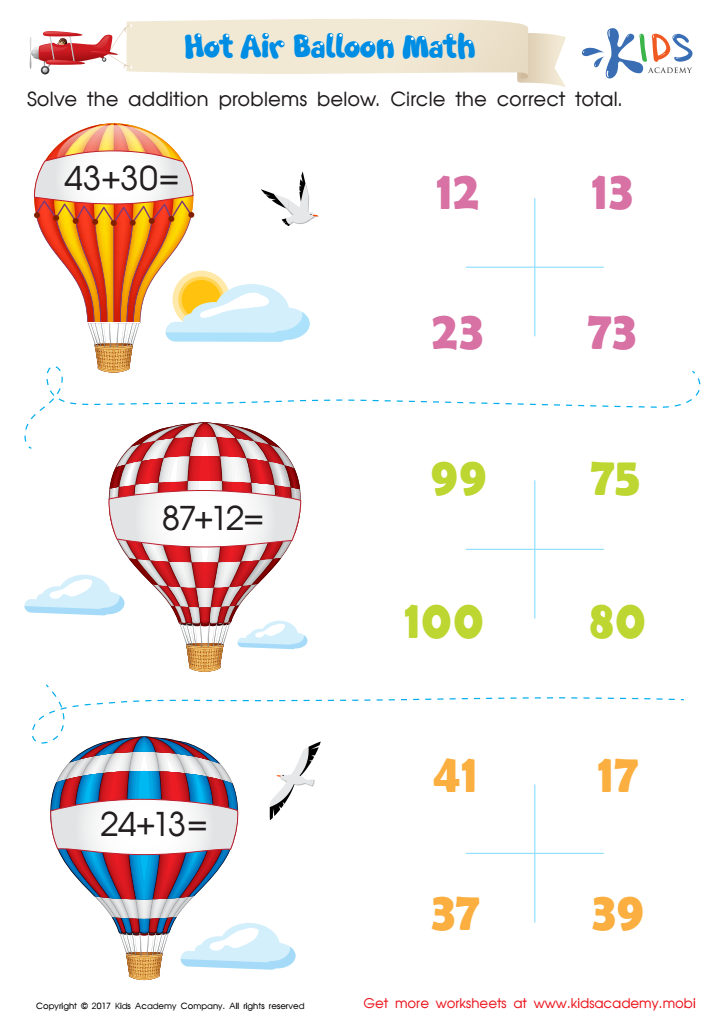
Hot Air Balloon Math Worksheet
It uses engaging pictures and a hot air balloon theme to keep your child interested, and it’s designed to build addition confidence.
 Assign to My Students
Hot Air Balloon Math Worksheet
Worksheet
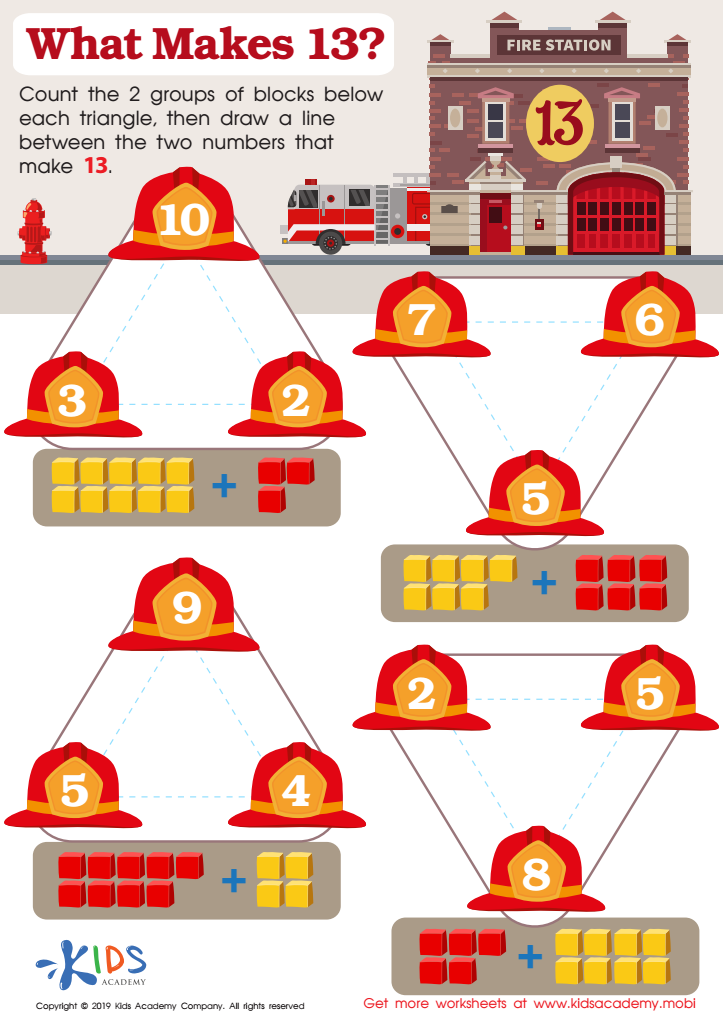
What Makes 13 Worksheet
Help your kids practice maths with this worksheet! With colourful images and simple equations, your kids will be more engaged in learning. Go through the four equations and help them add up the numbers. Then, draw a line between the numbers that make 13. Doing this will aid their learning and understanding.
What Makes 13 Worksheet
Worksheet
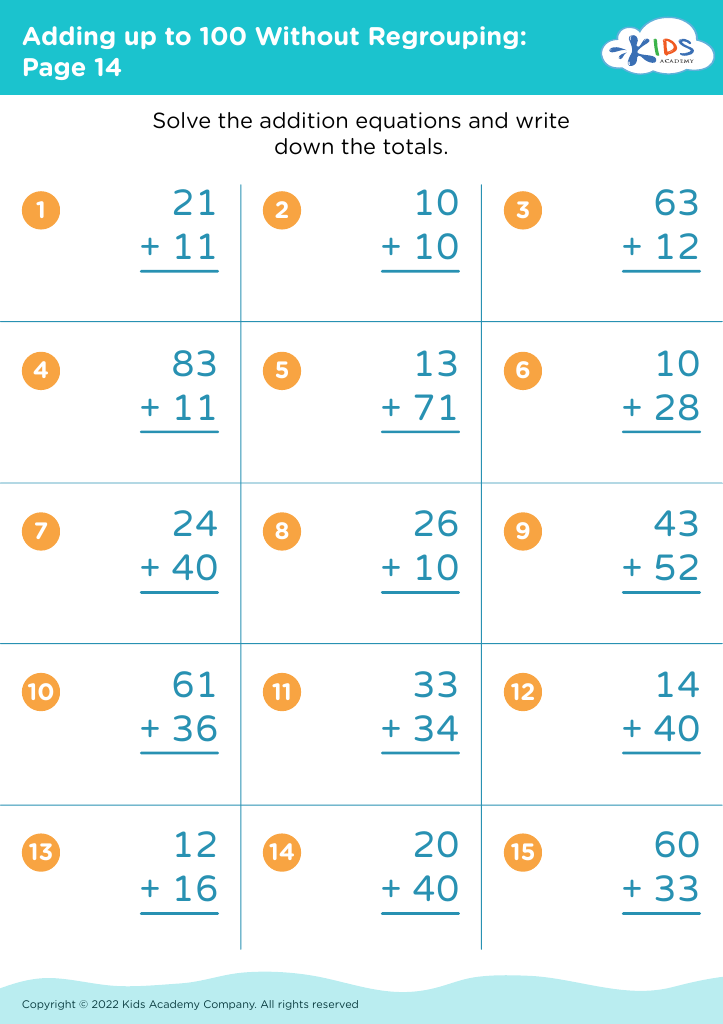
Join Kids Academy for Free
Who is primarily going to use this learning content?







Understanding numbers is a foundational skill critical for children ages 6-8, serving as the bedrock for future mathematical learning and everyday problem-solving. At this age, students transition from basic counting to grasping more complex concepts such as place value, addition, subtraction, and early multiplication. Parents and teachers play an essential role in facilitating this transition, offering support and encouragement that can significantly enhance a child's confidence and competence in math.
Comprehending numbers goes beyond academic achievement; it empowers children to succeed in various practical tasks and make sense of the world around them. For example, understanding the difference between dozens and hundreds can make grocery shopping or money management much more intuitive. A strong numerical foundation also fosters critical thinking, encouraging children to analyze patterns, make predictions, and solve problems systematically.
Additionally, early proficiency in numbers can cultivate a positive attitude toward math, counteracting anxiety and resistance. When children feel adept with numbers, they are more likely to enjoy math-related activities, making learning a positive experience rather than a chore.
Investing time and effort to support number understanding in young children is an investment in their intellectual development, equipping them with tools they will rely on throughout their educational journey and into adulthood.








