Understanding patterns Math Worksheets for Ages 6-8 - Page 3
52 filtered results
-
From - To
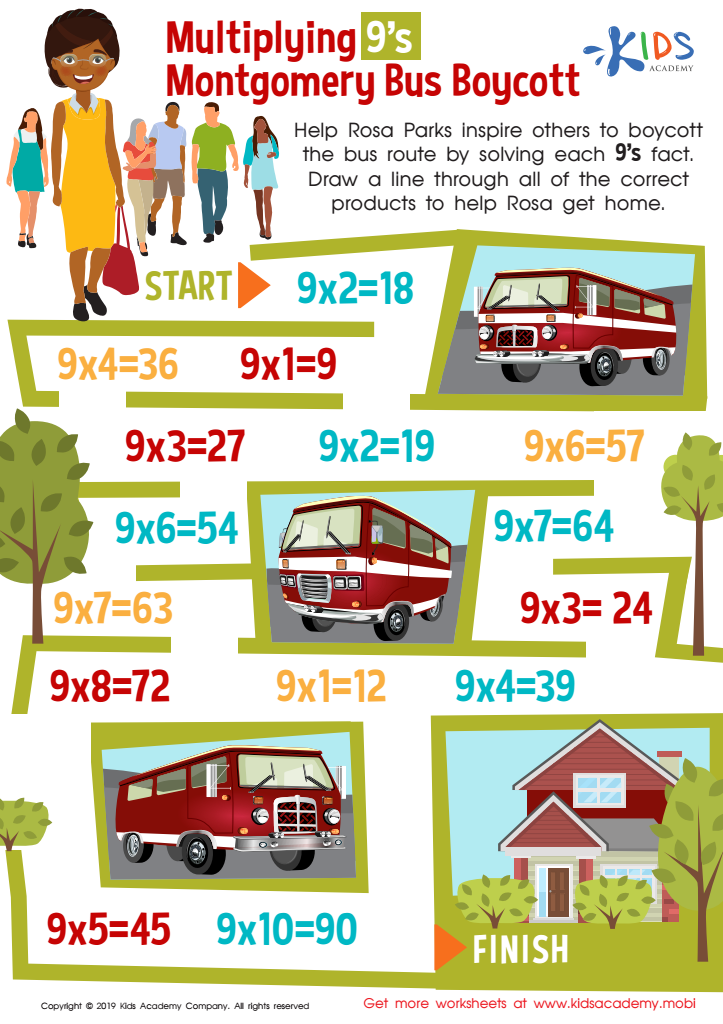
Multiplying 9’s Montgomery Bus Boycott Worksheet
 Assign to My Students
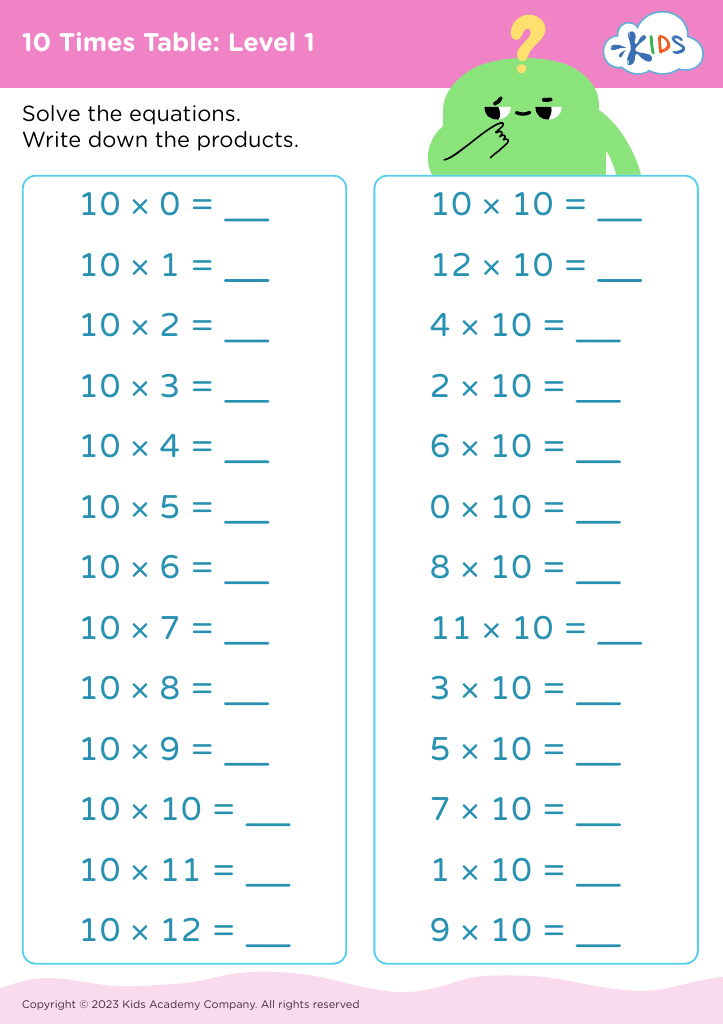
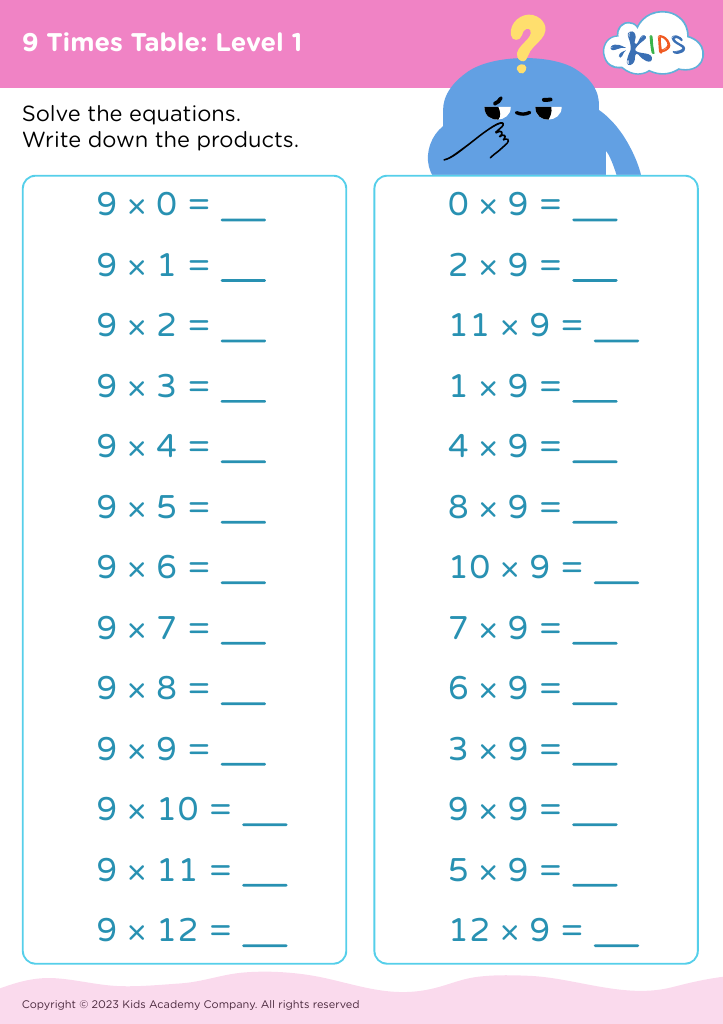
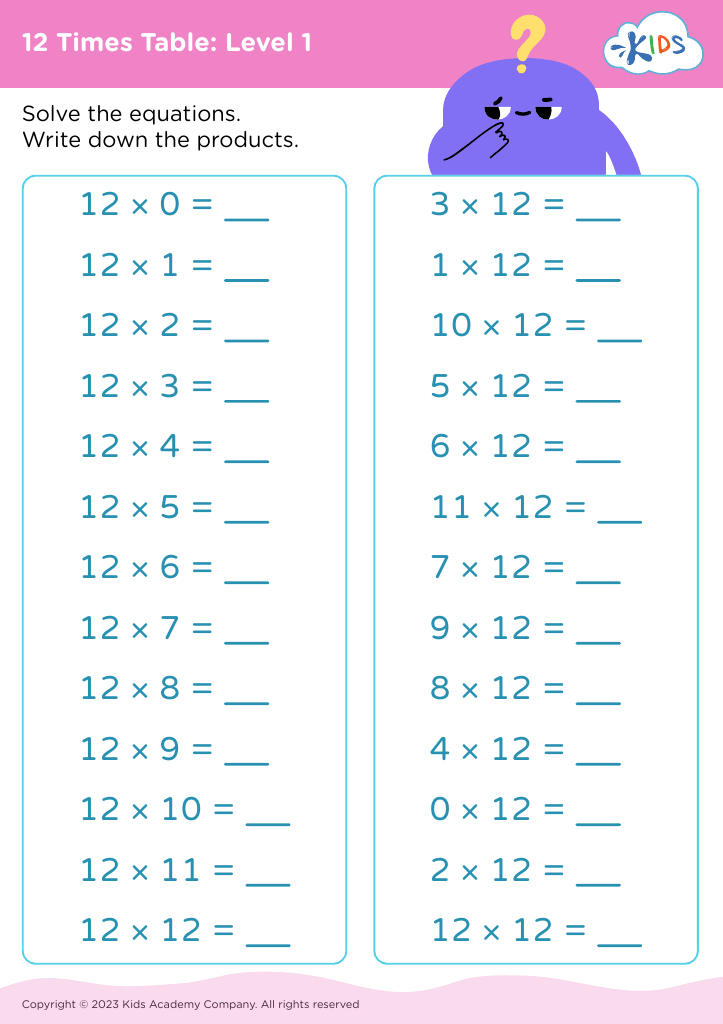








Understanding patterns in math is crucial for children aged 6-8 because it lays the foundation for broader mathematical concepts and critical thinking skills. At this developmental stage, children are naturally curious and eager to discover relationships among numbers and shapes. By recognizing patterns, students enhance their problem-solving abilities and learn to make predictions based on observed data, which are essential skills in math and everyday life.
Furthermore, mastering pattern recognition helps children develop their reasoning skills. It encourages them to think ahead and apply logical thought processes, which will benefit them in subjects beyond math, including science and language arts. The ability to see patterns also aids in understanding sequences, which are fundamental in arithmetic, such as addition and multiplication tables.
Parents and teachers should prioritize pattern recognition because it promotes a positive attitude toward math. Engaging children in fun activities that explore patterns can spark their interest and build confidence, reducing math anxiety in the long run. Additionally, when children are comfortable with patterns, they are better prepared for more complex mathematical concepts, setting them up for success in their academic journey.








