Understanding symmetry Math Worksheets for Ages 6-8 - Page 2
30 filtered results
-
From - To
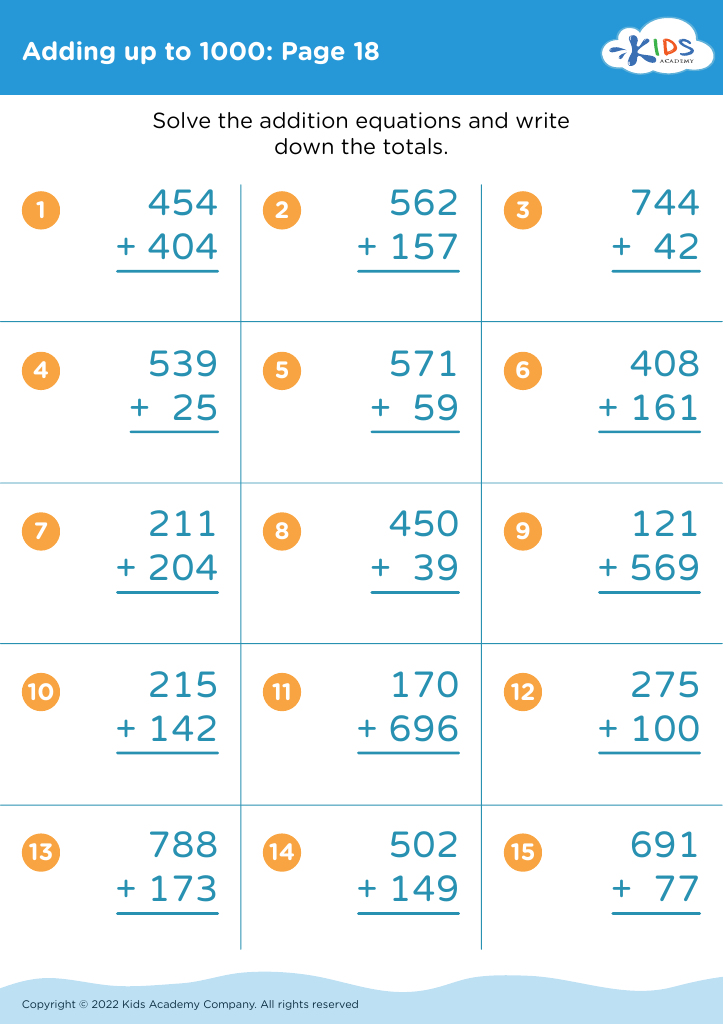
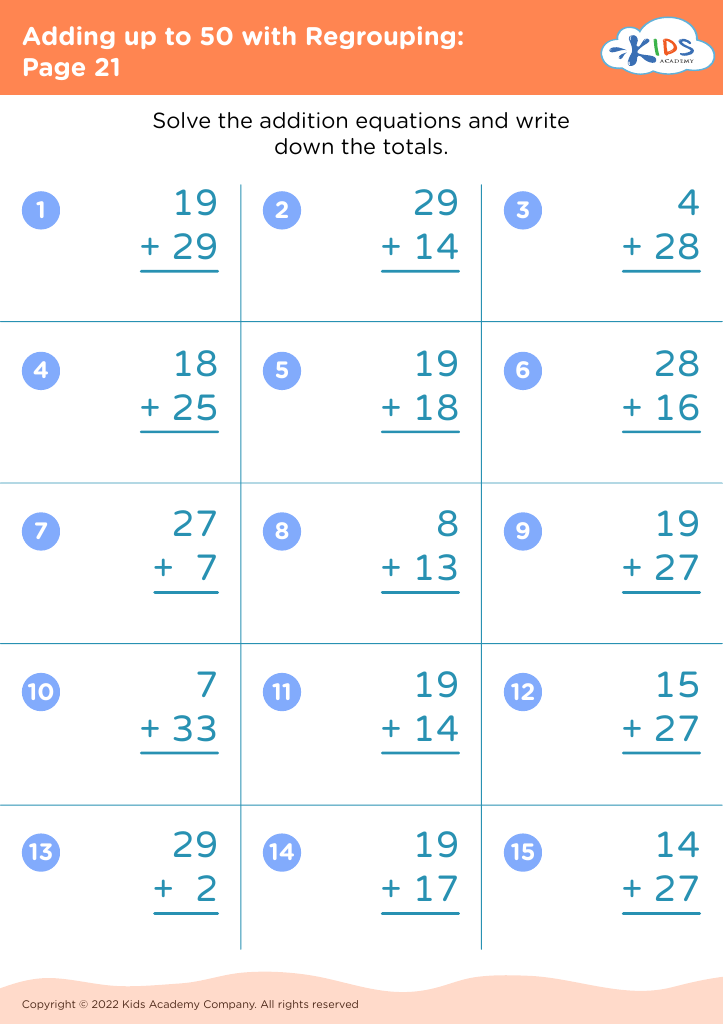
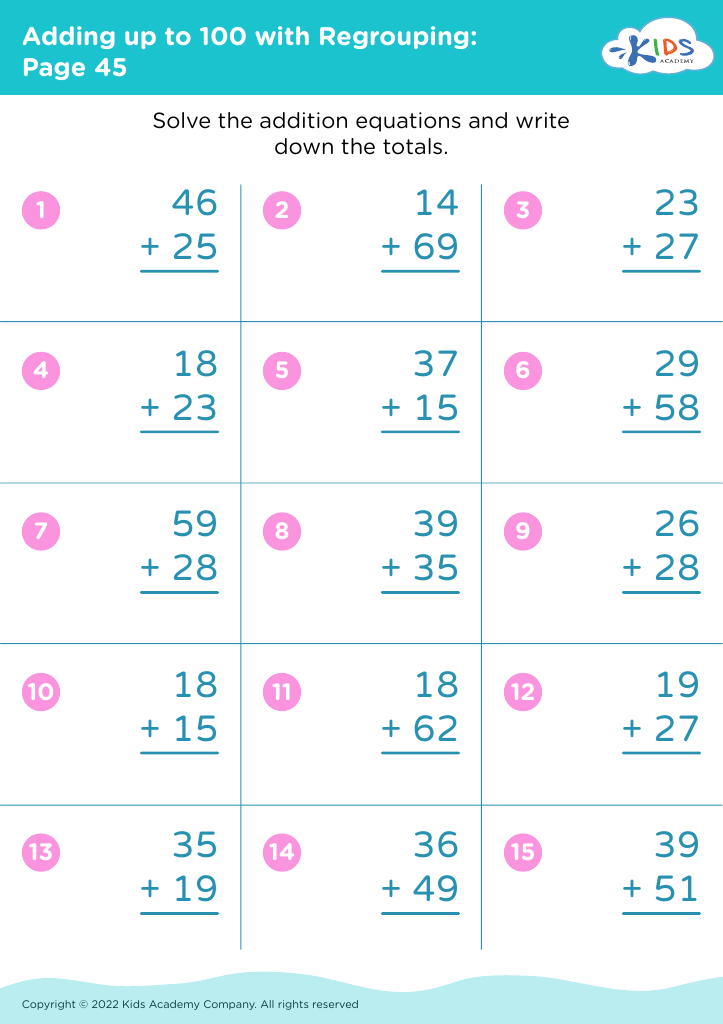
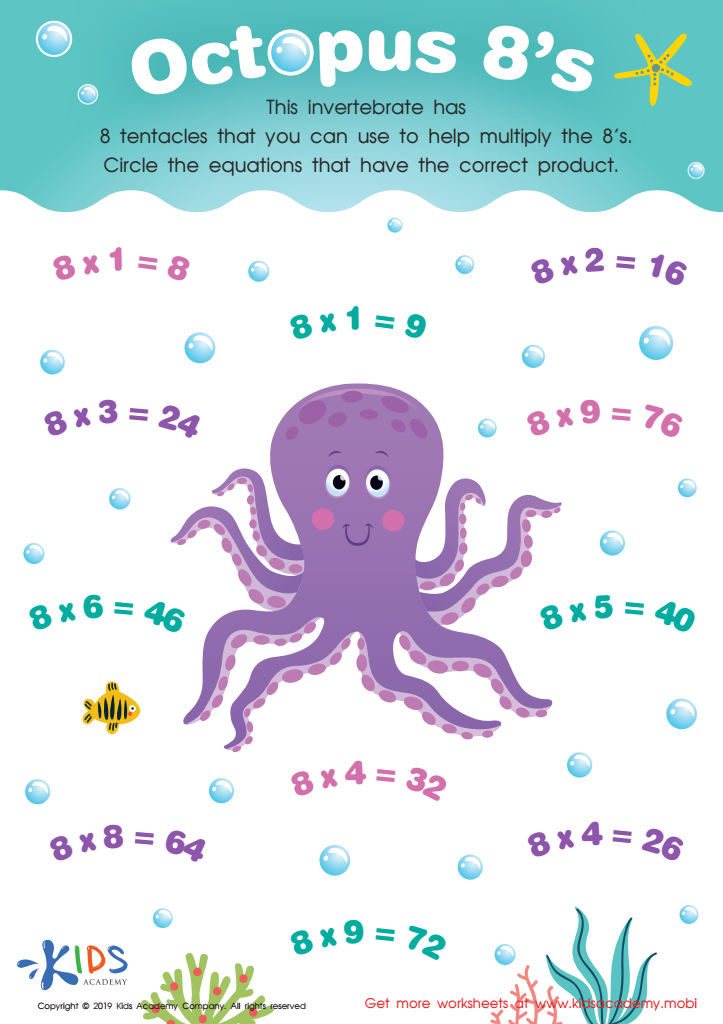
Octopus 8’s Worksheet
 Assign to My Students






Understanding symmetry is essential for children aged 6-8 as it lays the foundation for crucial mathematical concepts and enhances their cognitive development. At this age, children are naturally curious about the world around them, and symmetry offers an engaging way to explore shapes, patterns, and relationships.
Firstly, recognizing symmetry helps children develop spatial awareness, an important skill that assists in geometry, giving them the ability to visualize and manipulate objects. When children identify symmetrical objects in their environment, such as butterflies or buildings, they're applying math to real life, promoting problem-solving skills.
Furthermore, understanding symmetry encourages creativity and artistic expression. Activities that involve symmetry, such as folding paper to create reflections or designing symmetrical patterns, inspire children to think imaginatively while reinforcing mathematical concepts.
In addition, symmetry builds critical thinking. Children learn to compare, analyze, and categorize different shapes, enhancing their logical reasoning skills. Parents and teachers should emphasize symmetry in early learning, as it not only promotes mathematical proficiency but also fosters an appreciation for beauty and balance in the world.
By prioritizing resources and activities that teach symmetry, parents and teachers can significantly enrich a child's early educational experience, setting them up for future success in math and beyond.








