Mathematical reasoning Measurement Worksheets for Ages 6-8
4 filtered results
-
From - To
Discover our engaging Mathematical Reasoning Measurement Worksheets tailored for ages 6-8. These dynamic printable resources from Kids Academy help children develop critical thinking and problem-solving skills using fun, hands-on measurement activities. Perfect for classroom or home use, each worksheet inspires young learners to explore concepts like length, weight, and volume through interactive tasks. Watch as your child confidently navigates real-world math scenarios, strengthening their foundational understanding and boosting their ability to reason logically. Foster a love for learning and accurate measurement with our expertly designed materials, ensuring your child excels in essential math skills. Explore today!
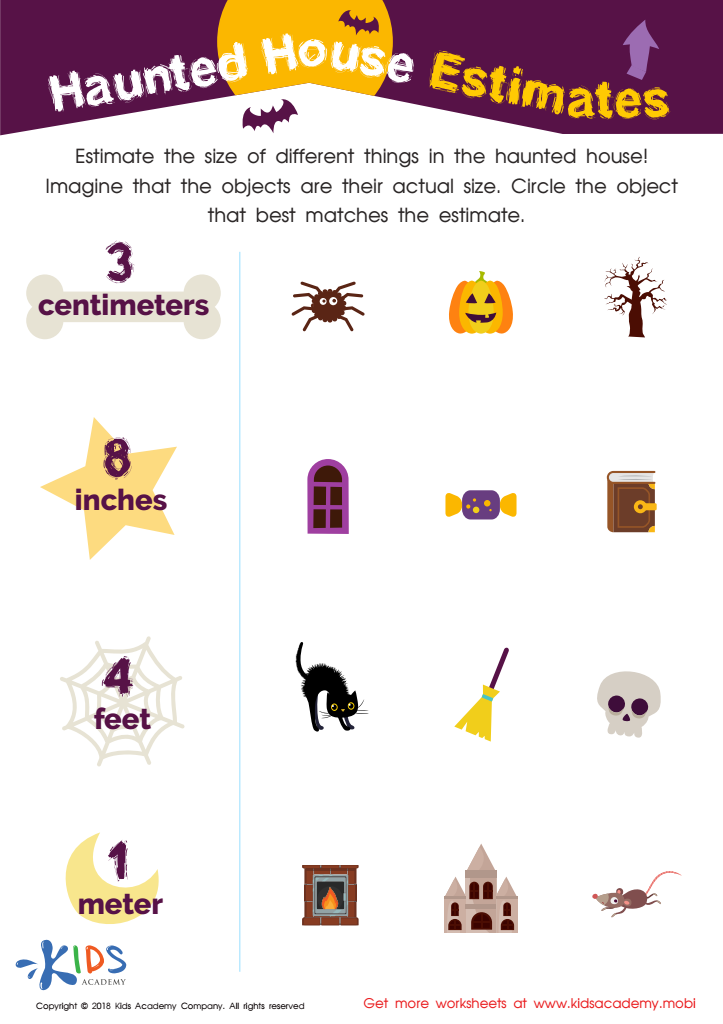
Haunted House Estimates Worksheet
 Assign to My Students
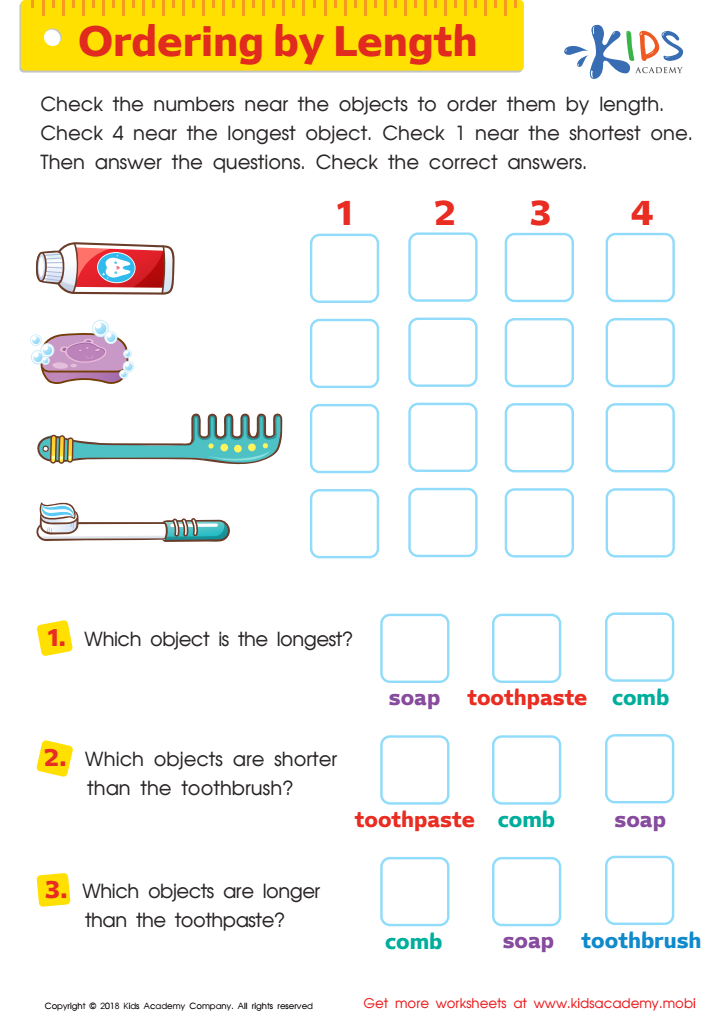
Ordering by Length Worksheet
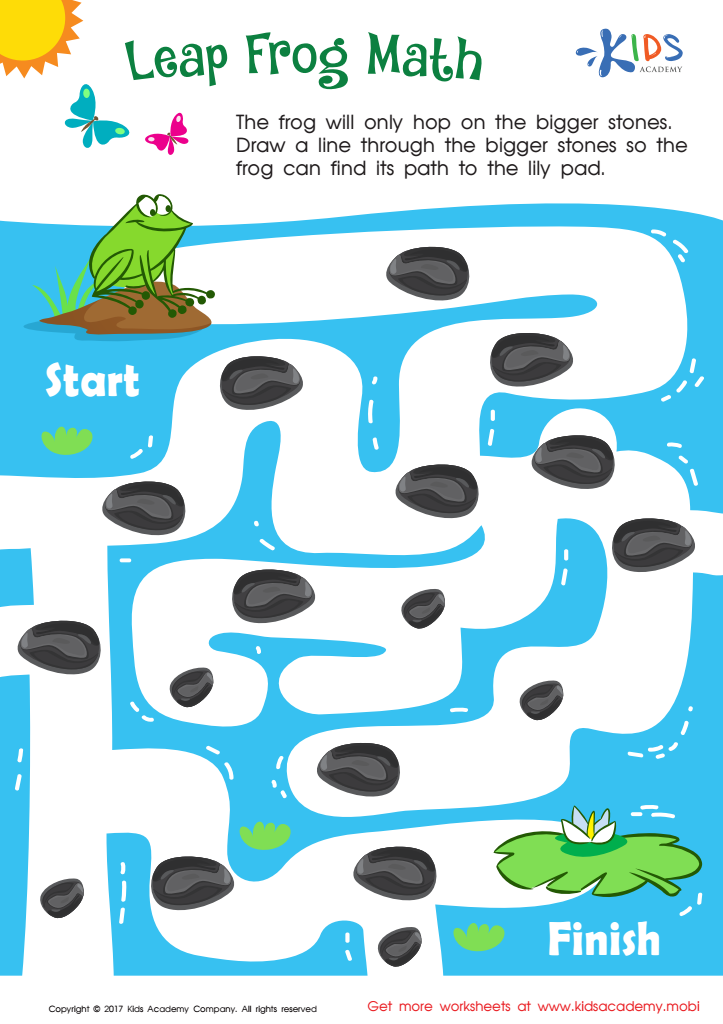
Math Puzzle Worksheet
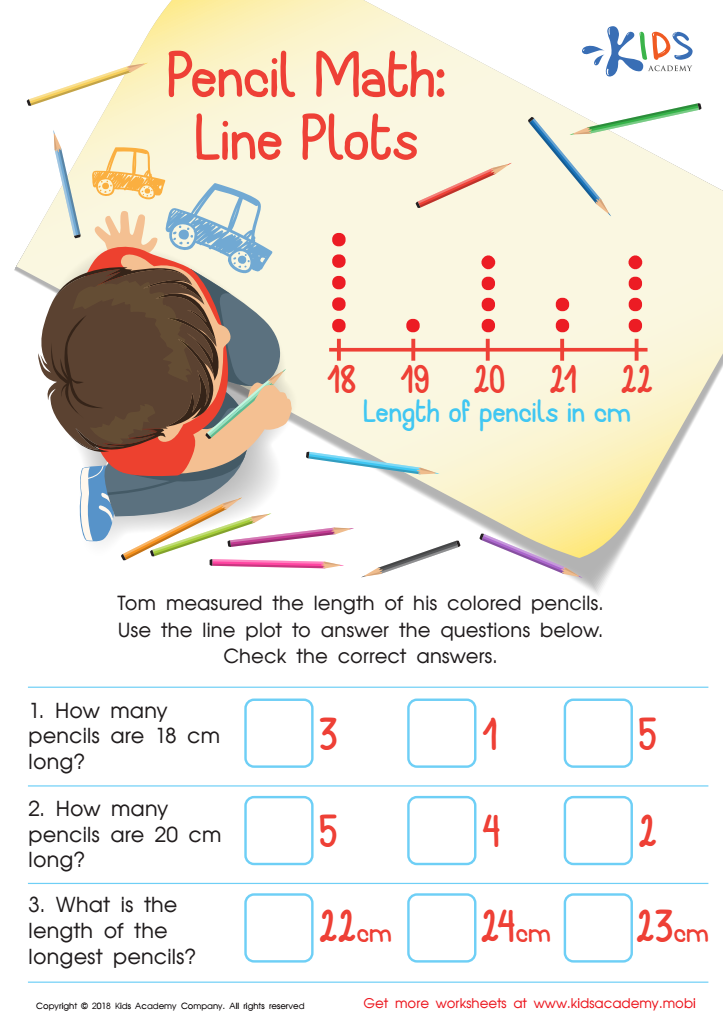
Pencil Math: Line Plots Worksheet








Mathematical reasoning and measurement are fundamental skills that significantly contribute to a child's cognitive and practical abilities. For children aged 6-8, this stage marks a pivotal time for development in numeracy and critical thinking. Fostering mathematical reasoning lays the groundwork for problem-solving skills that are applicable not only in academic contexts but in everyday life decisions. It encourages logical thinking, enhances the ability to evaluate situations, and cultivates perseverance in finding solutions.
Measurement, on the other hand, introduces children to quantifying the physical world. It helps them grasp the concepts of size, volume, weight, and time — all of which are essential for daily activities. Understanding measurement nurtures a sense of spatial awareness and helps build a concrete understanding of numerical relationships.
At this developmental stage, children's minds are incredibly receptive to learning through exploration and play. Parents and teachers who emphasize these skills can create rich learning environments that blend fun with education, igniting a lifelong interest in mathematics. Additionally, early proficiency in these areas correlates with higher academic achievement, as kids build a solid foundation for more advanced mathematical concepts they'll encounter later.
Overall, investing in mathematical reasoning and measurement skill development aids in nurturing well-rounded, analytical, and confident learners who are better prepared for future academic challenges and real-world situations.








