
Basic Counting Numbers 0–10 Worksheets for Ages 6-8
3 filtered results
Difficulty Level
Grade
Age
-
From - To
Subject
Activity
Standards
Welcome to our "Basic Counting Numbers 0–10 Worksheets" for kids aged 6-8! Designed to make learning fun and engaging, these worksheets provide interactive exercises that enhance counting skills. Your child will explore foundational number concepts through colorful visuals and enjoyable activities, making it easier to grasp basic counting. Each worksheet encourages hands-on practice, developing confidence in number recognition and counting. From simple exercises to more challenging tasks, we cater to various learning styles, ensuring every child can succeed. Download our free worksheets today and watch your little learners thrive as they embark on their counting journey!
Favorites
With answer key
Interactive
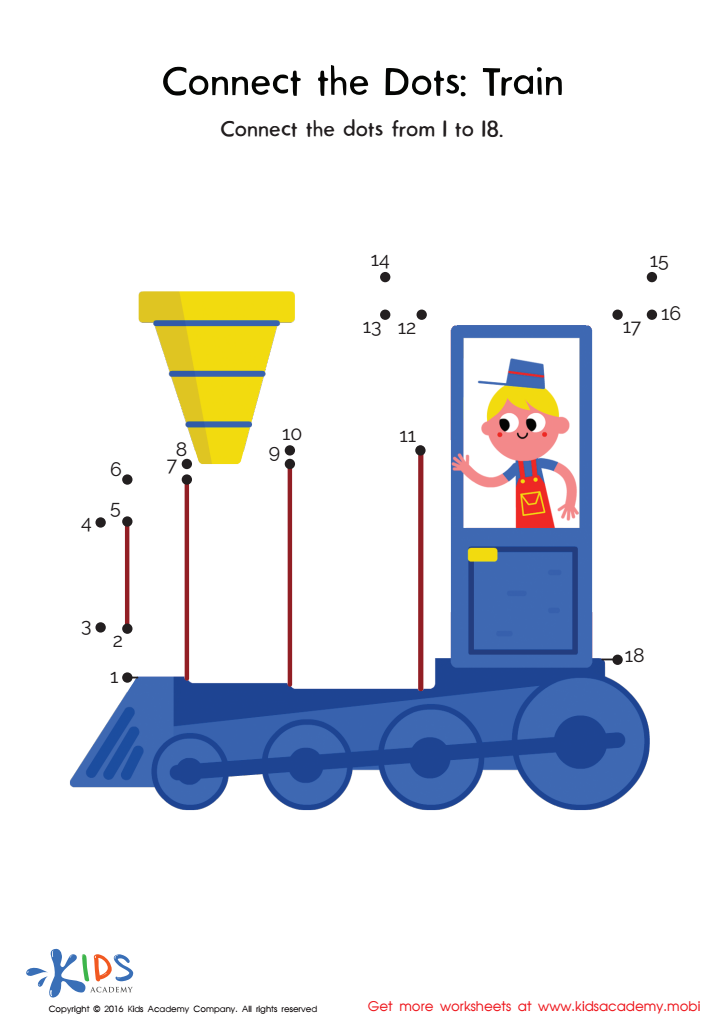
 Assign to My Students
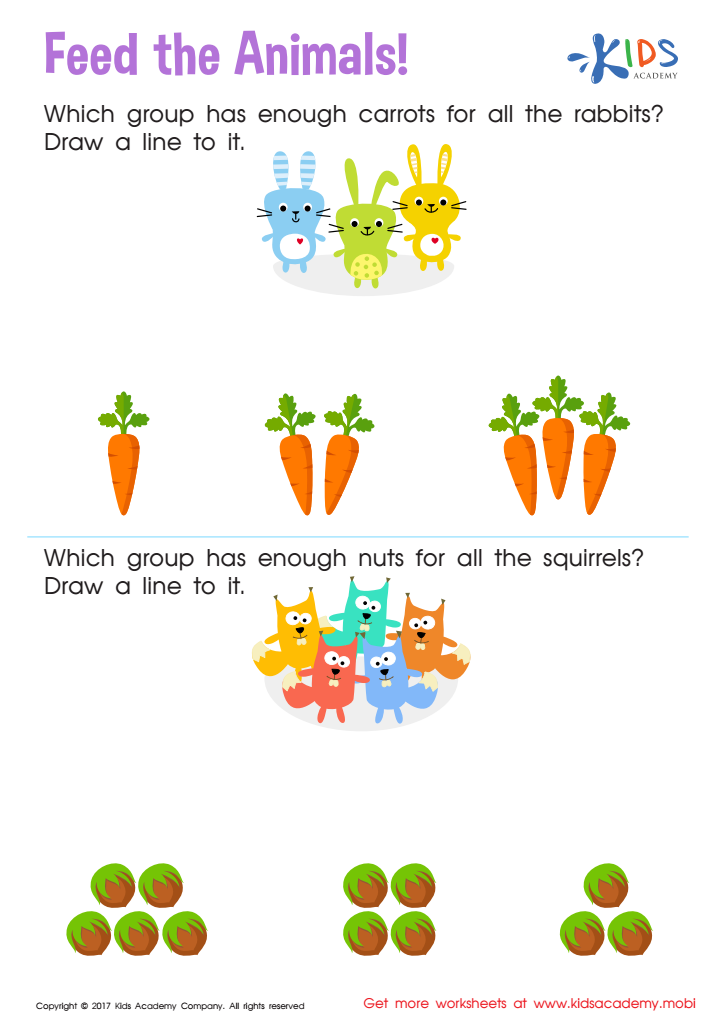
Count and Match: Feed the Animals Worksheet
Learning and growing involves more than just numbers, phonics and comparison. This Feed the Animals worksheet helps kids to exercise their reasoning skills. They must work out how many rabbits and carrots there are, and then repeat the process for the squirrels. This encourages problem solving and counting skills.
Count and Match: Feed the Animals Worksheet
Worksheet
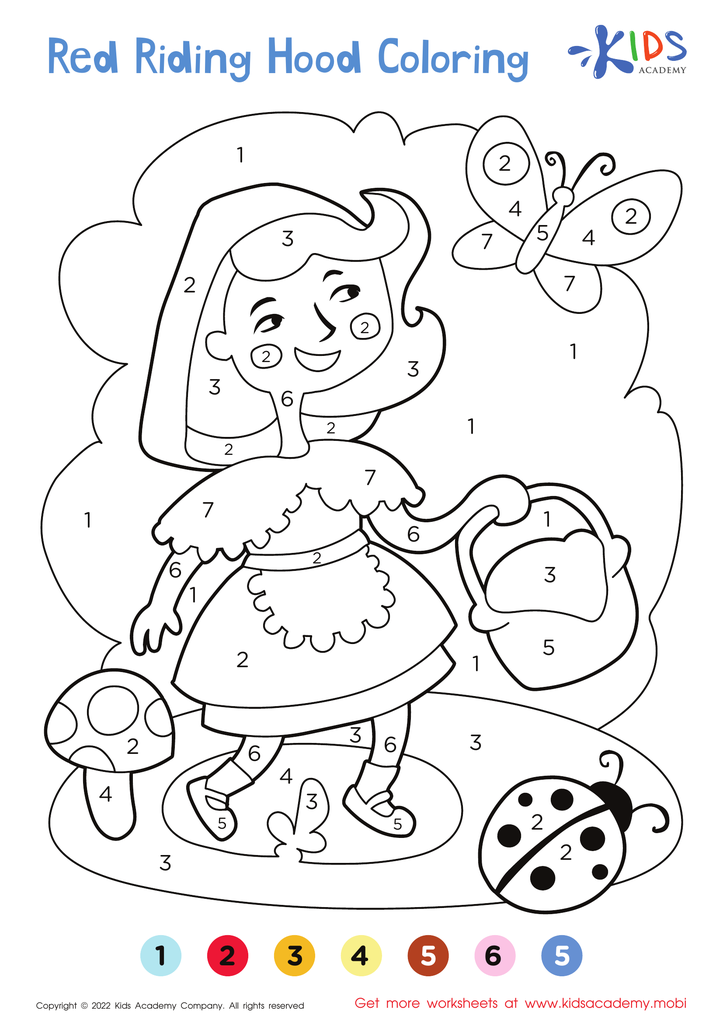
Little Red Riding Hood – Coloring by Numbers
Download this free PDF page and enjoy coloring Little Red Riding Hood. It's an easy and fun activity that everyone can do - just follow the numbers! Get your colored pencils ready and have a blast. 80 words.
Little Red Riding Hood – Coloring by Numbers
Worksheet
Join Kids Academy for Free
Who is primarily going to use this learning content?








Basic counting numbers from 0 to 10 are fundamental for children aged 6-8 as they establish the groundwork for more advanced mathematical concepts. Mastery of these numbers cultivates numerical literacy and promotes cognitive development. At this age, children are often beginning to explore addition, subtraction, and basic problem-solving, and a solid understanding of counting is essential for these activities.
Moreover, counting helps children develop essential skills such as pattern recognition, spatial awareness, and logical thinking. These skills are not only critical for academic success but are also applicable in everyday life—from understanding quantities during grocery shopping to telling time.
Parents and teachers play a vital role in this developmental phase. By actively engaging children with counting games, songs, and hands-on activities, they can foster a positive relationship with math, making learning enjoyable. Support and encouragement from adults can significantly enhance a child's confidence and motivation to learn.
Additionally, recognizing that not all children progress at the same pace is crucial. Providing individualized support ensures that each child grasps these concepts fully, allowing them to build a strong mathematical foundation for their future studies. Ultimately, caring about basic counting numbers equips children with the tools to succeed both academically and in everyday situations.








