Fine Motor Skills Numbers 0–10 Worksheets for Ages 6-8 - Page 2
48 filtered results
-
From - To

Eight Geese Worksheet
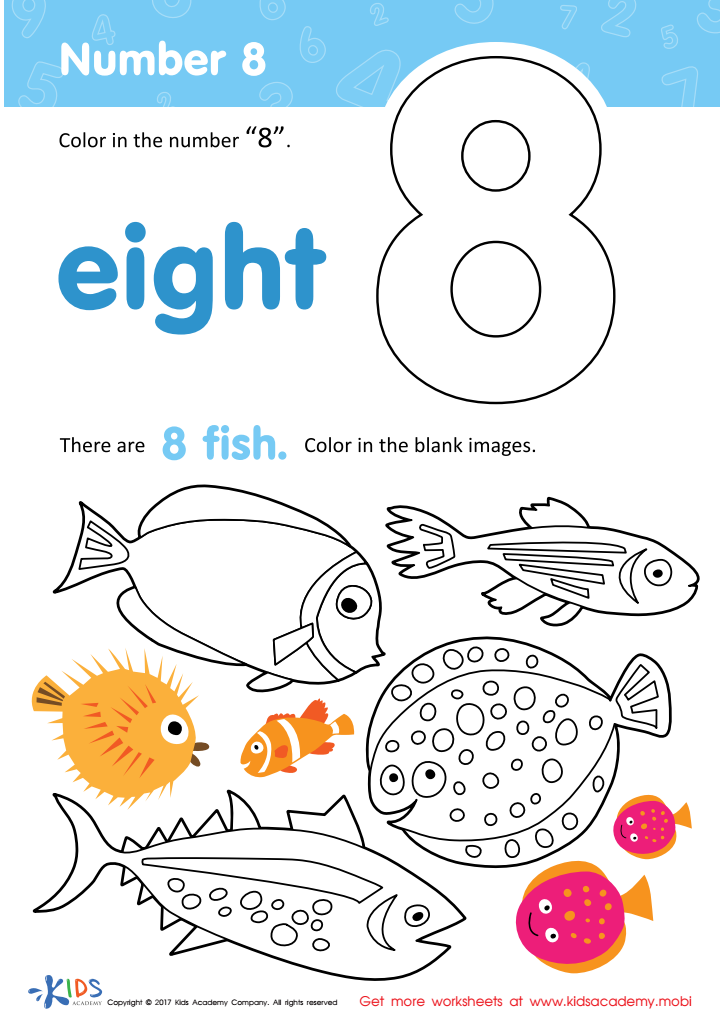
Number 8 Printable
 Assign to My Students
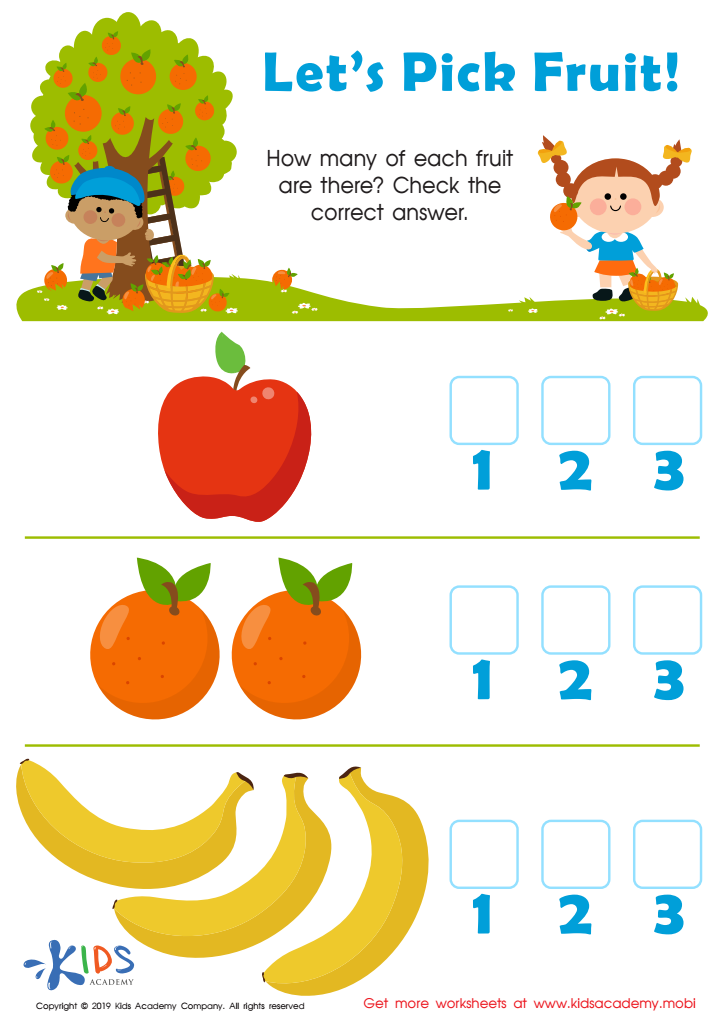
Let's Pick Fruit Worksheet
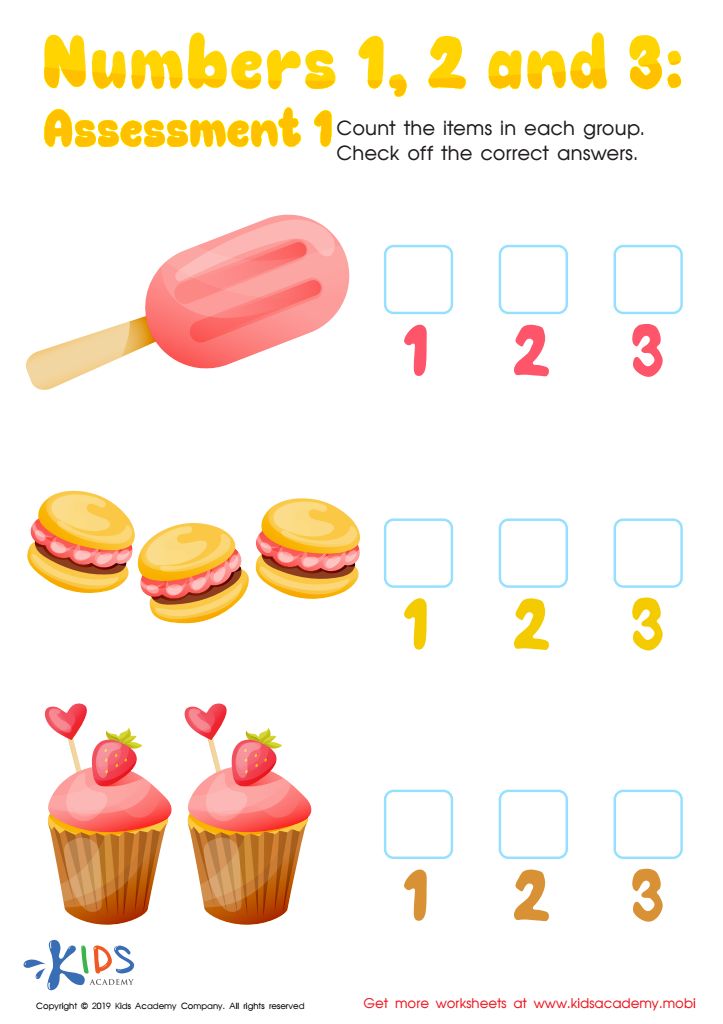
Numbers 1, 2 and 3: Assessment 1 Worksheet

Underwater Adventure Worksheet
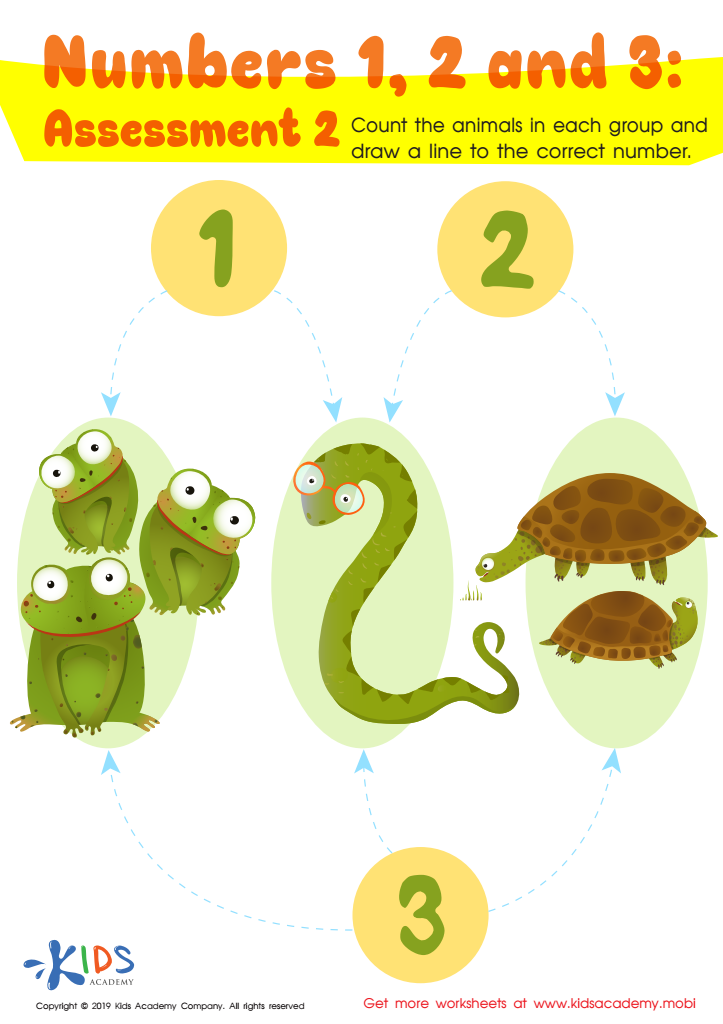
Numbers 1, 2 and 3: Assessment 2 Worksheet
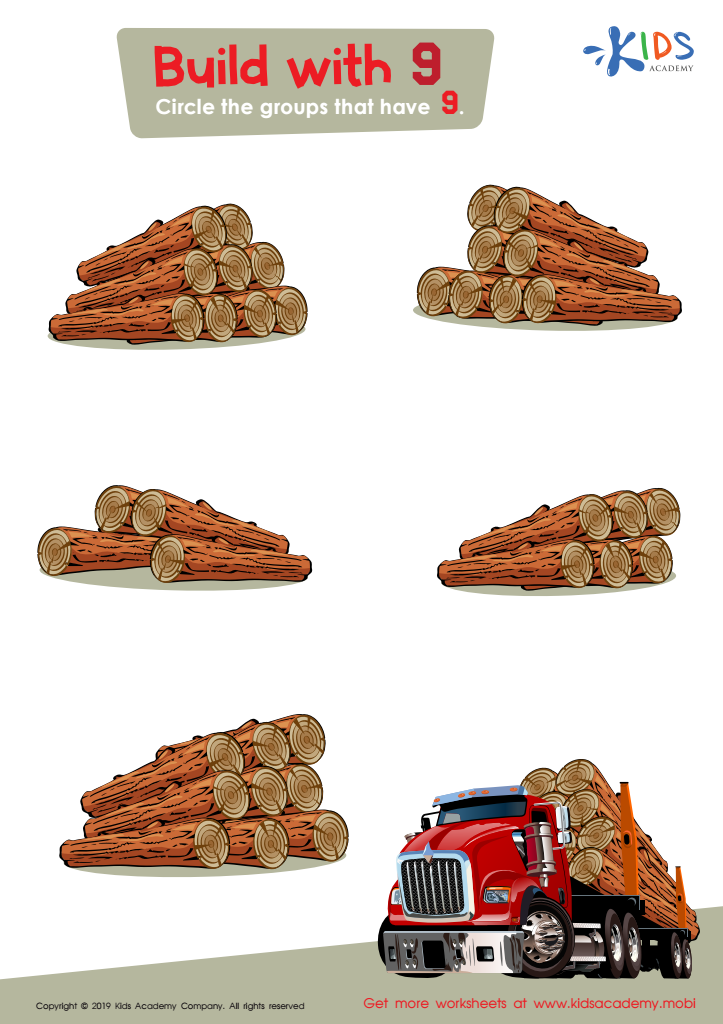
Build with 9 Worksheet
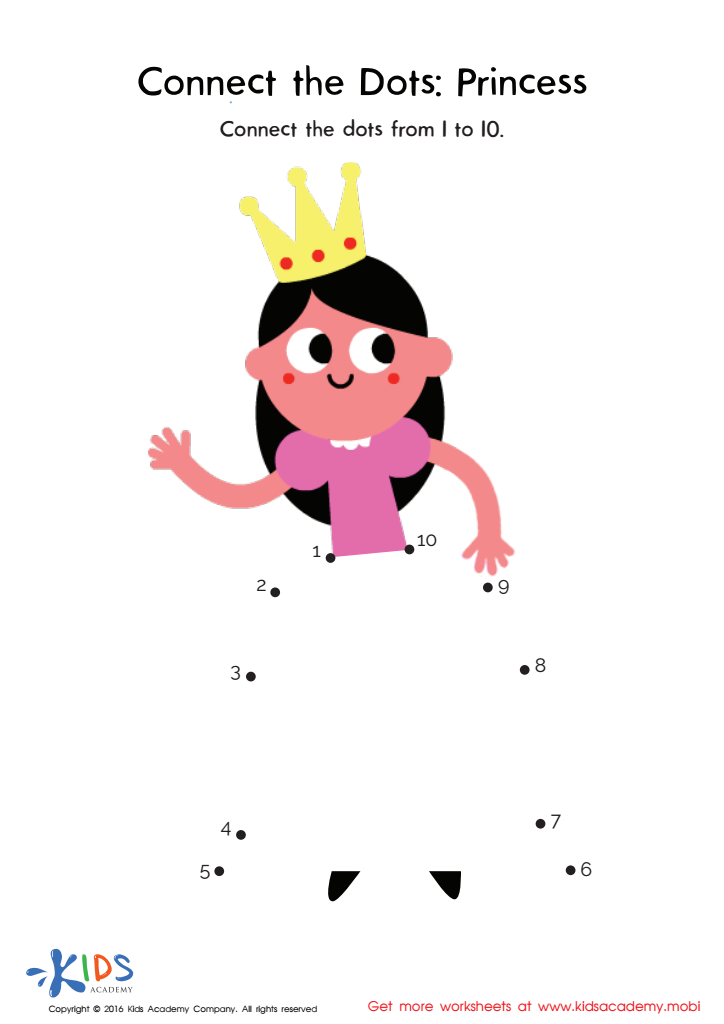
Princess Connect Dots Worksheet
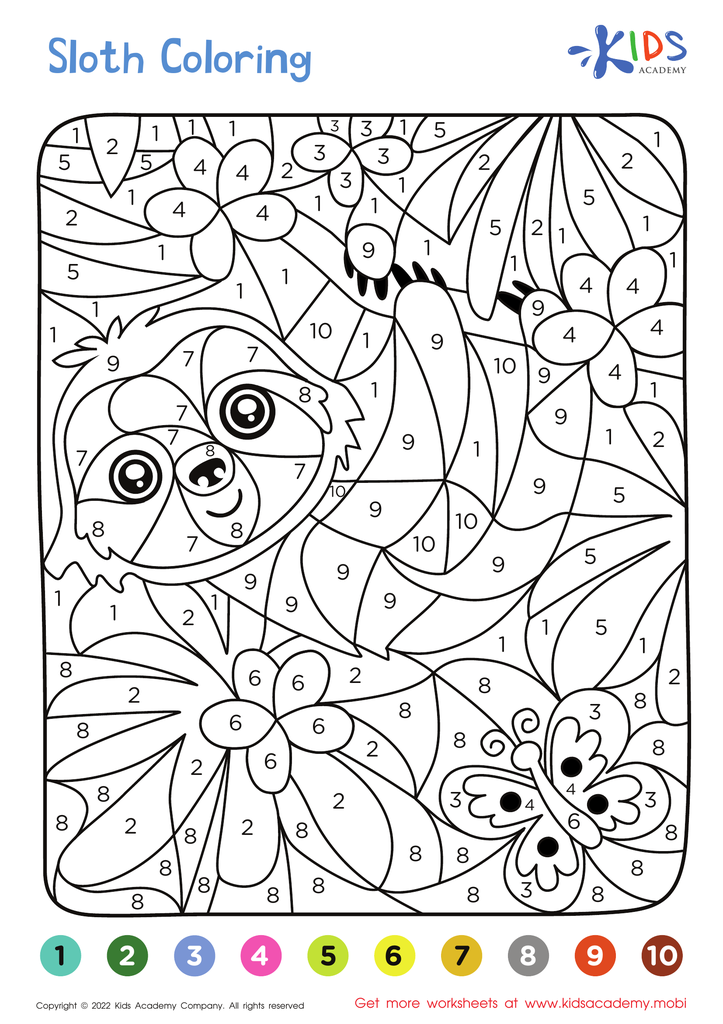
Sloth – Coloring by Numbers

Count the Cucumbers and Trace the Number 8 Printable
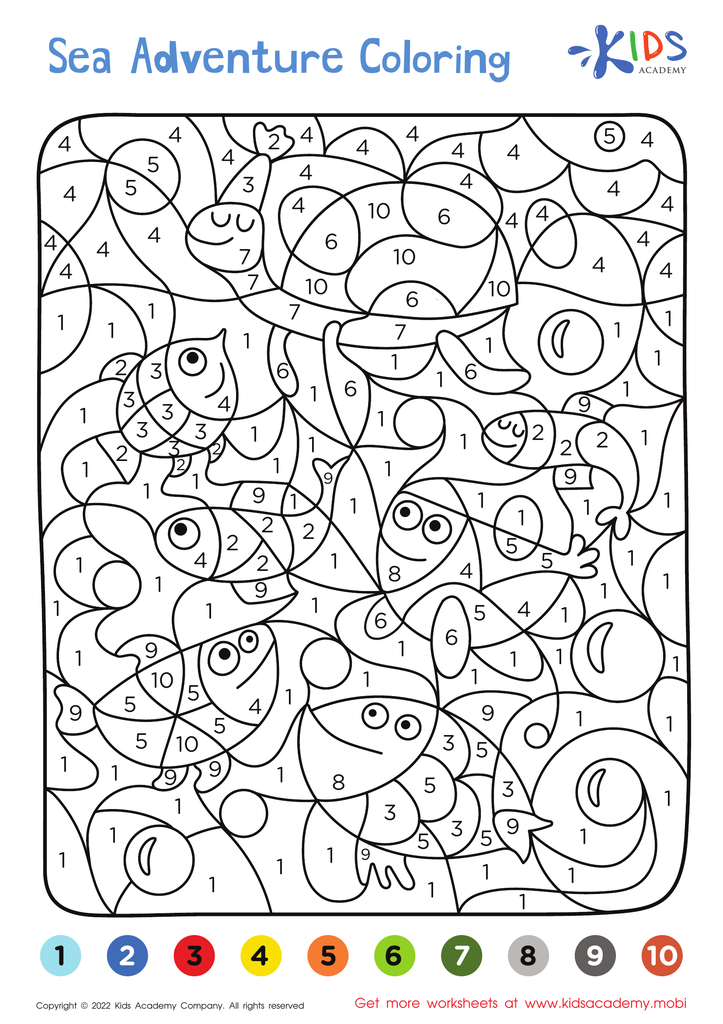
Sea Adventure – Coloring by Numbers
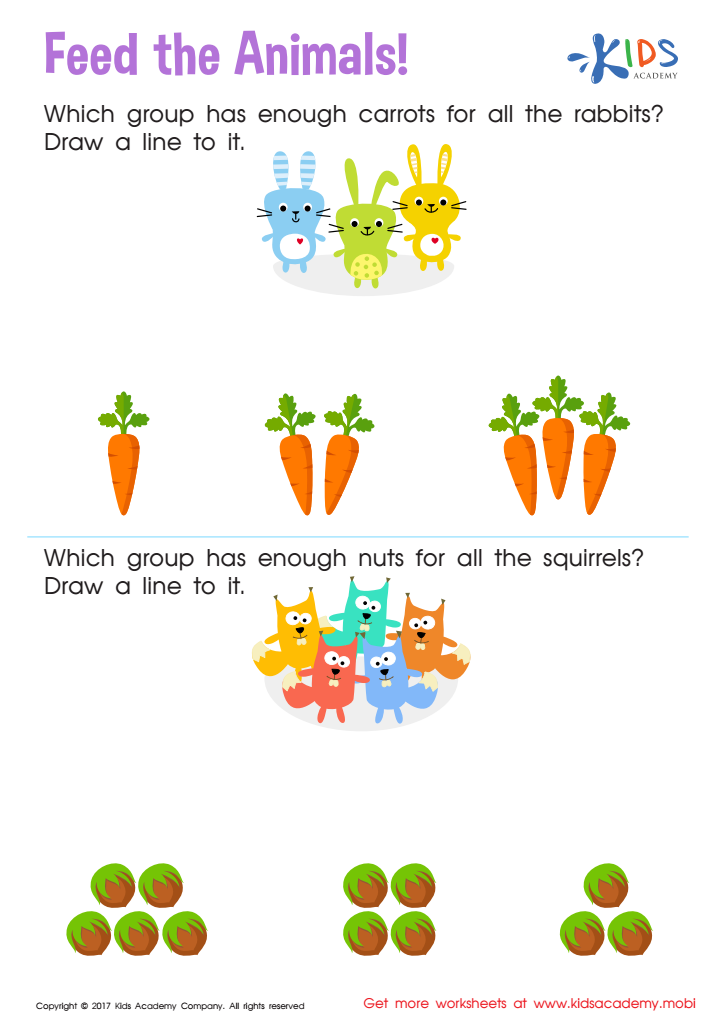
Count and Match: Feed the Animals Worksheet
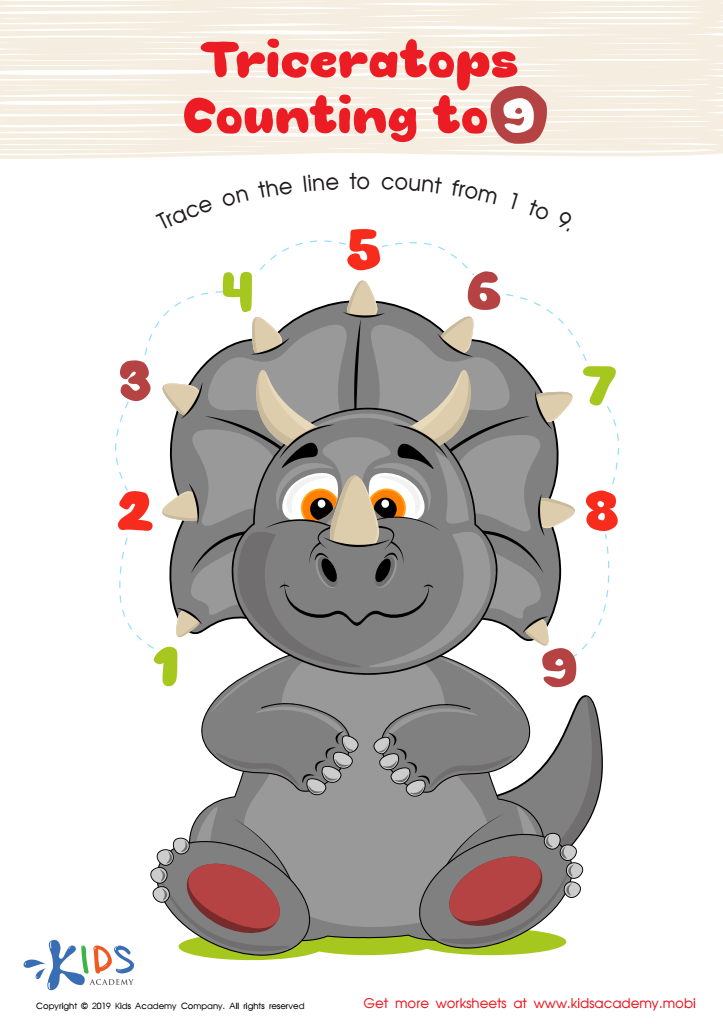
Triceratops Counting to 9 Worksheet
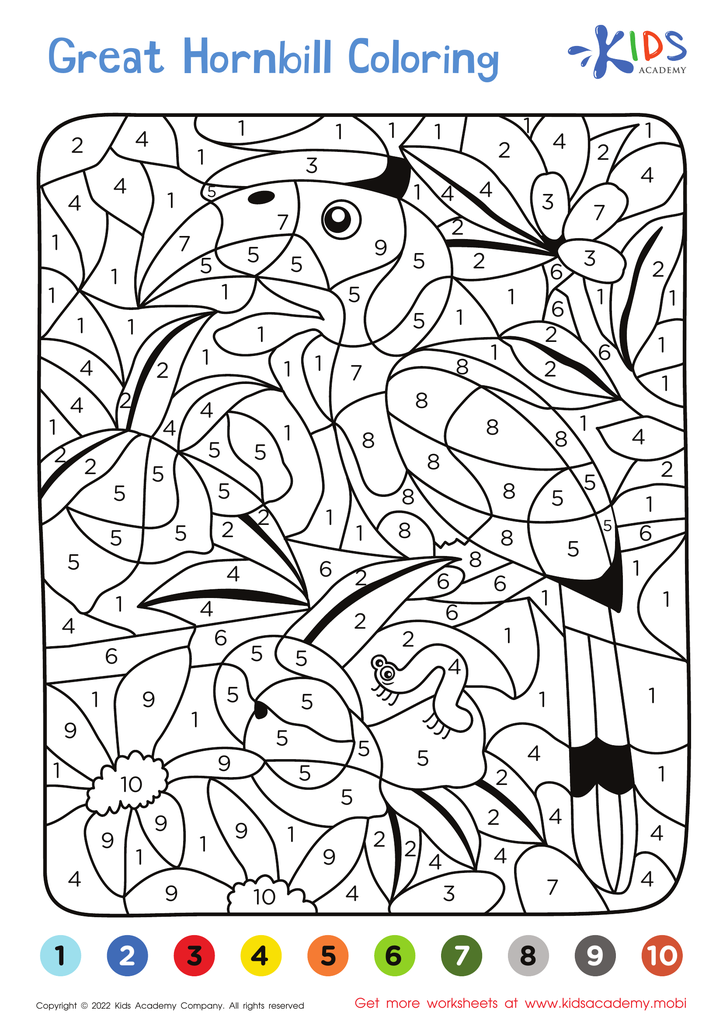
Great Hornbill – Coloring by Numbers
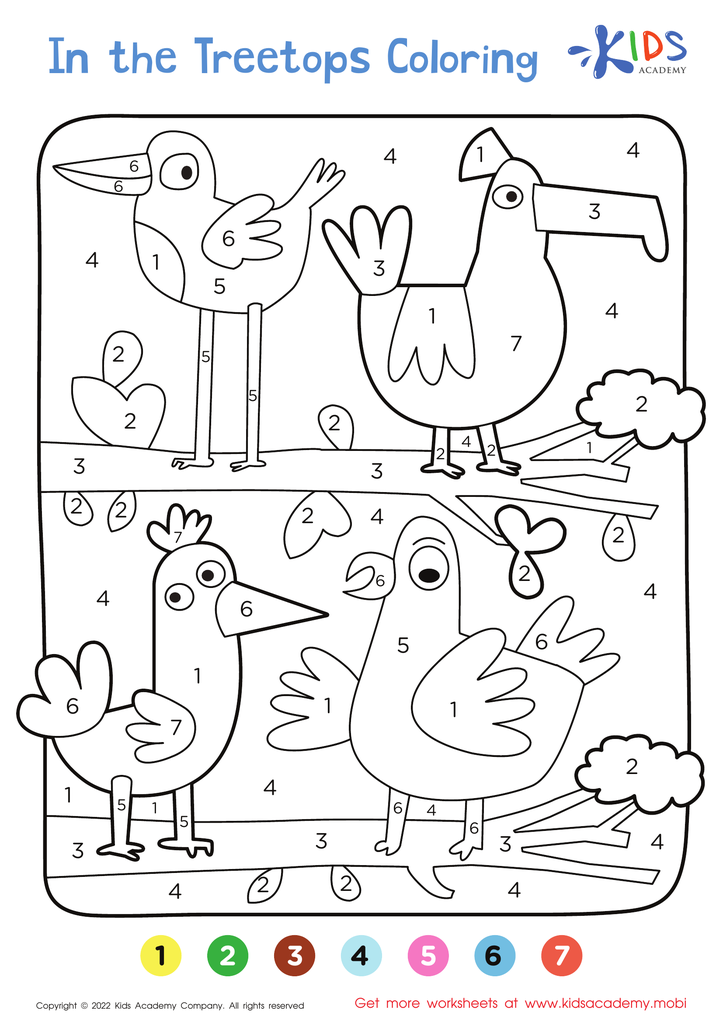
In the Treetops – Coloring Page

Twinkle, Twinkle, Little Star – Coloring by Numbers
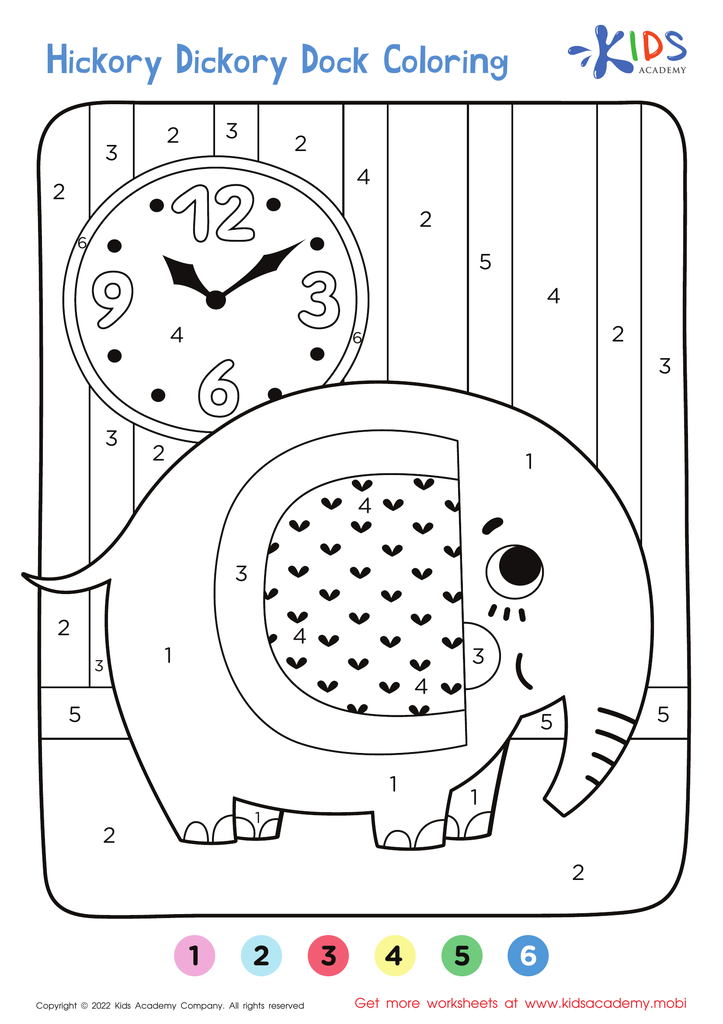
Hickory Dickory Dock – Coloring by Numbers
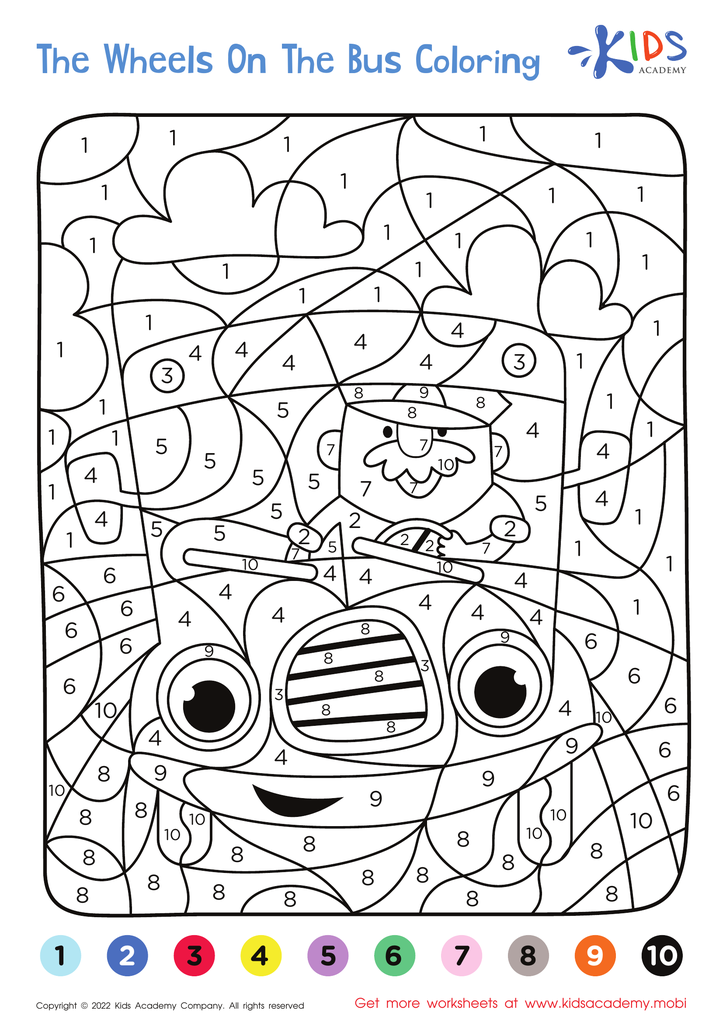
Wheels on the Bus – Coloring by Numbers

Night Sky Numbers Worksheet
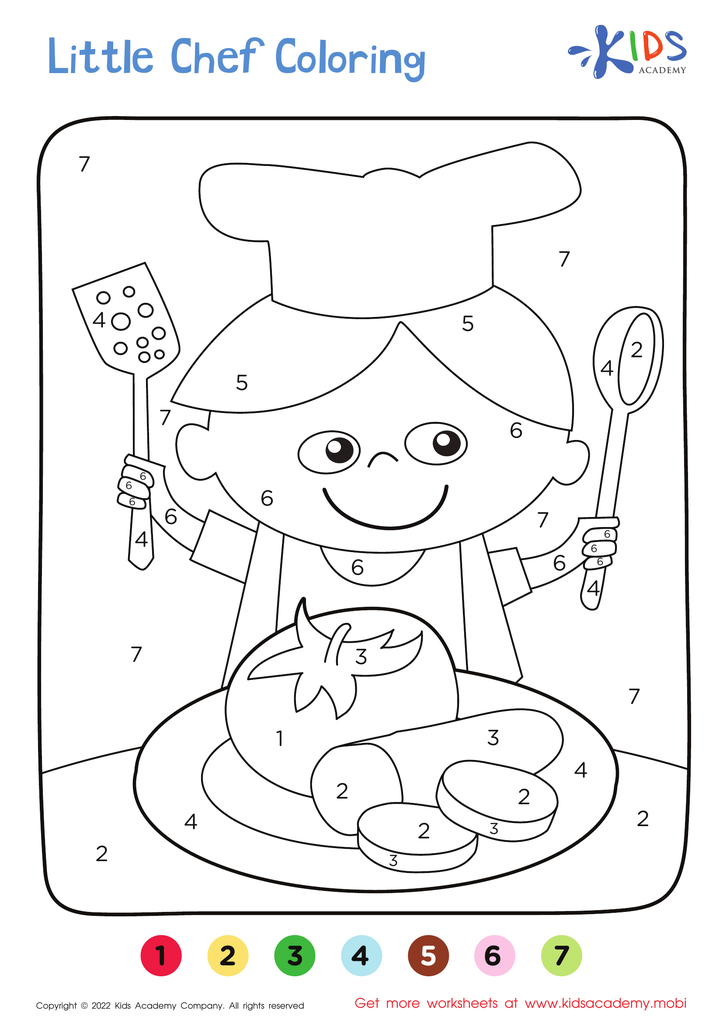
Little Chef – Coloring by Numbers
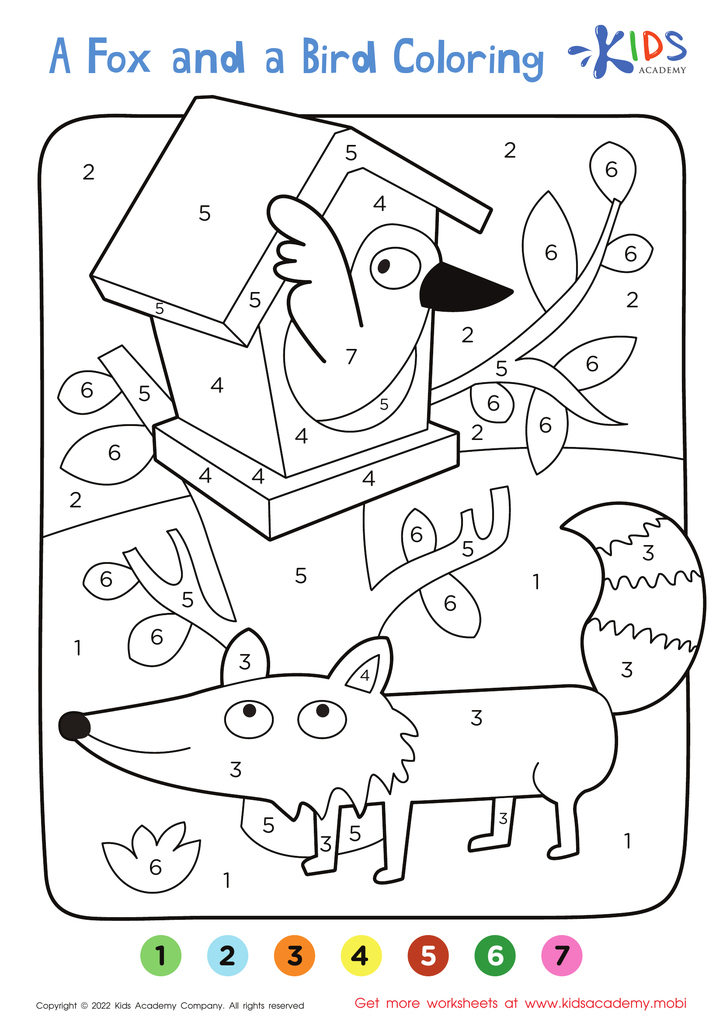
A Fox and a Bird – Coloring by Numbers
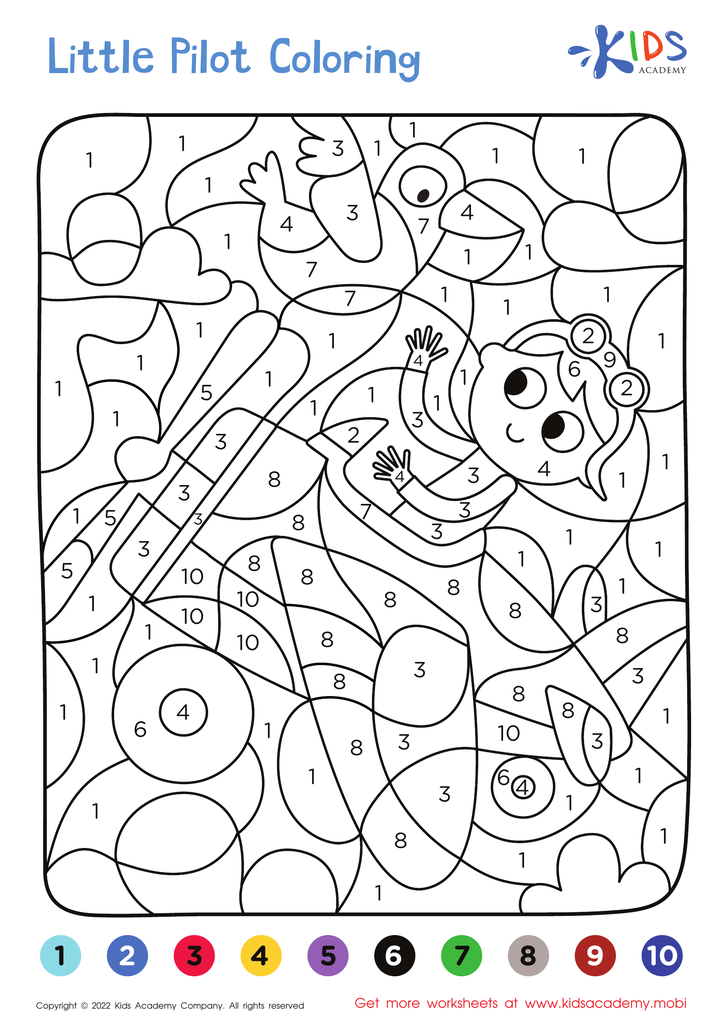
Little Pilot – Coloring by Numbers
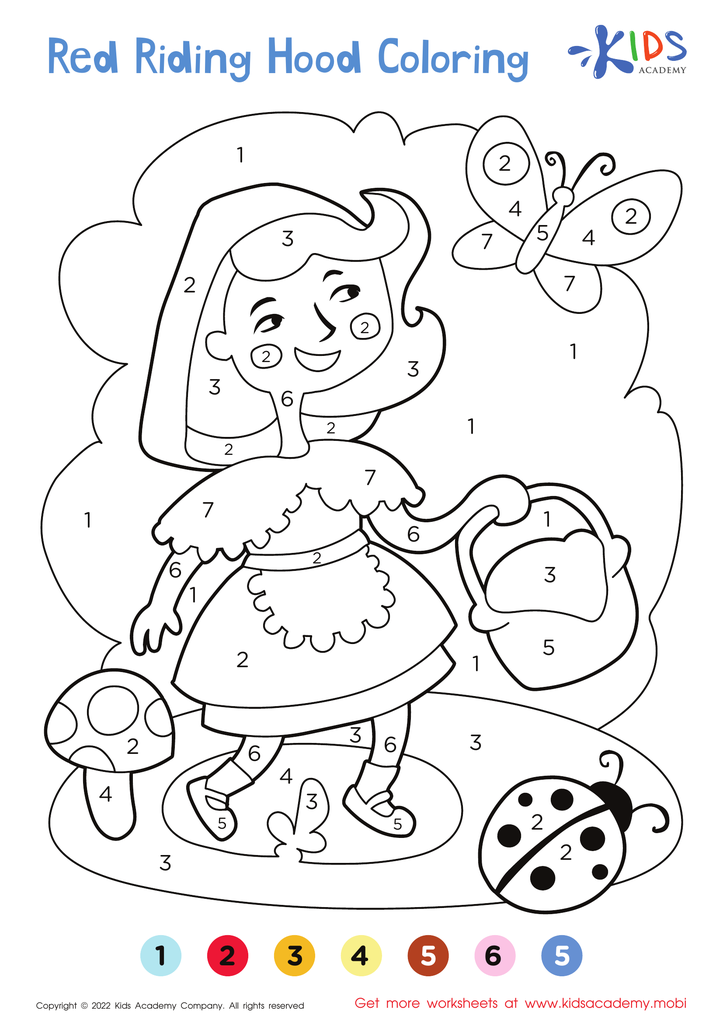
Little Red Riding Hood – Coloring by Numbers
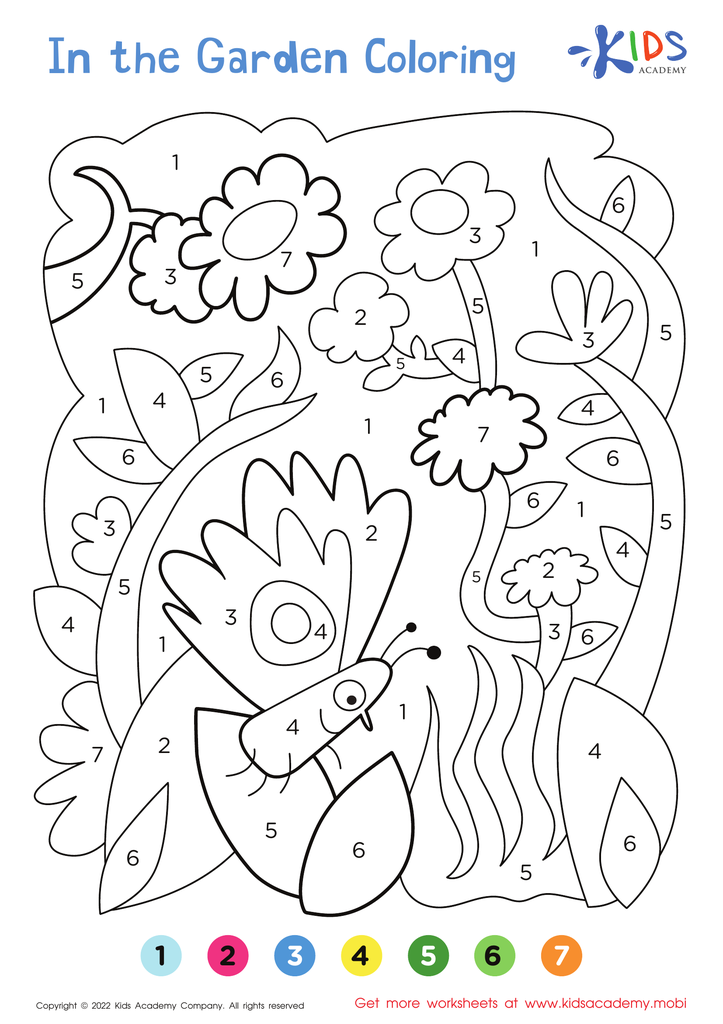
In the Garden – Coloring by Numbers








Fine motor skills are crucial for children ages 6-8 as they serve as foundational abilities for various tasks in their daily lives. Mastery of these skills, especially while handling numbers 0-10, extends beyond mere counting; it impacts a child's overall development and learning. First, effective fine motor skills enhance a child's ability to write, draw, and engage in hands-on projects, fostering creativity and self-expression.
Additionally, precision in manipulating small objects—such as counting blocks, beads, or toys—improves hand-eye coordination and facilitates better problem-solving skills. This is particularly important for mathematics, where children learn to recognize, identify, and manipulate numbers physically as a precursor to more advanced numerical concepts. By engaging in activities that reinforce fine motor skills, children build confidence and develop a sense of accomplishment.
Furthermore, as they prepare for more complex academic tasks, well-developed fine motor skills contribute to improved focus and concentration. As parents and teachers prioritize fine motor development through fun and interactive activities, we create an enriched learning environment that promotes engagement and enthusiasm for both mathematics and other subjects. Ultimately, a strong foundation in fine motor skills supports a child's overall readiness for school and future learning success.








