Number Sequencing Numbers 0–10 Worksheets for Ages 6-8
4 filtered results
-
From - To
Enhance your child’s math skills with our engaging Number Sequencing Worksheets designed specifically for ages 6-8! These comprehensive worksheets focus on sequencing numbers from 0 to 10, fostering essential number recognition and ordering skills. Perfect for both classroom and home use, our printable resources blend fun with education, helping young learners grasp the concept of number sequences through a variety of interactive activities. Your child will enjoy practicing number sequences while building confidence in their math abilities. Encourage curiosity and love for math with these easy-to-use worksheets that support foundational learning in an enjoyable way. Start your child's math journey today!
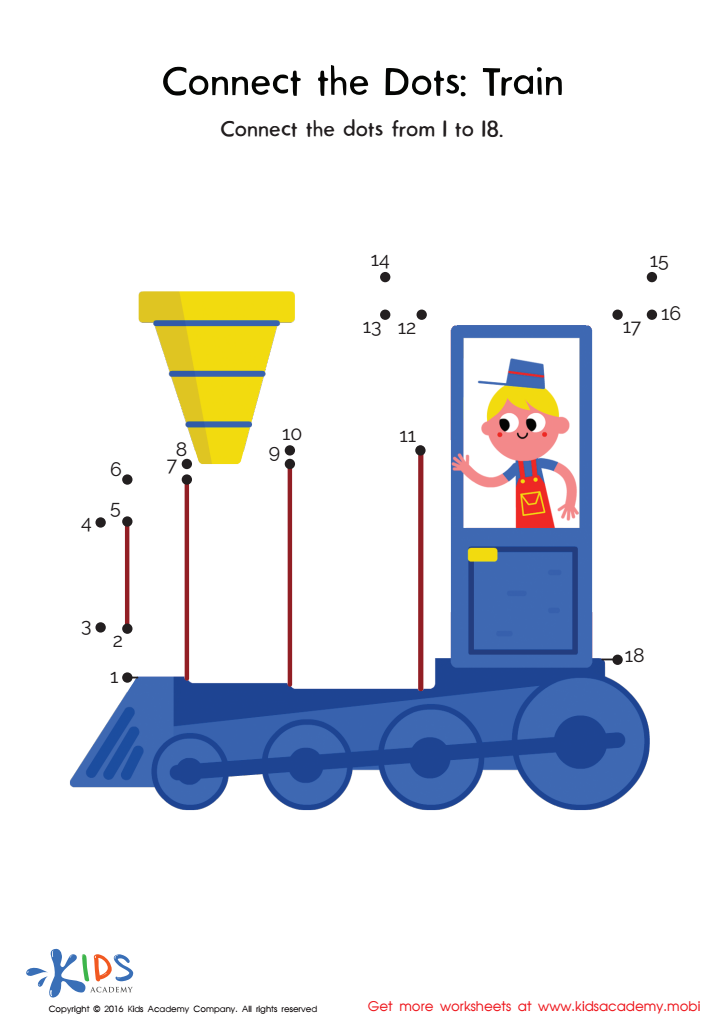
 Assign to My Students
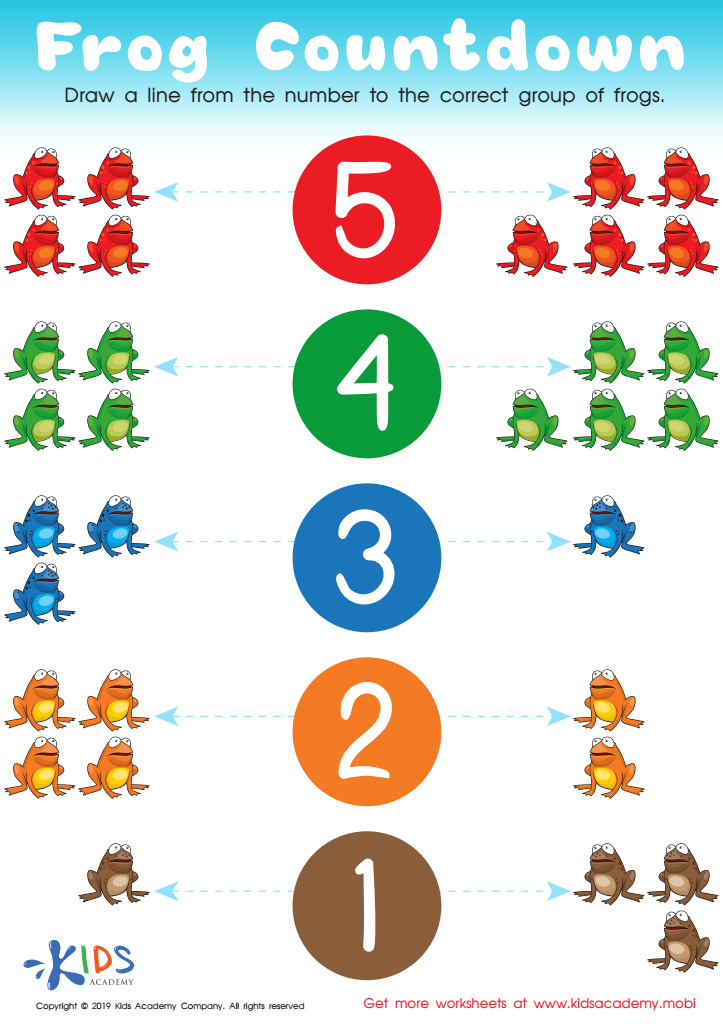
Frog Countdown Worksheet
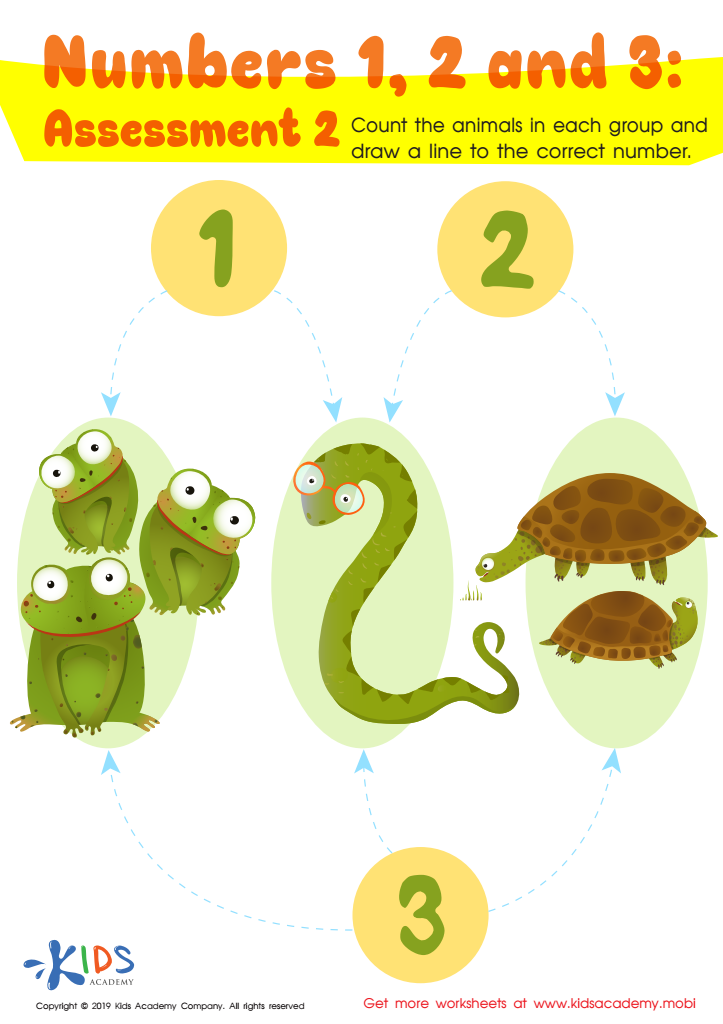
Numbers 1, 2 and 3: Assessment 2 Worksheet
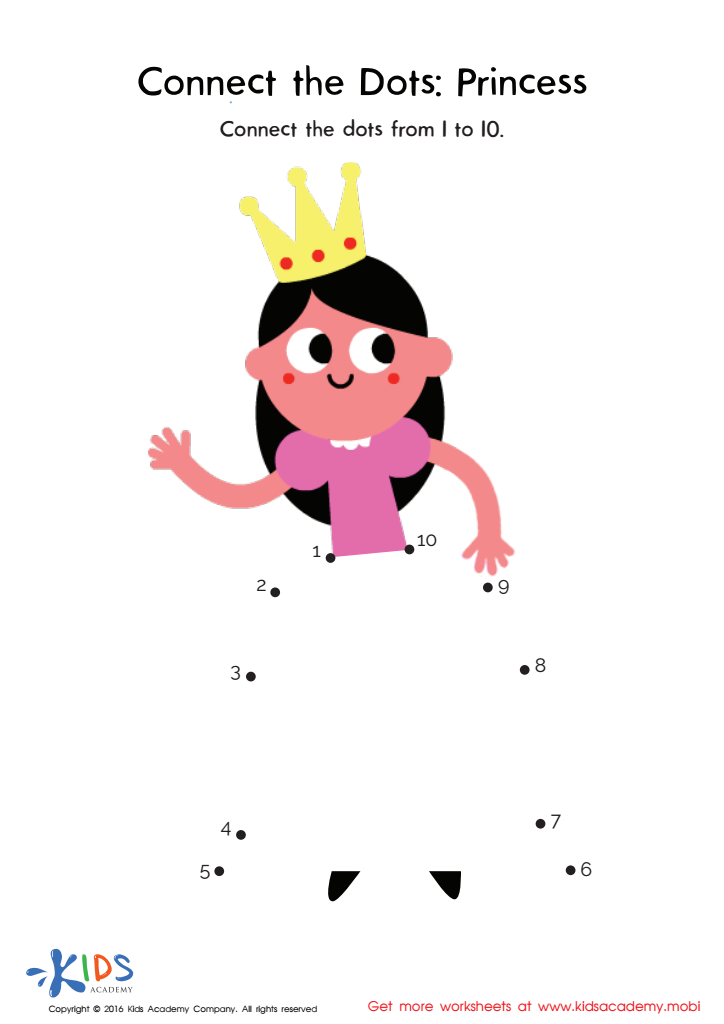
Princess Connect Dots Worksheet








Number sequencing from 0 to 10 is a foundational skill that significantly impacts children’s overall mathematical development. For children aged 6 to 8, mastering number sequencing strengthens their ability to understand number patterns, promote early arithmetic, and enhance problem-solving skills. Parents and teachers should care about this skill because it serves as a building block for more complex mathematical concepts that will come later in their education.
In this age group, students are not just memorizing numbers; they are learning how to manipulate them. Understanding the order of numbers encourages logical thinking and aids in the development of critical cognitive skills. It also lays the groundwork for understanding concepts like addition, subtraction, and even early probability. Moreover, number sequencing can enhance a child's confidence in math, fostering a positive and proactive attitude toward future learning.
Additionally, incorporating sequencing into daily activities can make learning engaging and relatable, which supports holistic development. By prioritizing number sequencing, parents and teachers are not just teaching math but also contributing to lifelong skills that benefit children's academic and personal growth. Therefore, investing time and resources into this area is crucial for supporting their overall readiness for future educational challenges.








