Number Recognition Numbers up to 100 Worksheets for Ages 6-8 - Page 2
27 filtered results
-
From - To
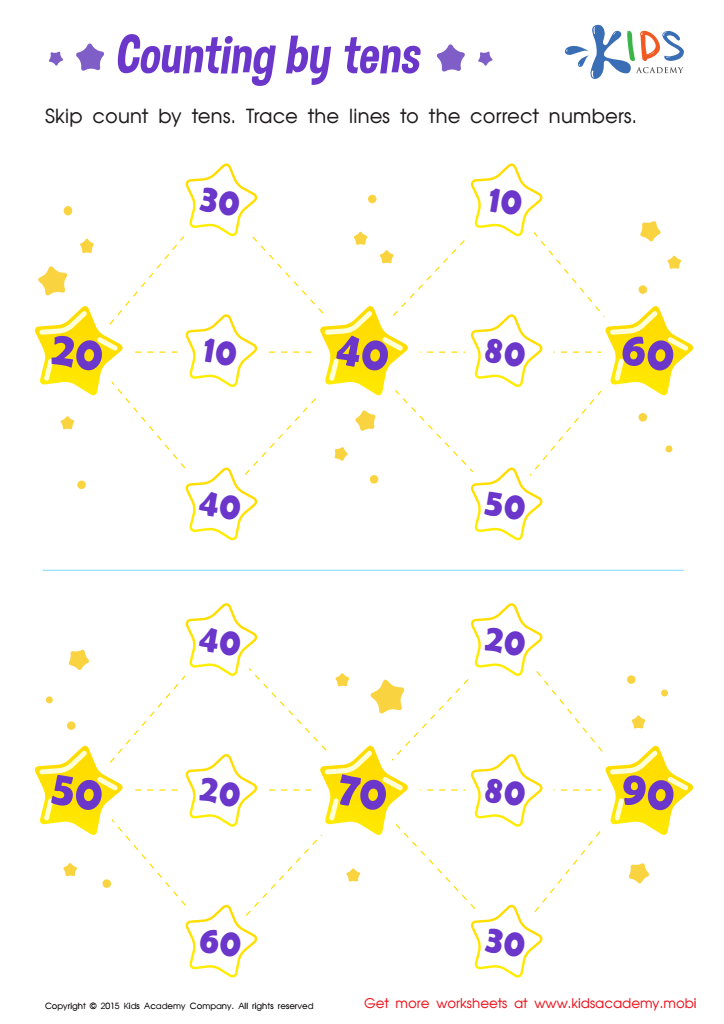
Learn Dozens: Counting by Tens Printable
 Assign to My Students
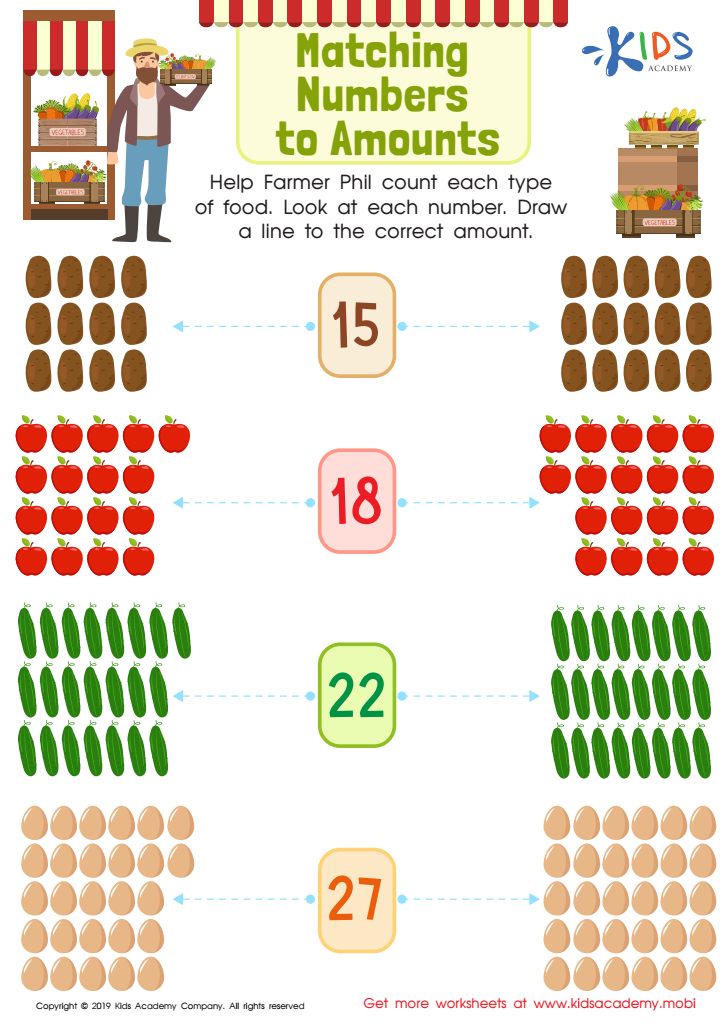
Matching Numbers to Amounts Worksheet

Counting on the City Skyline: Dot-to-Dot Worksheet






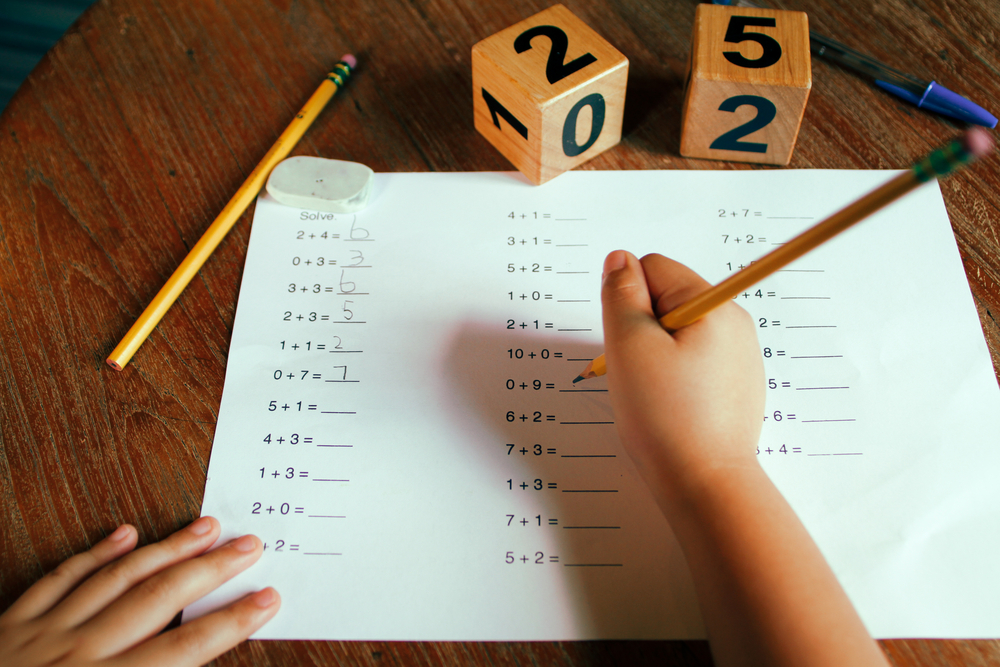

Number recognition is a foundational skill for children aged 6-8, serving as a critical building block for their mathematical development. When parents and teachers engage in fostering number recognition up to 100, they support essential cognitive skills that enhance overall learning.
Firstly, recognizing numbers lays the groundwork for basic arithmetic, allowing children to perform addition, subtraction, and later more complex calculations. Mastery of number recognition empowers children with confidence, enabling them to tackle math problems in school and everyday situations.
Moreover, number recognition is closely tied to developing literacy skills, as recognizing numbers enhances children’s pattern recognition and critical thinking abilities. It helps them make connections between concepts, such as grouping and sequencing.
Additionally, in an increasingly quantitative world, number literacy is vital. Understanding numbers affects daily tasks like budgeting, telling time, and interpreting data, skills necessary in both academic and real-life scenarios.
By prioritizing number recognition, parents and teachers instill in children a solid mathematical foundation, contributing to their overall intellectual growth and equipping them with the tools they need for future academic success and life skills. Investing in early number recognition ensures children grow into competent, confident individuals.