Fine Motor Skills Building Vocabulary Coloring Pages Worksheets for Ages 6-8
7 filtered results
-
From - To
Enhance your child's fine motor skills with our engaging vocabulary coloring pages and worksheets designed specifically for ages 6-8. These resources combine creative artistry with educational value, allowing children to explore new words while practicing hand-eye coordination and dexterity. Each worksheet presents an array of colorful illustrations, encouraging kids to color and craft their way through vocabulary building. Whether at home or in the classroom, these printable activities foster an enjoyable learning experience, promoting both language development and fine motor proficiency. Perfect for early learners, our worksheets support a balanced approach to education by merging play with valuable skills and knowledge.
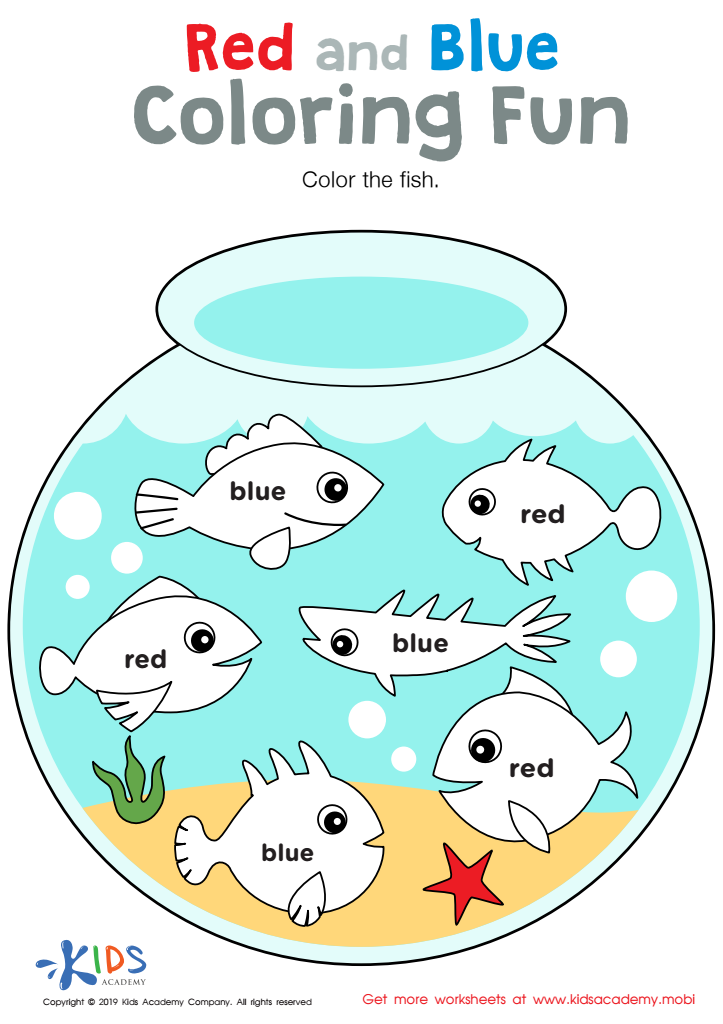
Red and Blue Coloring Fun Worksheet
 Assign to My Students
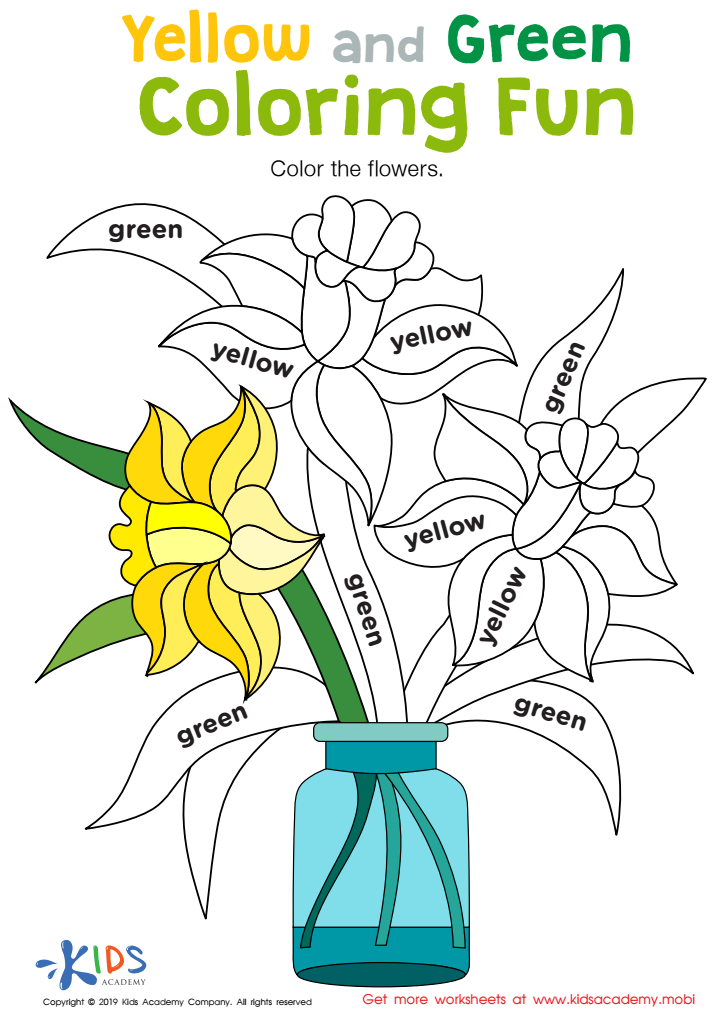
Yellow and Green Coloring Fun Worksheet
Assign to My Students
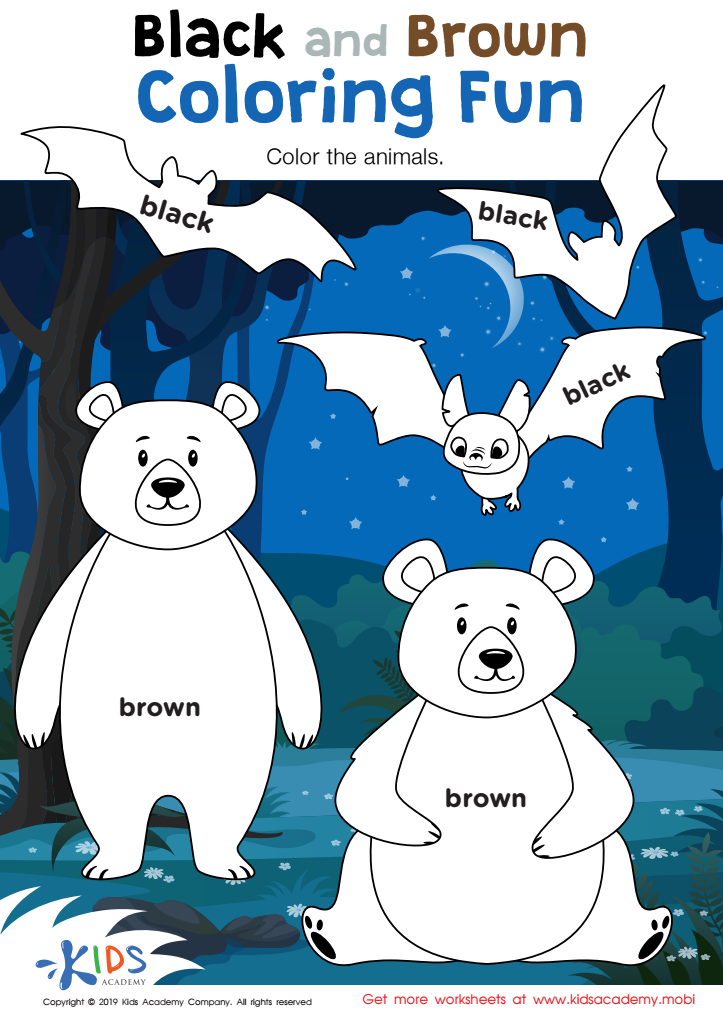
Black and Brown Coloring Fun Worksheet
Assign to My Students
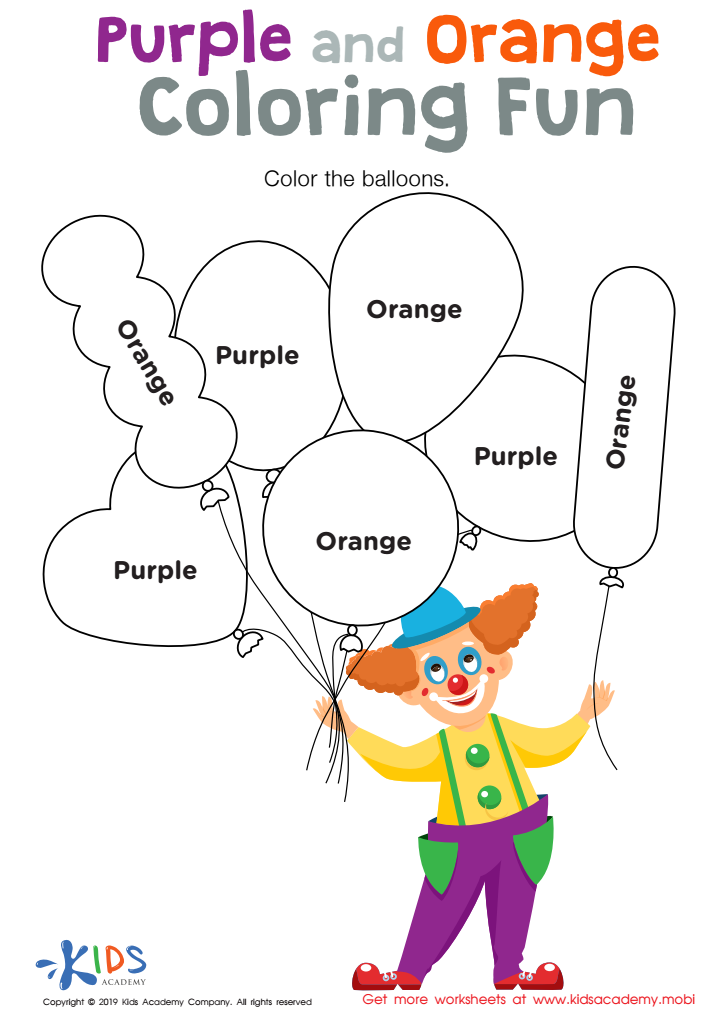
Purple and Orange Coloring Fun Worksheet
Assign to My Students
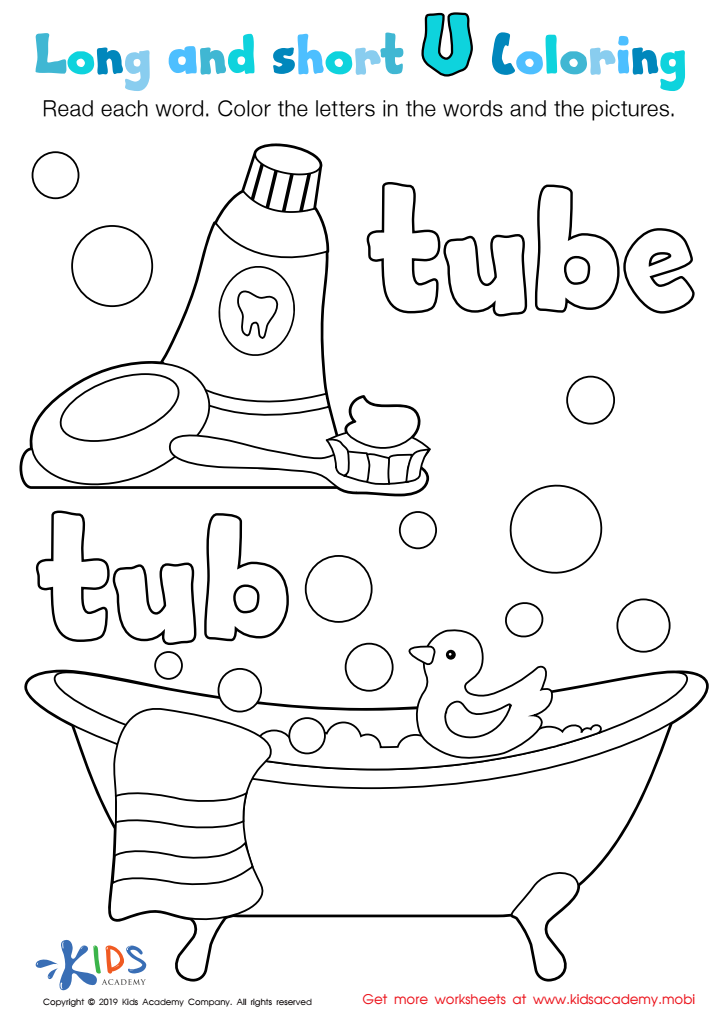
Long and Short U Worksheet
Assign to My Students
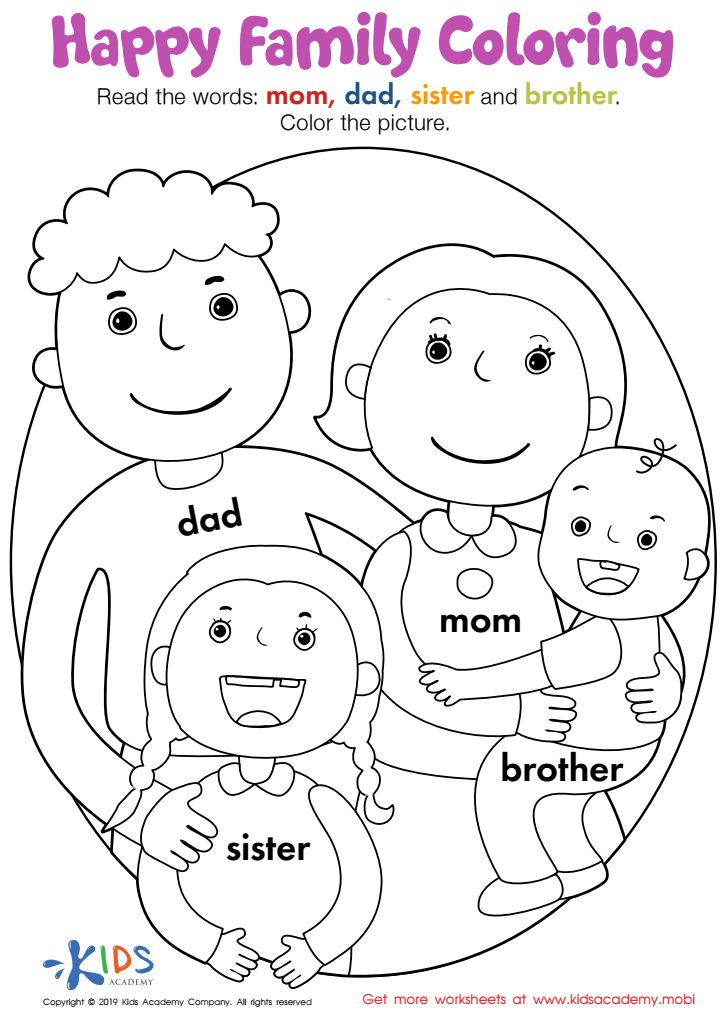
Happy Family Coloring Worksheet
Assign to My Students
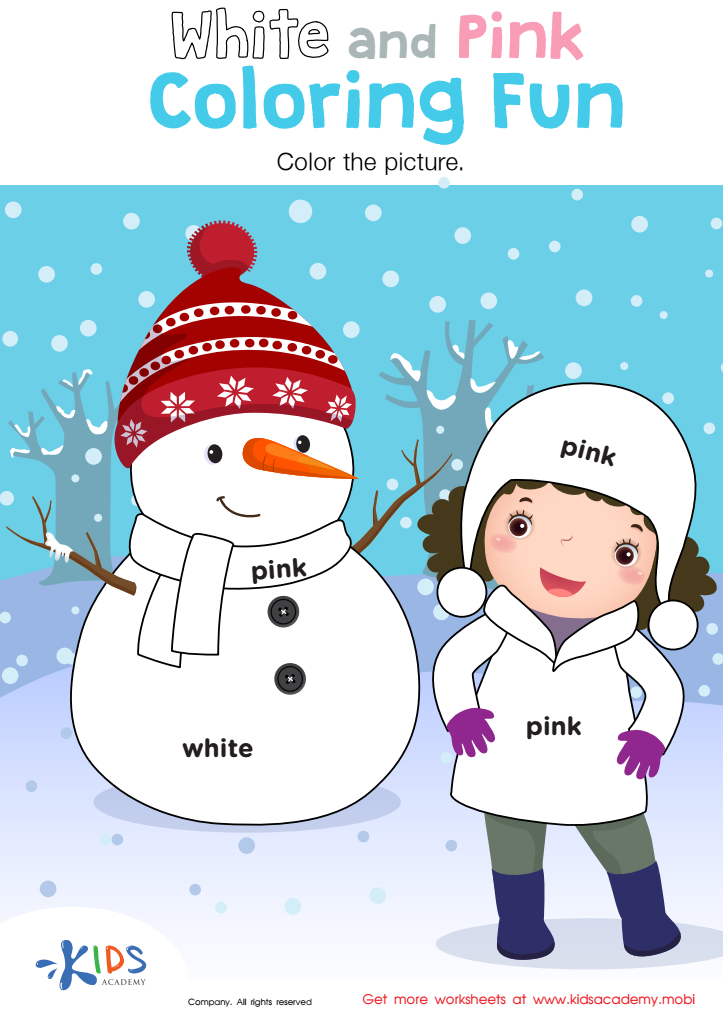
White and Pink Coloring Fun Worksheet
Assign to My Students



Fine motor skills are crucial at this developmental stage, and building vocabulary through engaging activities like coloring pages offers a multifaceted learning experience for children aged 6-8. First and foremost, fine motor skills involve the coordination of small muscles in the hands and fingers, which are essential for tasks such as writing, using utensils, and buttoning clothes. Enhancing these skills can boost a child's confidence and independence in daily activities.
Integrating vocabulary development into coloring activities fosters cognitive growth. When children engage with coloring pages that include words or themes—such as animals, occupations, or places—they learn to recognize and pronounce new words. Each coloring session becomes not just a vehicle for creativity, but also an avenue for language acquisition. Discussing the illustrations while coloring provides opportunities for dialogue, reinforcing context and meaning.
Moreover, these activities offer a calm, focused environment that nurtures attention and concentration, reinforcing other academic subjects. For parents and teachers, utilizing coloring pages is an effective way to combine skill-building with fun, making learning enjoyable and interactive. By incorporating fine motor practice and vocabulary enrichment into everyday tasks, adults can support holistic child development, paving the way for future academic and personal success.








