Basic Math Skills Building Vocabulary Worksheets for Ages 6-8
15 filtered results
-
From - To
Enhance your child's math abilities with our Basic Math Skills Building Vocabulary Worksheets, designed for ages 6-8. These engaging, printable worksheets combine essential math practice with vocabulary development, ensuring a well-rounded learning experience. Each worksheet covers fundamental math concepts like addition, subtraction, and shapes, while also introducing important math-related terms. By seamlessly integrating vocabulary building with math skills, our resources help children improve their understanding and confidence in both areas. Perfect for home or classroom use, our worksheets provide a fun yet challenging way to boost your child's math proficiency and language development.
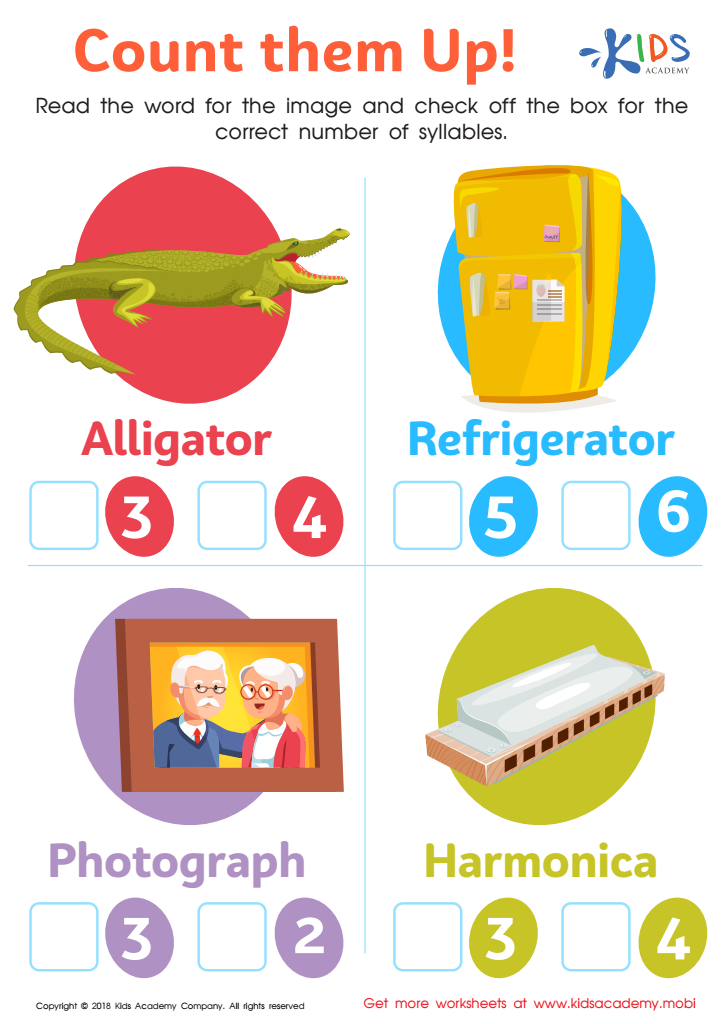
Count Them Up Worksheet
 Assign to My Students











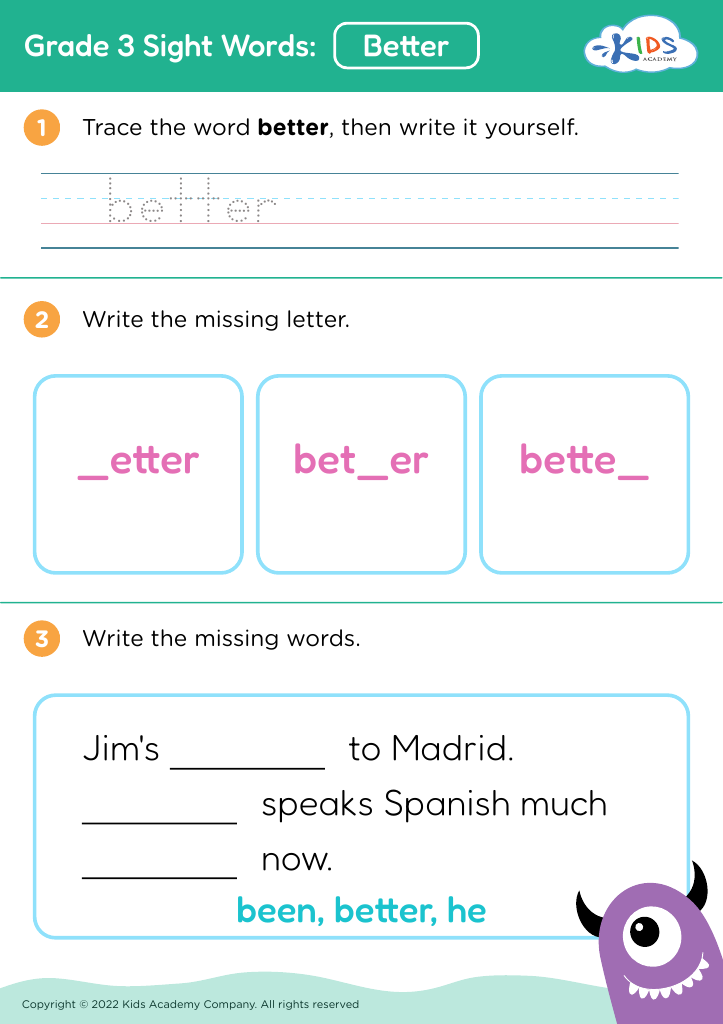
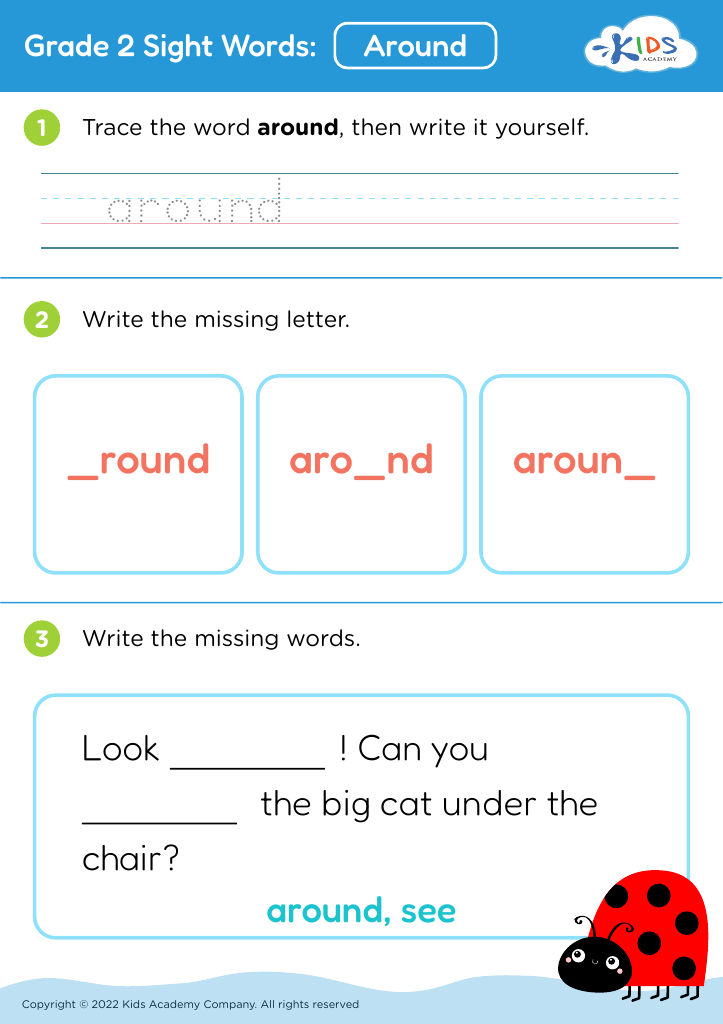
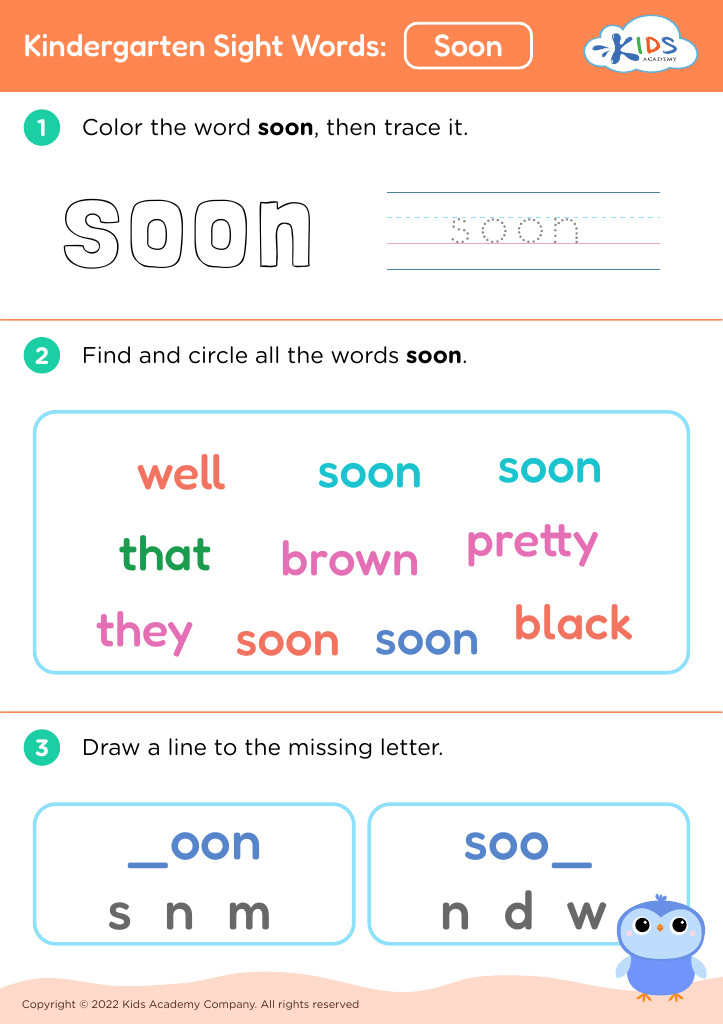
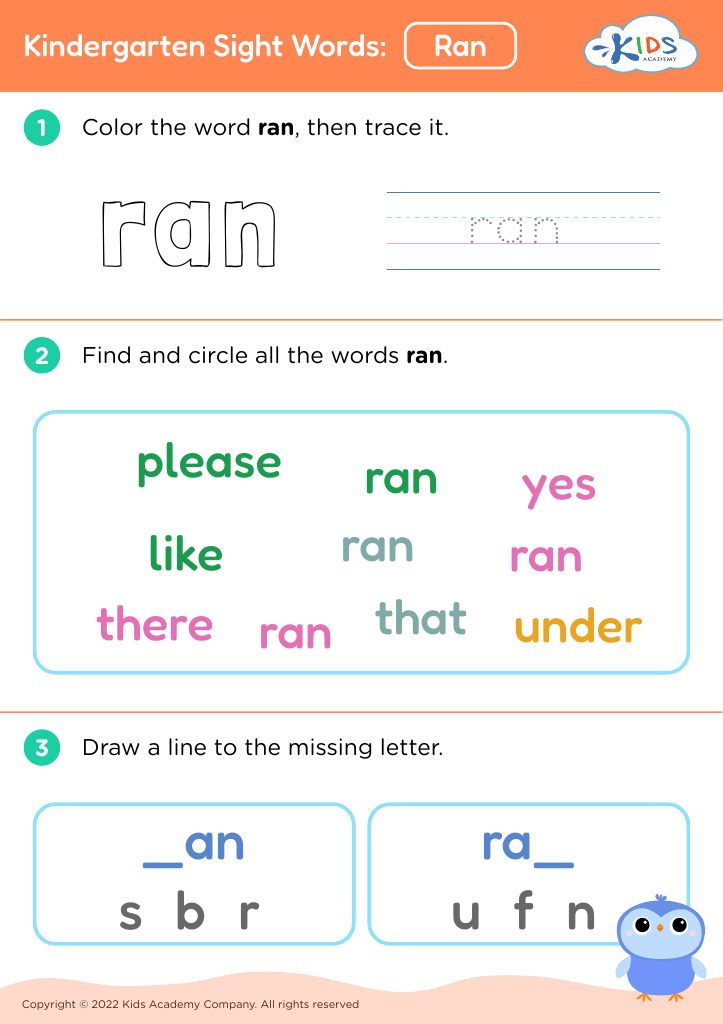








Parents and teachers should prioritize building basic math skills vocabulary for children aged 6-8 because it forms the foundation for all future math learning. At this age, children are developing critical cognitive skills and acquiring a robust mathematical vocabulary, which enables them to grasp complex concepts more easily as they grow. Understanding fundamental terms such as "addition," "subtraction," "greater than," and "less than" allows young learners to follow instructions, understand math problems, and communicate their thought processes effectively.
Moreover, possessing a strong math vocabulary empowers children to engage confidently in classroom discussions and activities, fostering a positive attitude toward math. This confidence can diminish math anxiety, a common hurdle that affects many students later in their educational journey. Developing these skills early also enhances problem-solving abilities and logical reasoning, which are applicable beyond math and beneficial across all subjects.
Teachers and parents play a crucial role in reinforcing this vocabulary through everyday interactions, games, and practical examples. By integrating math talk into daily routines, both at home and in the classroom, adults help children see the relevance of math in real life, making learning engaging and meaningful. Ultimately, a well-established math vocabulary serves as a stepping stone for academic success and everyday numeracy.








