Comparing quantities Building Vocabulary Worksheets for Ages 6-8
3 filtered results
-
From - To
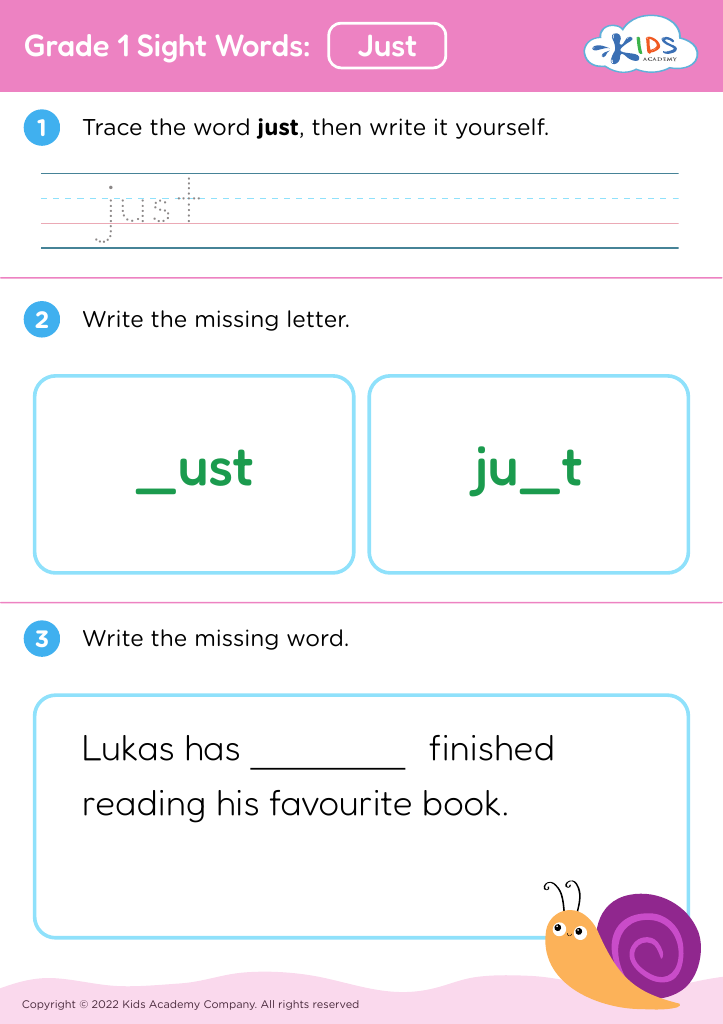
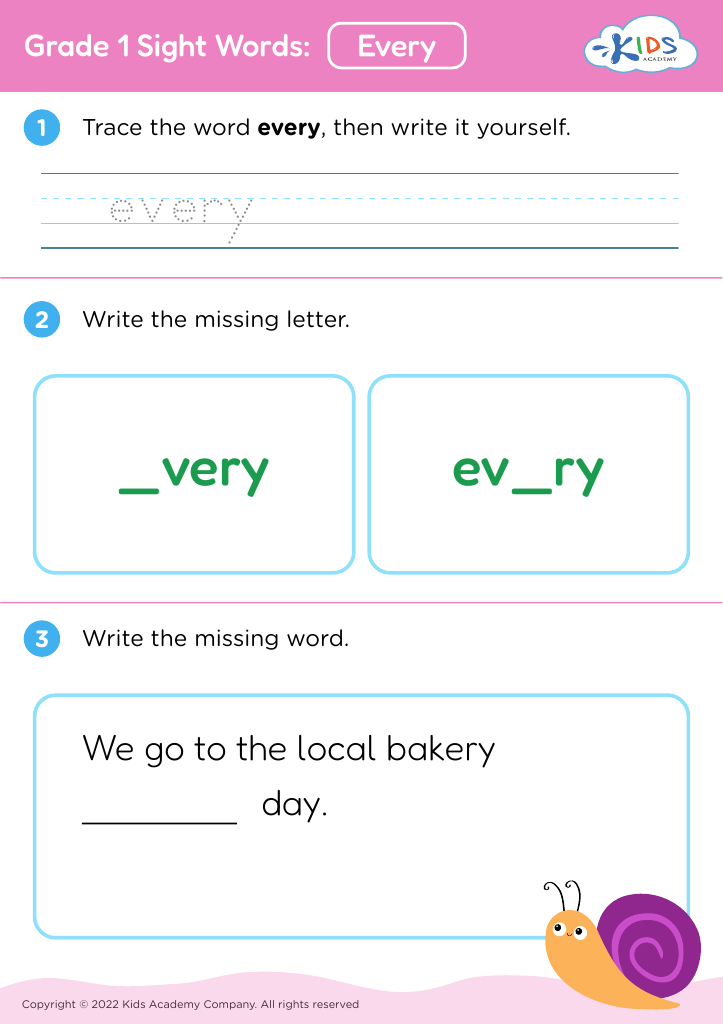
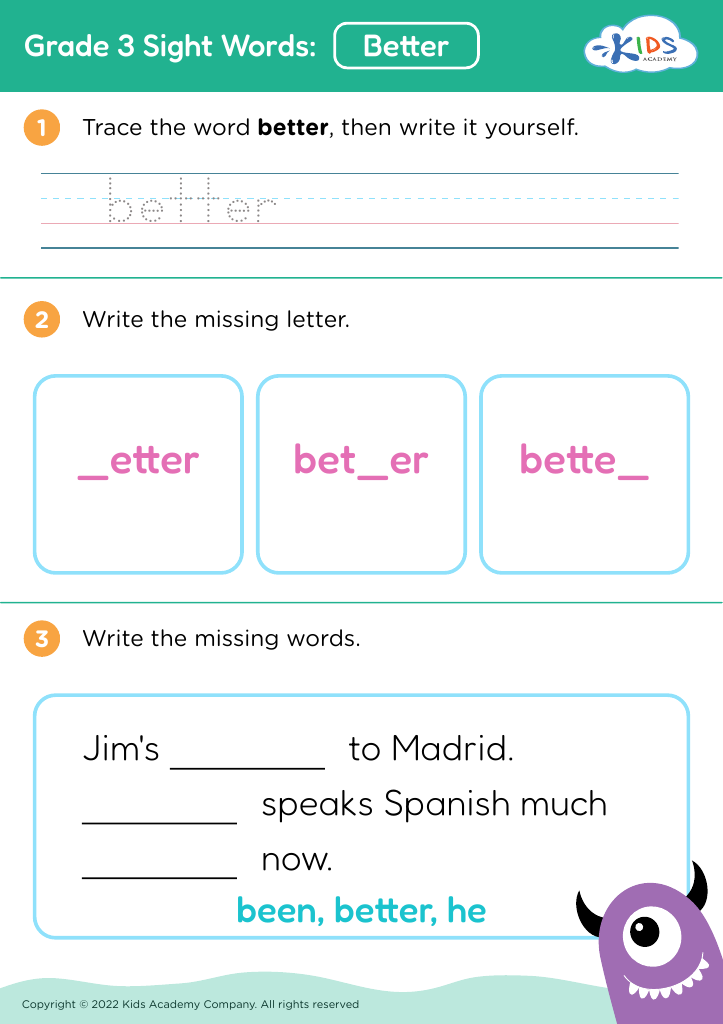
Introducing "Comparing Quantities Building Vocabulary Worksheets" designed for ages 6-8 to enhance your child's language and math skills. These engaging worksheets help children learn essential vocabulary associated with comparing quantities, while also boosting their reading comprehension and critical thinking. Perfect for home or classroom use, each worksheet provides fun, educational activities that encourage young learners to identify and describe differences and similarities between objects. Whether it's counting, measuring, or comparing more, less, and equal, your child will gain confidence in using comparative language, laying a solid foundation for future academic success. Start building strong vocabulary skills today!













.jpg)
.jpg)




Comparing quantities and building vocabulary for ages 6-8 are foundational skills vital for a child's development in various aspects of their education and daily life. During this pivotal time, children’s brains are rapidly developing, making it crucial to introduce educational practices that strengthen their cognitive and language abilities.
Firstly, comparing quantities teaches essential mathematical concepts like more than, less than, equal to, and understanding numerical relationships. These skills are the building blocks for advanced mathematical thinking and problem-solving. For instance, grasping these concepts helps children with more complex ideas, such as multiplication and fractions in later grades. By constantly practicing these comparisons in the classroom and at home, children become more adept at logical reasoning and analytical thinking.
Simultaneously, building vocabulary enriches children's language and communication skills. A robust vocabulary allows children to express their thoughts, understand instructions, and follow narratives comprehensively. It also enhances their reading comprehension, enabling them to decode and make sense of text more effectively. Furthermore, children who have a well-developed vocabulary can better engage in social interactions, which contributes to emotional and social growth.
Together, these skills foster an environment where children become proficient communicator and efficient problem solver. Parents and teachers should feel encouraged to incorporate activities and lessons that combine both quantitative analysis and vocabulary building, as this holistic approach supports overall cognitive development and prepares children for future academic success.








