Filters

14 filtered results

Clear all filters
Favorites
With answer key
Interactive

14 filtered results

Difficulty Level

Grade


Boost your child’s reading and comprehension skills with our "Following Instructions Building Vocabulary Worksheets" designed for ages 6-8. These engaging worksheets help young learners understand and follow multi-step directions while enhancing their vocabulary. Each activity encourages critical thinking and reinforces important concepts through fun, interactive tasks. As children learn to decipher and execute instructions, they build confidence in their abilities and strengthen their understanding of language. Perfect for classroom settings or at-home learning, our worksheets provide a solid foundation for effective communication and literacy skills. Watch your child thrive as they master the art of following instructions!

Check out this FREE Trial Lesson on Building Vocabulary for age 6-8!

L

Favorites
With answer key
Interactive
  • 6-8
  • Following instructions
  • Building Vocabulary
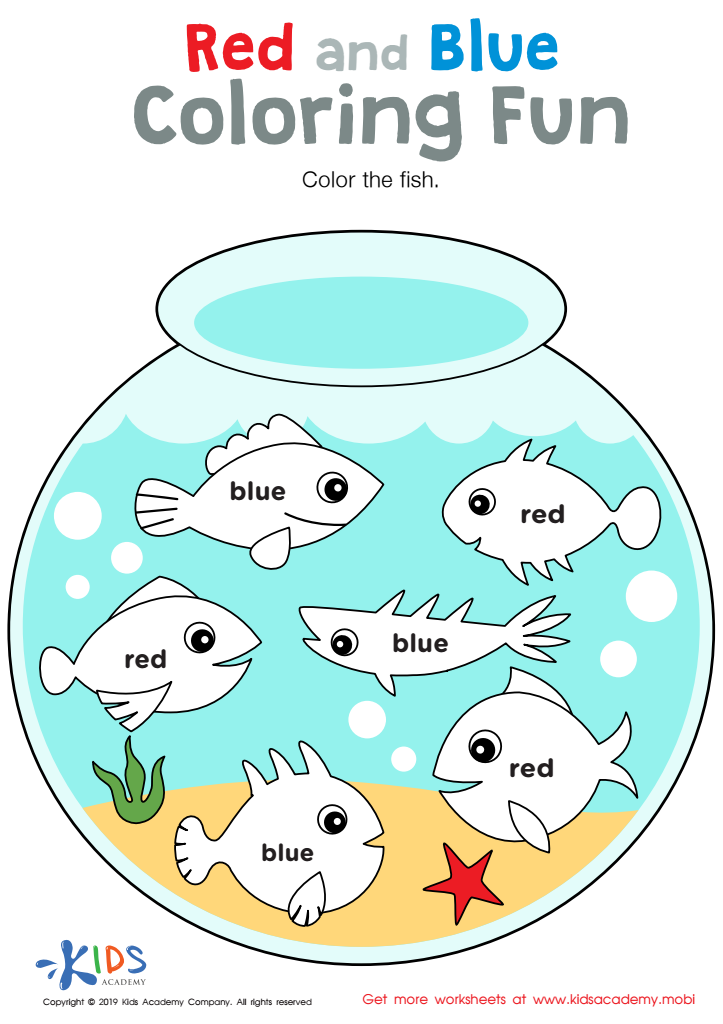
Red and Blue Coloring Fun Worksheet

Red and Blue Coloring Fun Worksheet

Kids know colors like red and blue. But can they read these words? Give them practice with this fun fish bowl coloring sheet. They'll look at the fish, then color them the corresponding hue. Home or classroom, they'll be sure to get a kick out of learning colors in this creative way!
Download (PDF)
Assign to My Students
Red and Blue Coloring Fun Worksheet
Worksheet
More Octopus Facts Worksheet

More Octopus Facts Worksheet

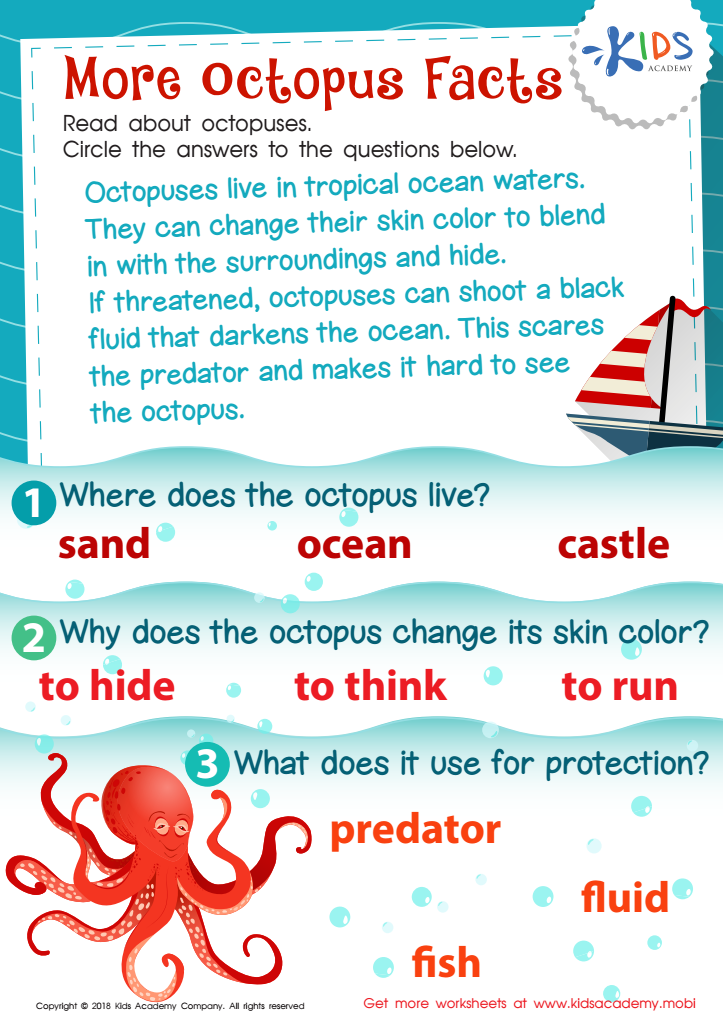
This worksheet will help your kids learn about the Octopus. Read the text carefully and have kids read with you. Now, ask them questions based on it and help them answer them by circling the right choices. Teaching your kids facts about animals will help them in the long run.
More Octopus Facts Worksheet
Worksheet
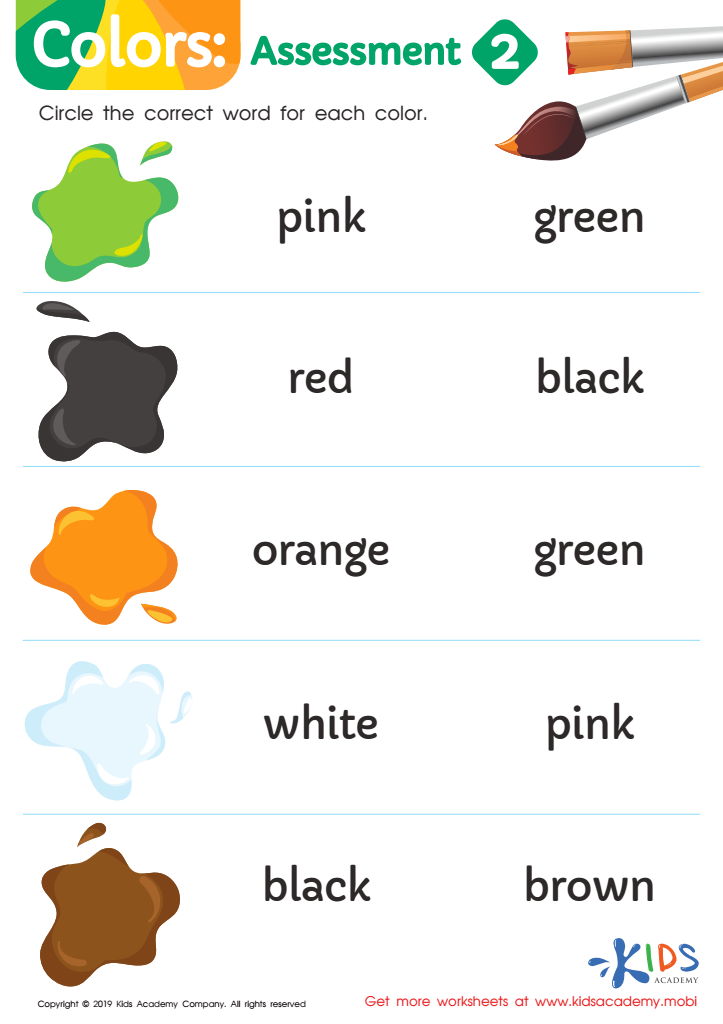
Colors: Assessment 2 Worksheet

Colors: Assessment 2 Worksheet

Teach color words to young students to build fluency and confidence. Check knowledge with an assessment worksheet. Have students look at paint samples and circle the correct color word. This assessment helps parents and teachers measure a child’s accuracy when reading color words.
Colors: Assessment 2 Worksheet
Worksheet
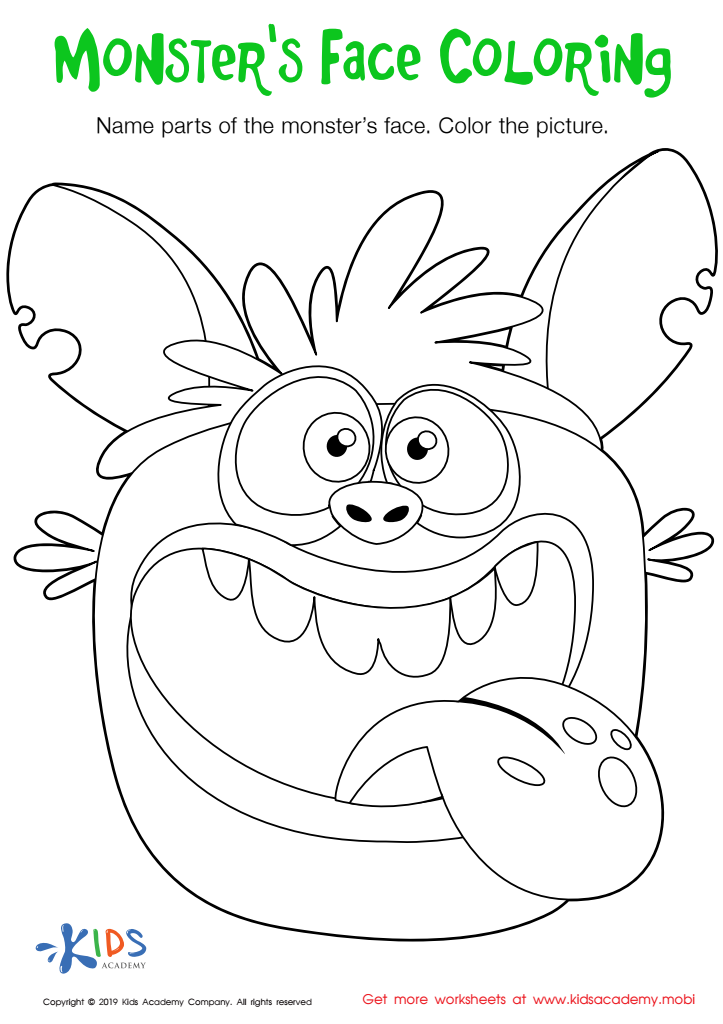
Monster's Face Coloring Worksheet

Monster's Face Coloring Worksheet

Have your students practice identifying face parts with this fun worksheet. Teach them how to say eyes, nose, mouth, and ears. Help them master these words so they can express themselves better. And have some fun with the monster coloring page too!
Download (PDF)
Assign to My Students
Monster's Face Coloring Worksheet
Worksheet
Which Is It? Worksheet

Which Is It? Worksheet

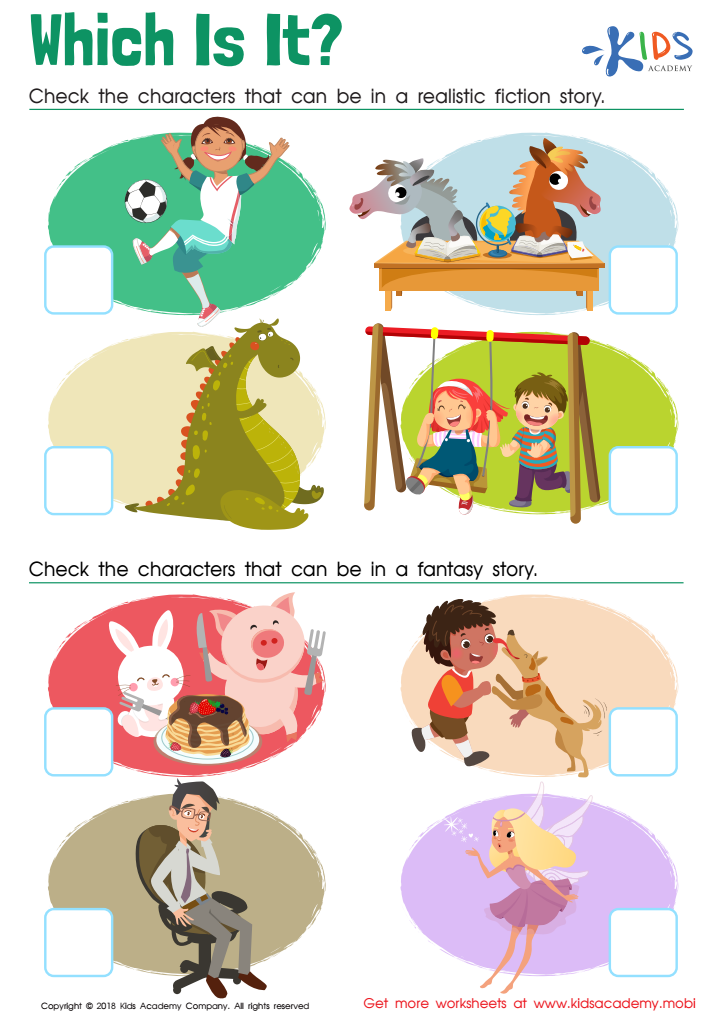
This colorful worksheet helps young readers identify elements of fact and fiction using fun picture clues. They can check off characters who exist in realistic fiction stories, which makes learning the difference between the two genres fun and engaging.
Which Is It? Worksheet
Worksheet
Assessment: Aquarium Sign Worksheet
Assessment: Aquarium Sign Worksheet
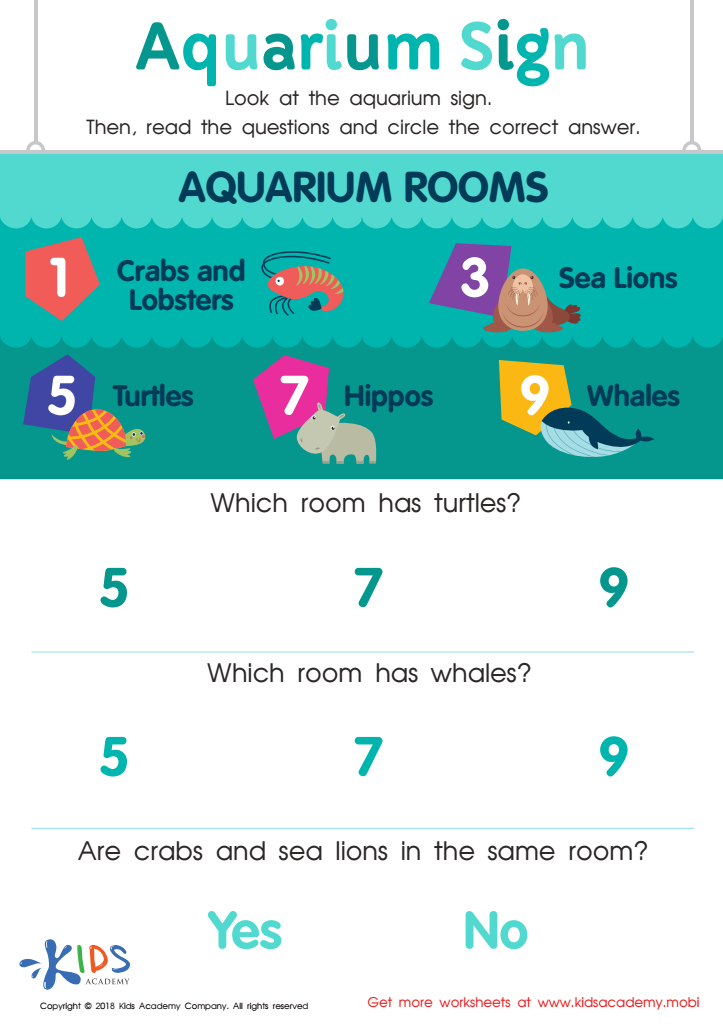
Take your kids to an aquarium and marvel at the sea creatures! Help them identify the animals they see, and ask them which one is their favorite. Look at the aquarium sign and point to each creature. Ask your kids the questions and help them circle the right answer.
Assessment: Aquarium Sign Worksheet
Worksheet
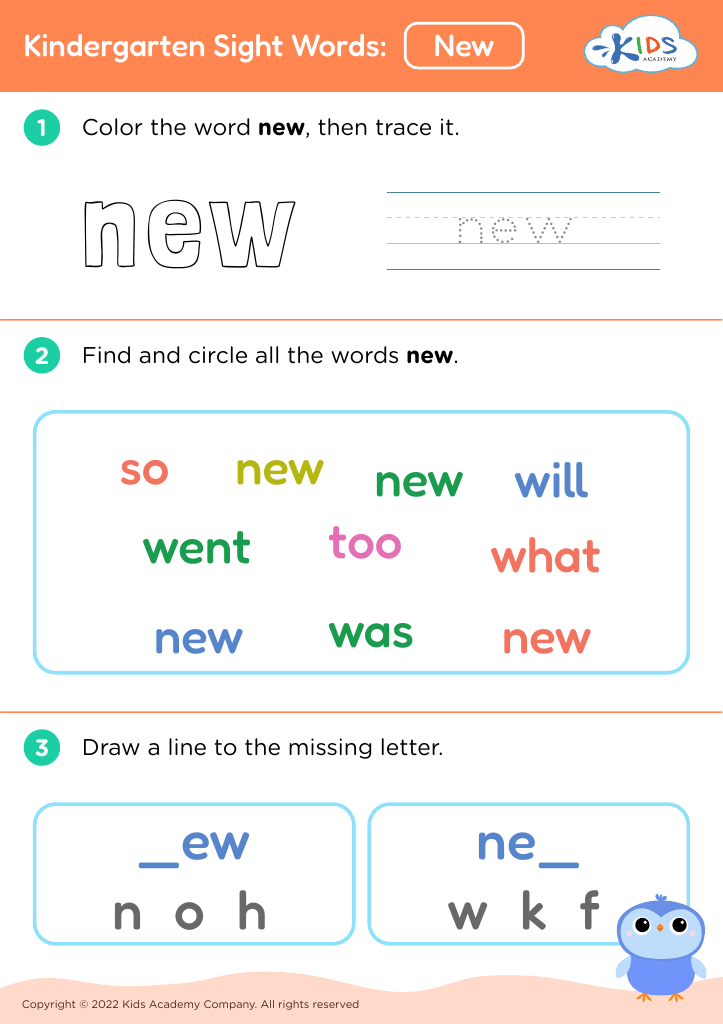
Kindergarten Sight Words: New

Kindergarten Sight Words: New

Kindergarten Sight Words: New
Worksheet
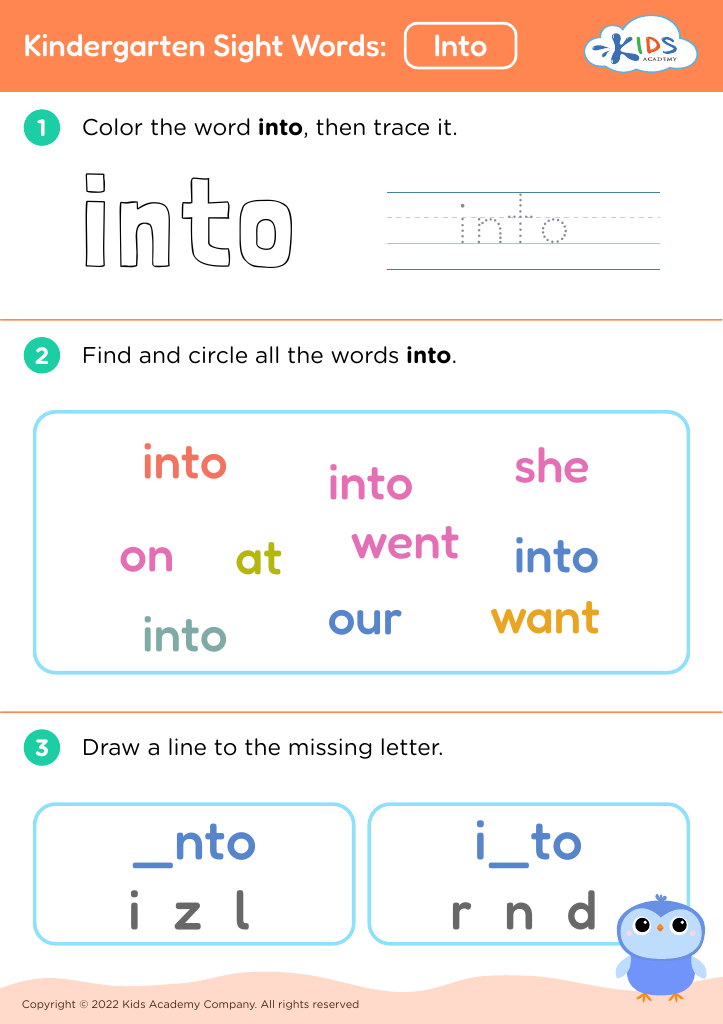
Kindergarten Sight Words: Into

Kindergarten Sight Words: Into

Kindergarten Sight Words: Into
Worksheet
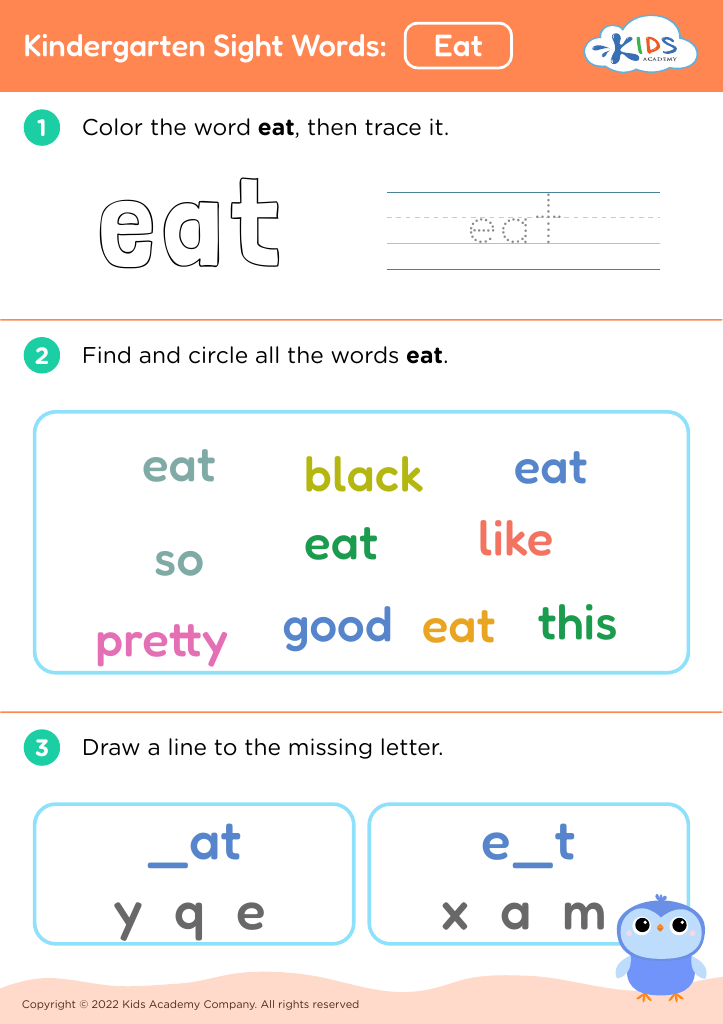
Kindergarten Sight Words: Eat

Kindergarten Sight Words: Eat

Kindergarten Sight Words: Eat
Worksheet
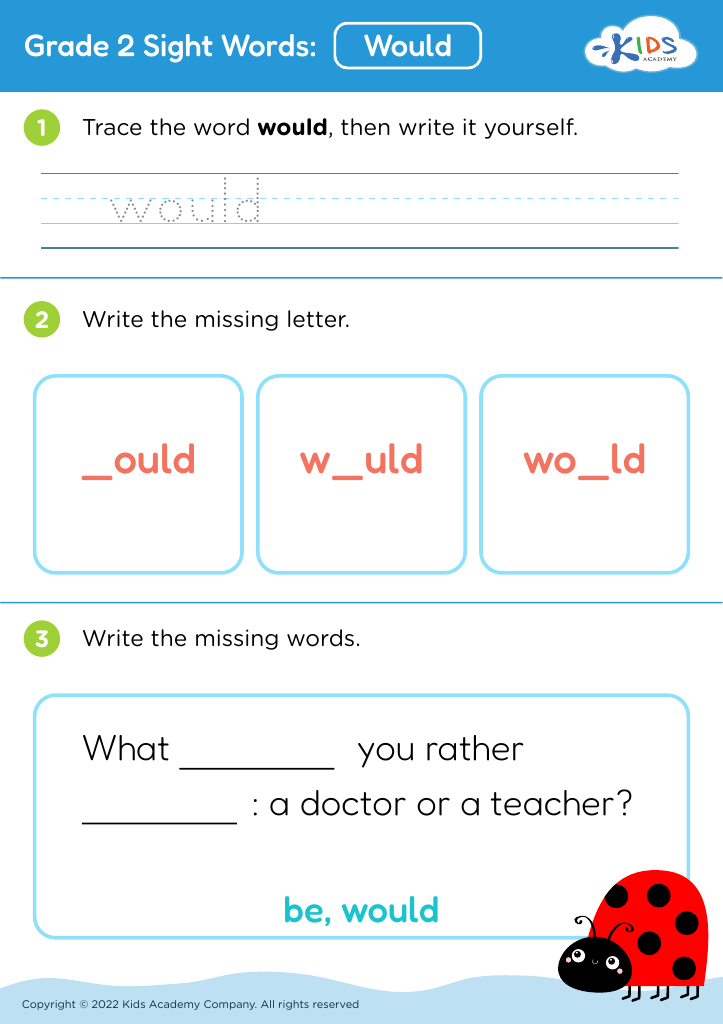
Grade 2 Sight Words: Would

Grade 2 Sight Words: Would

Grade 2 Sight Words: Would
Worksheet
Grade 3 Sight Words: Ten

Grade 3 Sight Words: Ten

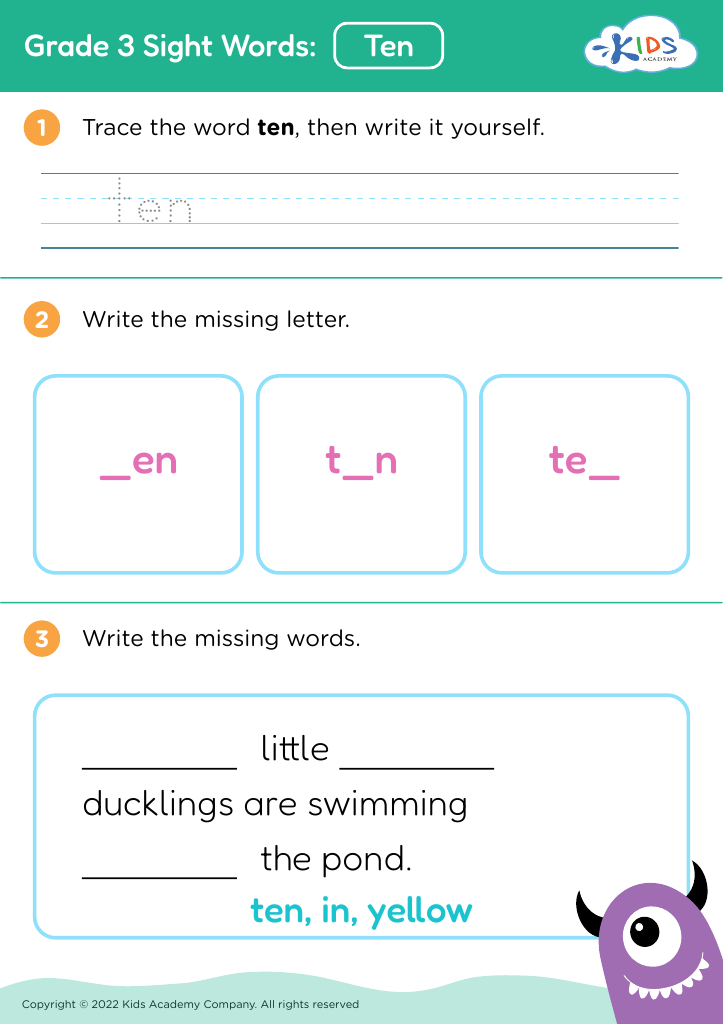
Grade 3 Sight Words: Ten
Worksheet
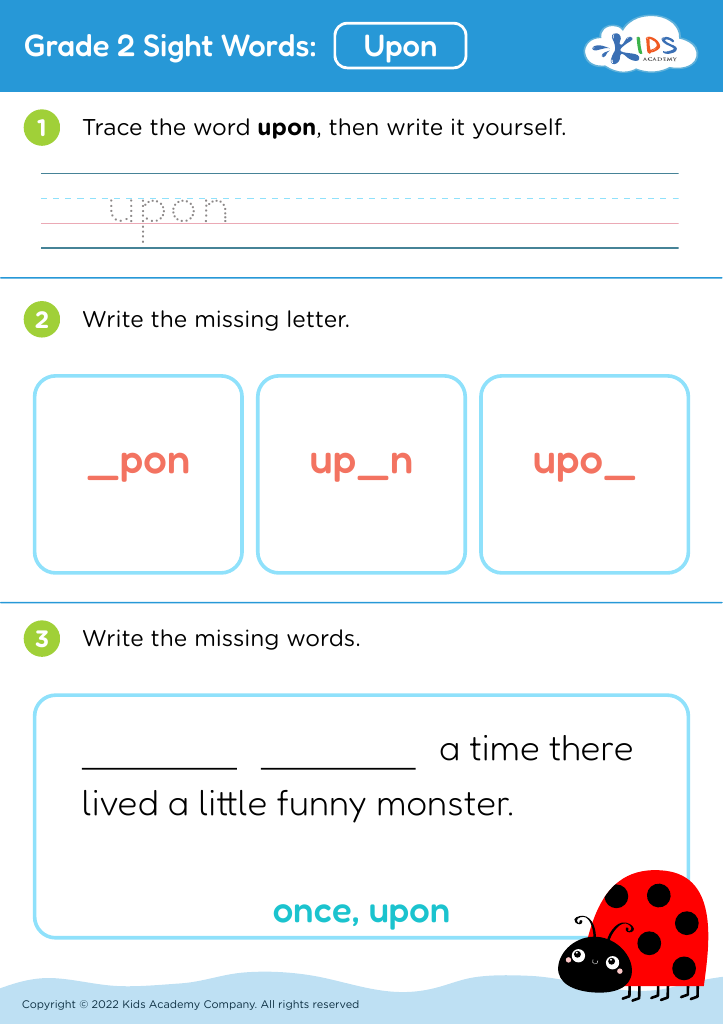
Grade 2 Sight Words: Upon

Grade 2 Sight Words: Upon

Grade 2 Sight Words: Upon
Worksheet
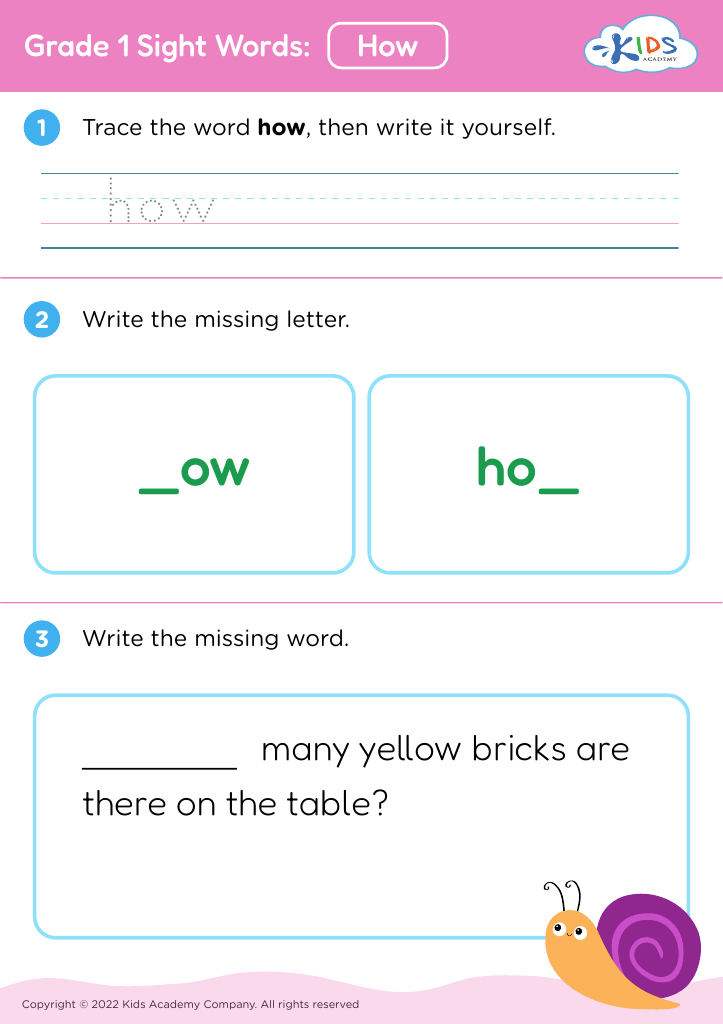
Grade 1 Sight Words: How

Grade 1 Sight Words: How

Grade 1 Sight Words: How
Worksheet
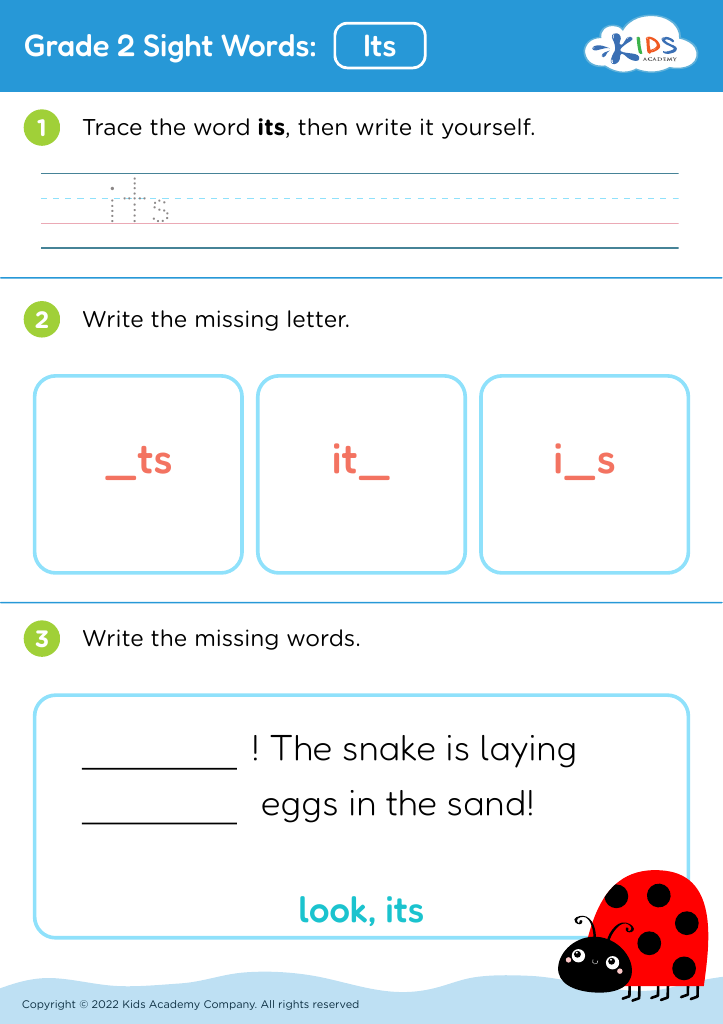
Grade 2 Sight Words: Its

Grade 2 Sight Words: Its

Grade 2 Sight Words: Its
Worksheet


Following instructions and building vocabulary are critical components of early education for children aged 6-8. At this developmental stage, children are learning to navigate more complex tasks and social interactions. Following instructions not only enhances their ability to complete assignments successfully, but also fosters independence, responsibility, and respect for authority. When children learn to follow multi-step directions, they develop crucial executive functioning skills that benefit them academically and socially.

Building vocabulary is equally important, as a rich vocabulary empowers children to express themselves clearly and confidently. It enhances their reading comprehension, which is foundational for all learning. A strong vocabulary enables them to articulate their thoughts and feelings, fostering better communication and social skills. Additionally, by increasing their vocabulary, children can engage more deeply with literature and discussions, making the learning process more enjoyable and meaningful.

Both skills work in tandem: following instructions often involves understanding specific vocabulary, while a robust vocabulary can aid in deciphering directions. Therefore, parents and teachers should prioritize these areas to support children’s holistic development, preparing them for future academic challenges and equipping them with essential life skills. Early investment in these proficiencies lays a strong foundation for lifelong learning.