Improving reading skills Building Vocabulary Worksheets for Ages 6-8
3 filtered results
-
From - To
Enhance your child's reading abilities with our "Improving Reading Skills: Building Vocabulary Worksheets" tailored for ages 6-8. These engaging resources are designed to help young learners expand their vocabulary while improving comprehension and fluency. With a variety of fun activities, including word matching, fill-in-the-blanks, and interactive games, children will enjoy learning new words in an enjoyable way. Each worksheet fosters critical thinking and promotes a love for reading, laying a strong foundation for academic success. Explore our printable materials to support your child's journey in literacy and watch their confidence soar as they master new vocabulary skills!
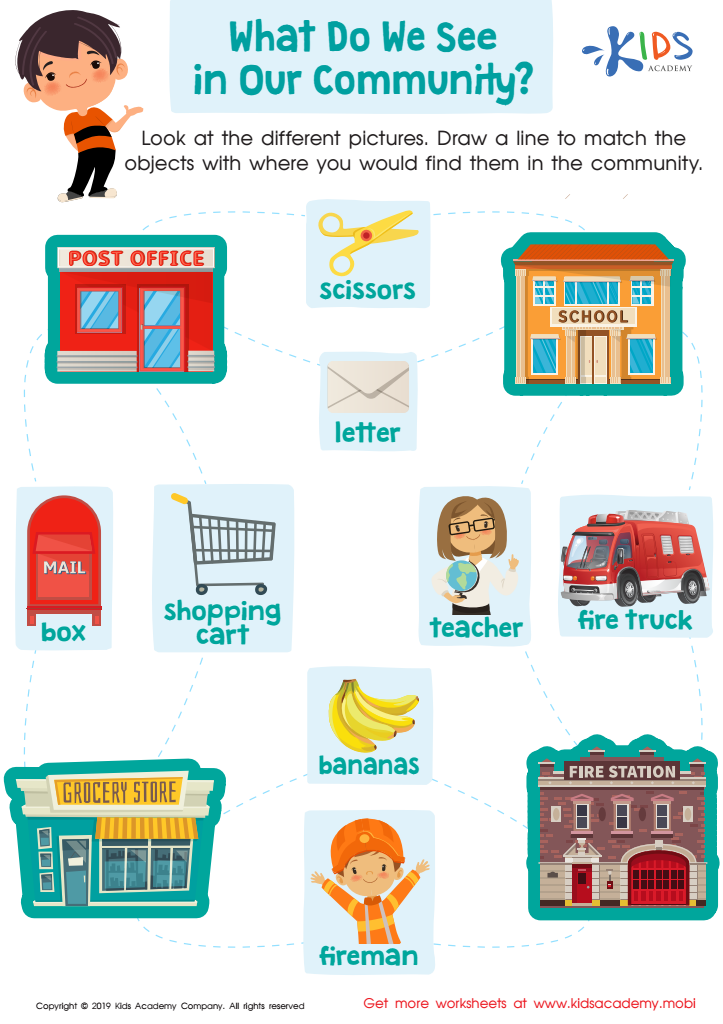
What Do We See in our Community? Worksheet
 Assign to My Students











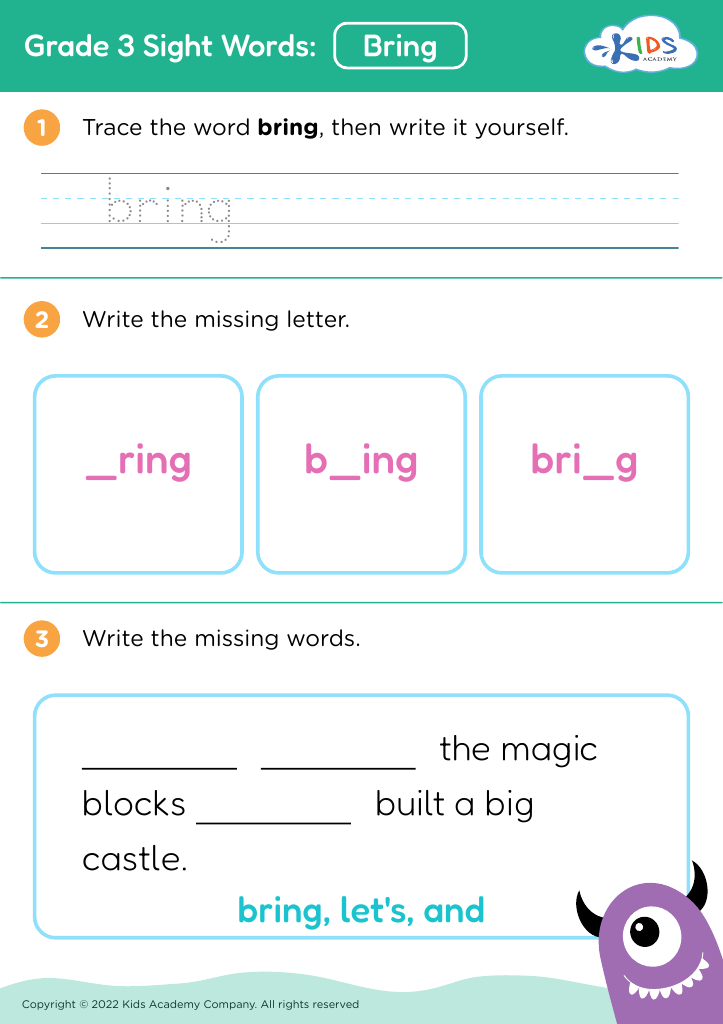
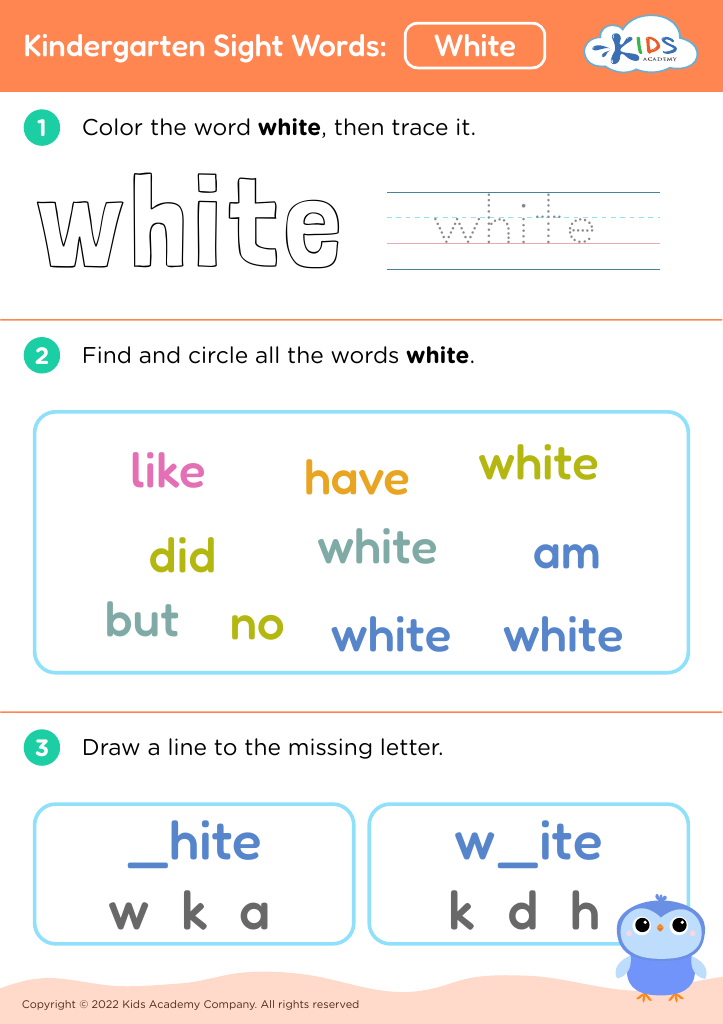







.jpg)
Improving reading skills and building vocabulary for children aged 6-8 is crucial for multiple reasons. Firstly, this age group is a pivotal stage in literacy development, where children transition from learning to read to reading to learn. A strong foundation in reading helps enhance comprehension skills across subjects, as children begin to absorb more complex information.
Furthermore, a rich vocabulary empowers children to articulate their thoughts, engage in discussions, and express themselves clearly. As they encounter diverse words and context, students become more confident in both their spoken and written communication. This is essential not only for their academic success but also for their social interactions.
Moreover, proficient reading skills are linked to higher academic achievement and lifelong learning. Early intervention can help identify and address reading difficulties, reducing the risk of future struggles and fostering a love for reading that can last a lifetime. Teachers and parents who prioritize improving these skills create an enriched environment where learning flourishes. Ultimately, investing time and resources into enhancing reading and vocabulary sets the stage for academic success and personal growth, equipping children with essential skills for their future.








