
Logical thinking Building Vocabulary Worksheets for Ages 6-8
3 filtered results
Difficulty Level
Grade
Age
-
From - To
Subject
Activity
Standards
Enhance your child's critical thinking and vocabulary skills with our "Logical Thinking Building Vocabulary Worksheets for Ages 6-8"! Tailored for young learners, these engaging worksheets foster intellectual development and boost language proficiency. Each activity is designed to encourage logical reasoning, problem-solving, and articulate communication. From matching exercises to word puzzles, our printable resources challenge kids to expand their vocabulary while making learning fun. Perfect for classroom use or supplemental home practice, these worksheets provide a solid foundation for future academic success. Prepare your child for advanced literacy skills with our thoughtfully curated materials.
Favorites
With answer key
Interactive
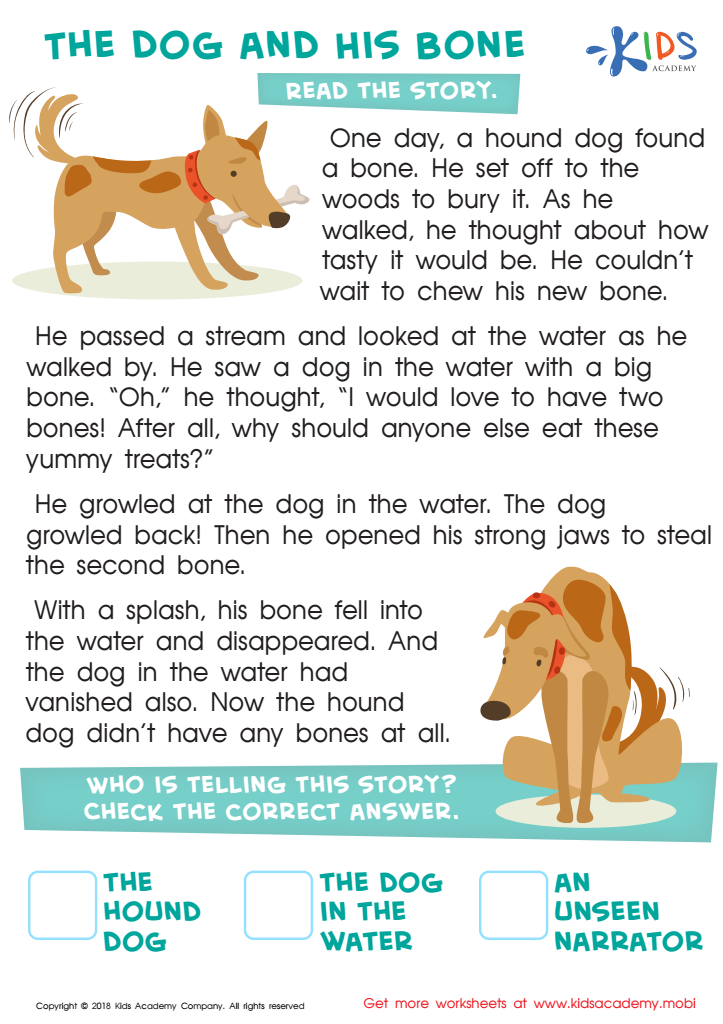
The Dog and His Bone Worksheet
Read the story of The Dog and His Bone to your kids, making sure they take in the details. Ask them the questions in this worksheet and help them check the answers. Encourage them to think carefully.
 Assign to My Students
The Dog and His Bone Worksheet
Worksheet











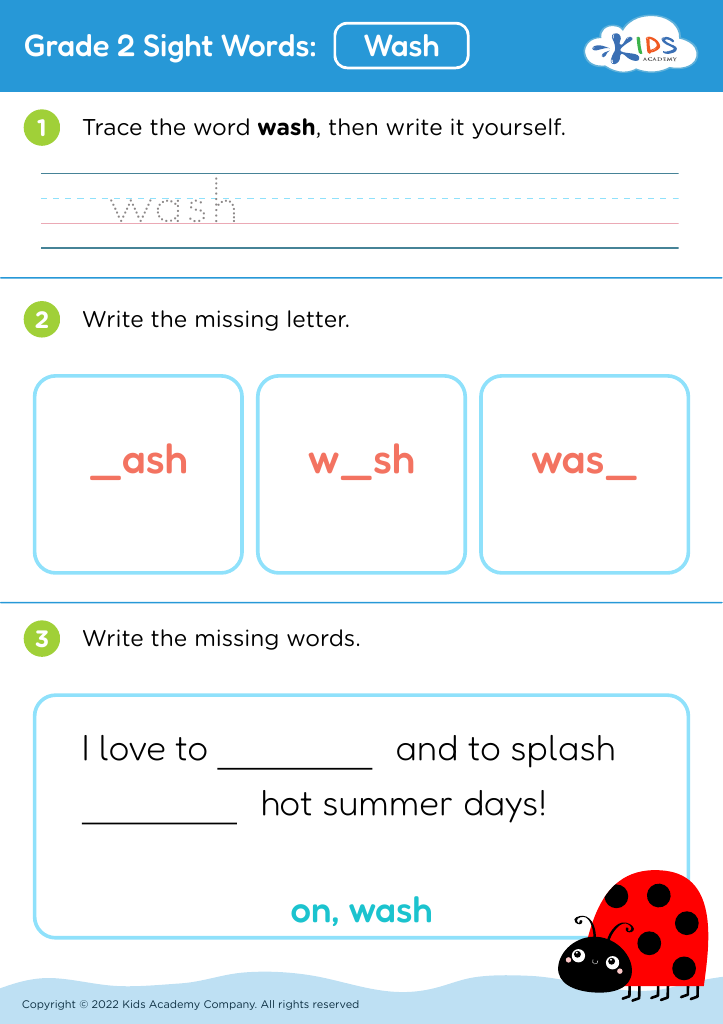
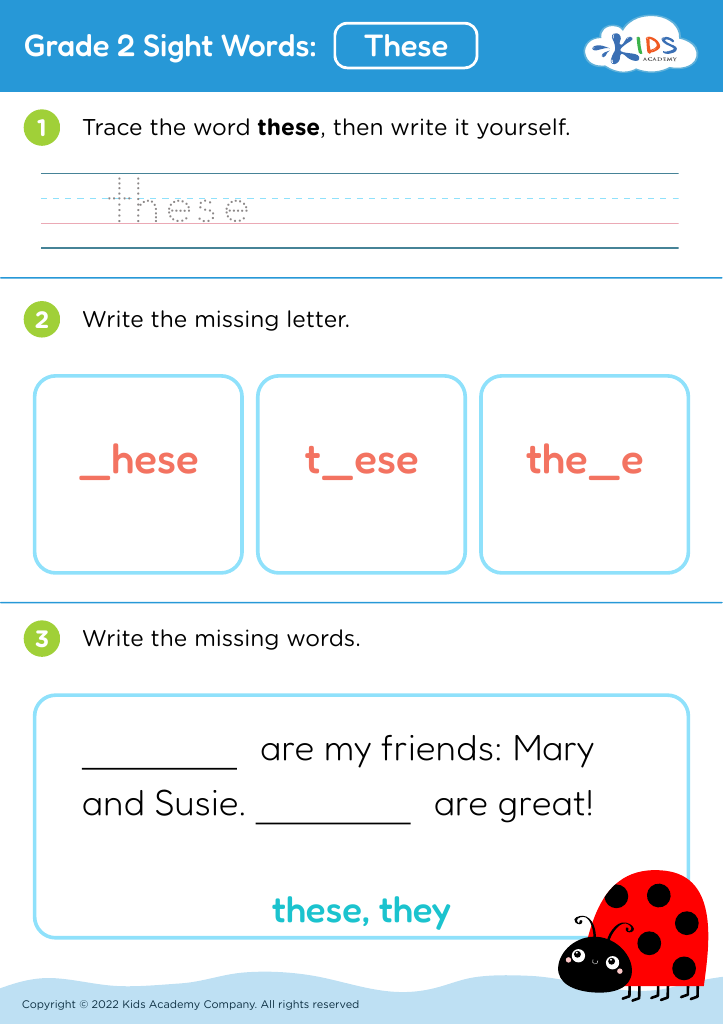
Join Kids Academy for Free
Who is primarily going to use this learning content?





.jpg)


Developing logical thinking and vocabulary skills for children aged 6-8 is crucial for their cognitive, communicative, and social growth. At this developmental stage, children's brains are highly receptive to learning. Enhancing logical thinking equips them to face problem-solving tasks, understand sequences, and make informed decisions. These skills are fundamental not only in mathematics and science but also in daily activities and future learning endeavors. Logical thinking encourages children to form and test hypotheses, fostering a mindset that's inquisitive and solution-focused.
Building a strong vocabulary complements logical thinking by enabling more effective communication. Vocabulary is the foundation of literacy, aiding in reading comprehension and expressive language. When children have a robust vocabulary, they can better understand instructions, articulate their thoughts, and engage meaningfully in discussions. This fluency bolsters their self-confidence and interpersonal skills.
Moreover, integrating logical thinking with vocabulary development ensures that children can grasp complex concepts more readily. For instance, understanding words associated with cause-and-effect relationships enhances their ability to connect ideas logically.
Therefore, investing time and effort in nurturing these skills lays a vital groundwork for academic success and personal development, empowering children to navigate the world both intellectually and socially. Regular practice through interactive activities, games, and open conversations makes this learning process enjoyable and effective.








