Numerical problem solving Building Vocabulary Worksheets for Ages 6-8
3 filtered results
-
From - To
Boost your child's numerical problem-solving skills with our engaging Building Vocabulary Worksheets for ages 6-8! Designed specifically for early learners, these worksheets seamlessly integrate math and vocabulary, helping students grasp essential words and phrases while enhancing their critical thinking skills. Each activity encourages exploration and understanding of numerical concepts through relatable scenarios, making learning enjoyable and effective. With a variety of exercises focused on real-life applications, children will become more confident in tackling word problems and using appropriate mathematical language. Equip your aspiring mathematicians with the tools they need to succeed—in math and comprehension—with our interactive, fun-filled worksheets!
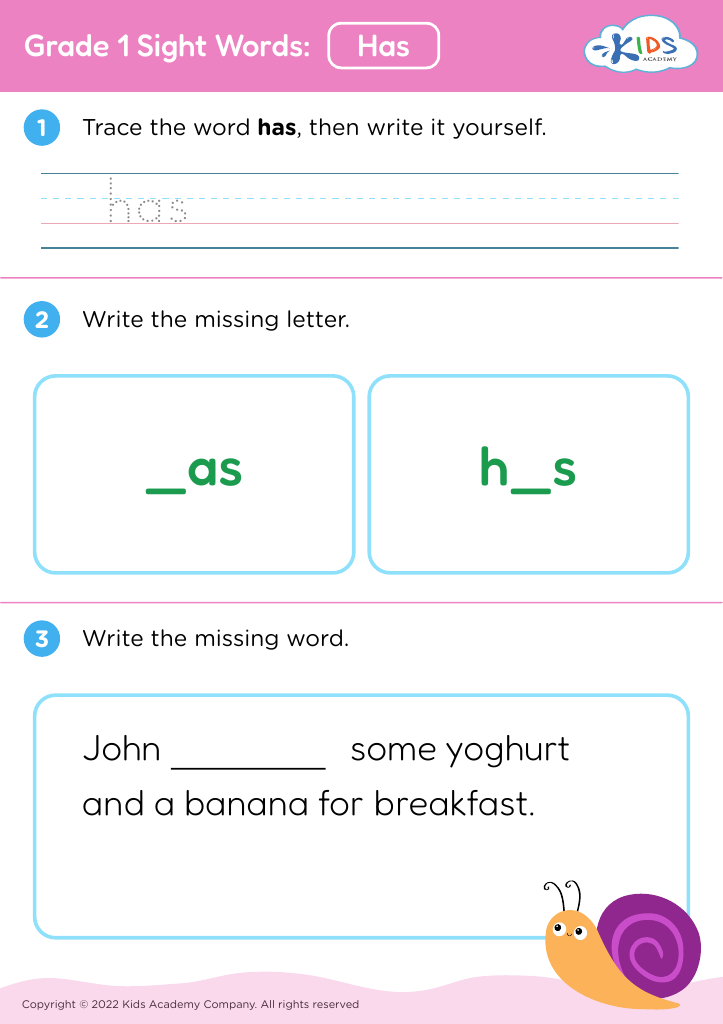











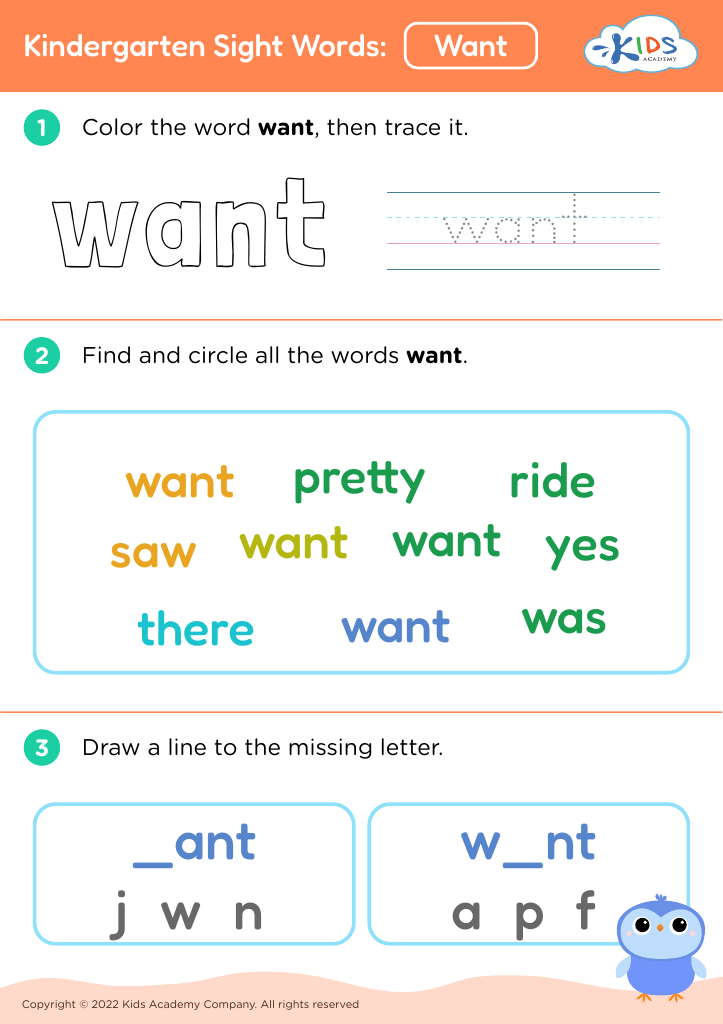
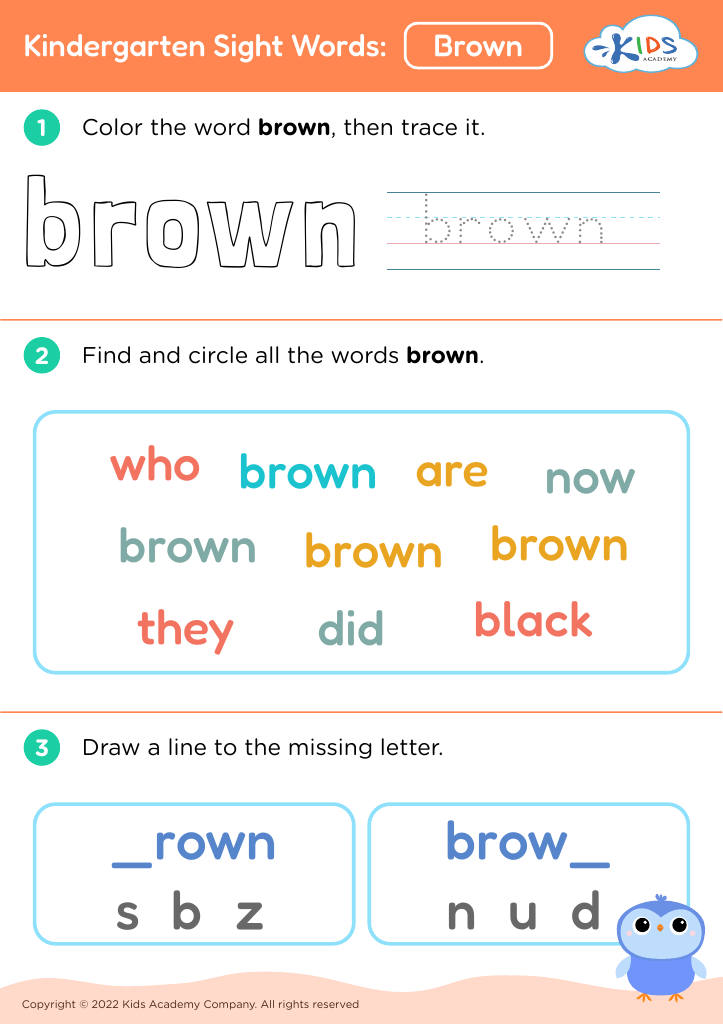








Numerical problem solving and vocabulary building are crucial components of early education for children ages 6-8. At this developmental stage, children are not only learning basic mathematics but also acquiring the language skills necessary to understand and communicate mathematical concepts.
Investing time in numerical problem solving helps children develop critical thinking and analytical skills. When they encounter mathematical problems, they learn to strategize and find solutions, fostering a growth mindset that encourages perseverance. This approach builds their confidence in handling numbers, an essential skill for everyday life.
Simultaneously, building vocabulary is vital for comprehensive learning. As children enhance their vocabulary related to mathematics, they discover terminology such as "sum," "difference," and "total." This linguistic foundation helps them articulate their thought processes and improves their comprehension of problem statements. Engaging with vocabulary also facilitates collaboration and communication, which are key skills in group work and classroom settings.
In essence, combining numerical problem solving with vocabulary development empowers children to approach math with curiosity and competence. For parents and teachers, focusing on these two areas ensures a well-rounded educational experience that lays the groundwork for future success in academics as well as in life.








