Phonics practice Building Vocabulary Worksheets for Ages 6-8
5 filtered results
-
From - To
Enhance your child's reading skills with our Phonics Practice Building Vocabulary Worksheets designed specifically for ages 6-8. These engaging and interactive worksheets focus on developing phonetic awareness, helping young learners connect sounds to letters and words. Students will practice blending sounds, recognizing high-frequency words, and expanding their vocabulary in fun and educational ways. Each worksheet supports various learning styles, making it easy for children to grasp essential reading skills. Perfect for homeschooling, classroom activities, or supplemental practice, our resources ensure children build a strong foundation in phonics that fosters confidence and fluency in reading. Download now and watch your child thrive!
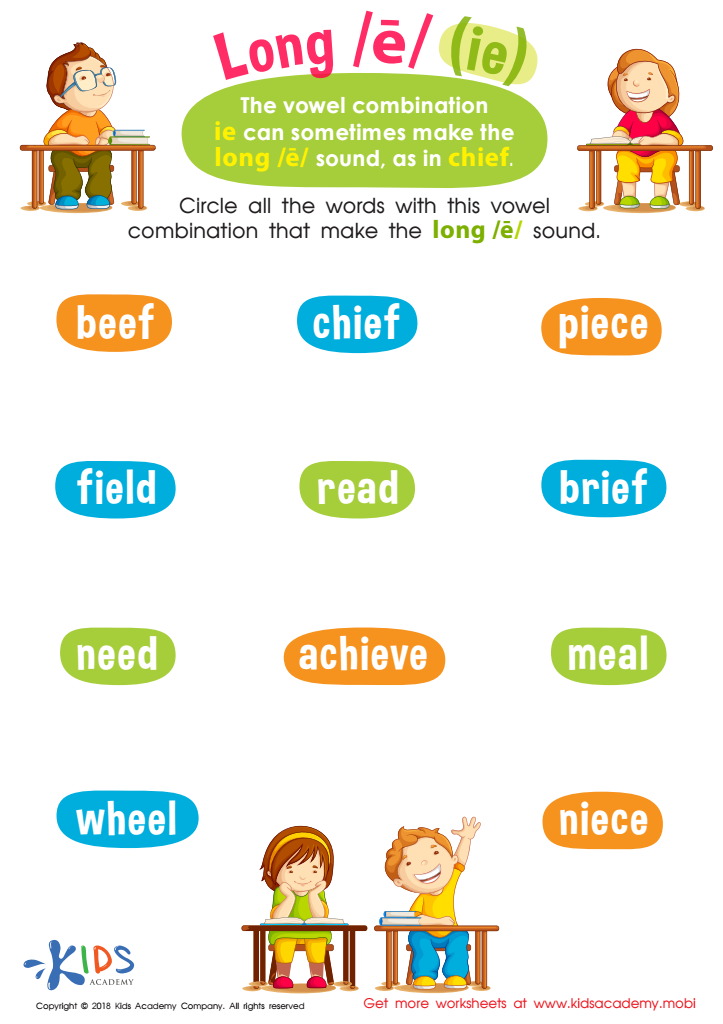
Reading: Long E and IE Worksheet
 Assign to My Students











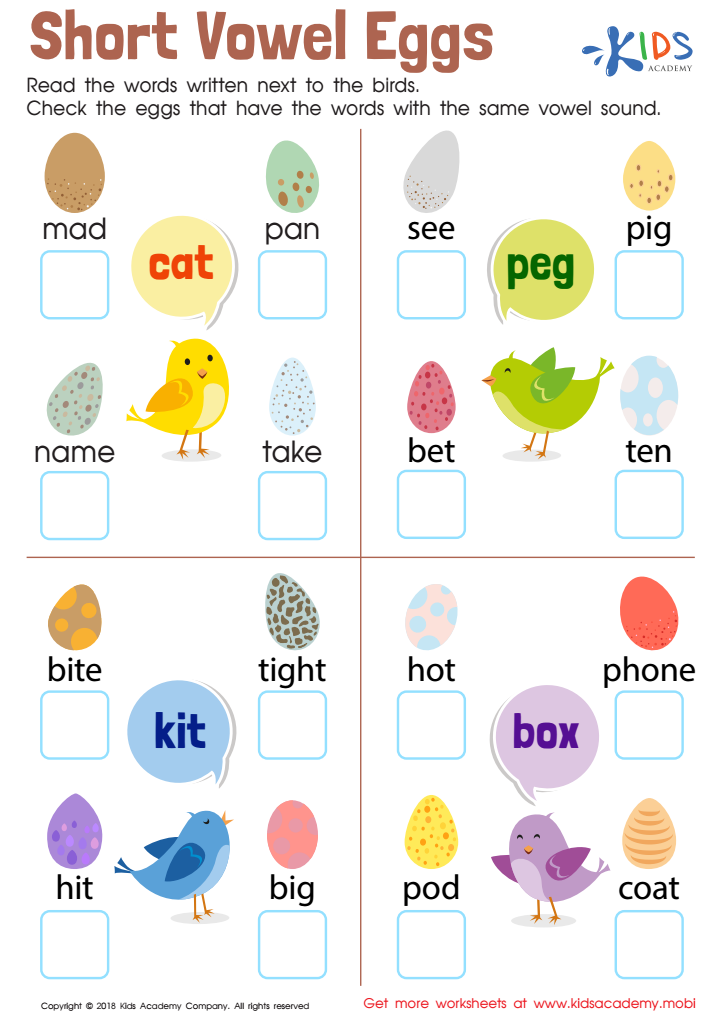
Short Vowel Eggs Worksheet
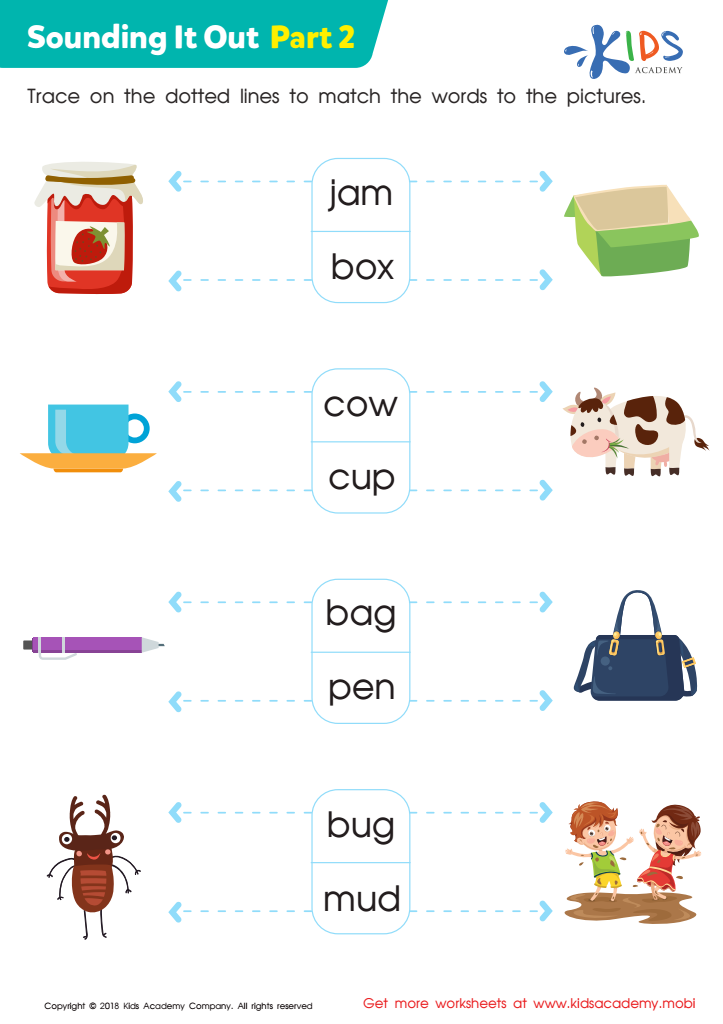
Sounding it Out: Part 2 Worksheet
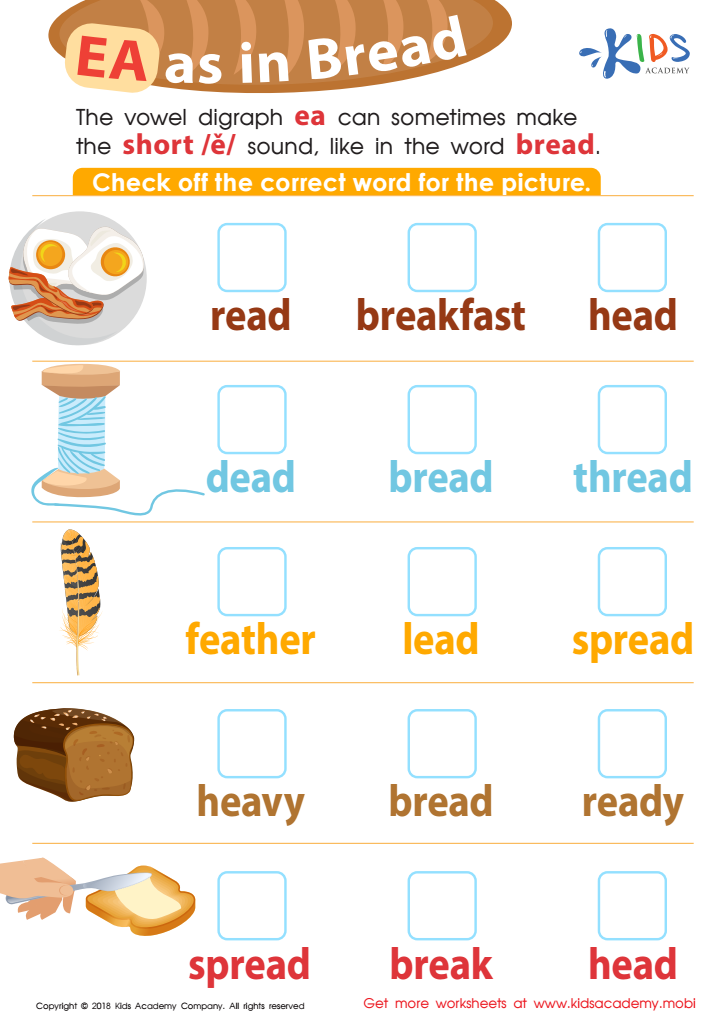
Reading: EA as in Bread Worksheet
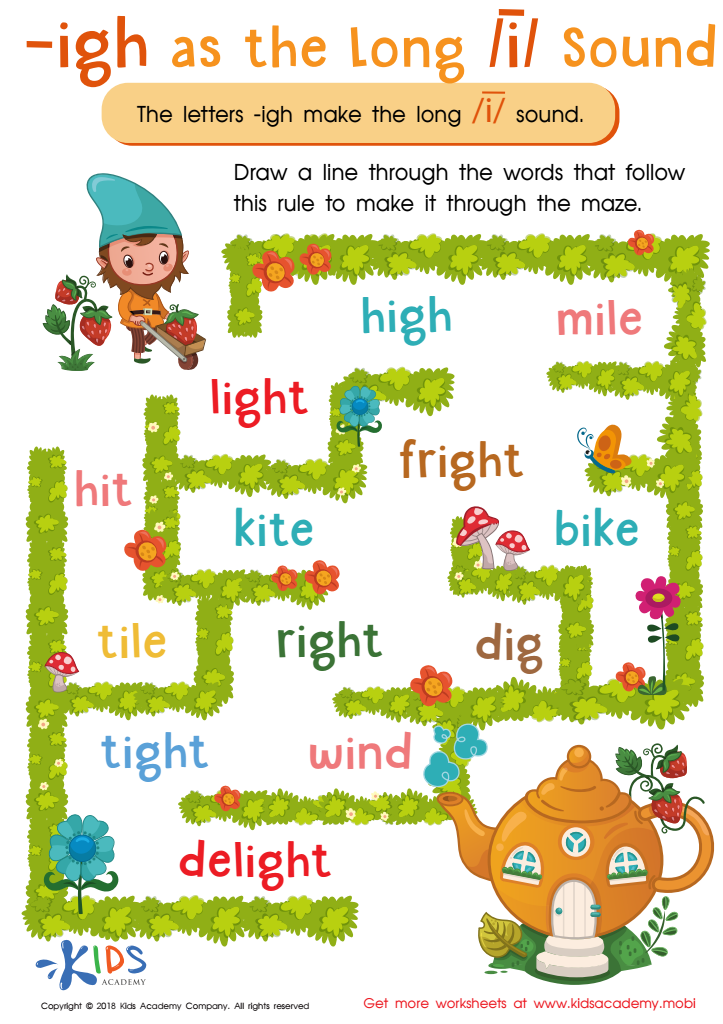
Reading: IGH as Long I Worksheet








Phonics practice is crucial for building vocabulary in children aged 6-8, as this foundational stage directly impacts their reading and literacy skills. Understanding the relationship between sounds and letters helps young learners decode words, making it easier for them to recognize and pronounce new vocabulary. When parents and teachers prioritize phonics, they equip children with the tools needed to explore language independently, fostering a love for reading.
Building vocabulary through phonics also enhances comprehension skills. As children learn to sound out words, they encounter new terms that enrich their understanding and expression. A robust vocabulary supports better communication and analytical abilities, enabling them to engage more deeply with texts and discussions. Furthermore, phonics practice cultivates confidence in reading, motivating students to tackle more complex books and materials.
Moreover, parental and teacher involvement in phonics activities promotes a cooperative learning environment. This collaboration reinforces the importance of literacy, and children are more likely to persist in their learning when they see adults actively engaged. Therefore, investing time in phonics practice not only benefits individual reading skills but also strengthens the overall educational foundation that will benefit children throughout their academic journey.








