
Recognizing numbers Building Vocabulary Worksheets for Ages 6-8
3 filtered results
Difficulty Level
Grade
Age
-
From - To
Subject
Activity
Standards
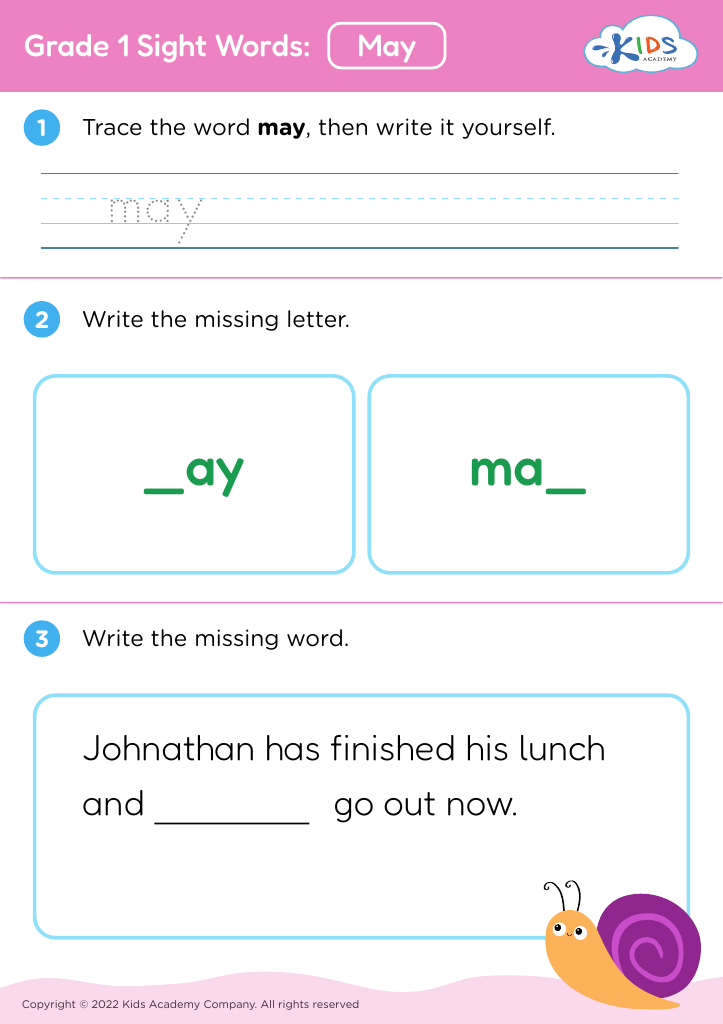
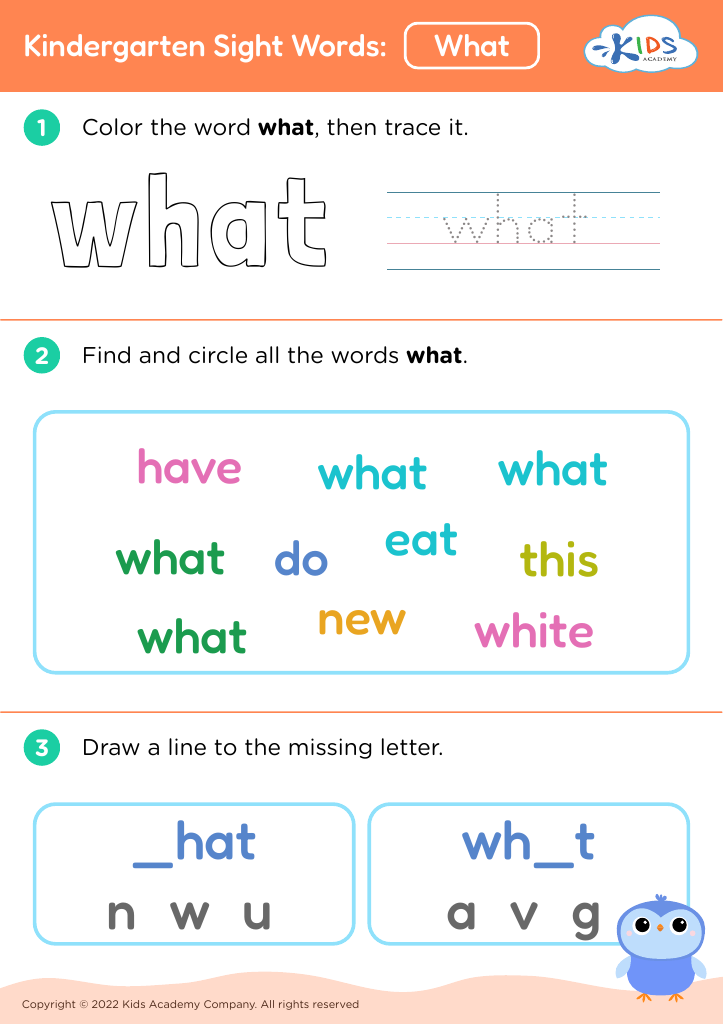
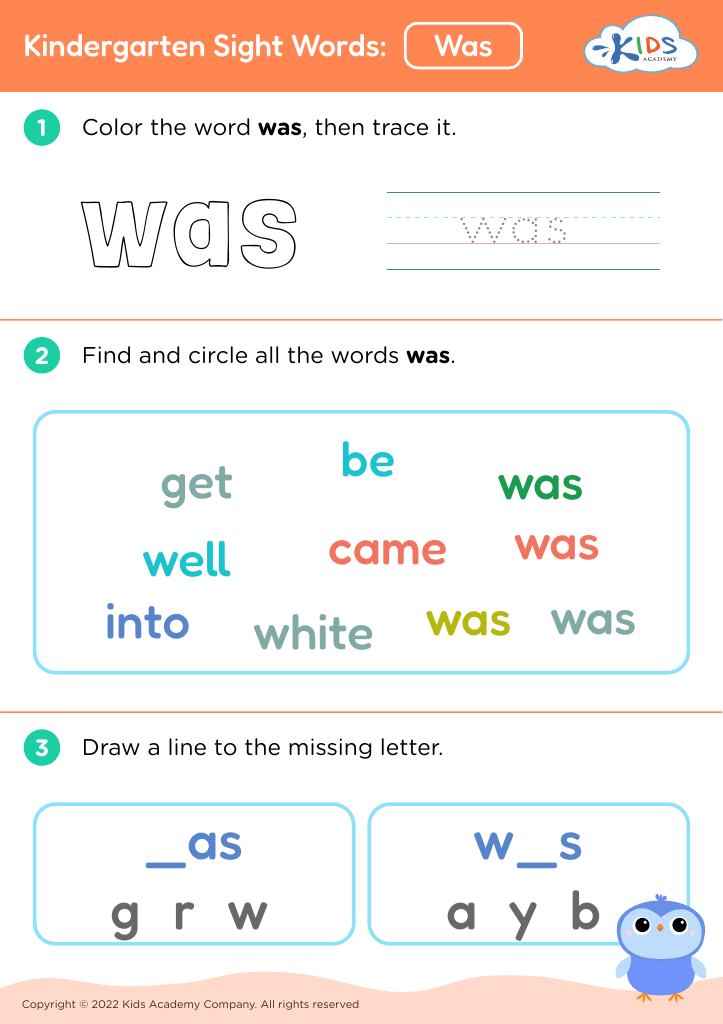
Enhance your child's learning experience with our "Recognizing Numbers Building Vocabulary Worksheets" specifically designed for ages 6-8. These engaging worksheets combine number recognition with vocabulary-building activities, helping young learners develop essential skills in a fun and interactive way. Each page features eye-catching illustrations and challenging exercises that promote number literacy while enriching vocabulary through various contexts. Perfect for homeschooling or classroom use, these resources are ideal for reinforcing foundational math skills and language comprehension. Explore our worksheets to nurture your child's confidence in recognizing numbers and expanding their vocabulary, paving the way for lifelong learning success!
Favorites
With answer key
Interactive











Join Kids Academy for Free
Who is primarily going to use this learning content?





.jpg)


Recognizing numbers and building vocabulary are foundational skills critical to a child's cognitive development in the ages of 6-8. During this formative period, children's brains are highly receptive to new concepts, making it crucial for parents and teachers to prioritize these areas.
Recognizing numbers goes beyond basic counting; it helps children develop mathematical fluency essential for problem-solving and everyday tasks. Proficient number recognition fosters a sense of confidence in math, encouraging positive attitudes toward future learning in this subject. As children begin to encounter more complex mathematical concepts, a solid foundation in number recognition can make a significant difference in their academic success.
Equally important is building vocabulary. Language skills are intertwined with cognitive development and social interactions. Expanding a child’s vocabulary enhances their reading comprehension, enables effective communication, and facilitates the absorption of new ideas across subjects. A rich vocabulary helps children articulate thoughts, express feelings, and understand the world around them.
Both recognizing numbers and building vocabulary prepare children for lifelong learning, ensuring they are equipped to tackle future challenges academically and socially. By supporting these skills, parents and teachers play an essential role in nurturing well-rounded, capable individuals ready to thrive in a complex world.








