
Recognizing Patterns Building Vocabulary Worksheets for Ages 6-8
4 filtered results
Difficulty Level
Grade
Age
-
From - To
Subject
Activity
Standards
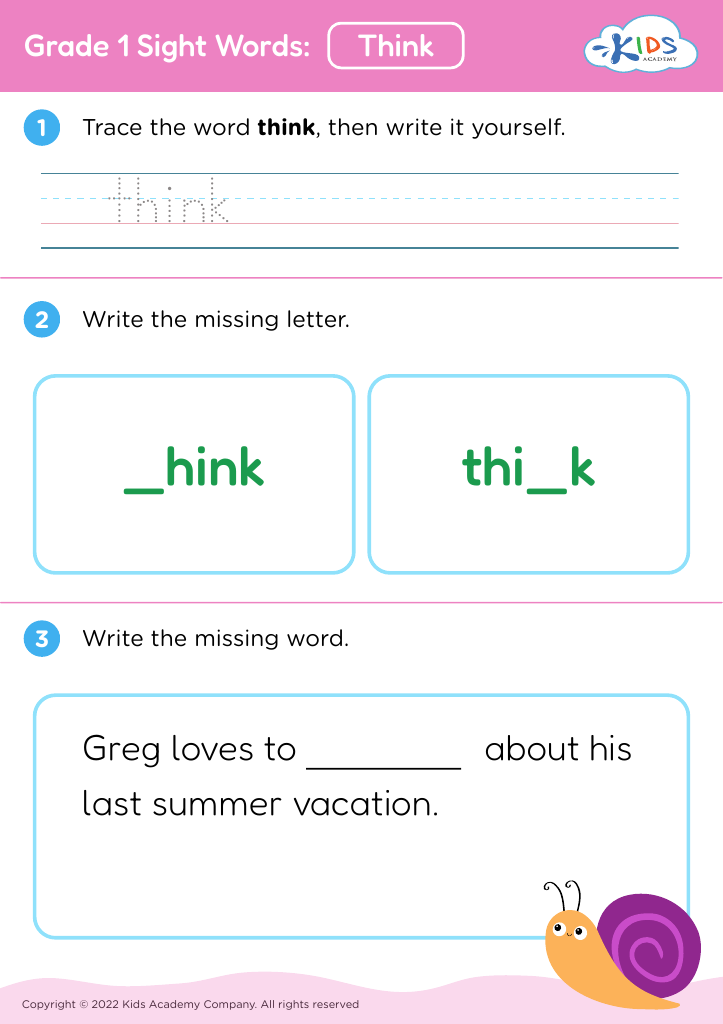
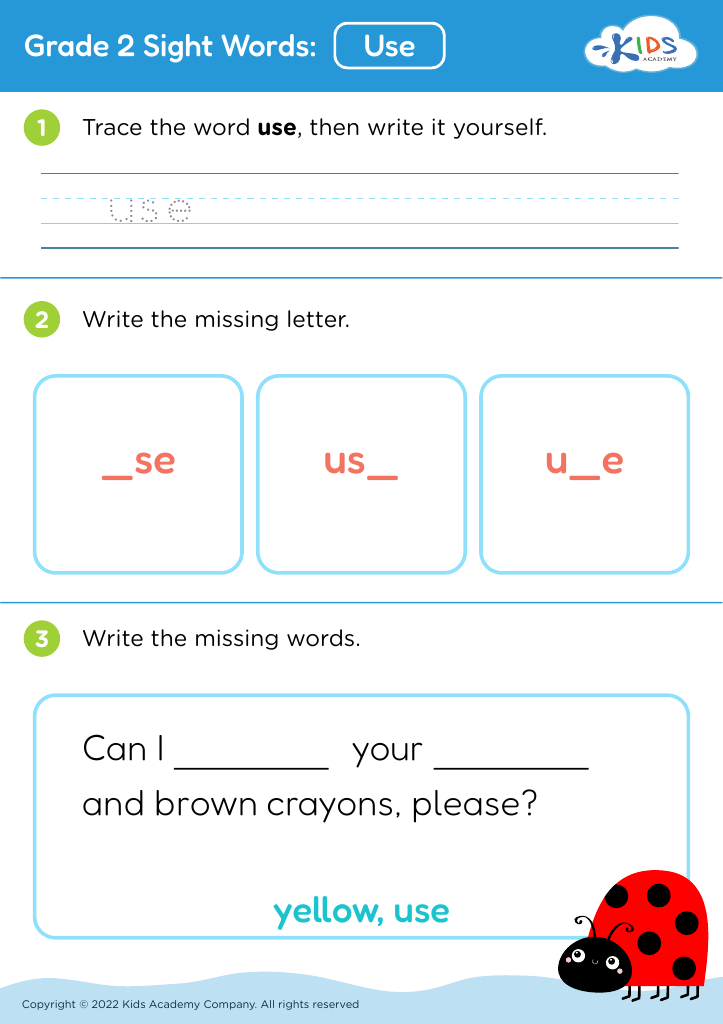
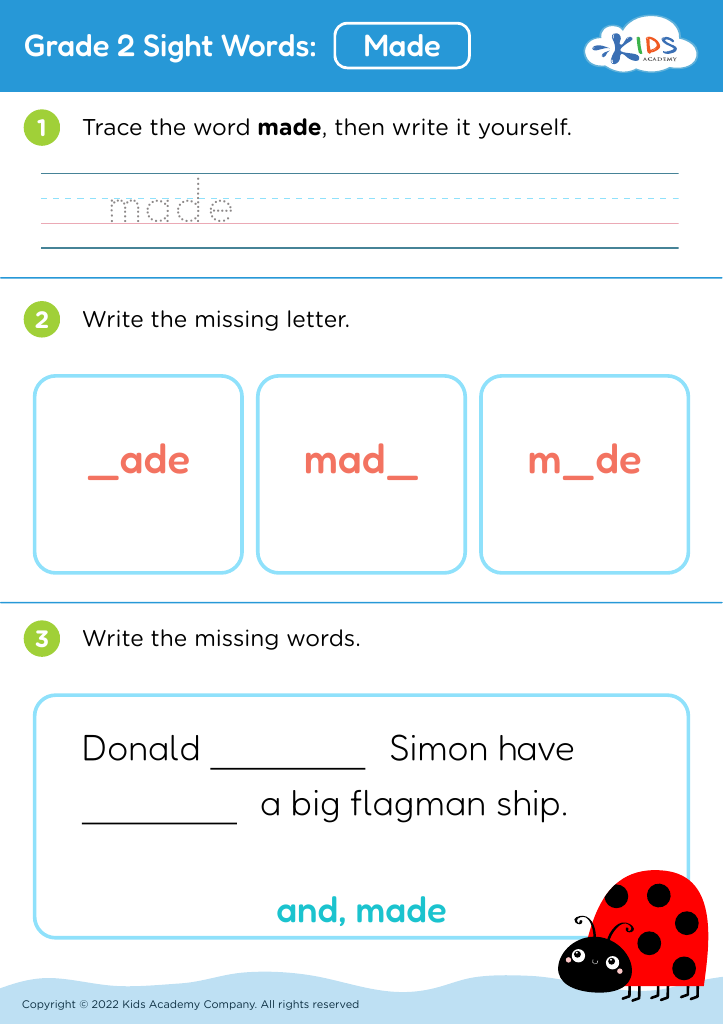
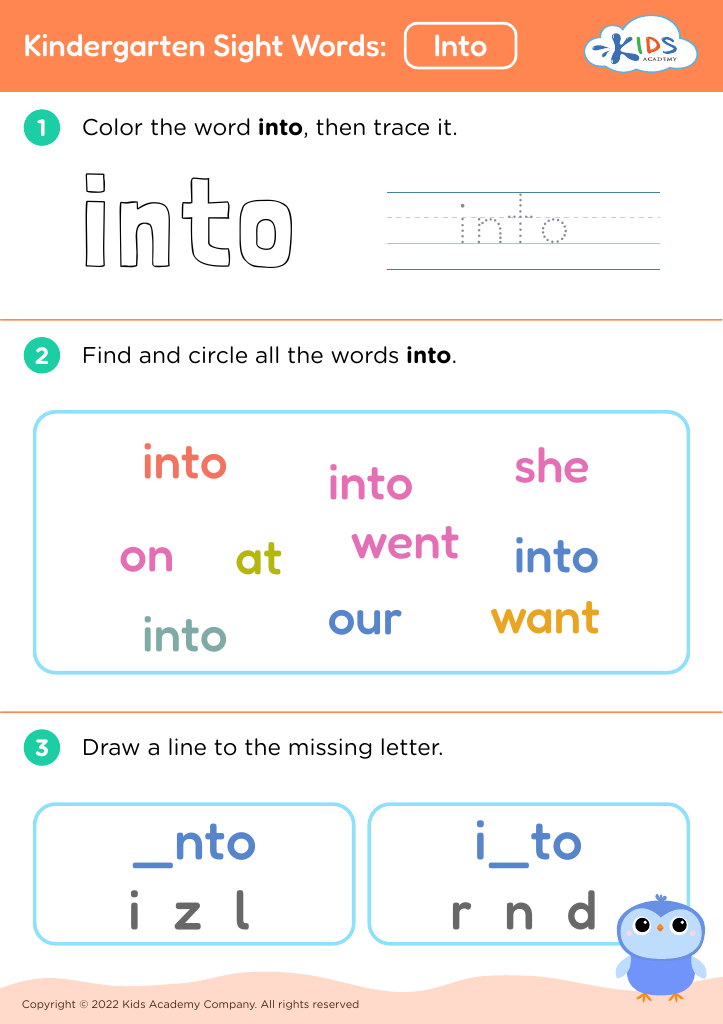
Unlock your child’s potential with our Recognizing Patterns Building Vocabulary Worksheets, designed specifically for ages 6-8! These engaging worksheets from Kids Academy incorporate colorful visuals and interactive exercises to help young learners identify and understand patterns in language. Through fun activities, children enhance their vocabulary, improve reading comprehension, and develop critical thinking skills. Each worksheet is tailored to captivate young minds and foster a love for learning. Ideal for both classroom and home use, our resources provide a solid foundation for language arts success. Give your child the tools to excel with these essential vocabulary-building worksheets!
Favorites
With answer key
Interactive











Join Kids Academy for Free
Who is primarily going to use this learning content?








Recognizing patterns and building vocabulary in children aged 6-8 is fundamental to their cognitive and linguistic development. At this critical stage, children's brains are highly receptive to recognizing patterns, which encompasses everything from mathematical sequences to spelling and grammar rules. These patterns help children make sense of the world around them, fostering problem-solving skills and logical thinking abilities essential for later academic success.
Building vocabulary, on the other hand, is crucial for effective communication and reading comprehension. A rich vocabulary enables children to express their thoughts and emotions more clearly, enhancing both social interactions and academic performance. When children encounter new words and patterns, they strengthen neural connections that support language development and cognitive flexibility.
Moreover, a strong foundation in vocabulary and pattern recognition lays the groundwork for learning more complex subjects. For example, understanding patterns in mathematics can lead to success in geometry and algebra, while a robust vocabulary aids in reading comprehension and creative writing.
Therefore, parents and teachers should prioritize activities and learning experiences that promote these skills. By doing so, they not only support children's immediate academic achievements but also equip them with critical tools for lifelong learning and personal development.








